







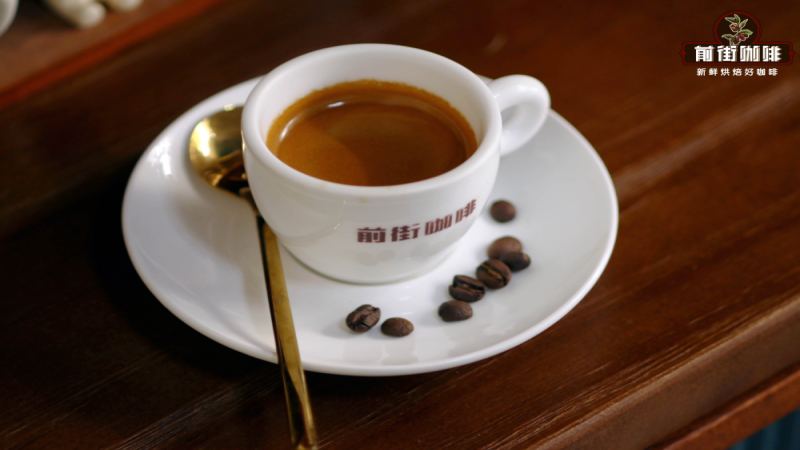
What does SOE coffee mean in espresso brewing?
SOE coffee means Single Origin Espresso: espresso pulled from beans grown in one producing region rather than a blend. An Ethiopian Yirgacheffe brewed as SOE, for example, shows citrus and lemon notes, while an Indonesian Mandheling turns sharply bitter. Because espresso machines amplify the flavors already in the bean, the origin character arrives more directly and more intensely than in most other brew methods.
SOE beans are usually roasted differently from filter lots. Acidic coffees are roasted darker for espresso than for pour-over, and most light filter roasts channel badly on an espresso machine. That is why single-origin SOE is priced above regular espresso, and why blends still exist: blending balances sweetness, body, and acidity across batches.
SOE stands for Single Origin Espresso, which has become popular in recent years amid the espresso boom. This article will help you clarify the definition and characteristics of SOE, explain why it is priced higher than regular espresso, and analyze its advantages of pure flavor and clear layers, as well as its difficulties such as hard-to-control roast level and obvious batch differences. It will also introduce the blending logic of espresso blends, with espresso extraction parameters for blend beans such as Front Street Strawberry Candy and single-origin SOE beans such as Huakui SOE and Ethiopian Konga SOE, plus the water and milk ratios for making Americano and Latte with SOE, helping you consistently produce a good cup of coffee at home.
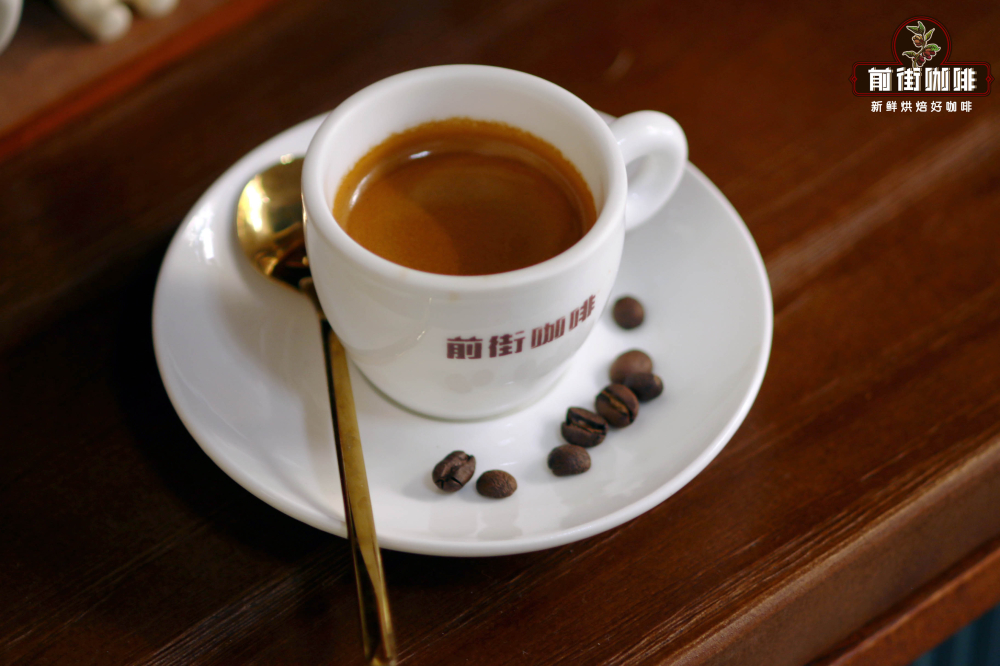
In recent years, espresso coffee has continued to heat up in China, and SOE espresso has also become popular along with it, becoming a topic of interest for many coffee lovers. For this reason, customers at Front Street stores often ask questions such as "Can I choose my own beans when ordering espresso?" and "Do you have SOE available in the store?"
What Is SOE Coffee
SOE is the abbreviation of "Single Origin Espresso," literally meaning "single-origin espresso," which refers to espresso extracted from coffee beans from the same producing region. For example, if Front Street uses Qianjie Ethiopian Yirgacheffe coffee beans to make espresso, this can be called SOE; the English term for regular espresso is "Espresso." However, not all beans are suitable for making SOE.
The reason is that espresso machines have a major characteristic—they amplify the flavor of the beans themselves. For example, if you brew Front Street's Ethiopian Yirgacheffe on its own, it presents citrus and lemon notes with a fresh style; but once it undergoes high-pressure extraction in an espresso machine, the resulting SOE will be especially sharply acidic. Another example is Front Street's Indonesian Mandheling, which carries herbal and earthy notes; if it is used to extract espresso, the finished product will be bitterly scorched.
In addition, SOE and single-origin beans on the market also differ in the roasting stage. Take beans with prominent acidity as an example: in pour-over and other drip methods, the roast level is usually lighter; when used on an espresso machine, they are roasted slightly darker. So theoretically, SOE beans used for espresso are not suitable for pour-over; conversely, most light-roasted beans are also not suitable for espresso machines—such beans expand little when absorbing water and are prone to channeling, so their flavor performance naturally will not be very good either.
Characteristics of SOE Coffee
As mentioned earlier, espresso machines amplify the flavor of espresso, so SOE single-origin beans generally are not roasted too dark. But compared with traditional darker-roasted espresso beans, their flavor compounds are actually harder to extract, which places higher demands on extraction parameters.
On the other hand, when using SOE as the base for espresso drinks, the ratio between espresso and milk or water must also be readjusted—appropriately reducing the amount of milk or water so the coffee taste stands out more, and the finished drink does not seem bland. Finally, bean selection is equally strict: although SOE has a distinctive character, precisely because it comes from a single origin, its shortcomings are also amplified at the same time, and any variable such as roasting level or grind size may affect the final flavor.
Front Street's previous articles also mentioned that factors such as weather, cultivation, and roasting all affect coffee beans, causing subtle differences in flavor among different batches each year. For this reason, when using such single-origin beans to make SOE, it is difficult to guarantee that every cup has the same flavor, and it may not reliably present a single-origin coffee with regional characteristics, or a high-quality espresso or milk coffee—SOE's uncertainty in taste is simply too high. Of course, this does not mean SOE is useless; next, Front Street will discuss its advantages and disadvantages.
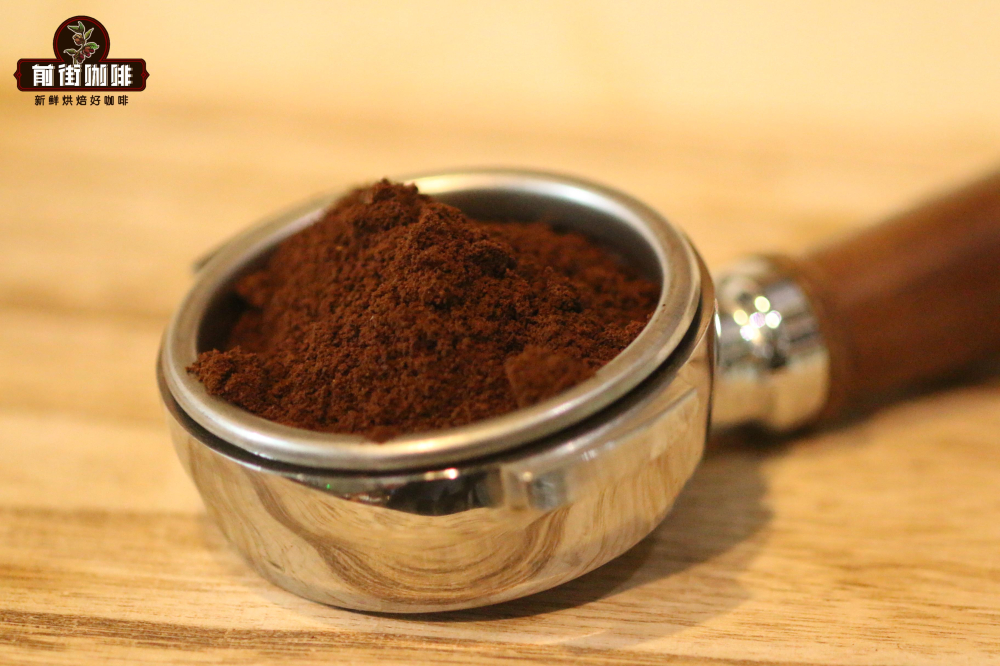
Advantages of SOE Coffee
SOE's most prominent advantage is none other than that, like single-origin coffee, it uses beans from a "single origin," so the flavor is purer; compared with the Espresso blend beans mentioned by Front Street, it can also show clearer flavor layers.
Disadvantages of SOE Coffee
The disadvantages are also as mentioned earlier: making SOE may seem very simple, as if you only need to replace regular espresso beans with single-origin beans, but actually extracting a delicious flavor is quite difficult. If you want to show regional characteristics in roasting while using an espresso machine, you must get the roast level just right—roast too dark, and the origin flavor will be masked; roast too light, and the acidity of the espresso will become unbalanced, increasing the difficulty of extraction. Therefore, a high-quality SOE greatly tests the roaster's skill.
Next is the batch difference mentioned earlier: the flavor of beans differs slightly each year and each batch, and the pressurized extraction of espresso is highly sensitive to many variables, so the freshness of the beans and fluctuations in flavor are also factors affecting SOE extraction. It is also for these reasons that SOE is priced considerably higher than espresso.
The above is Front Street's compilation of information related to SOE coffee. I believe that after reading this article, coffee lovers will have a deeper understanding of SOE. The previous text also mentioned espresso blend beans, so next Front Street will add some further explanation about blended coffee.
What Is Blended Coffee
As mentioned earlier, blend beans are mostly used in common espresso drinks such as mocha and latte, with the aim of making the flavor more complete. Simply put, blended coffee is coffee made by mixing two or more different varieties of beans; only when roasted to a level suitable for espresso machines can it be called espresso coffee beans.
Of course, this kind of combined bean cannot be formed by random pairing; it must rely on the blender's unique understanding of coffee flavor so that each bean complements the others and a blend with outstanding flavor is harmonized.
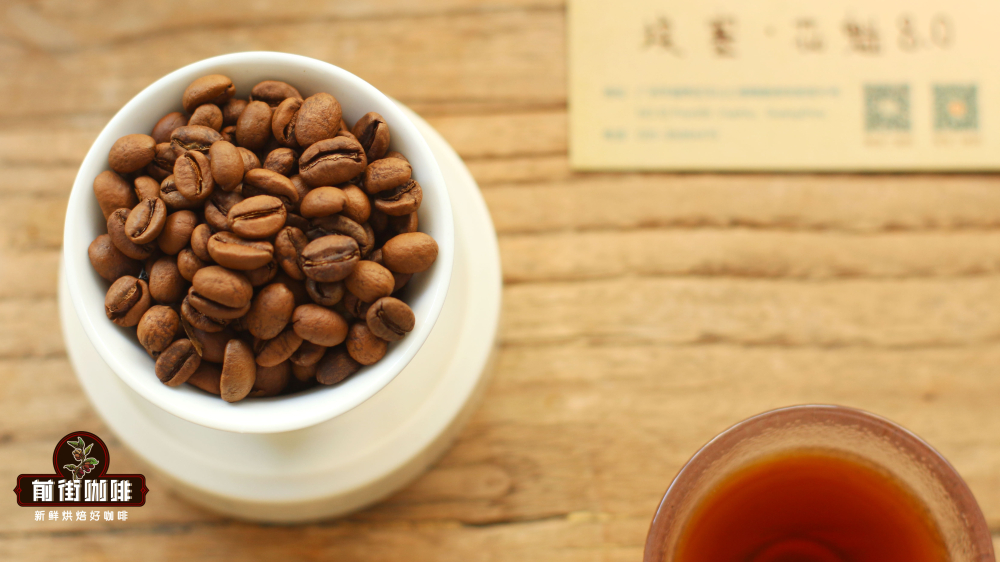
For example, if beans from two producing regions are simply mixed 1:1 in half, the flavor will most likely seem abrupt and strange, so there are also strict requirements for the ratio—Front Street's blending approach is to create coffee with a unique character around the dimensions of acidity, bitterness, sweetness, aroma, and body.
For example, Front Street currently has four espresso blend beans in its stores, each with its own characteristics, all selected by Front Street roasters after extensive ratio testing as the best flavor combinations.
Take Front Street Strawberry Candy espresso coffee beans as an example. They combine three major producing regions—Colombia, Costa Rica, and Ethiopia—and release a sweet fruity aroma when extracted as espresso; on the palate, the juicy sweet-and-sour notes of grapes and berries emerge immediately, accompanied by rose aroma, with the aftertaste settling on cocoa.
So Front Street suggests that if you are after espresso with stable flavor, rather than choosing SOE, it is better to choose blend beans; it is a more ideal solution and also more cost-effective.
Front Street also found that many people mistakenly think making SOE is simply applying single-origin beans directly to espresso machine extraction, thereby making a single-origin espresso series. Only after buying beans with various floral and fruity notes and trying them on the machine do they discover problem after problem: first, the uncontrolled scene of coffee liquid spraying everywhere like this, and then they are put off by a cup of espresso so sour that it makes them frown, not even daring to try a second sip, and instead suspecting whether the equipment is not good enough or whether some step in the operation went wrong.
In fact, if you cannot reproduce that cup of SOE from the shop at home, the problem is mostly not the equipment or your technique, but that the roast level of this bean is simply not very suitable for making espresso. Based on Front Street's experience, choosing a bean suitable for SOE extraction not only makes it easy to produce delicious espresso, but also makes Americano or Latte made with water or milk much more effective. On Front Street's bean list, two single-origin beans are offered in SOE versions: one is the strawberry-aroma Front Street Huakui SOE, and the other is the classic Yirgacheffe-flavor Front Street Ethiopian Konga SOE. When ordering, simply check espresso roast.
SOE Espresso Extraction Parameters
Coffee dose 20g
Espresso yield 35g
Extraction time 27 seconds
Grind size Galileo 1.9 setting
SOE flavor description: citrus, berries, and fermented aroma, syrupy mouthfeel, medium bitterness, medium-high acidity, bright and lively acidity.
Having covered Front Street's SOE extraction, let's now talk about the extraction method for Front Street Strawberry Candy espresso blend beans.
Blend Coffee Bean Extraction Parameters
Coffee dose 20g
Espresso yield 40g
Extraction time 30 seconds
Grind size Galileo 2.2 setting
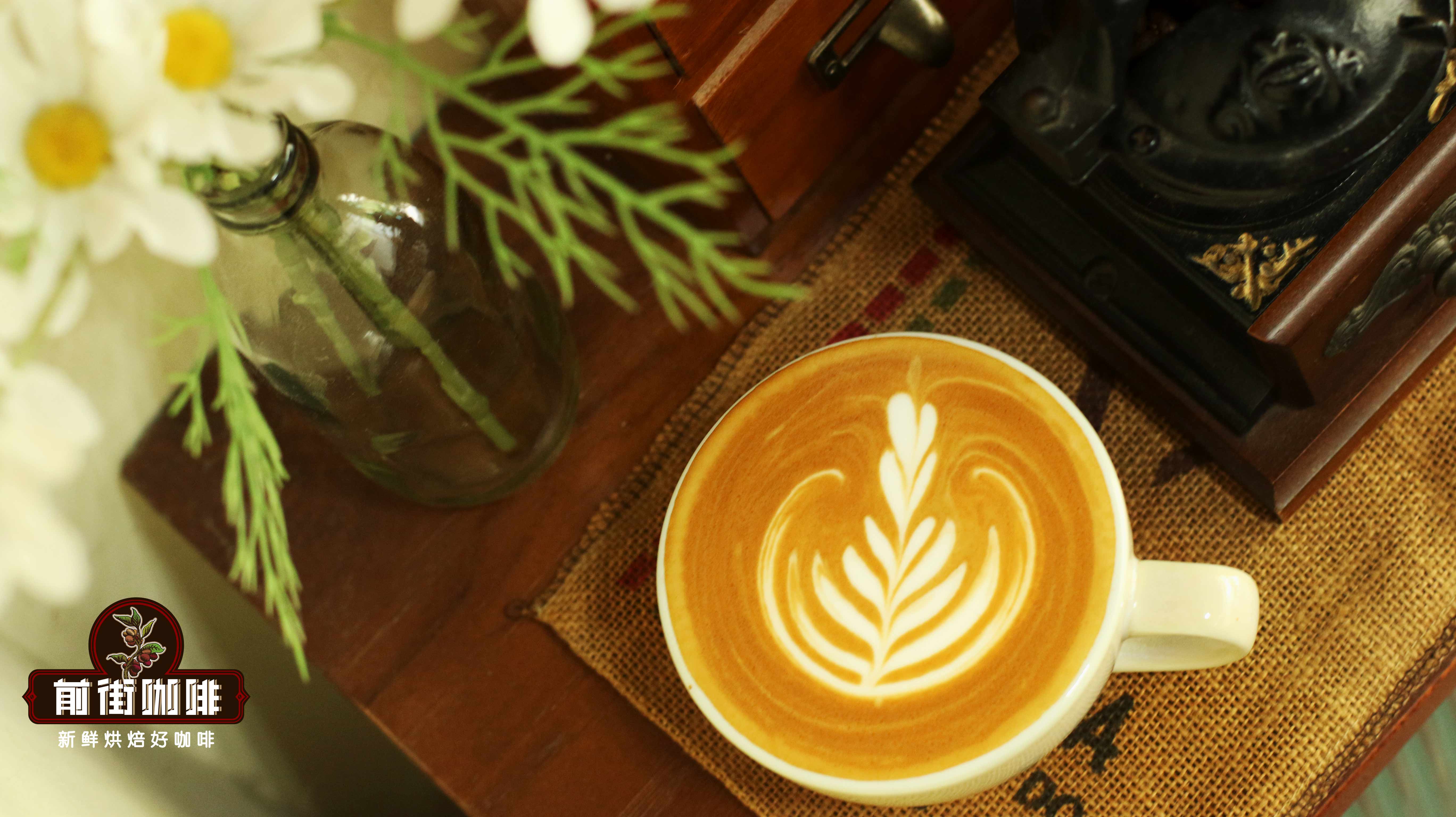
If you want to drink Americano, simply add the extracted SOE espresso to 160g of warm water or ice water at a 1:4 ratio, and a cup of black coffee with a refreshing taste and no lack of rich aroma is complete; friends who prefer latte can use a 1:5 ratio and add 200ml of fresh milk, and a cup of delicate and smooth SOE latte is then successfully made.
The above content is compiled by CoffeeHunters, a coffee news website.


