








For more coffee origin information and coffee knowledge, please followCoffeeHuntersToutiao account
In different European countries, iced coffee is also different! Some add ice cubes to hot coffee, some add ice cream to hot coffee, and some use cold water immersion extraction. For example, in the United States, the basic combination is: espresso + water + ice cubes. This method has now become the most common way of making iced Americano in coffee shops around the world.

For example, in Italy, the basic combination is: espresso + ice cubes, then put into a shaker and shake to make the coffee produce foam and enrich the taste of the whole drink; for another example, in Germany, the basic combination is: espresso with a prolonged extraction time + a scoop of vanilla ice cream + cream + caramel sauce or chocolate chips, and the deluxe version will also add a little rum.

However, the iced coffee preparation methods mentioned above all require the use of an espresso machine, which is not so convenient. So how can you make delicious iced coffee simply and conveniently at home? In this article, let's follow Front Street Coffee (FrontStreet Coffee) to learn how to make summer iced coffee with just cold water!!
Making Cold Brew/Cold Extraction Coffee
Compared with other coffees extracted with hot water, cold water immersion coffee, because there is no heat to promote the movement of water molecules, the bitter substances in coffee are difficult to release at low temperatures, so the taste of cold brew coffee will be cleaner and more refreshing. The long extraction also allows the good flavor substances in the coffee to be fully released, so it tastes very full-bodied.

Due to the long extraction time, the caffeine content of cold brew coffee will be somewhat higher than that of drip coffee and espresso-type coffee, so friends who urgently need to wake up can give priority to cold brew~
The method of making cold brew coffee is very simple!
To make homemade cold brew coffee, Front Street Gu Ding Ding Cooperative is recommended. This is a light-roasted bean that has undergone washed processing, from the well-known Ethiopia. No matter which extraction method is used, it always shows the flavors of white floral aroma, citrus, green tea, and cream. The taste is sweet and sour and fresh, so there are basically not many extraction barriers, making it especially suitable for newcomers who are just starting out.
Coffee-to-water ratio: 1:12 (1g coffee, 12g water)
Water temperature: room temperature
Equipment: cold brew pot
Soaking time: 12-16 hours
Cold brew (cold immersion) coffee can be said to be the most worry-free and least technique-testing way to make iced coffee. It's just that the production time is relatively long, so you can't drink it immediately. You can start soaking at dinner time, and when you get up the next morning, you can drink full-bodied and clean cold brew coffee~
Since the cold brew pot used by Front Street has a 1L capacity, this time 60g of coffee grounds will be used for demonstration. You can increase or decrease the coffee grounds according to the size of your own cold brew pot. The ratio remains unchanged, but you must ensure that the coffee grounds can be completely soaked after adding water.

Prepare a clean cold brew pot, pour the ground coffee into the filter basket of the cold brew pot, then pour 720g of room-temperature water over the coffee grounds to fully wet and soak them. After that, cover the lid of the filter basket part, and finally put the lid of the cold brew pot on. Then place it in the refrigerator's cold storage compartment for low-temperature extraction for 12-16 hours~
At the end of extraction, lift the filter basket and let it hang at the mouth of the pot to drip off the remaining coffee liquid. After that, discard the coffee grounds and it is ready to taste. If you think 1:12 is too strong, you can make 1:13, or dilute it with ice cubes/clean water when tasting.

Recommended coffee beans suitable for making iced drinks
[Ethiopia Natural Red Cherry Coffee Beans]
Medium-light roast, flavor: mixed berries, caramel, black tea, slight fruity fermentation aroma
Red Cherry refers to the "Red Cherry Project" carried out by a Dutch green bean merchant in 2007. The main purpose of the project was to raise the purchase price of fully ripe coffee cherries, thereby encouraging coffee farmers to harvest only coffee cherries that were already ripe and had red outer skin.
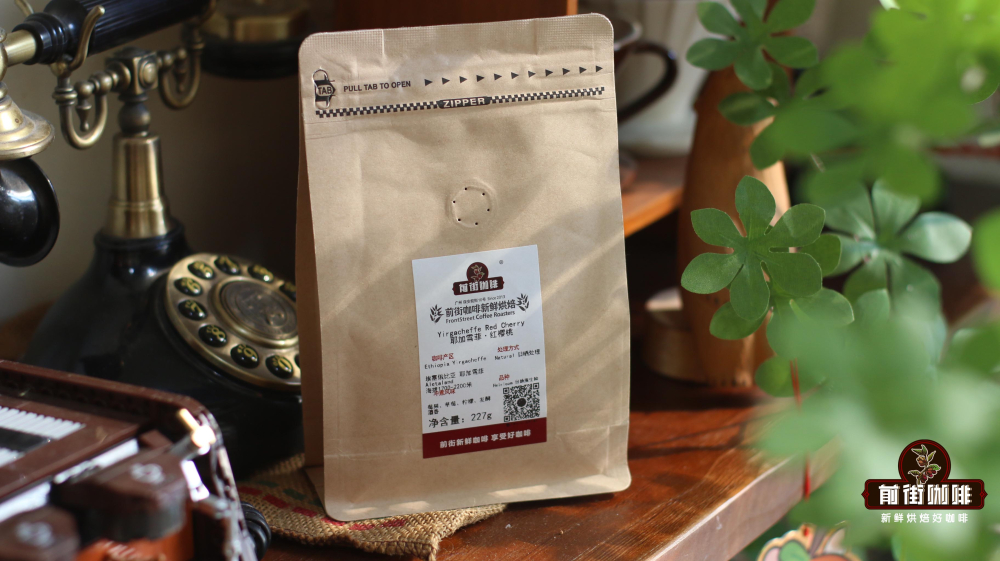
The effect of doing this not only greatly improved the overall quality of the coffee beans, but also, because fully ripe fruit has relatively high sugar content, after whole-fruit sun drying, the coffee beans can also obtain great sweetness and a slight fermented feel, bringing a soft and smooth mouthfeel to the coffee. It is one of the coffee beans with very good sweetness in the Ethiopia region.
[Panama Elida Estate Natural Typica Coffee Beans]
Medium roast, flavor: peach, orange, raisin, caramel, green tea
When it comes to Elida Estate, the first thing everyone may think of is perhaps the ASD slow natural Geisha coffee beans that the estate won in the 2019 Bop competition. But the estate does not only grow Geisha variety coffee beans; it also grows the Caturra and Catuai varieties common in Central and South America, as well as the Typica variety, which itself has a clean and tranquil flavor profile.
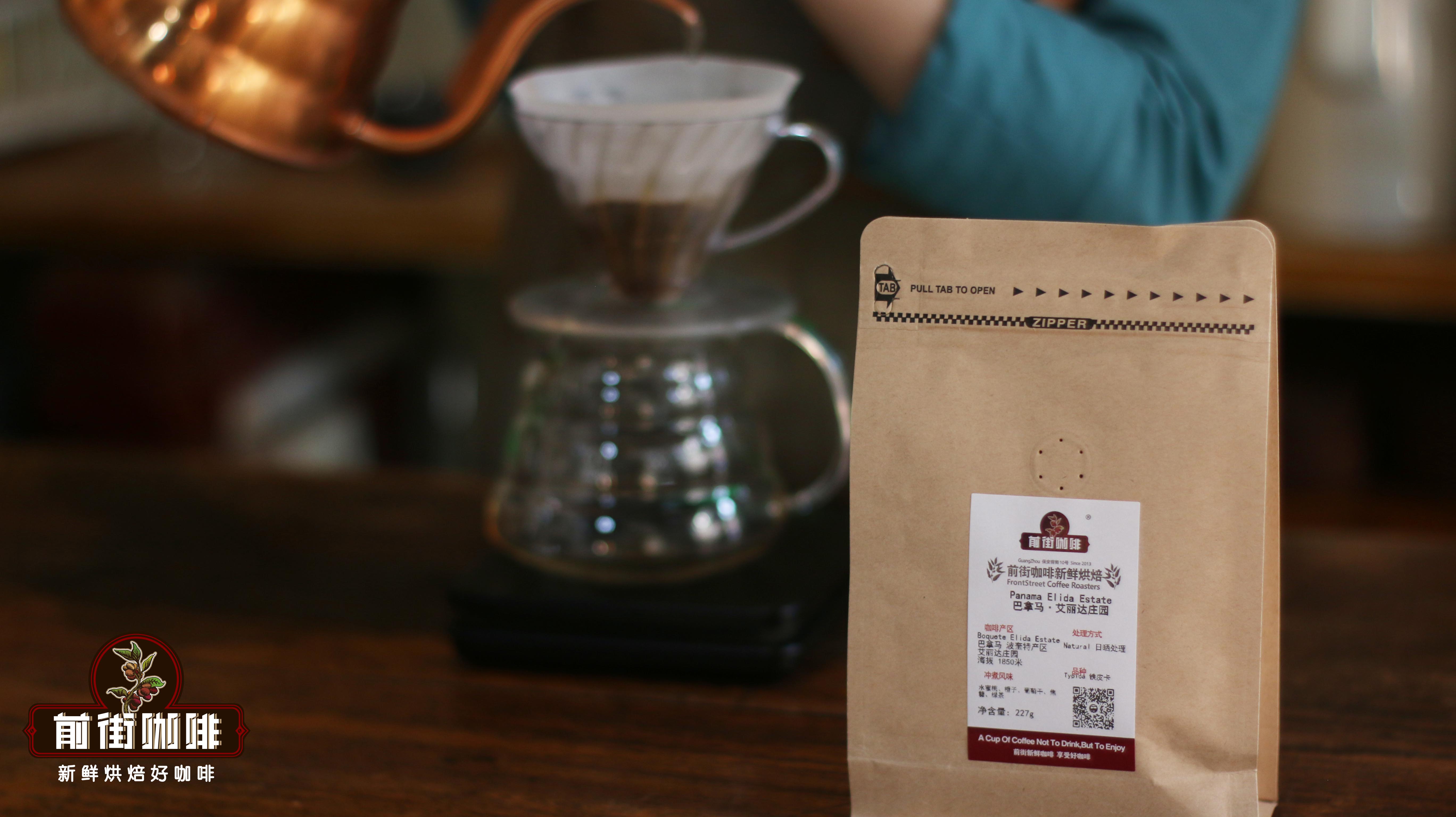
The biggest feature of this Elida Typica coffee bean is that it has both the rich juice-like flavors brought by the terroir of the producing region and sun drying, and the clean characteristics of Typica coffee beans themselves, so the coffee tastes very smooth and full-bodied.
[Colombia Finca La Divisa Sidra Coffee Beans]
Medium roast, flavor: grape, passion fruit, dried apricot, citrus, fermentation aroma
The Sidra variety attracted widespread attention because last year, in the 2022 WBC competition, champion barista Anthony Douglas chose Colombian Sidra coffee beans in the competition.
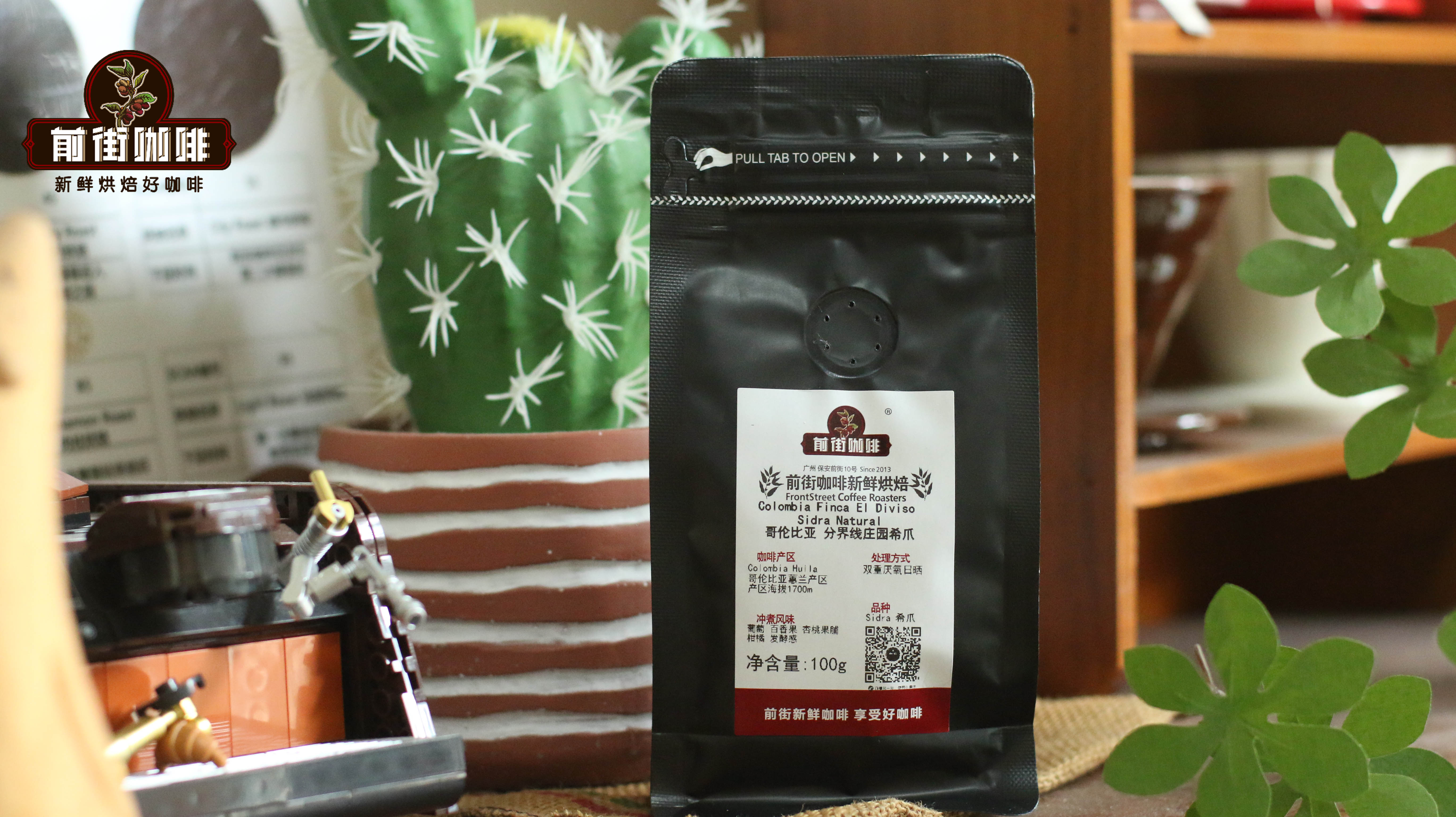
Sidra coffee is a laboratory variety bred by crossing Typica and Red Bourbon. Later, based on genetic comparison, it was found that Sidra coffee has similar genes to Ethiopian native species. Therefore, some scholars speculate that Sidra was bred by crossing an experimental research variety exported from Ethiopia with local Bourbon coffee in Ecuador.
Sidra variety coffee beans have floral and fruity characteristics comparable to Geisha, showing flavors such as peach, citrus, grape, and honey, with moderate acidity and a round mouthfeel. Key point! Excellent value for money.
The above content is compiled by CoffeeHunters, a coffee news website.


