







Search Results for: sign language ordering

Visiting Manner's Most Tranquil Store: The Warm Practice of Silent Baristas and Disability Employment
In the coffee consumption experience, interaction with baristas is often a bonus. But when you encounter a hearing-impaired barista, communication shifts from speech to pen and paper. Recently, a customer at a Manner store noticed a sign on the counter reading "I am a silent barista," leading to a quiet yet warm consumption experience. Some were moved by the focus and effort of silent baristas, while others pointed out the practical efficiency challenges in collaboration from an employee's perspective. In recent years, with policy encouragement and corporate participation, silent cafes have emerged in multiple cities, providing not only jobs but also livelihood skills. Front Street Coffee has observed that to bridge the communication gap, some stores are trying solutions such as sign language menus and voice-to-text devices. This article will present multiple perspectives from consumers, employees, and brands to explore the real situation and future possibilities of silent baristas in chain stores. [more…]
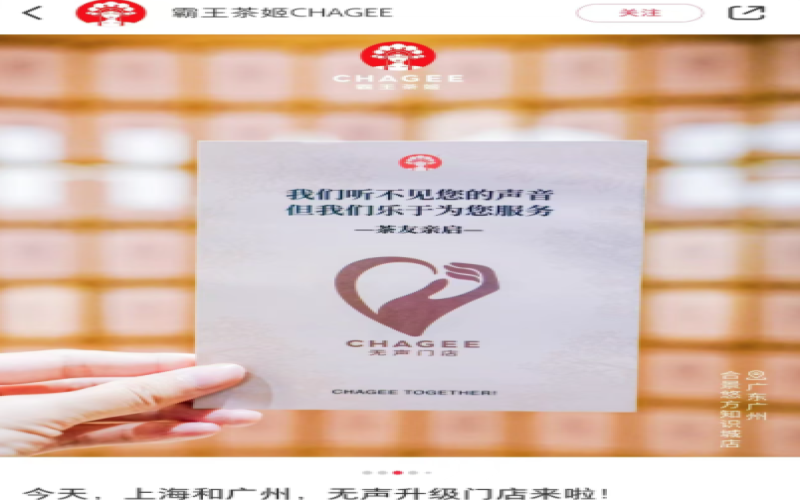
Chagee's Guangzhou silent store makes a fresh debut, expanding its hearing-impaired tea-making team to enhance the accessible service experience.
In the hustle and bustle of the city, a cup of tea can also convey silent warmth. Chagee recently announced a comprehensive upgrade of its "Silent Store" program, with its first Guangdong location opening at Guangzhou's Kwun Tong Plaza. This store, where hearing-impaired individuals serve as tea makers, not only provides equal employment opportunities for special groups but also creates an inclusive and friendly tea-drinking space through upgraded accessibility facilities, sign language communication guides, and other details. This article will walk you through the unique features of this store and review the pioneering explorations of brands like Starbucks in the silent store sector, examining how a cup of tea can connect understanding and respect among different groups. [more…]
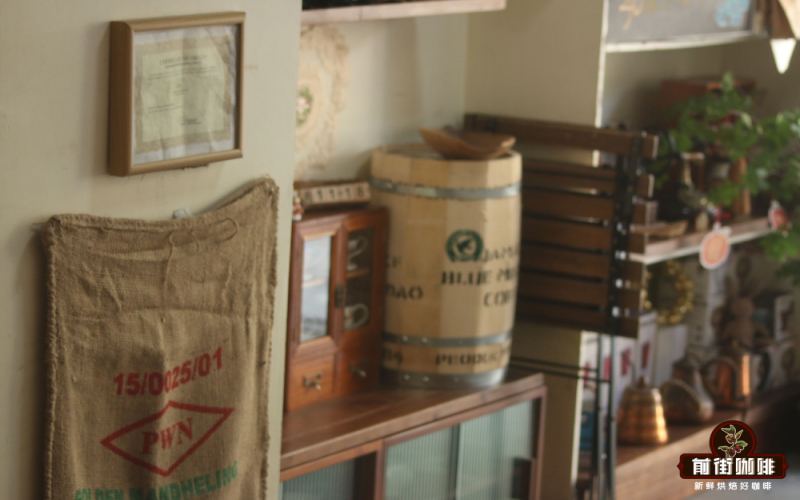
A Complete Guide to Indonesia's Wet-Hulled Process: From Mandheling Flavor Profiles to Roasting and Brewing in Practice
Wet Hulling is a green coffee processing method unique to Indonesian origins. In the local language it is called Giling Basah, and it is often regarded as a semi-washed method. It arose from Indonesia's humid, rainy environment, where sun-drying was difficult to sustain—coffee beans have their parchment removed early while still semi-dry, which not only creates the iconic "goat hoof" bean appearance but also gives rise to the distinctive flavor of Mandheling: low acidity, thick body, and a deep, muted aroma. In this article, Front Street Coffee will sort out the core differences between wet hulling and the washed method, break down the complete steps of depulping, soaking, two-stage drying, and wet-hull demucilaging, and, using PWN Golden Mandheling as an example, share a roasting curve and KONO dripper brewing parameters to give you a comprehensive understanding of the unique charm of Indonesian coffee. [more…]

Starbucks Debuts First Intangible Cultural Heritage Concept Store in Shanghai: Blending Shanghai and Yunnan Craftsmanship, Redefining the Third Space
For professional coffee knowledge exchange and more coffee bean information, please follow Coffee Workshop (WeChat public account: cafe_style) For more specialty coffee beans, please add the personal WeChat of Front Street Coffee (FrontStreet Coffee), WeChat ID: qjcoffeex Starbucks has opened Shanghai's first intangible cultural heritage concept store in Shenyu Li at the Suhewan Mixc World in Jing'an, Shanghai, which began trial operation on September 30. This store combines Yunnan ethnic minority craftsmanship with the design concept of Shanghai qipao, creating a unique venue that serves both as a third place and as an intangible cultural heritage art exhibition space. The store offers Reserve Yunnan coffee beans and incorporates interactive experiences such as siphon coffee brewing. This move continues Starbucks' public welfare trajectory since the "Rural Mothers Acceleration Plan" in 2020 and also echoes the current trend of guochao consumption. [more…]
A Comprehensive Interpretation of the Coffee Flavor Wheel: From Compounds to Sensory Classification, Mastering the Correct Approach to Coffee Flavor Tasting
Every cup of coffee contains thousands of aromatic compounds, and these substances interweave into a complex and fascinating flavor profile. The coffee flavor wheel, developed through research by the SCAA (Specialty Coffee Association of America) in collaboration with several universities, provides tasters with a systematic descriptive language. This article will guide you through the origins and composition of coffee flavors, explain the meanings of approximately eighty-five flavors across nine major categories on the flavor wheel, and describe how floral, fruity, nutty, cocoa, spice, and fermented flavors form during roasting and processing. At the same time, we will also introduce the flavor characteristics of specific coffees such as Front Street Yirgacheffe, Front Street Geisha, and Front Street Mandheling, helping you more accurately identify and express coffee flavors in daily life. [more…]
Starbucks Japan Raises Prices in April: Coffee Beans and Drinks Both Up, Plant-Based Milk Lattes Down
Starbucks Japan has announced that it will raise the prices of coffee beans and beverages starting April 13, with coffee beans increasing by about 90 to 300 yen and beverages by about 10 to 55 yen, while soy milk, almond milk, and oat milk lattes will be reduced in price by more than 10 yen. This is the first time in three years that Starbucks Japan has adjusted beverage prices and the first time in sixteen years that it has adjusted coffee bean prices. Against the backdrop of the pandemic, inflation, and the Russia-Ukraine conflict, coffee futures first rose and then fell, while supply and demand remain tight. Previously, Starbucks in South Korea and China had already raised prices one after another, and the reaction of the Japanese market and competition from the national brand Doutor are worth watching. Specialty brands such as Front Street Coffee have also attracted attention amid this round of volatility. [more…]

Why Is SOE Generally on the Sour Side? A Full Breakdown of the Differences Between Single-Origin Espresso and Espresso Blends
Have you ever had this confusion: why does a cup of SOE always taste noticeably sour? SOE stands for Single Origin Espresso, referring to espresso extracted from coffee beans of a single origin. It is fundamentally different from espresso blends in terms of flavor presentation and roasting choices. This article will start with the historical origins, tracing the evolution of espresso from single origin to blends and then back to SOE, and, combined with the turning-point event of the 2007 WBC competition, deeply analyze the root reason why most SOE tends to be sour—the influence of roast degree on the retention of acidity—to help you more clearly understand the positioning and selection logic of these two types of espresso beans. [more…]
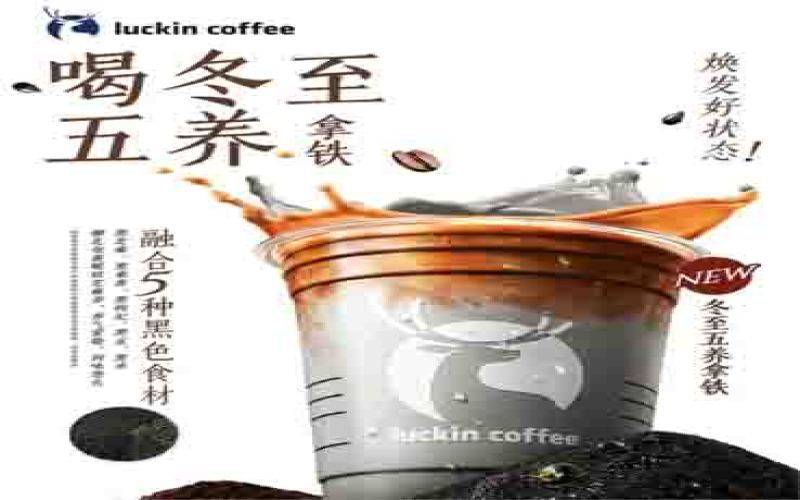
Luckin launches Winter Solstice Five Nourishments Latte and Salted Cheese Soy Milk Latte, grain flavors spark speculation about breakfast occasions
As the weather turns colder, hot beverages have become a new favorite among consumers, and major coffee chains are rolling out winter-exclusive drinks. Luckin Coffee launched two new products this week — the "Winter Solstice Five-Nourishment Latte" and the "Salted Cheese Soy Milk Latte." Among them, the Winter Solstice Five-Nourishment Latte, marketed with the slogan "five black ingredients for nourishment, using black to nourish black," has been dubbed "wellness coffee" by many health enthusiasts because it blends five black ingredients: black rice, black sesame, black beans, black mulberry, and black goji berries. After the launch, consumer reviews have been polarized: some find it like a combination of soy milk and coffee, suitable for pairing with breakfast; others think the coconut milk brings noticeable sweetness, and the grain aroma overwhelms the coffee flavor, making it more like black sesame paste or a grain-based breakfast milk. Combined with earlier rumors that Luckin Coffee may launch an oven, some netizens speculate that the brand intends to expand into breakfast consumption scenarios. [more…]
Coffee Culture Primer: 18 Little-Known Facts and a Practical Tasting Guide
Coffee is one of the most popular beverages in the world, yet most people know little about the story and science behind it. From an Ethiopian shepherd's accidental discovery to the curious journey of civet coffee; from the differences between Arabica and Robusta to the astonishing water consumption behind a single pound of coffee—this article will guide you through 18 lesser-known coffee facts, plus 11 practical tasting methods, to teach you how to avoid consumer traps like "100% pure coffee" and choose a truly good cup. Whether you're a casual drinker or a seasoned enthusiast, this is worth a read. [more…]
Yirgacheffe Coffee Beans | What Are Yirgacheffe Coffee Beans? An Introduction to the Flavor and Characteristics of Ethiopian Yirgacheffe Coffee Beans
For coffee lovers, among the coffees they've tried, there's always at least one African coffee bean. Among them, the Ethiopian Yirgacheffe coffee beans, originating from the birthplace of Arabica, are highly renowned for their excellent flavor and are much loved by many. In recent years, domestic specialty coffee has developed rapidly, and this coffee, which enjoys great fame in the international coffee circle, [more…]
An In-Depth Analysis of the Flavor Profile, Taste Positioning, and Suitable Audiences of Indonesian Golden Mandheling Coffee Beans
Mandheling is a classic representative in the coffee world, renowned for its rich and substantial character, and Golden Mandheling is an even higher-grade choice among them. This article begins with the history of coffee cultivation in Indonesia, sorting out the origin of the Mandheling name, the definition of its producing regions, and PWN Company's grading and screening standards, then focuses on the flavor performance, roasting approach, and brewing parameters of Front Street PWN Golden Mandheling. The article will also explain what kind of people this coffee is suitable for, helping coffee lovers make clearer judgments when purchasing and extracting. [more…]
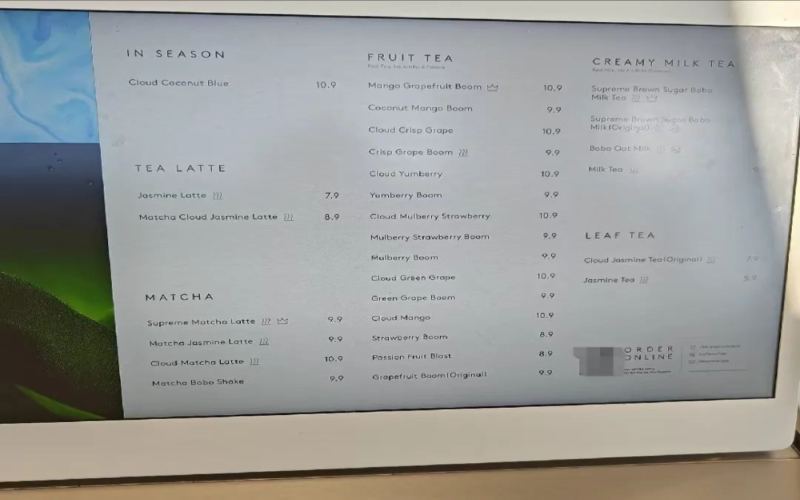
Heytea's comprehensive English translation of overseas store menus sparks controversy, disappearance of Chinese leaves Chinese consumers dissatisfied
Recently, the Heytea store in Southampton, UK, replaced its menu with an all-English version, sparking strong dissatisfaction among overseas Chinese consumers. The original poster pointed out that after all Chinese product names disappeared, ordering became difficult, and even Chinese employees made mistakes because they were not accustomed to the new menu. Subsequently, netizens discovered that multiple overseas stores in London, New York, Sydney, and other locations had also switched to all-English menus, and the official app also removed the language selection option, instead displaying based on location. Although some people believe this is catering to localization, more people criticize the move for diluting the brand's Chinese symbols and harming the ordering experience of overseas Chinese. Heytea customer service did not respond directly, and some consumers said they might spontaneously boycott it. [more…]
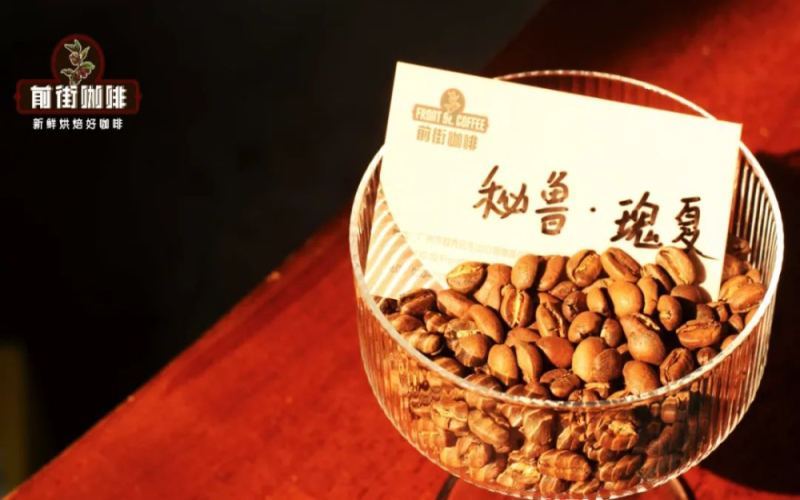
Exploring Peruvian Coffee: The Flavor Code from the High Andes to Specialty Washed Geisha
Although Peruvian coffee is not as widely known as Colombian or Brazilian coffee, it has rapidly risen in the international market thanks to its mild, balanced flavor and extremely high cleanliness. This "land of abundance" in western South America is home to the high-altitude growing regions of the Andes Mountains, as well as the world's largest organic coffee output. From a colonial-era ornamental garden plant to the smallholder cooperative model that emerged after land reform, Peruvian coffee has forged a unique path of development. This article will guide you through the growing regions, historical trajectory, grading system, and processing methods of Peruvian coffee, and share a cupping experience of a Cajamarca washed Geisha that Front Street Coffee recently acquired. [more…]
Starting from Flavor and Mouthfeel: How to Judge Whether Pour-Over Extraction Is Proper and Adjust Brewing Parameters
Extraction is the most central yet most easily misunderstood part of coffee brewing. Starting from flavor and mouthfeel, this article systematically sorts out the typical signals of under-extraction and over-extraction, helping you quickly judge the state of a cup of pour-over coffee and adjust parameters accordingly. Under-extraction often shows up as sharp acidity, a lack of sweetness, a salty sensation, and a short finish; over-extraction brings bitterness, dryness, and a hollow feel. Once you understand these clues, you can correct grind, time, and ratio with more direction, bringing the coffee back to a balanced, delicious place. The article also retains product recommendation information related to Front Street Coffee, making it convenient for everyday practice and comparison. [more…]
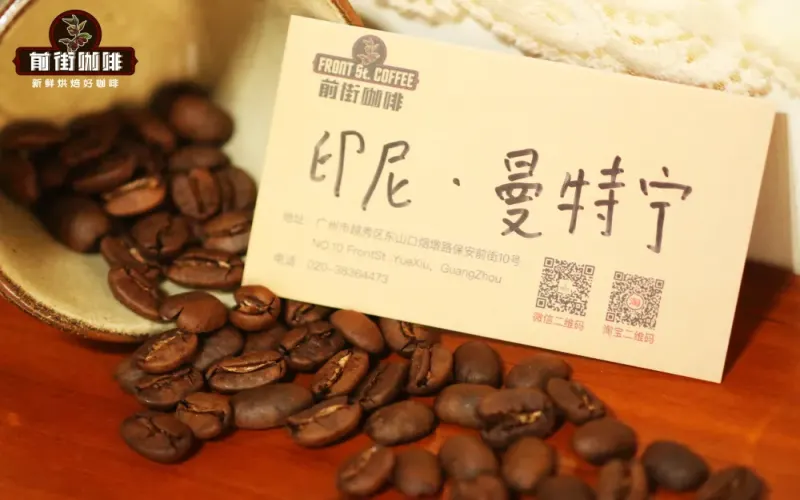
What Are the Differences Between Indonesia's PWN Golden Mandheling and G1 Mandheling? Front Street Explains Brewing Parameters and Flavor Characteristics in Detail
Mandheling is one of the most iconic coffees of Sumatra, Indonesia, and the Golden Mandheling produced by PWN is the benchmark among them. From the perspective of Front Street Coffee, this article sorts out the differences between Golden Mandheling and regular G1 Mandheling in terms of bean selection standards, grading, and processing methods, while also explaining how the wet-hulling process shapes Mandheling's signature full-bodied flavor. Front Street Coffee will also share the specific brewing parameters for Golden Mandheling, including dripper selection, grind size, water temperature, and the three-pour technique, to help coffee lovers brew a rich, clean, and balanced Mandheling at home. [more…]

Manner store hygiene sparks discussion: White tables and chairs show obvious signs of wear, sole-staffing model questioned by consumers
Manner Coffee, known for its minimalist white design, has recently sparked consumer discussion due to store hygiene conditions. Some customers have reported that tables and chairs in certain stores show obvious signs of wear, with leftover trash from previous customers on tabletops, while the single-staff model leaves employees no time to attend to front-of-house cleaning. Is this phenomenon an isolated issue or a widespread problem? Does the white decor style amplify the visual impact of stains? How should consumers balance the pursuit of efficient service with a pleasant dining environment? This article reviews perspectives from multiple parties to explore the operational challenges chain coffee brands face amid rapid expansion. [more…]
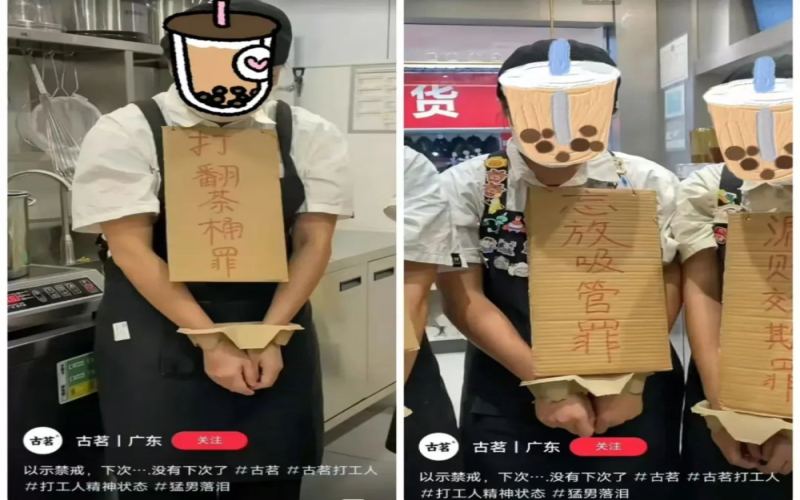
Guming employee's sign-making meme video sparks controversy, company apologizes and removes related content
During peak periods of exploding orders at tea beverage stores, staff inevitably make small mistakes such as forgetting to include straws, failing to affix expiration date labels, or knocking over tea containers, which are usually addressed with internal reminders or minor penalties. However, after employees at some Gu Ming stores filmed mocking videos featuring staff wearing placards around their necks, which were shared on social media, they sparked strong backlash from numerous netizens due to scenes involving employees having "crime" cardboard signs hung on their chests and their hands being cuffed with cup holders. The controversy centers on whether this form of imitation public shaming respects workers and whether it was appropriate for the official account to participate in posting it. Gu Ming subsequently responded that the video borrowed from a popular platform meme, has taken down the related content and apologized, and also distributed a thousand free drink vouchers. [more…]
Why Is Peruvian Coffee Underrated? Exploring the Floral and Fruity Sweetness of Washed Geisha in the Cajamarca Region
When South American coffee is mentioned, most people first think of Colombia or Brazil, while Peru is often overlooked. In fact, Peruvian coffee is known for its rich flavor layers and mild, balanced body, and with its standout cleanliness in recent years, it is quickly making a name for itself in the international specialty market. This article will start with Peru's geographical conditions, coffee development history, grading system, and processing methods to introduce you to this "rising star." At the same time, Front Street Coffee has also acquired a washed Geisha from the northern Cajamarca region, and through actual cupping and brewing experience, we can appreciate the captivating flavors of white floral notes, prunes, citrus, and black tea interwoven together. If you want to know whether Peruvian coffee is actually good, you might as well start with this article. [more…]
Mandheling Coffee Flavor Analysis: From Typica to Golden Mandheling – Variety Evolution and Brewing Guide
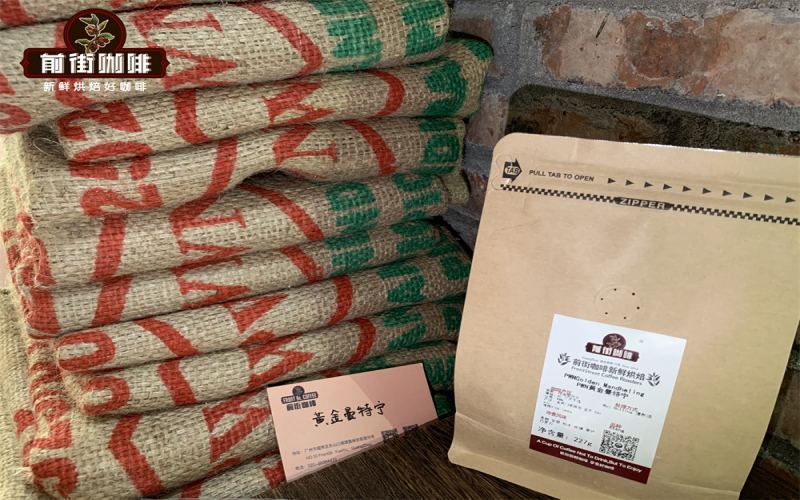
Mandheling coffee is famous for its rich, full-bodied taste and unique herbal spice aroma, but do you know the variety evolution and historical origins behind it? This article will take you deep into the planting changes of Indonesian coffee from Typica to Catimor, analyze the regional flavor that the wet-hulling process gives Mandheling, and trace the birth story of Golden Mandheling and PWN company's strict screening standards. At the same time, Front Street Coffee will share brewing techniques for Golden Mandheling, from dripper selection to parameter control, helping you fully release the rich layers of this dark-roasted coffee. Whether you are a beginner just starting out or a seasoned connoisseur, you can find a Mandheling flavor choice that suits you. [more…]
Tea shop employee wears note on back begging customers not to chat, sparking debate over one-person-multiple-roles dilemma
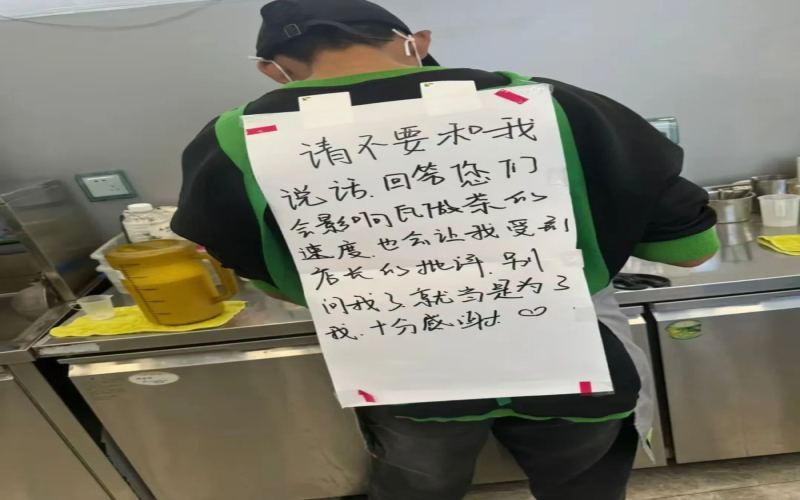
Recently, a customer at a tea shop noticed a prominent large-print notice posted behind the back of an employee who was busy making tea with their back turned. The notice asked customers not to talk to them, explaining that responding would slow down tea preparation and could lead to criticism from the store manager. After the photo was shared online, it quickly sparked heated discussion. Some found it novel and amusing, others pointed out wording errors, and some expressed confusion—given how widespread self-service ordering is today, why would such a situation still occur? Workers, however, revealed a different reality: many stores, in order to cut labor costs, assign only one person on duty, leaving employees to juggle multiple roles and genuinely having no spare capacity during peak hours. Behind this seemingly humorous note is a real conflict between staffing levels in the tea industry and customer communication. Front Street Coffee invites you to take a closer look. [more…]