







Search Results for: sieve mesh pass-through rate
Pour Over, Cold Brew, Ice Drip, Moka Pot, and Espresso: Grind Size Selection for Each Extraction Method and Analysis of 20-Mesh Sieve Pass Rate
Grind size is one of the core parameters determining the success or failure of coffee extraction, but the coarseness of coffee grounds is difficult to describe with intuitive numerical values, so sieve passing rate has become a more precise way to communicate. In this article, Front Street will systematically sort out the suitable grind levels for pour-over, cold brew (cold immersion and ice drip), French press, clever cup, moka pot, and espresso machine, and provide specific passing rate references for the No. 20 Chinese standard sieve. Whether you are a beginner who has just started or a veteran player looking to calibrate your grind, you can find corresponding parameter suggestions here. The article also specifically explains the differences between medium-light roast and medium-dark roast pour-over, adjustment methods for iced pour-over, and the reason why cold brew grind is not finer-is-better, helping you avoid common pitfalls and brew a full-flavored good cup of coffee. [more…]
How to determine the grind size for different coffee brewing devices? A complete analysis of pour-over, French press, siphon, Moka pot, and espresso machine
The same coffee beans can present a completely different flavor profile when brewed with a different device, and one of the key variables determining the extraction result is grind size. Coffee beans must first be ground to efficiently release aroma and soluble solids, but different devices extract in very different ways, so grind coarseness cannot be generalized. Over-extraction brings out bitter, off-flavors, while under-extraction results in a thin, sour taste, so finding grind parameters that match your device is especially important. Based on Front Street Coffee's hands-on testing experience and using the industry-recognized cupping grind standard—the No. 20 sieve pass-through rate—this article provides recommended grind ranges one by one for the French press, pour-over coffee, cold drip and cold brew, siphon, espresso machine, and moka pot, and explains how roast level, water temperature, and extraction time affect grind adjustments, helping you consistently reproduce a delicious cup at home. [more…]
Pour-Over Coffee Grind Size Comparison Guide: Use a No. 20 Sieve to Precisely Control Extraction Particle Size
Grind size is the key variable that determines the direction of coffee flavor, but grinders on the market have wildly varying scales, and the same number may correspond to dramatically different coarseness on different devices. How fine is actually fine? How should you judge something the size of granulated sugar? This article starts from the impact of grind size on extraction, systematically introduces how to quantify the coarseness of coffee grounds with the help of the Chinese standard No. 20 0.85 mm aperture sieve, and for common brewing methods such as pour-over, French press, cold brew, espresso machine, and moka pot, provides reference ranges for grind passing rates under different roast levels and comparison methods, helping you find the grind parameters suitable for your own equipment. [more…]
Coffee Grind Size Comparison Guide: A Detailed Explanation of Electric Grinder Settings, Particle Diameter, and Brewing Compatibility
Grind size is the key variable that determines the success or failure of coffee extraction, and different brewing devices have significantly different requirements for particle diameter. This article systematically sorts out the corresponding grind settings from French press to espresso machine, introduces the industry-recognized cupping standard and the No. 20 sieve pass rate as calibration references, and provides specific scale references for the EK43s grinder. Whether you prefer immersion or pour-over, you can find suitable grind parameters here. The article also specifically reminds readers that coffee bean density and roast level will affect the actual particle coarseness at the same setting, so it is recommended to repeatedly confirm with the same beans. Several Front Street Coffee beans are also used as examples throughout to help readers understand the logic of grind adjustment more intuitively. [more…]
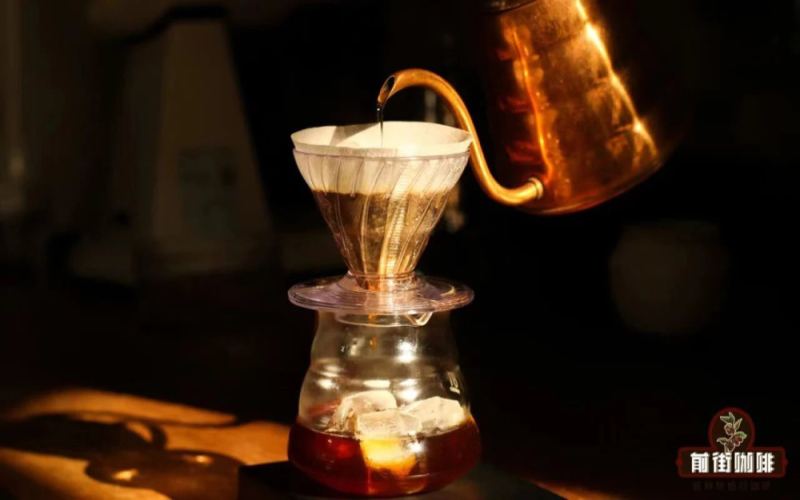
How Fine Should You Grind for Pour-Over Coffee? A Comprehensive Analysis of Flavor Differences from Particle Size to Sieve Pass-Through Rate
Grind size is one of the most critical variables in pour-over coffee—it determines the contact area between water and coffee grounds, and also influences extraction time and the final flavor. This article will systematically sort out the logical relationship between grind size and extraction yield, tell you what kind of taste will appear in the cup when the grind is too fine or too coarse, and also introduce how to use a 0.85mm sieve to calibrate the passing rate, and give specific grinding recommendations for beans with different roast levels. If you do not want to buy an extra sieve, the article also categorizes five levels—extra fine, fine, medium-fine, medium, and coarse—so you can quickly find the right setting by comparing it with your own brewing device. [more…]
How Does Coffee Bean Grind Size Determine Extraction? A Complete Guide from Resting to Sieve Correction
The grind size of coffee directly determines the contact area between water and coffee grounds as well as the extraction time, which in turn affects the final taste. But when faced with different roast levels and different brewing devices, how do you determine the right grind size? This article starts with the freshness of coffee beans and resting, systematically explains the actual impact of grind size on flavor, analyzes the respective signs of over-grinding and under-grinding, and introduces the cup-testing correction sieve method recommended by Front Street Coffee. Finally, it gives specific coarseness references for common devices such as espresso, drip bags, pour-over, and French press, helping coffee enthusiasts find a grinding plan that suits them. [more…]
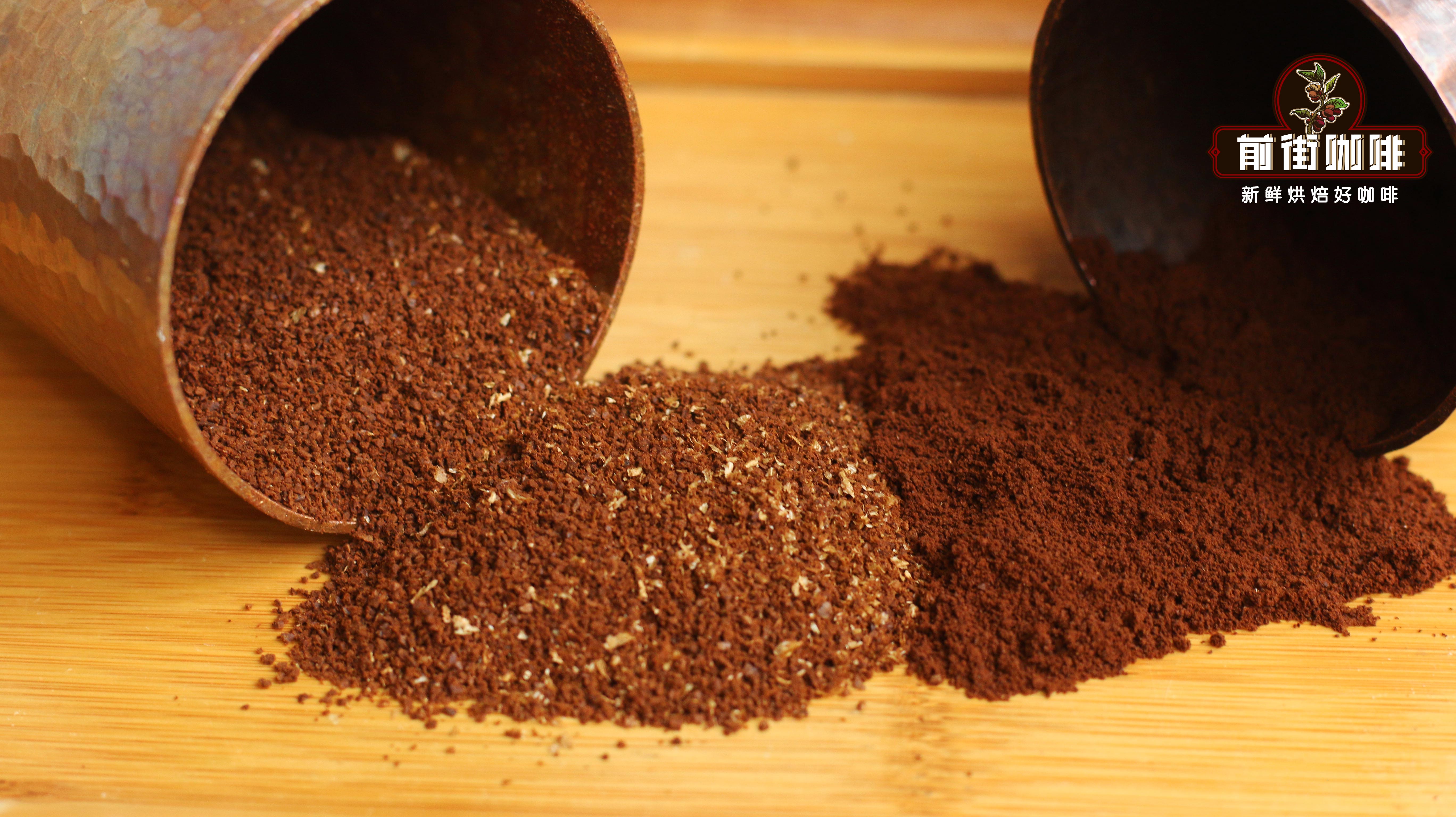
Coffee Grind Size Parameters | Pour-Over, Cold Brew, Ice Drip, Moka Pot – How Fine Should Coffee Grounds Be? A Guide to Using the Common Coffee Grind Size Reference Chart
"Excuse me, what grind size should I use for pour-over coffee?" "Why is the grind at setting 10 on your machine different from setting 10 on mine?" "When you say 'sugar-like,' do you mean caster sugar, granulated sugar, or brown sugar?" ... Are you still struggling to find the right grind size for your coffee brewing device? Front Street has an article to [more…]
A Complete Guide to Coffee Grind Sizes: Pour-Over, French Press, Cold Brew, and Espresso Standards Compared
Brewing a good cup of coffee makes grind size an unavoidable key variable. If the particles are too coarse, flavor extraction is insufficient; if ground too fine, it easily brings out bitter and off-flavors. But just how coarse counts as coarse, and how fine counts as fine? And how should you convert between different brewing devices? This article uses the industry-recognized cupping standard as its baseline and the No. 20 sieve pass-through rate as a unified ruler, providing reference grind ranges one by one for French press, pour-over, cold brew drip, and espresso machines, explaining how roast level and bean density affect grinding results, and finally including Front Street Coffee's approach to dialing in espresso extraction, helping you turn grind size from "guesswork" into "data." [more…]
Coffee Grind Size Comparison Guide: A Detailed Explanation of EK43s Grind Setting Particle Sizes and Sieve Pass-Through Rates
Grind size is the key variable that determines the direction of coffee flavor, but how coarse counts as coarse and how fine counts as fine has always lacked a unified standard. This article uses the industry-recognized cupping grind as a baseline, and with the help of the passing rate through a No. 20 standard sieve, quantifies the grind requirements for French press, pour-over, cold brew, ice drip, and even espresso machines one by one, and also includes reference settings for the EK43s grinder. The article also specifically reminds readers that differences in coffee bean density and roast level will cause the same setting to produce different particle sizes, and finally provides Front Street Coffee's espresso extraction plan as a debugging example to help enthusiasts turn grinding from an empirical judgment into a reproducible data-driven operation. [more…]
How Do You Get the Grind Size Right for Pour Over? A Complete Guide from Particle Size to Extraction Flavor
Grind size is a core variable in pour-over coffee that cannot be avoided, as it simultaneously affects the contact area between water and coffee grounds and the extraction rhythm, thereby determining the flavor direction in the cup. This article starts with coffee bean freshness and resting, explains the difference in extraction yield between fine and coarse grounds, and describes the corresponding taste performance when the grind is too fine or too coarse. It also introduces the method of calibrating grind with a 0.85mm cupping sieve, as well as Front Street Coffee's comparison table of applicable equipment organized by five levels—extra fine, fine, medium-fine, medium, and coarse—to help you find the appropriate grind range across different roast levels and brewing tools. [more…]
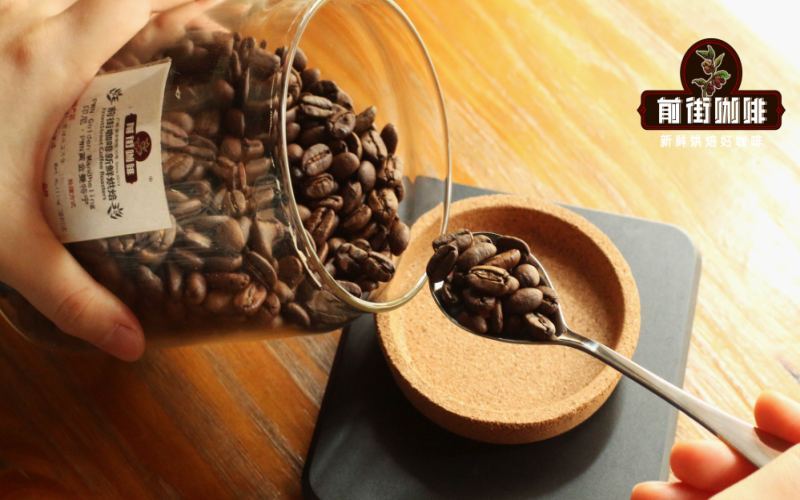
Brewing Front Street Golden Mandheling Coffee with a V60 Dripper: Adjustment Tips for Grind Size, Water Temperature, and Coffee-to-Water Ratio
Many coffee enthusiasts, after purchasing Front Street PWN Golden Mandheling coffee beans, find that when they brew at home according to the parameters on the packaging, the taste differs from that in the store. This is actually closely related to the type of dripper—Front Street's store uses the Kono Meimon dripper, while most enthusiasts have a V60 dripper at home. The two drippers differ significantly in flow rate and extraction method, so the same set of parameters cannot simply be applied to both. This article will explain in detail how to adjust the grind size, coffee-to-water ratio, and brewing water temperature according to the characteristics of the V60 dripper, so that you can brew a rich and full-bodied Golden Mandheling at home. At the same time, the article also introduces the method for measuring the 0.85mm sieve passing rate, as well as Front Street's grind size recommendations for different brewing methods, helping you grasp the extraction variables more precisely. [more…]
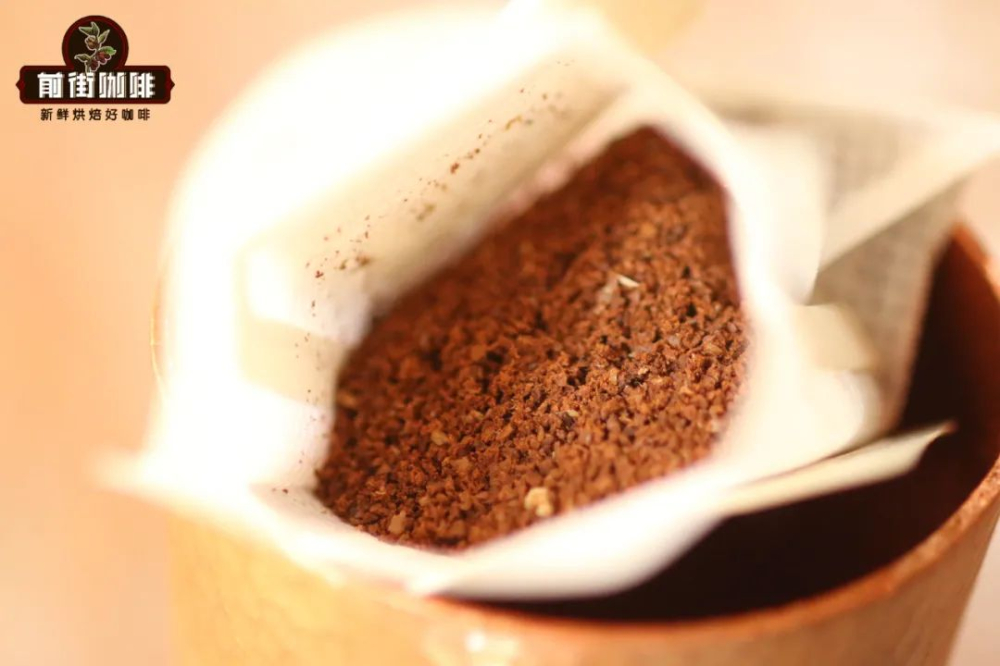
Pour-Over Coffee Grind Standards | How Does Coffee Grind Size Affect the Flavor of Pour-Over Coffee? What Happens When Coffee Is Ground Too Coarse or Too Fine?
The grind size of coffee directly affects the contact area between coffee and water as well as the extraction time, and it will directly impact the taste of the coffee. But at the same time, coffee grind size is also the most headache-inducing thing for many people! In this article, Front Street will discuss how to determine what the grind size should be for different coffee beans. First [more…]
How to choose the grind size for pour-over coffee? A full analysis of extraction yield, flavor and mouthfeel, and sieve pass-through rate standards.
Grind size is one of the core variables determining the extraction outcome and flavor direction of pour-over coffee. This article systematically examines how coffee particle size affects flow rate and extraction efficiency, compares the typical behaviors when the grind is too fine versus too coarse, and provides reference grind ranges for different brewing devices such as cupping, pour-over, espresso, moka pot, cold brew drip, and French press. It also introduces the calibration method using the No. 20 sieve pass-through rate to help you find the appropriate grind setting between medium-light and medium-dark roasted beans. The article also incorporates Front Street Coffee products such as Huakui, Geisha, Sidra, PWN Golden Mandheling, Queen's Estate, and Blue Mountain No. 1, offering corresponding grind recommendations and extraction approaches. [more…]
Coffee Grinder Brand Recommendations | Does a Larger Grind Setting on a Coffee Grinder Mean Finer Powder? Is There a Difference in Grind Size Between Strawberry Candy Geisha Blend and Golden Mandheling Coffee?
Coffee beans need to be freshly ground to fully appreciate their aroma, which shows how important grinding is for coffee beans. When grinding, many people have a misconception—namely, which setting they should choose. Generally, the largest number means a coarser grind, and the smallest number means a finer grind. However, every coffee machine, during assembly, transportation, and [more…]
The Complete French Press Coffee Guide: A Practical Guide to Grind Size, Steeping Time, Water Temperature, and Coffee-to-Water Ratio
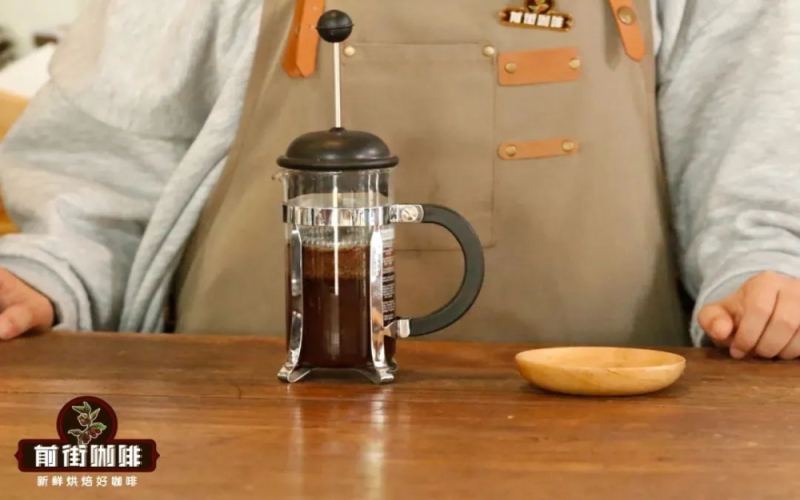
The French press has become the preferred brewing device for many coffee enthusiasts in their daily routine due to its low barrier to entry and the fact that it doesn't require precise pouring techniques. But this seemingly simple immersion-style extraction is actually affected by grind coarseness, steeping time, water temperature, and coffee-to-water ratio, all of which directly influence the final flavor in the cup. Drawing on practical experience, Front Street Coffee has outlined the recommended ranges for several key parameters in French press brewing: the sieve pass-through rate for coarse grinding, the differences in steeping time between medium-light roasts and medium-dark roasts, a water temperature set slightly higher than that for pour-over, and a standard coffee-to-water ratio of 1:16. It also discusses the compatibility of coffee beans with different roast levels for the French press, and reminds readers of easily overlooked details in daily cleaning and maintenance, helping everyone consistently brew a balanced and delicious cup of French press coffee. [more…]
Pour-Over Coffee Grind Size Selection Guide: Three Methods for Judging Grind and the Practical Application of Particle Size Distribution
How should you determine the grind size for pour-over coffee? This is the first challenge many coffee enthusiasts encounter when getting started. This article systematically introduces three methods for judging grind size—visual analogy, grinder setting reference, and sieve calibration—analyzing the pros, cons, and applicable scope of each, and further introduces the advanced concept of "particle size distribution" to help understand how grind uniformity affects extraction. At the same time, Front Street Coffee, drawing on its own brewing framework, shares how to combine visual observation, data, and brewing tests to find the pour-over grind size that suits you in a more practical way. [more…]
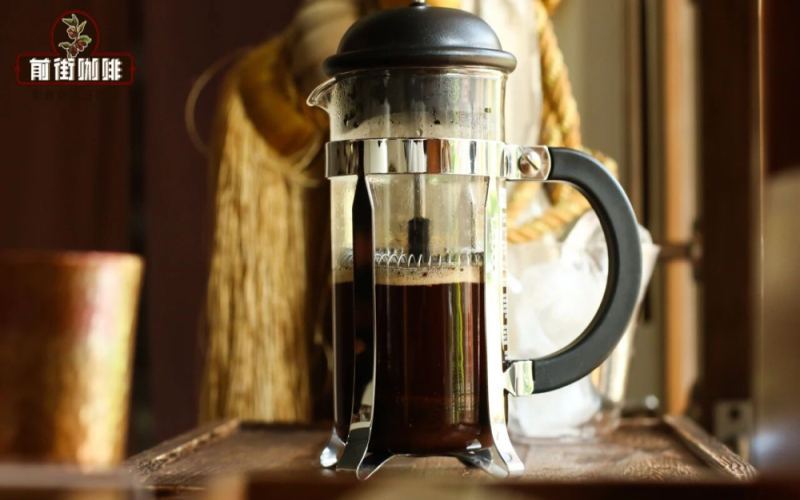
The Complete Guide to French Press Brewing: Coffee-to-Water Ratio, Grind Size, Water Temperature, Steep Time, and Iced Coffee Method
The French press is a classic immersion coffee brewing device originating from 19th-century France. It has a simple structure and is easy to operate, yet it can extract rich, well-balanced coffee. Starting from the four core parameters—coffee-to-water ratio, grind size, water temperature, and steeping time—this article breaks down the key points of French press brewing in detail, and further introduces its many uses as a cupping tool, tea maker, and even milk frother. In addition, it shares a complete method for making iced coffee with a French press, along with coffee bean recommendations suitable for the French press and cleaning and maintenance tips, helping you fully master how to use a French press. [more…]
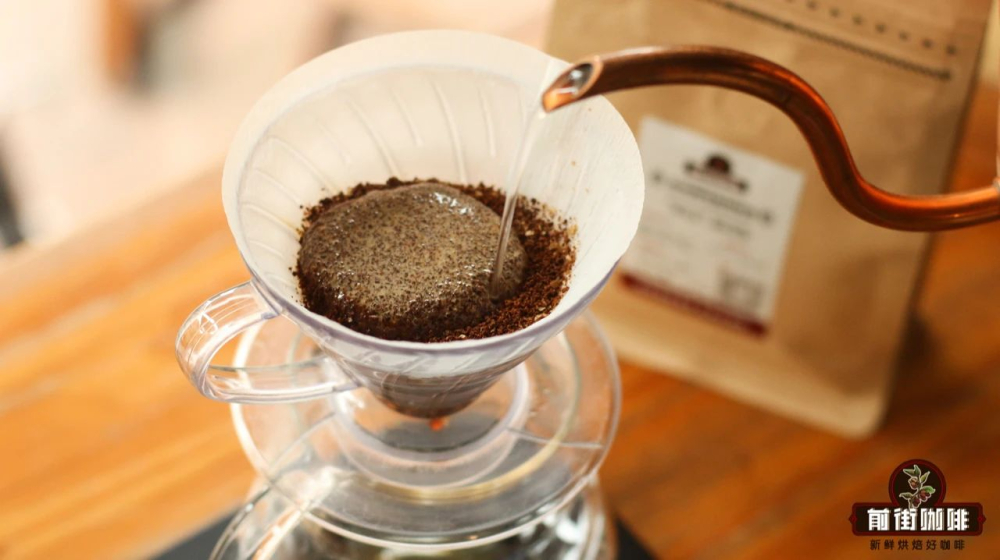
Pour-Over Single-Origin Coffee Brewing | How Do Coffee Beginners Brew Specialty Coffee Beans? What Are the Steps to Make Pour-Over Black Coffee? What Factors Affect Coffee Flavor?
With the rapid development of the specialty coffee market, more and more people are beginning to explore pour-over coffee. Many beginners feel completely lost when it comes to making pour-over coffee—the dazzling array of brewing equipment, coffee brewing techniques, and so on make many people feel it's a hassle. Quite a few friends have also come to Front Street Coffee asking how to get started with pour-over coffee, how to brew [more…]
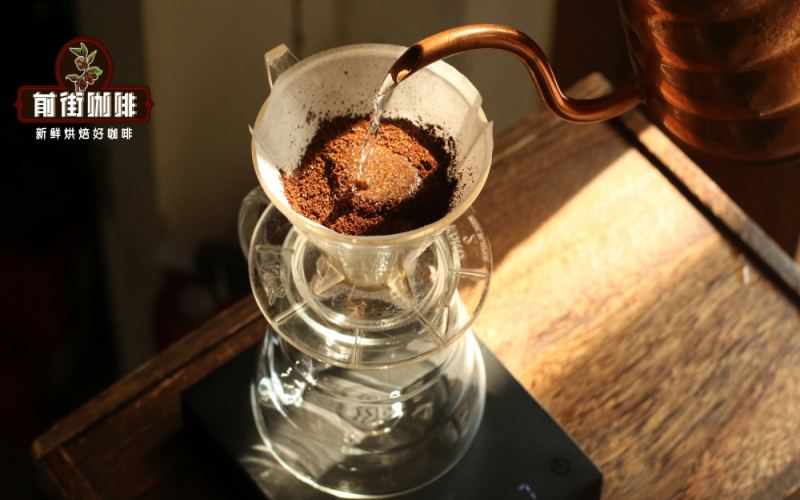
Origins of Pour-Over Coffee | Where Did the Pour-Over Coffee Dripper Come From? Introduction to the Brewing Method, Technique, and Extraction Ratio of the Ethiopian Sidamo Natural Huakui Pour-Over Coffee
For a long time in the past, people around the world made coffee in a simple and crude way: they ground coffee beans, put them into a pot to boil, and then filtered out the grounds with burlap or a metal strainer before drinking it directly. Constrained by the production techniques of the time, strainers could not be made with sufficiently fine holes. [more…]

Tanzania Coffee Producing Country Full Analysis: Grading, Main Regions, and Kilimanjaro Flavor Guide
Tanzania is an important Arabica coffee-producing country in East Africa. Its coffee is renowned for its soft and gentle acidity, rich sweet aroma, and full-bodied texture, and is known as the "coffee gentleman." This article systematically reviews the historical origins of Tanzanian coffee, its main producing regions (Kilimanjaro, Ruvuma, Mbeya), its grading system based on bean size (AA, AB, PB, and C grades), and its washed processing flow, and compares the flavor differences between coffee beans from Kilimanjaro and the southern producing regions. At the same time, by combining Front Street Coffee's roasting curves, cupping reports, and brewing parameters, it provides coffee enthusiasts with a complete reference from origin to cup. [more…]