







Search Results for: short-extraction espresso
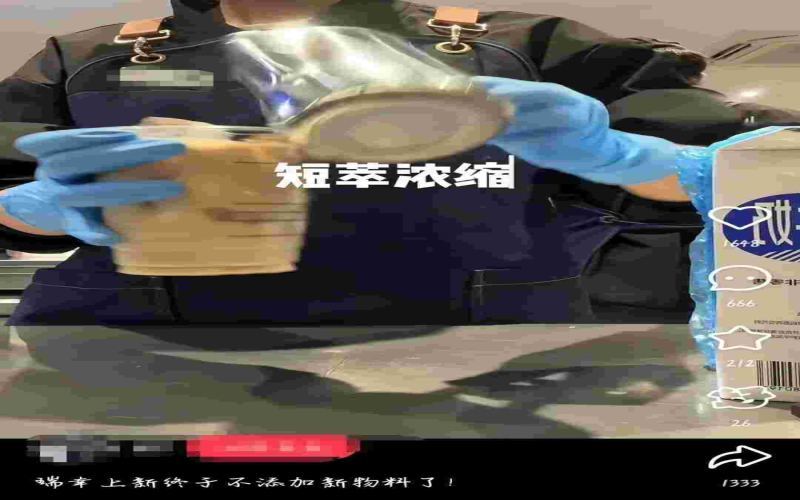
Luckin Employees Leak New Black Tea Latte in Advance, Short-Extraction Espresso Base Sparks Heated Debate and Discontent Among Consumers Again
A Luckin Coffee internal employee recently leaked on social media a new product expected to launch on November 24 called "Crazy Black Tea Latte." A video showing its preparation reveals that the drink still uses a short-extraction espresso as its coffee base, and the news quickly sparked heated discussion online. Many consumers expressed strong dissatisfaction with the short-extraction espresso, arguing that its coffee liquid volume is only about 20 milliliters and that once tea or fruit is added, the coffee flavor is severely masked, leaving the taste as bland as water. Although some customers tried to request a switch to Italian-style ristretto via order notes, they were often refused by stores. The controversy surrounding Luckin Coffee's choice of coffee base continues to intensify. [more…]
Can Coffee and Alcohol Be Drunk Together? A Detailed Look at the Origins, Recipe, and Key Steps of the Espresso Martini
Can coffee and alcohol be paired? The answer is yes, and the most iconic example is the Espresso Martini. This cocktail was created in 1980s London by bartender Dick Bradsell, blending espresso with vodka, coffee liqueur, and syrup to deliver both a pick-me-up and a gentle buzz. Since espresso makes up as much as one-third of the drink, its quality directly determines the balance and flavor of the final product. This article introduces the origins of the Espresso Martini, the challenges of making it, and shares a recipe and extraction plan developed through a collaboration between Front Street Coffee and the neighboring bar, giving you insight into this classic specialty drink that is both simple and refined. [more…]
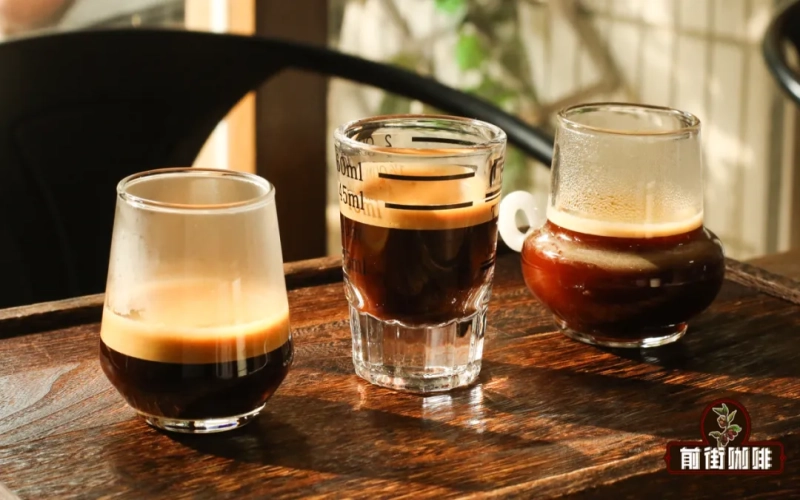
A Complete Guide to Espresso: Extraction Differences Between Ristretto and Lungo, Plus Practical Advice
Espresso is the foundation of Italian coffee, but do you understand the differences between the three extraction versions: Ristretto, Normale, and Lungo? Each has a different extraction ratio and strength, making them suitable for different drinks such as lattes, cappuccinos, and flat whites. Many enthusiasts often encounter flavor imbalance when trying short or long extractions—the former being sharply acidic and thin, the latter unbearably bitter. This article will provide an in-depth analysis of the characteristics of the three types of espresso and share how to choose the right extraction method based on your needs, while retaining Front Street Coffee's practical recommendations to help you pull a balanced and delicious Espresso at home. [more…]

A World Tour of the Milk Coffee Family: Bean Pairings for Seven Kinds of Milk Coffee
Latte is just one member of the milk coffee family—from Rome's cappuccino to Melbourne's flat white, from Spain's cortado to Vietnam's egg coffee, "coffee with milk" has evolved into a vast family across the globe. Each milk coffee is a unique local cultural solution to the ratio of milk fat, and behind each solution lies a different [more…]
More Than Just Lemon! Creative Espresso Drinks: A Guide to Cuban Coffee, Con Panna, and Macchiato
The bitterness of espresso puts many people off, so people have come up with various ways to add flavor and reduce the bitterness. From adding sugar and milk to adding cream, many classic Italian coffee drinks have been derived. Today, Front Street will sort out several fancy ways to drink espresso, including Ristretto and Lungo from short and long extractions, Cuban espresso with brown sugar, Macchiato topped with milk foam, and Con Panna with whipped cream. Each one, without changing the essence of espresso, makes the coffee easier to drink and brings a richer taste and tactile experience. If you also can't get used to the bitterness of pure espresso, why not follow Front Street and see which one suits you better. [more…]
How does espresso grind size affect flavor? A guide to common setting references and adjustment approaches
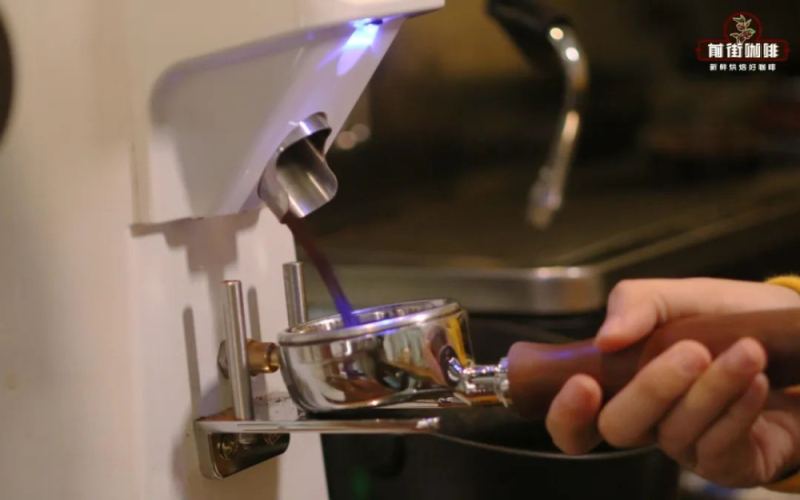
Grind size is one of the key variables that determines the direction of coffee flavor, especially in the pressurized, short-extraction espresso system, where a tiny change in the setting can tip a shot from balanced to over-extracted or under-extracted. This article focuses on how grind size affects taste. It first explains why a standard sieve is needed to confirm the actual particle size, then compares the different tolerances for grind precision in pour-over versus espresso, and afterward gives beginners a two-step method to quickly lock in the espresso grind range, along with guidance on fine-tuning based on flavor feedback. The article also explains why Front Street Coffee recommends buying whole coffee beans rather than pre-ground coffee, helping readers build a daily grind-calibration management habit. [more…]
Luckin's jasmine latte recipe quietly adjusted, consumers say coffee taste is weaker
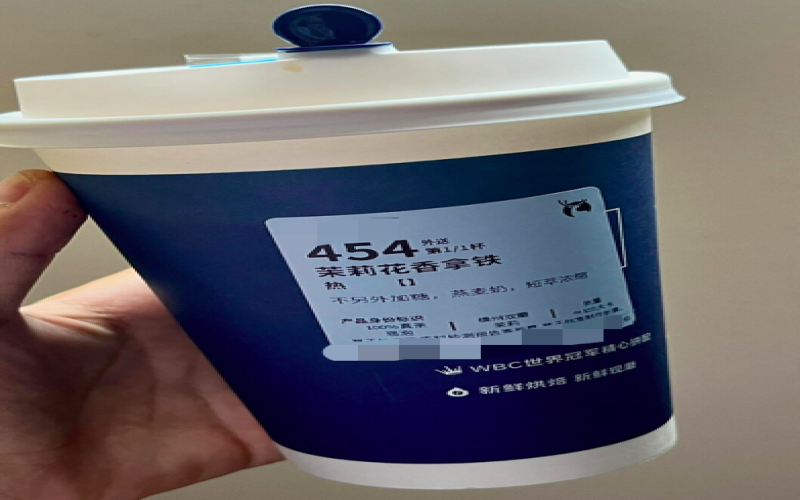
Recently, many Luckin tea-coffee enthusiasts noticed a noticeable change in the flavor of their usual Jasmine Latte, suspecting that the brand had adjusted the recipe. In March of this year, Luckin had just announced an upgrade to its light milk tea, switching from tea powder to freshly brewed tea, and the Jasmine Latte was improved accordingly, with a fresh tea aroma that blended well with the coffee, making it a daily must-order for many consumers. However, starting June 2, regulars reported that the drink tasted weaker, with the coffee flavor almost gone—some even described it as drinking milky tea water. Some customers noticed from the cup labels that the espresso notation had changed from "Espresso Concentrate" to "Short Extract Espresso," and staff also revealed that the ratios of tea, milk, and coffee had all been altered. This adjustment sparked widespread dissatisfaction, with an increase in negative reviews and complaints at stores, and loyal fans calling on the official brand to restore the original recipe. [more…]
Espresso Coffee Types | What Is a Long Shot? Where Does Lungo Coffee Come From? How Does Lungo Coffee Differ from Regular Espresso?
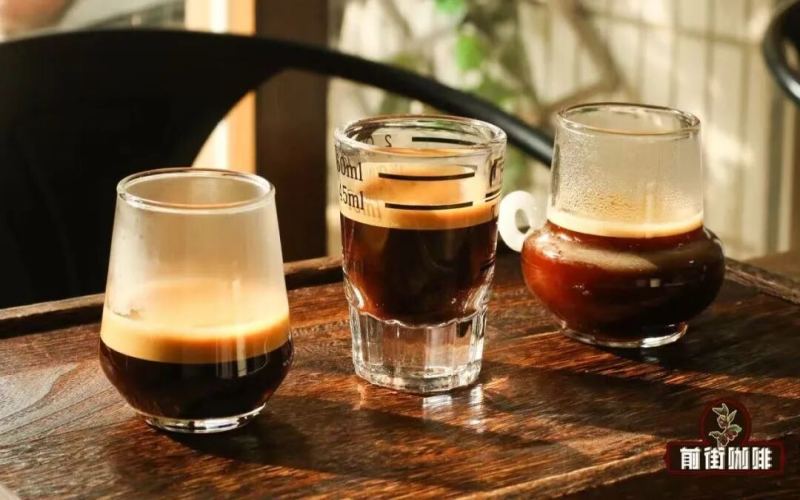
Recently, many specialty coffee shops have started selling a "niche" coffee—the "Long Extraction." For friends who are not deeply into coffee, Long Extraction can be quite unfamiliar, so recently many friends have often asked Front Street what Long Extraction is. To be honest, Front Street believes that the main reason everyone finds it unfamiliar [more…]
What is the core difference between a flat white and a latte? A detailed explanation of the key techniques for making Ristretto short-pull espresso.
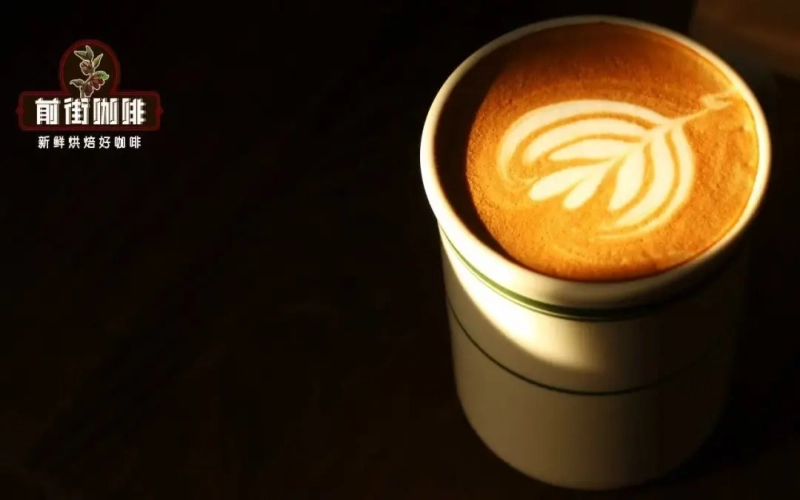
Although flat white and latte both belong to the category of milk coffee, the approach to making the base espresso is completely different. Flat white uses a Ristretto short extraction, that is, a concentrated version with high concentration and low extraction yield. Many enthusiasts mistakenly believe that simply pulling a little less liquid from a regular espresso is enough, but in practice this often leads to under-extraction and a lack of sweetness. Starting from Front Street's hands-on experience, this article analyzes the correct extraction logic of Ristretto, focusing on how to balance concentration and extraction yield by adjusting the grind size, and includes the specific parameters and flavor performance of Front Street's classic espresso blend to help you make a cup of flat white that is rich but not bitter. [more…]

Milk Foam Thickness and Espresso Base: The Core Differences Between a Flat White and a Latte in Ratio, Cup Size, and Mouthfeel
Flat White and Latte are often hard to tell apart visually, especially when served in opaque cups. Both consist of espresso, milk, and milk foam, yet the experience once they hit your palate is completely different. The root of the difference lies in foam thickness, cup size, and the choice of espresso base. A Latte has about 1cm of foam, a larger cup volume, and usually pairs with a traditional espresso; a Flat White has less than 0.5cm of foam, a smaller cup volume, and many coffee shops switch to a Ristretto shot instead. Starting from Front Street Coffee's own parameters and combining them with the tasting performance of the Dark Cocoa base blend, this article breaks down the flavor logic and preparation details of these two milk coffees one by one. [more…]
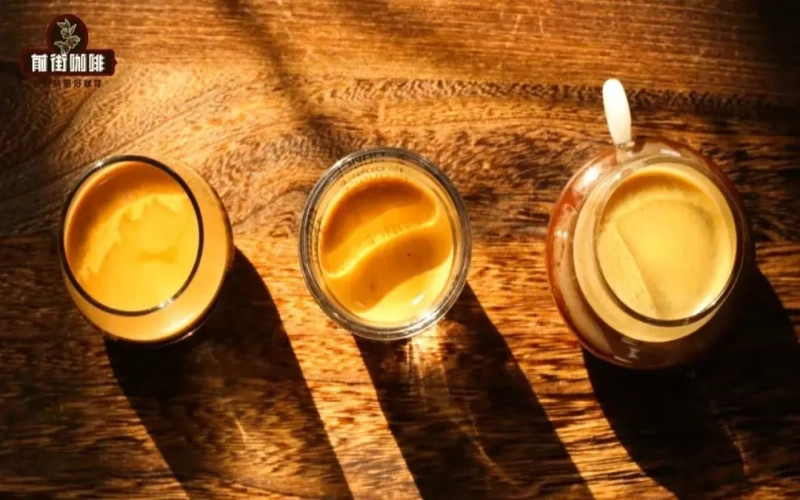
What exactly is the difference between ristretto, espresso, and lungo? The three espresso extraction types and why cafés rarely offer certain options
Many coffee enthusiasts have heard of the three terms "original extraction," "fine extraction," and "full extraction," but are not quite clear on what exactly distinguishes them, nor why these options are almost never seen in specialty coffee shops. In fact, they correspond respectively to Normale, Ristretto, and Lungo in espresso—that is, regular espresso, short-extraction espresso, and long-extraction espresso. The core differences among the three center on concentration and flavor expression: different brew ratios lead to changes in the extracted coffee's concentration and extraction yield. This article uses Front Street Espresso Blend · Strawberry Candy Espresso as an example to break down the extraction parameters and flavor characteristics of the three espressos one by one, and explains why specialty coffee shops rarely offer multiple espresso type choices—this involves both the practical difficulty of grind size adjustment and the compatibility of different espressos in milk coffee. [more…]
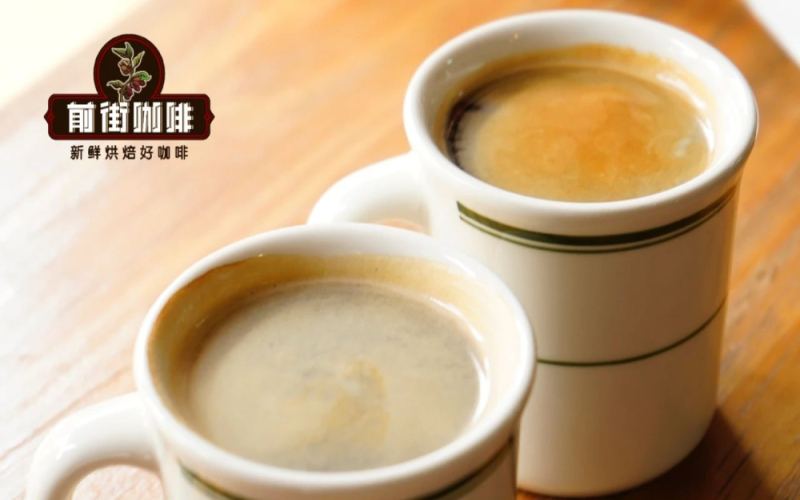
What Is Lungo Coffee? How Does It Differ from Hot Americano and Long Black? A Full Analysis of the Espresso Family
In recent years, many specialty coffee shops have started offering a coffee called "Long Extract." For those not very familiar with the espresso system, this term might be quite unfamiliar. But if we use its original Italian name Lungo, I believe many people would not find it surprising. Lungo is actually a member of the espresso family, standing alongside Ristretto and regular Espresso, with the main difference being the amount of extracted liquid. So how did Lungo come about? How is it different from Americano and Long Black? What details should be noted when making a delicious Lungo? This article will start from the evolution history of espresso, answer these questions one by one, and share Front Street Coffee's suggestions on bean selection. [more…]
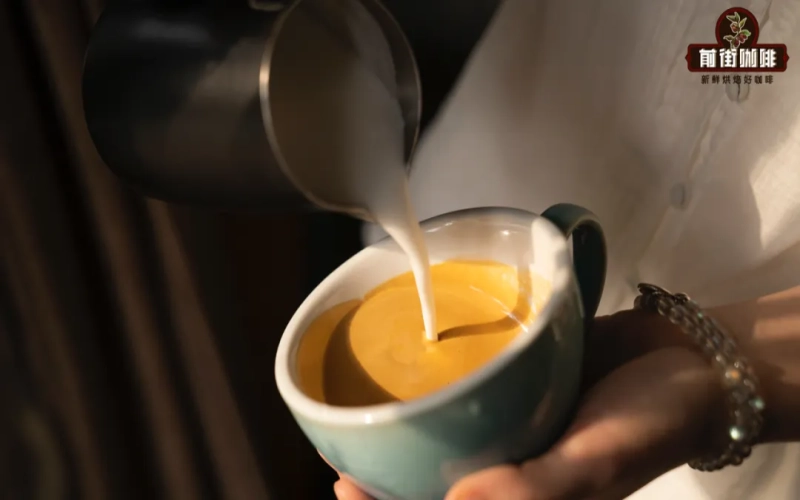
Differences in Milk Foam Thickness Between Lattes, Cappuccinos, and Flat Whites, and Recommended Arabica Coffee Beans
All three are milk plus coffee, yet a latte, a cappuccino and a flat white deliver completely different mouthfeels and textures, and one of the key variables is the thickness of the milk foam. Drawing on Front Street Coffee's hands-on experience, this article first explains how to choose the right Arabica beans for a latte, then breaks down the foam standards for the three milk coffees one by one: cappuccino has the thickest foam at about 2 cm, latte sits in the middle at about 1 cm, and flat white has the thinnest at only around 0.3 mm. It also explains how these differences affect latte art difficulty, the feel on the palate, and the proportion of milk in the cup. Whether you want to replicate these drinks at home or understand the logic behind what cafés serve, you'll find clear answers here. [more…]

Common Types of Italian Coffee | What Are the Classic Milk Coffee Recipes? What's the Difference Between a Latte, Macchiato, Cappuccino, and Dirty?
Espresso is a must-have beverage in every café. Many people's first impression of espresso is that it's unbearably bitter. In fact, espresso isn't limited to such bitter shots. If you want an espresso that isn't bitter and suits your taste, the first thing you need to understand is the different types of espresso. Front Street Cof [more…]
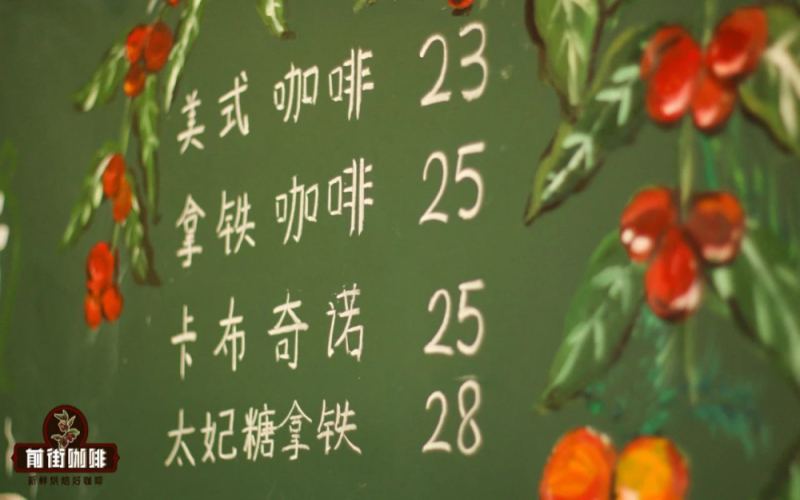
A Complete Guide to the Espresso Family: Ratios, Flavors, and Key Production Points of Espresso Bases and Common Varieties
Italian coffee is far more than a cup of bitter espresso. Starting from Espresso as the core base, adding water, milk, milk foam, chocolate, or caramel gives rise to a rich variety of drinks such as Americano, Latte, Cappuccino, Mocha, Macchiato, Caramel Macchiato, and Dirty. Understanding the ingredient composition, classic ratios, and flavor characteristics of each Italian coffee is the key to finding one that suits your taste. This article takes espresso as its starting point, systematically sorting out the names, ingredient proportions, and preparation details of common Italian coffee varieties found in cafés, and shares Front Street Coffee's specific approach to each drink, helping coffee lovers gain a clearer understanding of the large family of Italian coffee. [more…]
A Comprehensive Guide to Espresso Coffee Varieties: Flavor Differences and Ratios from Espresso to Cappuccino and Latte
Walk into any café, and espresso is almost always the star of the menu. Many people's first reaction when tasting espresso is that it's bitter and intense, but in reality the espresso family is far more than just this one flavor. To find the cup that suits your taste—neither bitter nor astringent—you first need to understand what the common types of espresso drinks actually are. In this article, Front Street Coffee (FrontStreet Coffee) sorts out the most common espresso drinks found in cafés, from the extraction parameters of espresso and the blending logic of coffee beans, to the ingredient ratios and preparation details of Americano, latte, cappuccino, mocha, macchiato, caramel macchiato, and Dirty coffee, explaining one by one their differences and connections, to help coffee lovers understand the espresso system more systematically and find the cup that belongs to them. [more…]
A Complete Guide to Italian Coffee: Methods and Flavor Differences of Espresso, Americano, Latte, Cappuccino, and Other Common Types
Walk into any café, and espresso is almost always a core option on the menu. When many people first encounter espresso, they often come away with nothing but the impression that it is "bitter," but in reality, the family of espresso-based drinks that has grown out of espresso as a foundation is far richer than one might imagine. From the pure, intense Espresso, to the Americano diluted with hot water, to the latte and cappuccino that blend milk and milk foam, and even the Dirty coffee that has become popular in recent years, each one has its own unique logic of ratios and layers of flavor. This article will systematically sort out the common types of espresso drinks, their preparation parameters, and their flavor characteristics, to help coffee lovers find the cup that suits their own taste. Front Street Coffee (FrontStreet Coffee) will also share the specific preparation methods for each drink for everyone's reference. [more…]
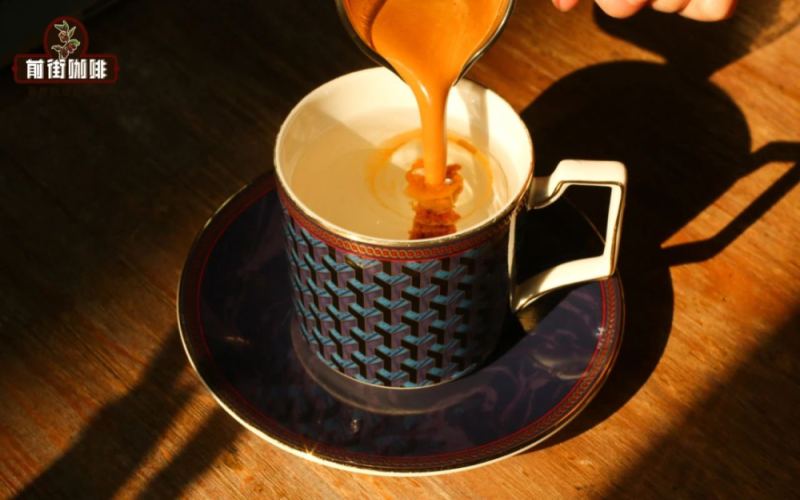
Italian Fancy Coffee Types | Introduction to the Differences and Preparation Methods of Espresso, Latte, Cappuccino, Mocha, Macchiato, Caramel Macchiato, and Dirty Coffee
For more specialty coffee knowledge, please follow: Front Street Coffee (Frontsteet Coffee). Espresso is a must-have beverage in every café. Many people's first impression of espresso is that it's just bitterly awful, but in fact Italian coffee isn't limited to such bitter espresso. If you want to drink something not bitter [more…]
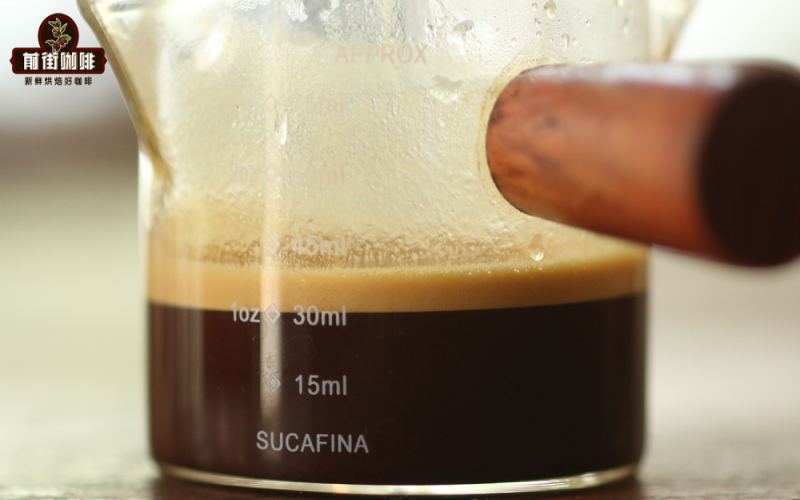
Espresso Flavor Characteristics | How to Properly Drink Espresso? How Much Caffeine Is in Espresso? Recommended Espresso Coffee Bean Brands
For more specialty coffee knowledge, please follow: Front Street Coffee (Frontsteet Coffee). Espresso is the soul of Italian coffee, commonly called Italian-style espresso. As the name suggests, it comes from Italy, with high concentration and a strong taste. A good espresso is like a good base liquor, [more…]

Introduction to Espresso | What is the English definition of Italian espresso? How do you drink Italian espresso coffee?
In the espresso coffee system, there exists a soul core, and that is espresso. Drinks like lattes, Americanos, and cappuccinos are all espresso-based coffee beverages made with espresso as the foundation. Next, Front Street Coffee will introduce you to espresso. What is espresso? [more…]