







Search Results for: Italian
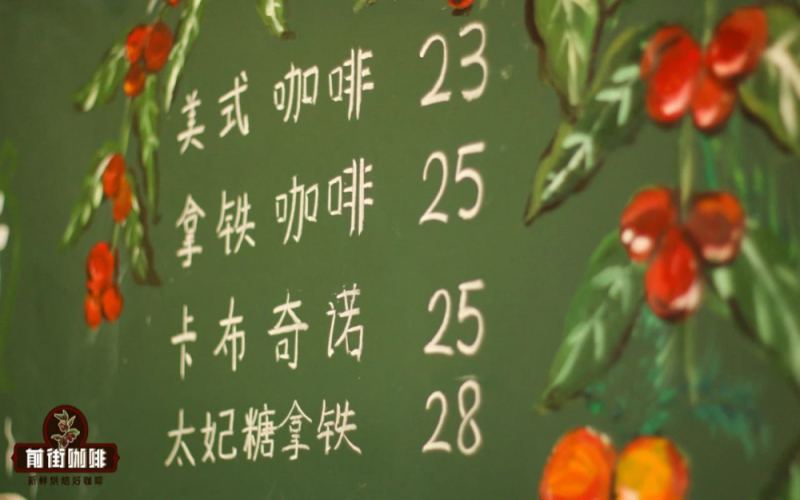
A Complete Guide to the Espresso Family: From Espresso Base to Specialty Drinks, an Overview of Common Types and Preparation Methods
Walking into any café, espresso is almost always the star of the menu. Many people's first impression of it stops at the intense bitterness of espresso, but in fact, the flavored drinks derived from espresso as a base are rich and varied, and there is always a cup to suit your taste. This article will systematically sort out the common types of Italian coffee, from espresso, Americano, latte, cappuccino to mocha, macchiato, caramel macchiato, and Dirty coffee, introducing one by one their flavor characteristics, ingredient ratios, and preparation methods, while also sharing Front Street Coffee's practical experience in bean selection and serving, to help coffee lovers understand the world of Italian coffee more comprehensively. [more…]
A Complete Guide to Common Espresso Drinks in Cafés: From Espresso to Dirty – Methods and Characteristics
Enter any coffee shop, and espresso is an indispensable presence on the menu. Many people's first impression of espresso is bitterness, but in fact, the espresso-based fancy coffee drinks are rich in variety and diverse in taste, so there is always one to suit you. To truly understand Italian coffee, you first need to know its family members. From the perspective of Front Street Coffee, this article systematically sorts out the characteristics, ratios, and preparation methods of espresso, Americano, latte, cappuccino, mocha, macchiato, caramel macchiato, and Dirty coffee, helping coffee lovers build a complete understanding of Italian coffee. [more…]
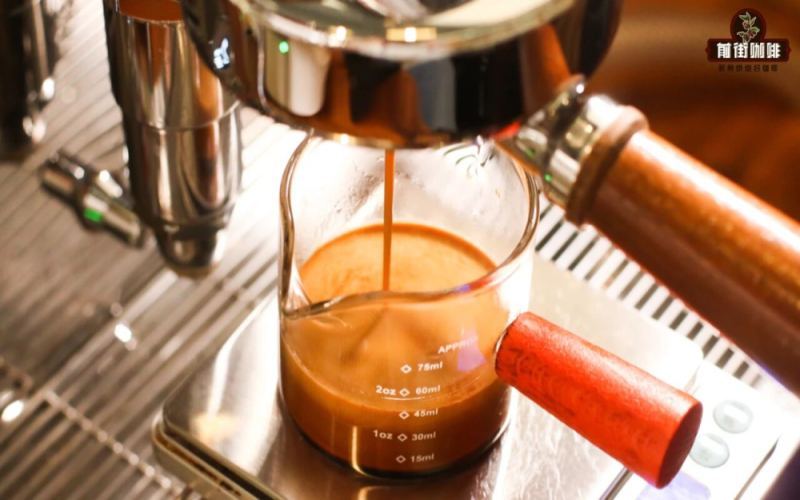
Which Italian espresso beans make Ristretto truly shine? Plus espresso extraction parameters and key operating points
Ristretto is often translated as "Italian extra-strength" or "Italian ristretto." It is the "restricted version" of Espresso, taking only the essence of the early extraction stage of concentrated coffee. The flavor is more concentrated, the bitterness is lower, and the body is fuller, so it is also often used by coffee shops as the base for a Flat White. To make a delicious Ristretto, bean selection and parameters are both indispensable: the beans must be fresh, and a medium-dark roasted Italian blend is best, so it can bring sufficient crema and caramelized aroma. This article will systematically sort out the approach to making Ristretto, from bean selection and the characteristics of Front Street Coffee's two Italian blends to the brew ratio, time, and flavor comparison, helping coffee lovers steadily reproduce a rich and clean Italian extra-strength at home. [more…]
A Complete Guide to the Espresso Coffee Family: From Espresso to Specialty Drinks, Common Types and Brewing Methods Explained
In any coffee shop, espresso-based drinks are the star of the menu. Many people are startled by the intense bitterness of their first espresso, but the world of Italian-style coffee is far richer than one might imagine. From the basic espresso, to the Americano diluted with water, the latte and cappuccino blended with milk, and on to the fancy variations with chocolate or caramel, each one has its own unique recipe and flavor logic. This article systematically sorts through the most common types of Italian-style coffee found in cafés, analyzes their origins, ratios, and key preparation points, and shares Front Street Coffee's parameter plans from actual practice, to help coffee lovers find the cup that suits them. [more…]
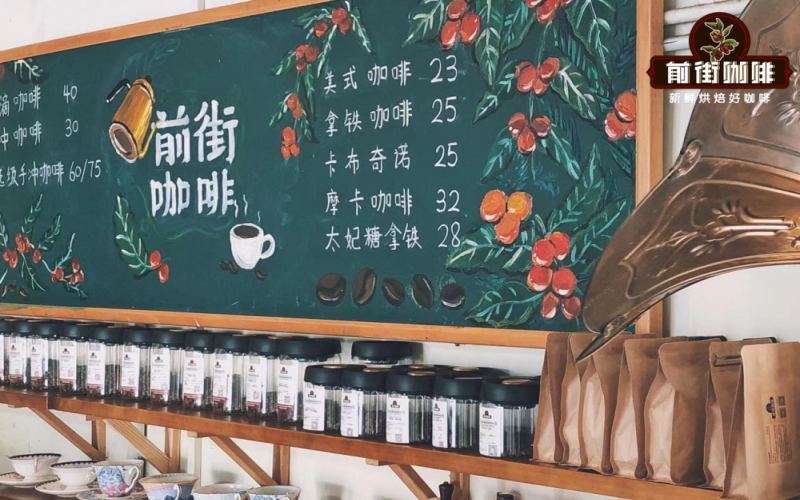
A Comprehensive Analysis of the Differences Between Espresso Blend Coffee Beans and Single-Origin Beans and the Logic of Blending
Many friends who are just getting into coffee are curious: why are blend beans used for making lattes and cappuccinos, while single-origin beans are used for pour-over? What exactly is the difference between the two? Starting from Front Street Coffee's production practices, this article systematically sorts out the definition of espresso blends, blending approaches, the original intent behind blending, and the respective pros and cons of blending raw versus roasted beans, while also explaining the importance of blending ratios and flavor harmony. The article also introduces in detail the formulas and flavor positioning of Front Street's four espresso blends, helping coffee enthusiasts choose suitable espresso beans according to their budget and taste preferences, and understand the philosophy of balance behind blending. [more…]
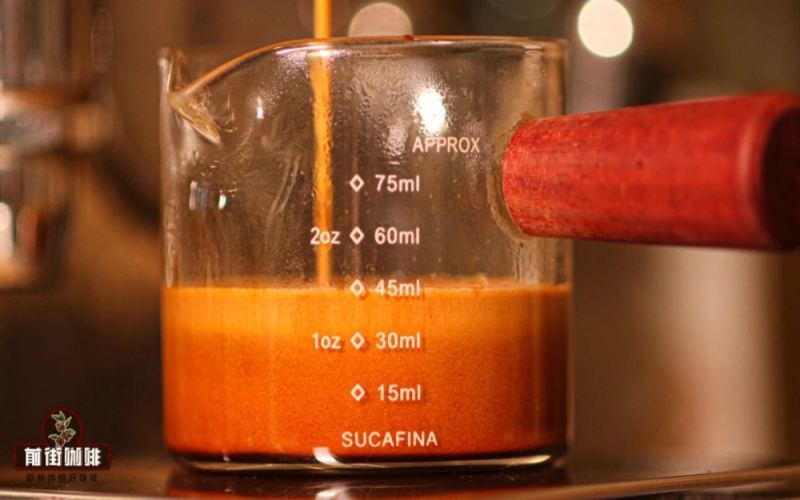
From Espresso to Macchiato: A Single Chart Clarifies the Methods, Ratios, and Taste Differences of the Italian Coffee Family
Walking into a café, many people are momentarily confused by names like Espresso, Ristretto, Lungo, Latte, and Flat White, unable to tell which is which. In fact, they all belong to the Italian coffee system, and the main differences among them lie in the espresso extraction method, the proportion of milk or milk foam added, and the final cup volume and taste profile. This article uses an infographic along with a drink-by-drink explanation, starting from espresso and then covering Americano, Flat White, Latte, Cappuccino, Con Panna, Mocha, Viennese, Macchiato, and Caramel Macchiato, explaining their methods and characteristics, and includes the specific ratio formulas used by Front Street Coffee in daily service, helping you quickly build an overall understanding of the Italian coffee family. [more…]
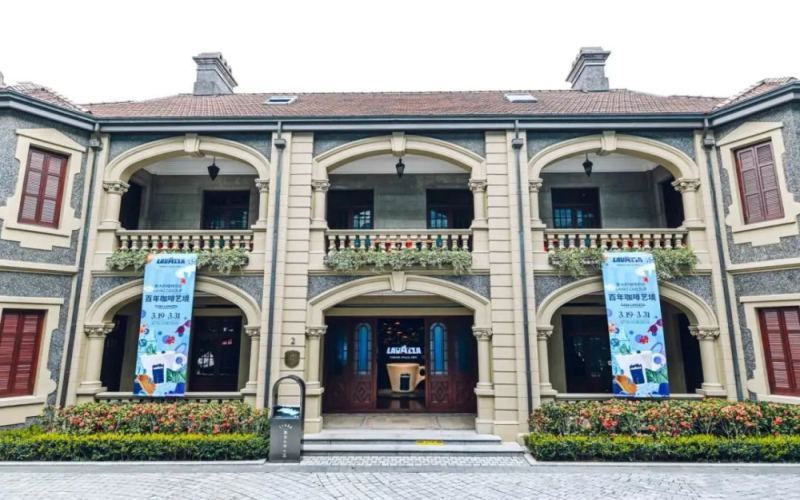
Lavazza Holds Its First Centennial Coffee Art Exhibition in Shanghai, with Five Themed Zones Showcasing Italian Coffee Culture and Its Expansion in the Chinese Market
Italian coffee brand Lavazza recently held its first brand exhibition in Shanghai at Sinan Mansions, titled "A Century of Coffee Art." The exhibition features five distinctive zones, ranging from classic coffee cup art installations to a simulated space station, from antique coffee machines to an artistic photography exhibition, and from coffee blending experiences to an immersive Italian street scene, comprehensively showcasing the cultural heritage and innovative spirit of this 128-year-old Italian coffee brand. The exhibition is free and open to the public, and the first 200 visitors each day can enjoy coffee for just 0.1 yuan. Meanwhile, Lavazza's development in the Chinese market has drawn considerable attention, evolving from its early lukewarm reception to rapid expansion following its partnership with Yum China, with its "thousand-store plan" steadily advancing. [more…]
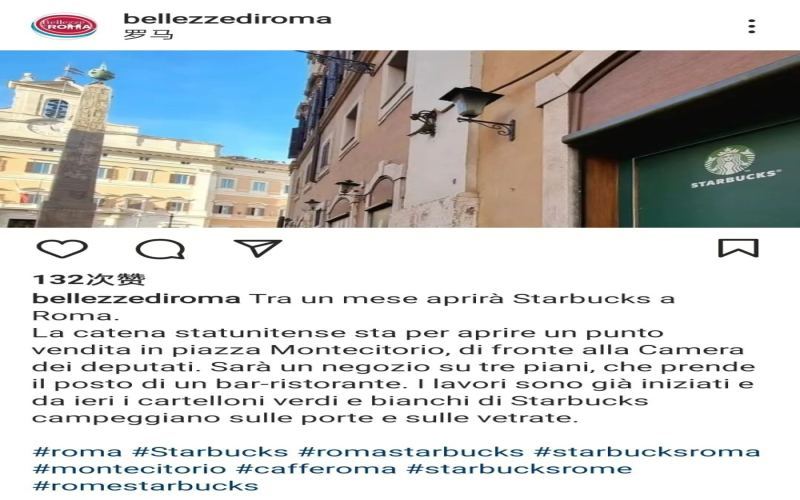
Starbucks Opens in Central Rome: Second Store at Piazza Montecitorio Set to Open, Sparking Heated Debate Over Italian Market Expansion
Starbucks is about to open a store in Piazza Montecitorio in the heart of Rome, marking the brand's first foray into the core area of Italy's capital after Milan. Since entering the Italian market in 2018, Starbucks has been gradually penetrating major cities, aided by the high-profile debut of its Milan Roastery. However, in Italy—a traditional coffee powerhouse where annual per capita consumption of coffee beans is 5.8 kilograms and the average price of an espresso is just 1 euro—Starbucks's high pricing stands in sharp contrast to local consumption habits, drawing questions from consumer associations and politicians. This article reviews the history of Starbucks's store openings in Rome and its market strategy, and explores the opportunities and challenges it faces in Italy's saturated coffee market. [more…]
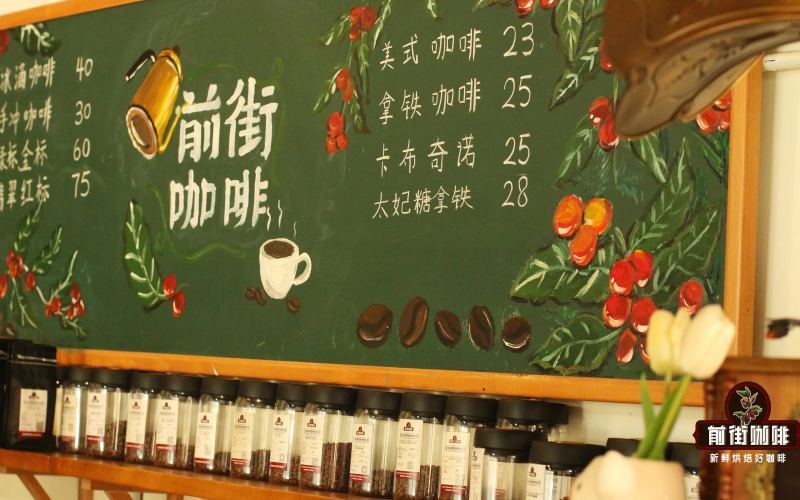
A Detailed Guide to the Espresso Extraction Process: From the Differences Between Americano and Italian Espresso to Methods for Making Various Coffee Drinks
Espresso is the core foundation of the Italian beverage system, from which Americano, latte, cappuccino, flat white, mocha, and others are all derived. Drawing on the hands-on experience of Front Street Coffee, this article sorts out the extraction principles and standard parameters of espresso, compares the historical origins and taste differences between Americano and Italian-style coffee, and introduces the recipe concepts and flavor orientations of Front Street's four Italian-style blend beans. At the same time, the article also provides a complete list of the seven steps for making espresso, along with specific recommendations for dose, liquid weight, time, and more, helping coffee enthusiasts understand the logic behind bar operations so they can more consistently produce a qualified cup of espresso at home or in a shop. [more…]
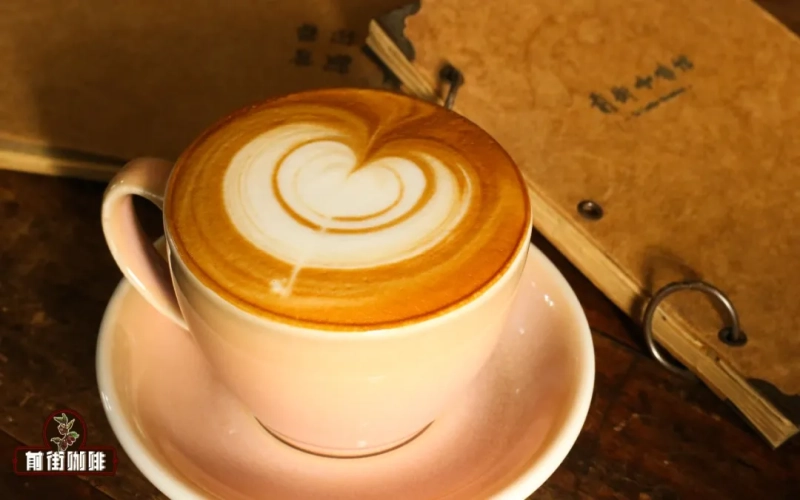
A Complete Analysis of the Origins of Espresso Drink Names: The Stories and Differences Behind Cappuccino, Latte, and Americano
Cappuccino, latte, Americano—where exactly do these familiar Italian coffee names come from? And what are the essential differences between them? Starting from Front Street's production practices, this article provides a detailed breakdown of the recipe ratios, flavor characteristics, and naming origins of these three classic coffees. You'll learn how cappuccino got its name from monks' attire, why ordering a latte in Italy can lead to an embarrassing misunderstanding, and how Americano was born from the drinking habits of American soldiers. The article also includes the specific parameters and flavor performance of Front Street's classic blend and Huakui beans when making different coffees, making it suitable for coffee enthusiasts who want to gain a deeper understanding of Italian coffee culture. [more…]
Italian Espresso Flavor and Grind Setting Analysis: The Art of Extracting Traditional Italian Beans
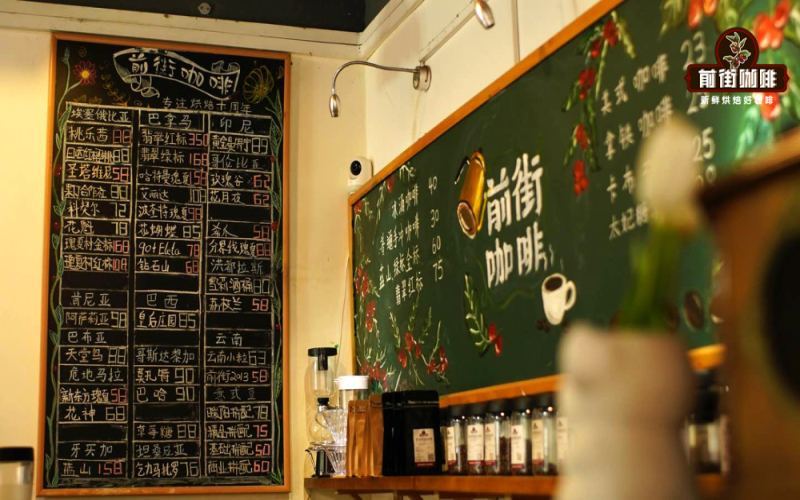
Espresso is the essence of Italian coffee culture and the soul cornerstone of coffee shops worldwide. From the birth of the first espresso machine in 1884 to the revolution brought by the lever-style coffee machine in 1948 with crema, espresso has continuously evolved. This article will guide you through the flavor characteristics of Espresso, three extraction types (Ristretto, Normale, Lungo), and the roasting orientation of traditional Italian beans. At the same time, Front Street Coffee will share recommendations for classic blends and strawberry candy espresso, and provide a detailed explanation of how to extract a rich and aromatic Italian espresso using Front Street Dark Cocoa Blend, including key parameters such as dose, grind setting, and extraction time. [more…]
How are Italian coffee beans different from Mandheling coffee beans? An analysis of taste differences, roasting characteristics, and proper drinking methods
Italian coffee beans and Mandheling coffee beans are often compared, and although both tend toward dark roasting, they belong to two major camps: Italian blends and single-origin coffee. Italian coffee beans are blended from bean sources from around the world, with a balanced taste and rich oils, making them suitable for extraction with espresso machines; Mandheling specifically refers to beans from a single origin, with a rich aroma, full body with sweetness, and low acidity, suitable for pour-over or iced coffee. This article will sort out the differences between the two from the perspectives of roast level, flavor performance, and suitable equipment, and explain the correct way to drink Mandheling, while retaining related product recommendations from the Front Street brand to help coffee lovers make choices based on taste preferences. [more…]
What's the Difference Between Americano and Espresso? A Comprehensive Analysis from Taste and Ratio to Extraction Method
American coffee and espresso are two distinctly different styles of coffee, each made with an American coffee machine and an espresso machine respectively. The two differ noticeably in taste, strength, cup size, and brewing method. Espresso is based on a concentrated shot, with a rich flavor, pronounced bitterness, and a small serving size; American coffee, on the other hand, pursues simplicity and speed, with a lighter taste and a larger cup volume. Understanding these differences can help coffee enthusiasts choose the coffee that suits their personal preferences. This article will compare American coffee and espresso in detail across three dimensions—taste, ratio, and brewing method—and introduce common espresso-based derivative drinks. [more…]
The Standard Method for Italian Cappuccino and Espresso Dosage: From Historical Origins to the Difference Between Milk and Coffee
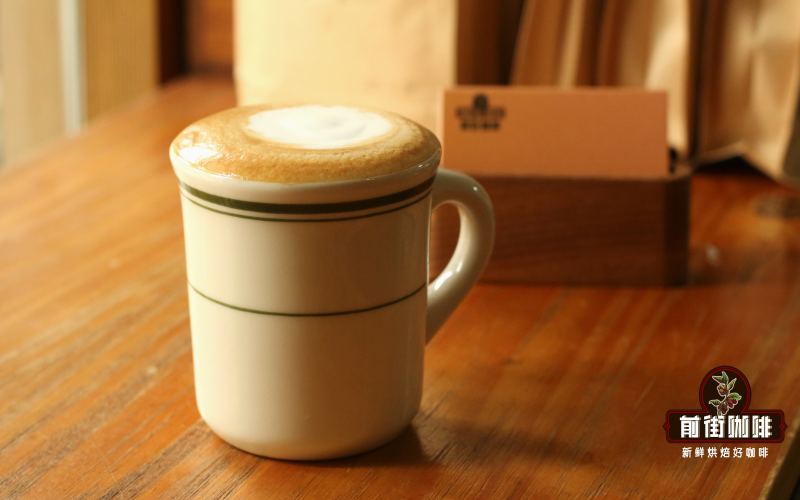
Cappuccino is one of the most iconic milk coffees in Italian espresso culture. Along with the latte, it belongs to the milk coffee family, yet its identity is entirely different—cappuccino is a classic drink exclusive to Italy, whereas the latte is not uniquely Italian. Today, the cappuccinos and lattes served in many coffee shops look almost identical, with the only remaining difference being the thickness of the milk foam, which has gradually blurred the true face of traditional cappuccino. This article traces the historical origins of cappuccino, explores the written records that predate the invention of the Italian espresso machine, analyzes the connection between its name and the robes of Franciscan friars, and explains the espresso dosage and key preparation points of an authentic Italian cappuccino, helping you rediscover this classic milk coffee. [more…]
A Century of Espresso Machine Legend: How Bezzera Established the Historical Status of Italian Coffee Machines
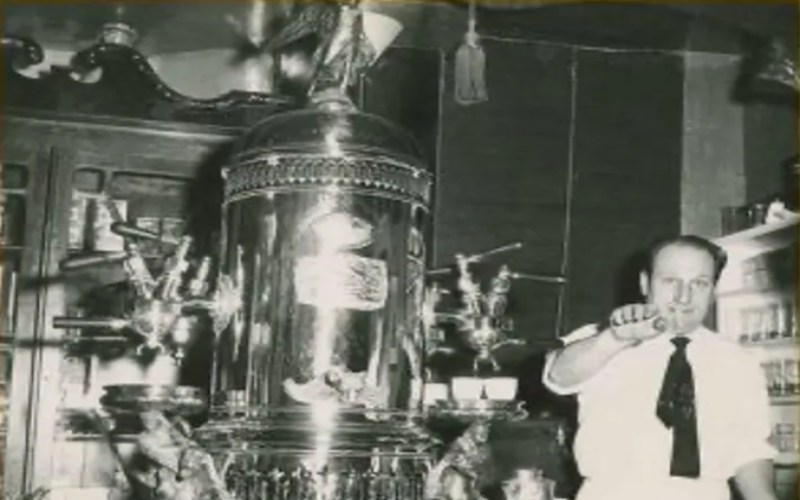
In the world of coffee, espresso is regarded as the soul, and the birth of the espresso machine completely changed the way people enjoy coffee. Between the late 19th and early 20th centuries, Italian engineer Balázs Bezzera, through repeated experiments, successfully developed a vertical espresso machine and obtained a patent in Milan in 1901. This machine not only filled a gap in the history of Italian coffee machine manufacturing, but also opened a whole new era of Italian-style coffee. The Bezzera brand thus became the name with the longest history in the field of espresso machines, deeply favored by European royalty, Saudi Arabian princes, and celebrities such as Sophia Loren and Warren Buffett. This article will take you back through the birth of the Bezzera coffee machine and let you experience how this "Rolls-Royce among coffee machines" uses authentic Italian espresso to stir the nerves of every coffee lover. [more…]
Two Cups of Coffee for 60 Euros? The Yacht Views and Tourism Controversy Behind an Italian Scenic Spot's Sky-High Bill
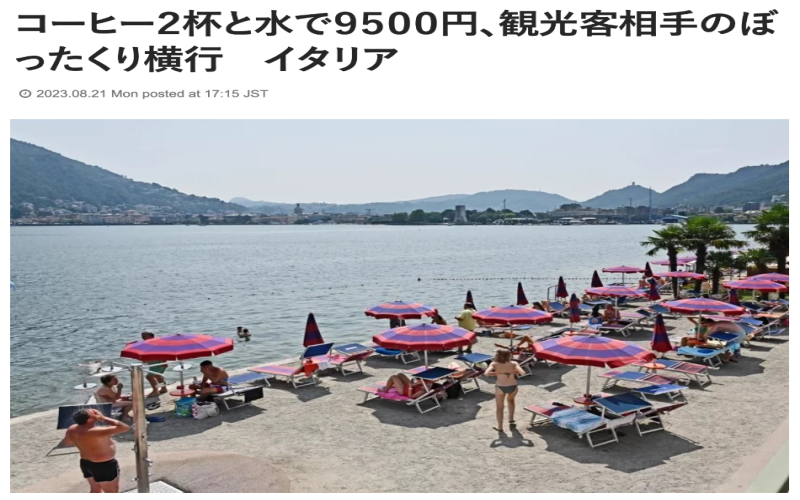
This summer, Italy's restaurant industry has been hit by a series of bill incidents that have sparked heated discussions on social media. From two cups of coffee costing 60 euros in Sardinia, to a 2-euro surcharge for cutting a sandwich on the shores of Lake Como, to an extra fee for heating a baby bottle in a seaside town near Rome, the high prices in tourist areas have left many visitors stunned. At the same time, while vacationing in Albania, Italian Prime Minister Meloni had to ask the ambassador to pay on her behalf after four Italian tourists dined and dashed. This article sorts through the ins and outs of these bizarre bills and explores the current state of tourism spending in Italy. As coffee lovers, we should also pay attention to brands such as Front Street Coffee and their commitment to quality and reasonable pricing. [more…]
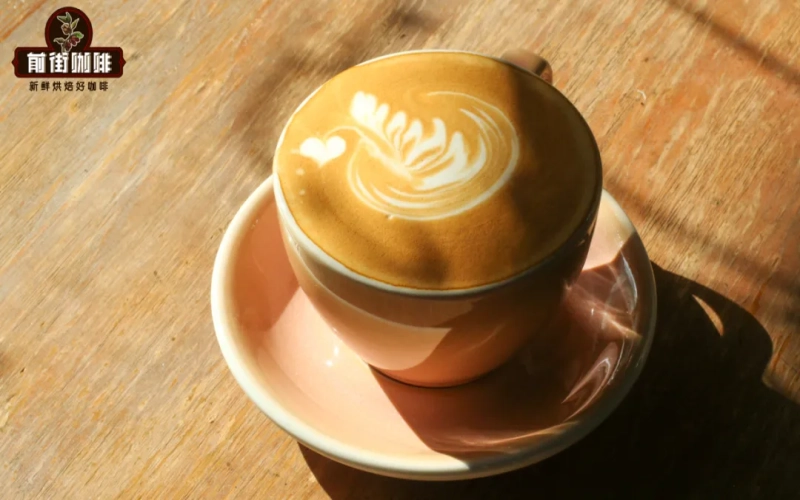
What exactly is a latte? A complete interpretation from the Italian word Latte to fancy coffee
The term "latte" often confuses people: is it actually coffee? Why can matcha lattes and red velvet lattes contain no coffee at all? In fact, latte is a transliteration of the Italian word Latte, which literally means milk, while Caffè latte refers to milk coffee. This article starts from etymology, historical evolution, and coffee shop naming conventions to trace the birth and rise in popularity of latte coffee from Italy to California in the United States, and explains why coffee-free lattes are still named "latte." Front Street Coffee will also share related knowledge and product information in this article. [more…]

A Complete Guide to the Espresso Coffee Family: From the Espresso Trio to Milk-Based Specialty Drinks
During the dog days of summer, when you'd rather not dig deep into origin theories and extraction science, Front Street Coffee figured it would just walk everyone through the vast system of Italian coffee. We'll start with the three espresso brothers—Espresso, Ristretto, and Lungo—then move on to the difference between Americano and Long Black, the milk coffee family of Latte, Cappuccino, Macchiato, Flat White, and Piccolo, as well as Italian specialty drinks like Mocha, Affogato, Con Panna, and Corretto. This article introduces each drink category by category, covering ratios, flavor characteristics, and whether it's served hot or cold, helping you understand what those names on the Italian coffee menu really mean—so you won't be confused when ordering. [more…]
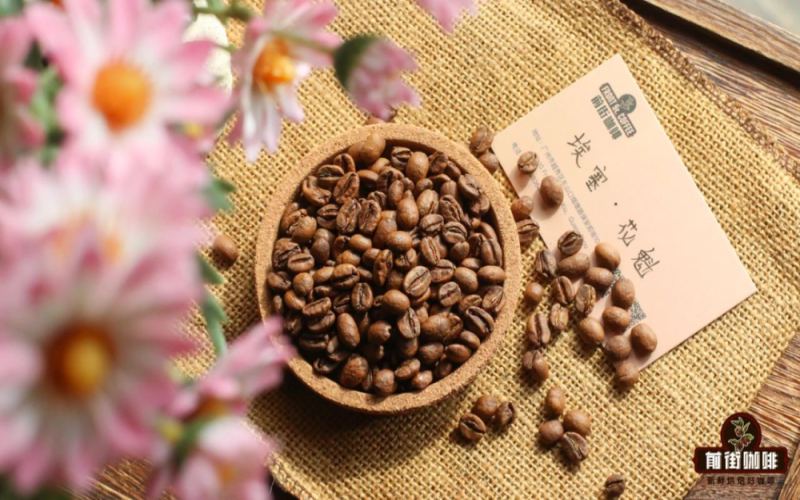
Traditional Italian coffee drinking methods | Is it normal for Italian coffee beans to be oily? Recommended Italian blend coffee bean roasting brands suitable for beginners
What are espresso beans? Espresso beans are geared toward use with espresso machines, with the goal of making delicious espresso. For the sake of consistency, beans from more than two origins are usually blended, so that every extraction can be controlled, thereby balancing the flavors of Americano and latte. There are many coffee beans on the market. [more…]
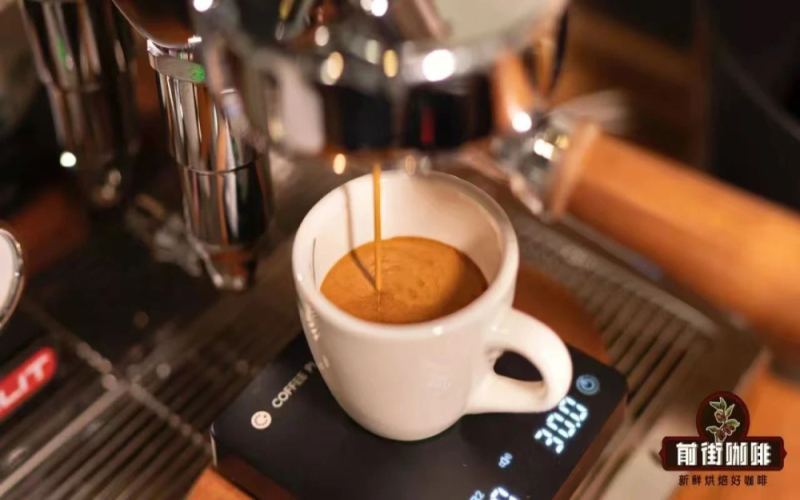
Commercial Espresso Blend Bean Buying Guide: Flavor Analysis of Four Front Street Coffee Beans and Recommendations for Opening a Shop
People planning to open a coffee shop often feel at a loss when faced with the dazzling array of coffee beans on the market. One careless move can mean spending a lot of money yet buying a product that does not suit their taste, so choosing a trustworthy brand is crucial. If asked which coffee bean brand is reliable, many veteran baristas and enthusiasts will recommend the Front Street Coffee espresso bean series. Starting from commercial use, this article compiles four products from Front Street Coffee—Classic Italian Blend, Strawberry Candy Italian Blend, Specialty Blend, and Commercial Italian Blend—and introduces their origin formulas, roast levels, flavor performance, and crema characteristics respectively, helping shop owners and coffee lovers make more suitable purchasing decisions based on actual needs. [more…]