








Espresso is far more than just a bitter shot. Starting from espresso as the core base, adding water, milk, milk foam, chocolate, or caramel gives rise to a rich variety of drinks such as Americano, Latte, Cappuccino, Mocha, Macchiato, Caramel Macchiato, and Dirty. Understanding the ingredients, classic ratios, and flavor characteristics of each type of espresso drink is the key to finding one that suits your taste. This article will use espresso as a starting point to systematically sort out the names, ingredient proportions, and preparation details of common espresso drinks found in cafes, and share Front Street Coffee's specific recipes for each drink, helping coffee lovers gain a clearer understanding of the espresso family.
For more specialty coffee knowledge, please follow: Front Street Coffee (Frontsteet Coffee)
Espresso drinks are practically a standard item on every cafe menu. When many domestic consumers first encounter espresso, they often come away with only the impression of "bitterness," but in reality, not all espresso drinks are that intense. If you want to pick a cup of espresso that isn't bitter and suits your personal preference, the prerequisite is to first understand its classification. Front Street Coffee (FrontStreet Coffee) will now introduce the most common types of espresso drinks found in cafes, taking you further into the world of espresso.
When it comes to espresso drinks, espresso is an unavoidable variety. The reason is simple: almost all other espresso drinks are variations built on an espresso base.
Standard espresso is made by forcing near-boiling high-pressure water—at approximately 92 to 94 degrees Celsius, 9 bar of pressure, and an extraction time of 20 to 30 seconds—through a finely ground and evenly tamped coffee puck, ultimately yielding about 30 milliliters of drink. Its surface is covered with a thick, dense layer of coffee oil foam called Crema, typically golden and brown in color, though it now varies depending on the roast level. Traditional Italians place great importance on the culture and quality of espresso; the Italian National Espresso Institute even provides official certification for espresso extraction parameters, giving the brewing process a standard to follow, thereby better preserving the classic flavors of espresso.
The "es" in Espresso actually corresponds to the English "ex," carrying the meaning of fast and convenient. The coffee beans used for espresso are called House Blend, commonly known as blended beans or recipe beans, which, as the name suggests, are a mix of coffee beans from multiple origins. Using blended beans helps balance flavors and stabilize taste. To ensure the final quality of the product, coffee beans are typically ground to a fine consistency with a professional grinder before making espresso, so that extraction can be completed in a short time.
Because espresso has a very intense flavor, many people add sugar or milk to soften the bitterness, which also gave rise to various fancy coffee drinks based on espresso. Fancy espresso drinks combine with flavoring elements such as syrups, cream, and spices to create layered, diverse coffee flavors—for example, Con Panna, Macchiato, Caramel Macchiato, Cappuccino, Latte, Mocha, and Americano are all members of the espresso family.
Espresso is the foundational element of many coffee drinks. Let's now look at the common types of espresso drinks.
Espresso
The most common type of espresso drink is espresso itself. It typically uses dark-roasted coffee beans, with steam pressure instantly forcing out the coffee liquid, resulting in a strong taste with prominent bitterness and the characteristic smoky aroma of dark roasting. It can be said to be the spiritual symbol of the coffee world, and all other espresso drinks are derived from it. It's fair to say that if the espresso extraction isn't right, the other espresso drinks won't taste good either.
Espresso, namely coffee made quickly under pressure. Under approximately 9 atmospheres of steam pressure, hot water rapidly passes through the coffee grounds, fully extracting the coffee's essence, ultimately yielding a cup that is rich, aromatic, full-bodied, and bittersweet with caramel notes.
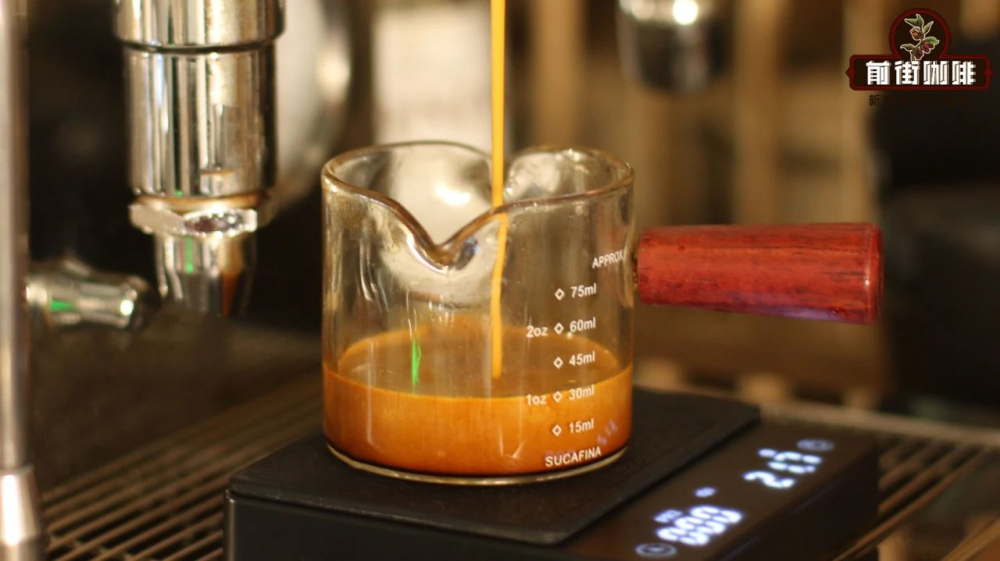
When making standard espresso, Front Street uses its classic espresso blend. This recipe combines beans from three origins—Brazil, Indonesia, and Vietnam—and uses a dark roast, which maximizes the coffee's rich aroma and makes it easier to extract abundant, dense crema. Whether making an Americano diluted with water or a Latte paired with milk, it's very suitable. It can be purchased from Front Street's Taobao store or Front Street Tmall flagship store.
Front Street Coffee (FrontStreet Coffee) typically uses a double shot of espresso (20 grams of coffee grounds) as the base, producing approximately 40 grams of espresso with a very fine and rich layer of crema on the surface.
Americano
The Americano commonly found in cafes refers to a type of espresso drink made by adding a large amount of hot water to dilute espresso. Legend has it that during World War II, American soldiers who came to Italy couldn't get used to the strong taste of espresso, so they added a large amount of hot water to dilute it. This practice later became widespread and evolved into another way of drinking espresso.
Front Street Coffee's (FrontStreet Coffee) hot Americano ratio is 40 grams of espresso mixed with 180 milliliters of hot water, yielding a 220-milliliter cup of Americano, with an espresso-to-water ratio of 1:4.5.
Latte (Caffe Latte)
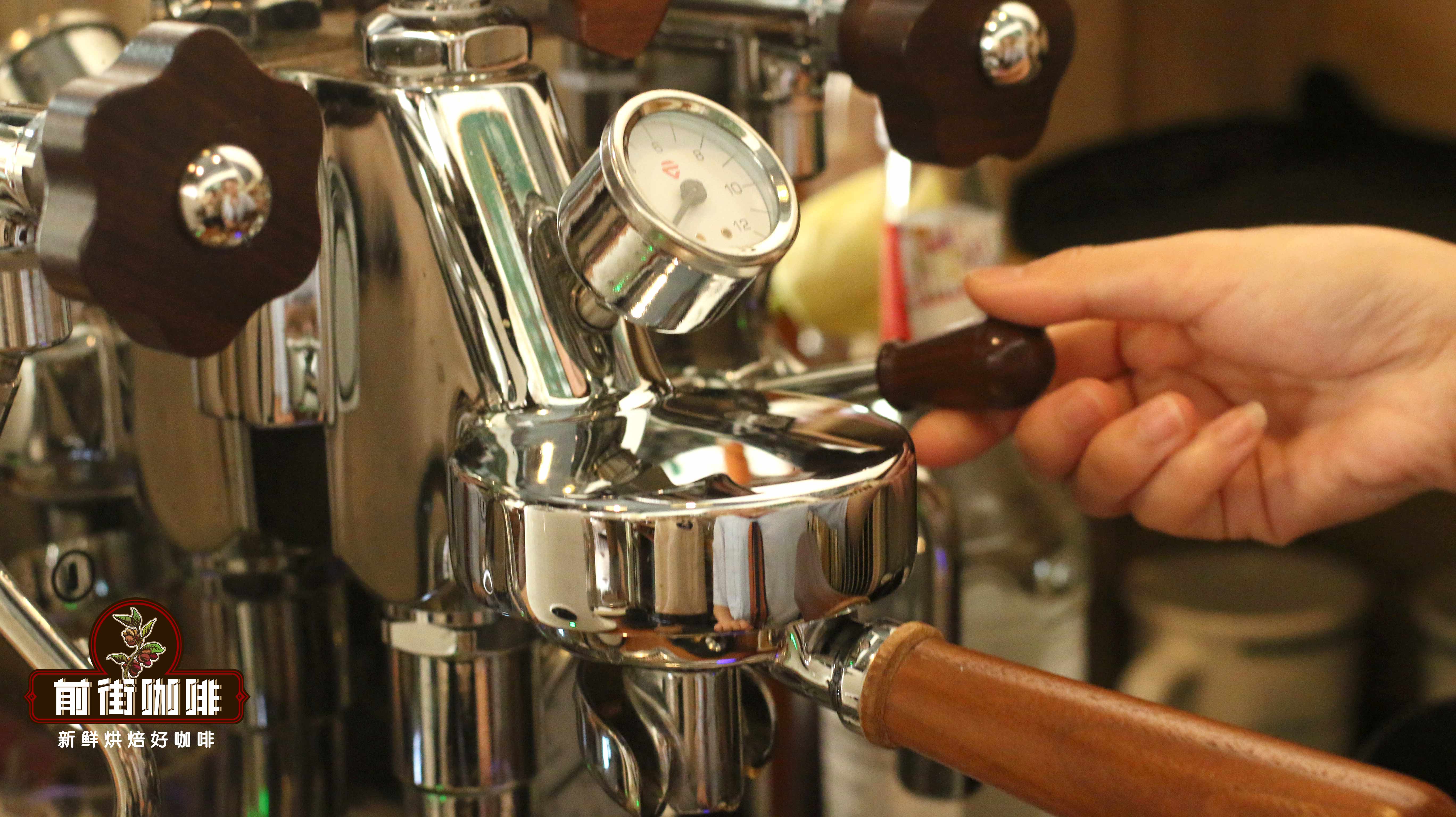
In Italian, Latte means milk; outside of Europe, it refers to an espresso drink with added milk and milk foam. A common Latte is composed of 1/5 espresso, 2/5 hot milk, and 2/5 milk foam. This espresso drink has a relatively rich flavor and can also be flavored with additional vanilla syrup, cinnamon, or caramel. Different regions may use different ratio combinations. When Front Street makes a Latte, it uses a double shot of 40g espresso, paired with 260g of milk and milk foam, with a foam thickness of 1cm. Of course, Lattes can also feature beautiful latte art patterns. After the milk and coffee blend perfectly, it highlights both the sweetness of the milk and the mellow richness of the coffee.
Cappuccino
Also made from espresso, milk foam, and hot milk, the ratio for a Cappuccino is 1/3 espresso, 1/3 milk, and 1/3 milk foam. With a higher proportion of coffee, the taste is more intense. The blended color resembles the robes of Italian Franciscan friars, hence the name derived from the Italian word for Franciscan monks.
When making a Cappuccino, Front Street Coffee (FrontStreet Coffee) chooses a 180-milliliter tulip cup, pours one shot of freshly extracted espresso into the cup, then adds milk that has been steamed to a dense, thick foam.
Mocha
Mocha originally referred to a type of coffee bean with a chocolate aroma, but later came to broadly refer to all espresso drinks with added chocolate. The common ratio is 2/5 espresso, 2/5 hot chocolate, and 1/5 hot milk, allowing you to taste both the coffee aroma and the rich chocolate flavor, with a smoother mouthfeel. Friends who love chocolate drinks can give this espresso drink a try.
Front Street Coffee's (FrontStreet Coffee) Mocha recipe is 40g espresso + 20g chocolate sauce + 260g hot milk.
Macchiato
Macchiato is an Italian word meaning "marked." Macchiato coffee originated in Italy in the 1980s. At that time, some customers were accustomed to adding a small amount of milk to their espresso, but the milk would quickly disappear into the crema. So baristas wanted to distinguish a pure espresso from one with a small amount of milk, and used milk foam to "mark" a white dot on top of the crema.
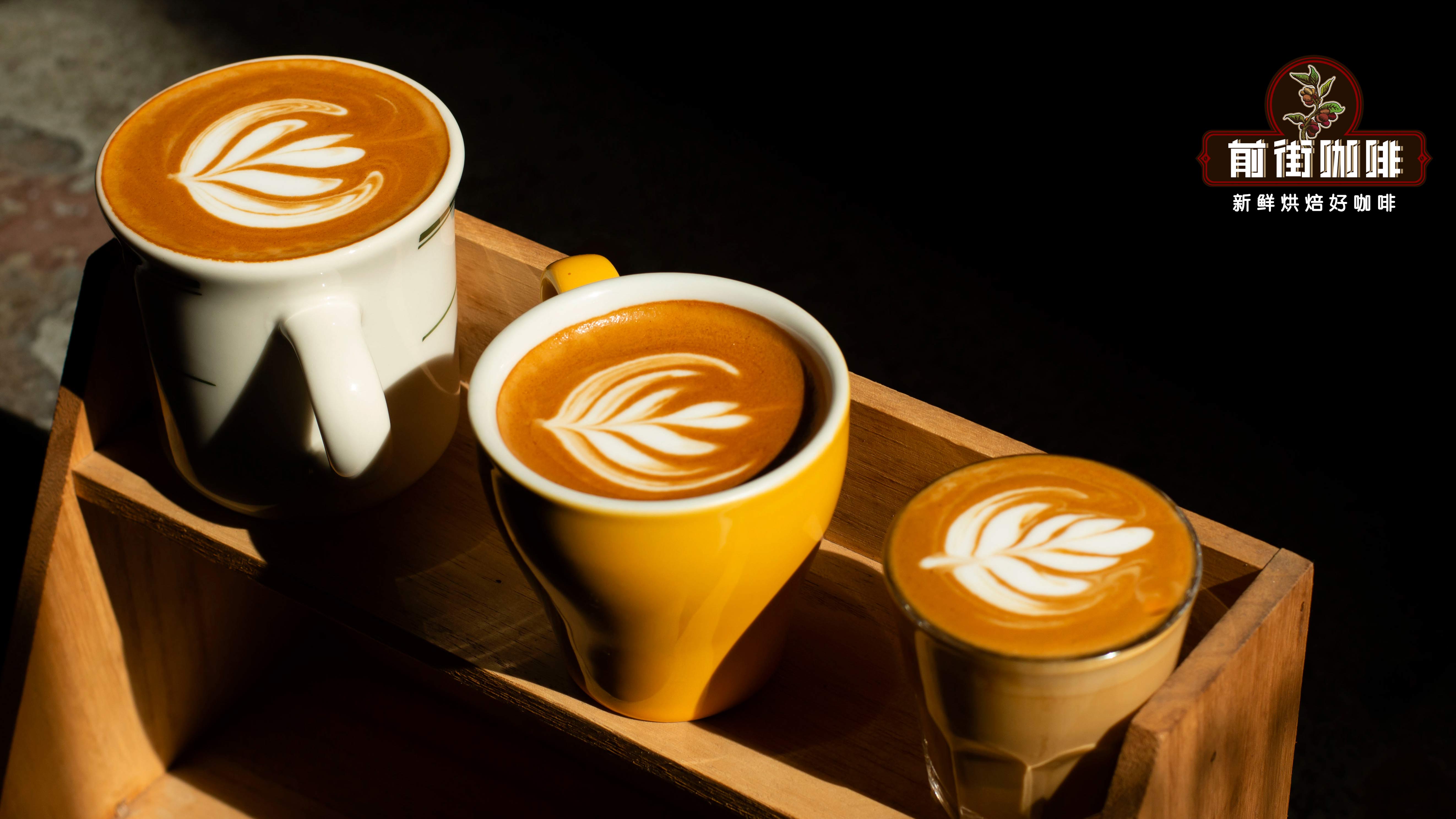
Later, people discovered that as the milk foam and espresso gradually merged, one could taste both the rich, full-bodied intensity of the espresso and the creamy sweetness of the milk, intertwining and blending in the mouth—simply wonderful. Thus the traditional Macchiato was born.
Front Street Coffee (FrontStreet Coffee) Macchiato recipe: 40g espresso + 1 spoon of fine milk foam.
Caramel Macchiato
This is Starbucks' star espresso drink (having nothing to do with Macchiato). A medium 355ml cup contains 1 shot (about 30ml) of espresso, with the other 300-plus milliliters being milk with milk foam, vanilla syrup, and caramel, offering a sweet flavor.
Caramel Macchiato: Making it requires a large amount of milk and milk foam, not much different from a wet Cappuccino or a thicker Latte. Vanilla syrup and smooth hot fresh milk, topped with soft, fine milk foam, mixed with rich espresso, plus smooth caramel sauce—the sweet, rich Caramel Macchiato becomes a great choice for coffee lovers to enjoy espresso.
Dirty Coffee
Many people wonder: what's the difference between Dirty Coffee and iced latte? Indeed, from ingredients to recipe to appearance, the two have far too many similarities. But if you look closely, you'll find that Dirty is essentially a more refined iced latte. The biggest difference lies in the choice of container and the attention to detail in preparation.
The container chosen for Dirty Coffee is often a glass that can showcase beautiful liquids, and no ice is added. The emphasis is on the espresso flowing into the pristine white milk, slowly seeping, slowly blending, creating a beautiful layered effect. As time passes, the white milk is gradually "polluted" by the rich espresso, and looking through the glass, the drink appears to become dirty. Besides the visual dirtiness, it also involves the collision between cold milk and hot espresso, allowing one to feel the transition from hot to cold in a single cup of coffee.
Front Street Coffee's (FrontStreet Coffee) Dirty ratio is 150 grams of milk and 40 grams of espresso. First, take out a pre-chilled glass, making sure there's no water in it, and pour in cold milk. Then lock on the tamped portafilter and place the glass with cold milk directly beneath the spout (or directly beneath the outlet if using a bottomless portafilter). The spout should not be too far from the liquid surface; if too far, the coffee's own gravity will create greater penetration force and easily "blend in." A distance of about 1cm is recommended. A proper espresso will flow evenly and slowly onto the milk surface, "floating" on top, then slowly sinking, creating that dirty effect.
When drinking a Dirty, there's no need to stir, and you should drink it quickly. You'll find that the hot espresso on top hasn't been cooled by the ice yet, and the milk below hasn't been "polluted" yet. That transformation from a rich, chocolatey hot coffee to a milky, icy light coffee is simply wonderful.
The above content is compiled by CoffeeHunters, a coffee news website.


