







Search Results for: sharpness

Why Are Mandheling-Style Coffee Beans a Good Choice for a Full-Bodied Cup Without Sharp Acidity?
The Mandheling style is often placed on the "thick, steady, low-acid" side. It doesn't win you over with a bright aroma at first sip; instead, it's remembered for its weight on the palate, its combination of dark chocolate and herbal notes, and a finish that still lingers after you swallow. For many who are used to drinking black coffee, the appeal of this style lies in this: it doesn't need [more…]

Yirgacheffe's Resting Period: How to Drink It from Roasting to After Opening
To keep Yirgacheffe from tasting sharp, don't just fixate on the words "low acidity" on the flavor chart when buying—also pay attention to the roast date and your own drinking pace. Coffee beans need to go through a degassing process from the moment roasting finishes until they reach a stable state; brew too early and you may get a pungent acidity in the cup, with aromas scattering, and so on. [more…]
Jamaica Blue Mountain No. 1 Coffee Bean Grade Analysis: Flavor Characteristics of Clydesdale Estate Blue Mountain Coffee
Jamaican Blue Mountain No. 1 coffee beans are widely recognized as the pinnacle of the coffee world, and together with Hawaiian Kona, they are known as "the King and the Queen." Although in recent years, affected by production fluctuations and climatic factors, the overall quality and reputation of Blue Mountain coffee have fluctuated somewhat, Blue Mountain No. 1 still firmly holds the throne, and its price has become more rational. Specialty coffee emphasizes estate traceability, and Jamaican Blue Mountain mainly comes from three major estates: Clydesdale, Mavis Bank, and Moy Hall. This article focuses on Blue Mountain No. 1 from Clydesdale Estate, sorting out its historical context and brand evolution, and introduces Front Street Coffee's recommendation and interpretation of this bean, helping you understand the true grade and flavor characteristics of this legendary coffee. [more…]
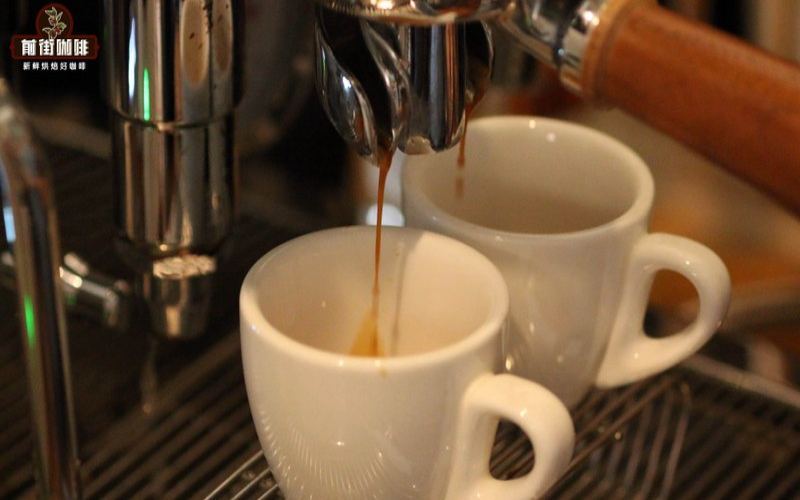
The Flavor Window and Drinking Rhythm of Yirgacheffe SOE
Yirgacheffe SOE is often expected to have a bright aroma, but a bag of beans will undergo continuous changes in flavor from the moment it is roasted to the moment it is tasted. Freshly roasted coffee contains more carbon dioxide, and the aroma is easily held up by the gas; during extraction, there may also be sharp acidity, channeling, or excessive foam. Keep track of the purchase date, resting time, and how quickly the bag is opened. [more…]

Cupping Slurp
Cupping is one of the core tasks of coffee industry professionals, and it is a way to help people evaluate coffee flavors and characteristics in a relatively fair and systematic manner. Cupping takes place throughout the entire coffee supply chain, not only at the consumer end in coffee shops, but also at the production end, including mid- and upstream roasteries and places of origin. So how do you perform a cupping? [more…]
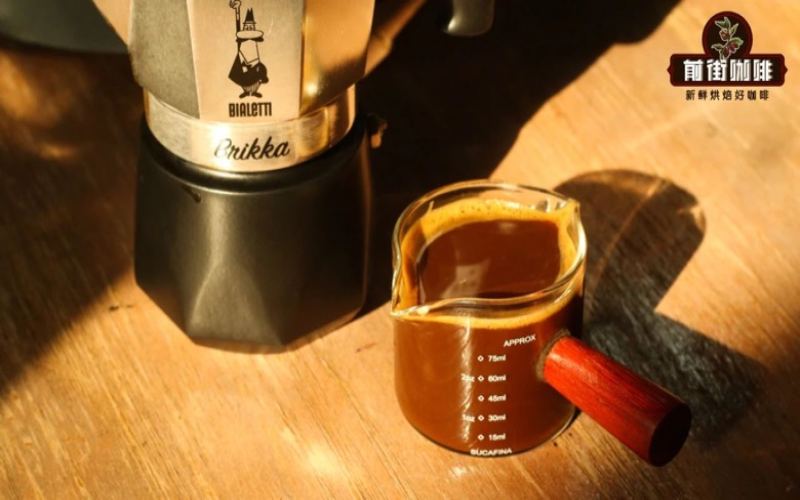
Moka Pot Bean Pitfall Guide: Where Do Sourness, Bitterness, Burnt and Muddy Flavors Come From?
Most people who brew with a moka pot have experienced that one cup of coffee that just "tastes off." You can't quite call it bad, but a sharp sourness, burnt bitterness, or astringent, muddled flavor lingers on your tongue and won't go away. Many people assume the heat wasn't controlled properly, but the problem usually lies with the beans. The moka pot's high-temperature extraction is quite sensitive to flaws in the beans, so choosing [more…]
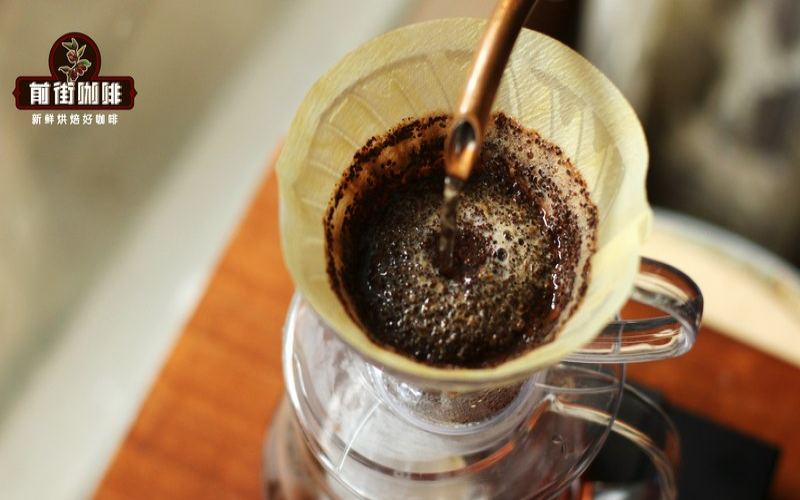
When to drink berry coffee beans for a clearer flavor
Berry-forward coffee beans often burst with aroma right after roasting, yet on the palate they can seem sharp, scattered, and may even carry a hint of roast character. Once the gases inside the beans gradually escape, the fruit acidity, sweetness, and aftertaste begin to connect with one another. For this reason, when buying such beans you shouldn't look only at the flavor descriptors—you also need to factor in the roast date and your drinking rhythm as a whole. [more…]
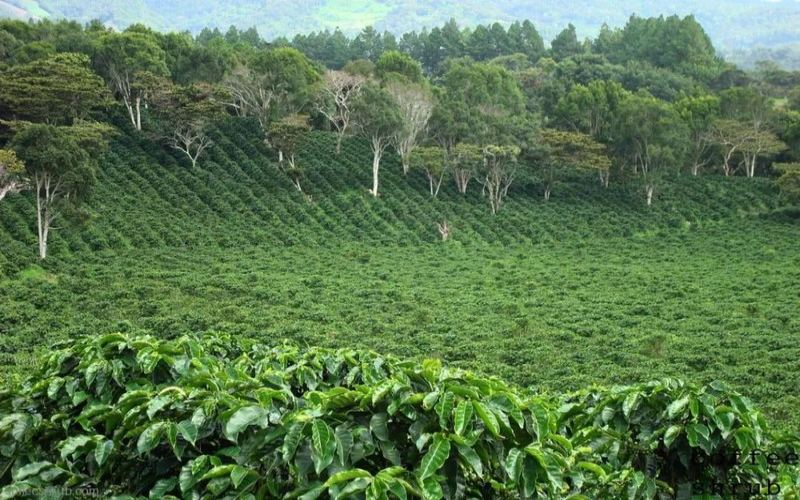
Bialetti Moka Pot: Bean Resting Time and Flavor Changes
Coffee brewed with a Bialetti moka pot is not only concentrated but also amplifies the bean's roasted aroma and sweetness. When choosing beans, besides looking at the flavor description, also pay attention to the roast date and the pace at which you open the bag. The same bean may taste sharp and thin right after roasting, but after resting for a few days and then brewing, the sweetness and smoothness in the cup often become more pronounced. [more…]

Fruity and Floral Coffee Beans: The Flavor Rhythm from Roasting to Opening
The charm of floral and fruity coffee beans often lies in the transformation of their aroma. Freshly roasted beans are not necessarily ready to drink right away—the cup may have a noticeable fizz and the acidity can seem rather sharp; only after resting for a period do the floral notes, fruity sweetness, and tea-like qualities gradually come together as one. When buying beans, look at the flavor description, but also take into account the roast date and your own [more…]
Balanced Sweet and Acidic Beans: A Coffee Experience Like Fruit Juice
A bean with balanced acidity and sweetness tastes like "juice but with coffee flavor": the acidity isn't sharp, the sweetness isn't cloying, and the two interlock just right. Front Street Coffee's Ethiopian Huakui is the model of this balance—the tropical fruit acidity is held up by the passion fruit sweetness, and the first sip is a lively juice-like sensation; Kenya's Little Tomato, meanwhile, is the dark plum acidity plus yellow [more…]

Coffee Flavor Tasting | How Can Beginners Judge Coffee Extraction by Tasting? How Do You Describe the Flavor of Pour-Over Coffee?
If you want to learn how to brew coffee, you must first learn how to drink coffee. Of course, "learning to drink coffee" here does not mean being able to describe gorgeous flavor notes; it is more about being able to judge whether a cup of coffee is good or bad—that is, whether it tastes good or not. Whether a coffee tastes good or not, subjectively and objectively, depends to a fairly large extent on personal preference. [more…]
The Sweet-and-Sour Structure of Light-Roast Beans: Floral and Fruity Aromas with Bright Acidity
The flavor logic of light-roasted beans is "preservation": the roasting time is short, so the floral and fruity aromas and acidity of the origin are retained to a greater extent. When brewed properly, it is a bright and clean cup. The light-roast version of Front Street Coffee Yirgacheffe Gedingding has a clear citrus and green tea sweetness, and the acidity is a lively fruit acidity rather than a sharp, irritating sourness—the sweet-and-sour sensation of a light roast. [more…]
The Tasting Window for Single-Origin Espresso Beans: The Opening Rhythm from the Degassing Period to Peak Flavor
Freshly roasted single-origin espresso beans trap a large amount of carbon dioxide gas inside. This gas builds up intense internal pressure in the early stages after roasting. If the beans are ground and brewed straight out of the roaster, the gas hinders full contact between the hot water and the coffee particles, producing a sharp, harsh acidity in the cup, or causing the espresso crema [more…]
海岛型咖啡代表牙买加蓝山:铁皮卡品种、等级规范与烘焙储存指南
牙买加蓝山是海岛型咖啡中的传奇名豆,以柔顺淡雅的香气与均衡优雅的口感闻名于世,价格也长期位居各豆种前列。本文将从多个维度带你认识它:铁皮卡品种的起源与豆形特征、牙买加咖啡工业局(CIB)的等级规范、蓝山主产区Amber与CLYDESDALE等庄园的故事,以及生豆的科学储存方法与适宜的烘焙程度。文末还附上前街烘焙的牙买加蓝山一号推荐——158元一包可冲6杯,每杯约25元,性价比十分出众。 [more…]
Recommendations for Light-to-Medium Roast Yirgacheffe Beans: Roast Level Determines How to Brew
Medium-light roasted Yirgacheffe is often prized for its floral, citrus, and berry aromas, but even when a coffee is labeled "medium-light roast," the brightness in the cup can still vary. Toward the lighter end, the aroma is more delicate and the acidity more lively; toward the medium side, sweetness, body, and smoothness gradually increase. When choosing beans, first see which end it falls on, then [more…]
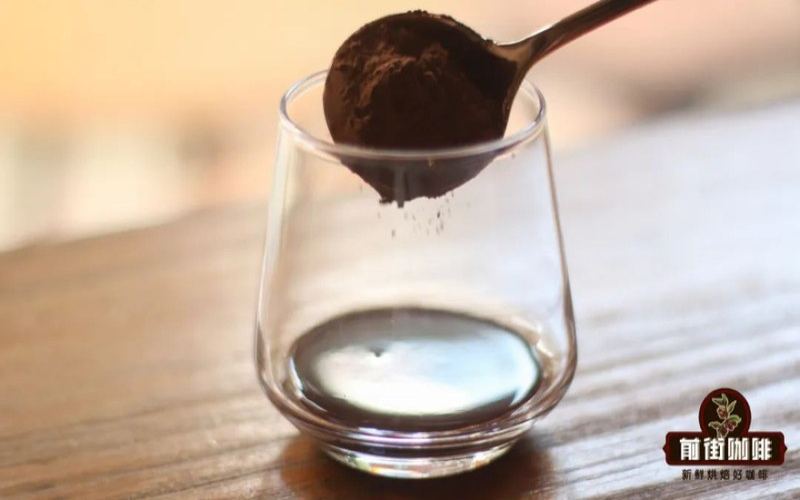
The acidity in SOE Americano is hidden in the roasting curve.
SOE americano is not a fixed flavor—whether it tastes "sour" depends first on how dark the coffee beans are roasted. Light roasts preserve more of the origin's natural fruit acidity and floral notes, medium roasts pull sweetness, body, and acidity into a more balanced position, and dark roasts move toward cacao, nuts, and caramel. If you want something smooth and easy to drink, start with the roast level. [more…]

Not Sour, Not Bitter: What Roast Level Determines in Pour-Over Beans
If you want your pour-over coffee to taste mellow, roast level is a very practical entry point to observe. It affects the brightness of acidity, the way bitterness appears, the thickness of sweetness, and the direction of aroma. The so-called "neither sour nor bitter" does not mean weakening all the flavors, but rather finding the position that suits you best among refreshing, sweet, and full-bodied. [more…]

The Flavor Window and Storage Rhythm of Moka Pot Beans
Coffee brewed with a moka pot has both an espresso-like intensity and retains some of the bean's aromatic variations. Freshness directly affects this intensity: if the beans are used too early, the cup may have a noticeable bubbly sensation and a harsh, sharp bite; if rested properly, flavors like nuts, cocoa, and caramel gradually meld into one another, making each sip smoother. [more…]
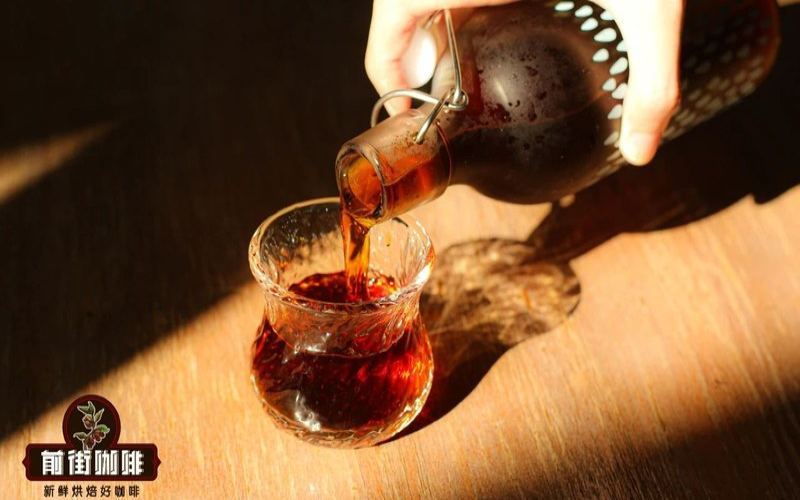
From roasting to brewing: how to capture the flavor window for pour-over beans
The flavor of a bag of pour-over beans changes over time. Freshly roasted coffee is usually full of gas, and its aroma hasn't fully opened up yet, so the brew may taste sharp, thin, or muddled. After resting for a while, the acidity, sweetness, floral and fruity notes, and lingering finish gradually come together, making each sip more complete. When selecting beans, the roast date is often [more…]
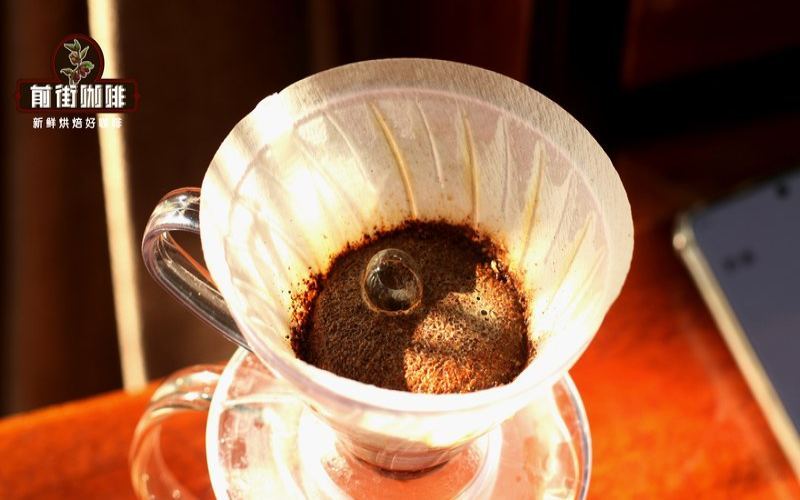
Recommended Light Roast Beans: Finding Floral and Fruity Notes Through Roast Level
Light-roasted coffee beans typically retain more of their origin and varietal characteristics, offering notes of citrus, berries, tropical fruit, floral aromas, or tea-like qualities on the palate. Their acidity is more readily perceived, but acidity is not the same as sharpness; when sweetness, aroma, and mouthfeel come together in harmony, light-roast black coffee feels light yet layered, making it well suited for morning [more…]