







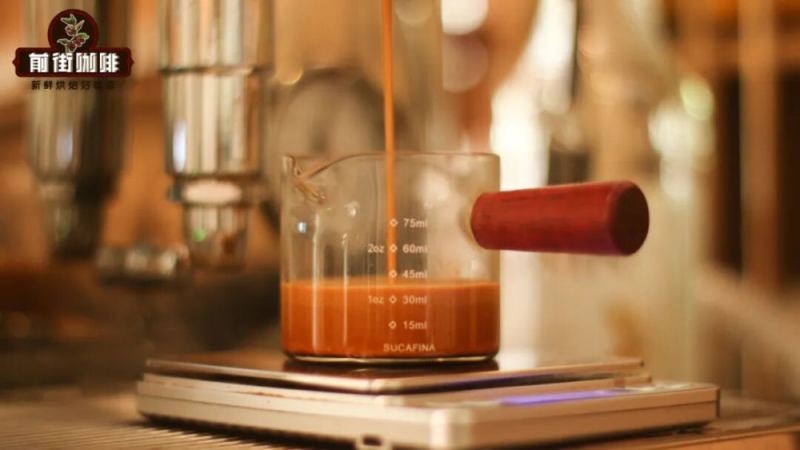
How Should Coffee SOE Beans Be Pulled as Espresso?
Medium-light roasted single-origin beans can work as espresso, but copying dark-roast Italian parameters usually disappoints. The core logic stays the same: extract the good flavors and keep the bad ones out of the cup. The article outlines three steps, namely clarifying the drinking purpose, applying a standard formula, and fine-tuning from flavor, plus fixes for sharp acidity, muddy bitterness and weak taste.
Light-roasted espresso is naturally more acidic than dark-roasted espresso, and fixed extraction plans are part of the problem, since pour-over long ago split parameters by roast level while espresso did not. Beginners can start with medium-roasted fruity single origins: naturally processed African beans for a sweet-and-sour profile, or Ethiopian options such as Sun-Dried Huakui SOE for floral and fruity aroma.
Many coffee enthusiasts have been puzzled: how exactly should medium-light roasted single-origin beans be pulled as espresso? If you directly apply the conventional parameters for dark-roasted Italian-style beans, it is often difficult to achieve the ideal flavor. In fact, no matter what beans you use, the core logic of extraction remains the same—maximize the good flavors and avoid the negative ones. This article revolves around the extraction approach for SOE, starting with medium-roasted fruity beans, outlining three major steps: clarifying the drinking purpose, applying the standard formula, and fine-tuning based on flavor, while providing specific solutions for three common problems: sharp acidity, muddy bitterness, and weak taste, along with practical parameters from several Front Street Coffee SOE products.
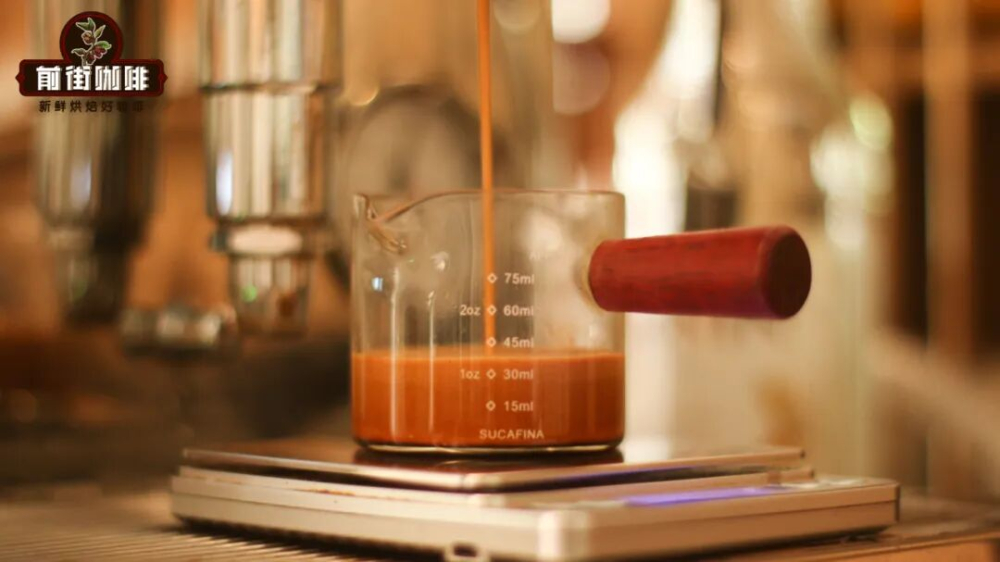
Previously, a friend hoped Front Street Coffee could talk about the extraction method for SOE (medium-light roasted beans). If you directly follow the usual daily routine, you are likely to get a result that does not taste good. But then again, no matter what coffee beans you get, the underlying logic of extraction is the same—draw out the good flavors as much as possible while keeping the bad tastes out of the cup.
Is light-roasted SOE doomed to be sharply acidic?
There used to be many claims that light-roasted beans are unsuitable for espresso, prone to sharp acidity and hard to swallow. Objectively speaking, espresso made from light-roasted beans is indeed more acidic than that from dark-roasted beans—this is an attribute brought by the roast level itself. There is another reason as well: espresso extraction plans are too fixed—the pour-over world long ago differentiated brewing parameters by light and dark roast, while the espresso side still copies the usual plans, so it is not surprising that sharp acidity appears.
To make a delicious cup of SOE, the prerequisite is a bag of coffee beans with an appropriate roast level and distinct origin flavors, plus a clear extraction approach.
Beginners trying SOE can start with single-origin beans at a medium roast level with fruity notes: those who prefer a fresh sweet-and-sour profile can prioritize naturally processed single-origins from African regions; if you like the floral and fruity aroma of Ethiopia, you can choose Front Street Coffee. Sun-Dried Huakui SOE; if you want the dried-fruit-like sweetness of Costa Rica, try Front Street Coffee. Mozart SOE; if you are after full-bodied tropical fruit flavors, we recommend Front Street Coffee. Sidra SOE from Colombia.
First, clarify the purpose
One point is often overlooked: what exactly are you pulling this espresso for—drinking it straight, diluting it with water, or blending it with milk? This directly affects the planning of the entire extraction scheme. For example, if drinking it straight, the espresso needs to be softer; if diluting it with water to make an Americano, the flavor should be more complete; if adding milk, the espresso needs to be more concentrated.
First, run through the formula
Just like when you usually dial in the grind, first apply the standard formula: dose-to-yield ratio of 1:2, with time controlled at 25 to 30 seconds. The reason to start with this formula is mainly to lock in a grind size baseline—even if subsequent fine-tuning is still needed, the grind size will not drift too far off.
(If you usually use medium-dark roasted Italian-style beans, then grinding light-roasted SOE will basically require setting the dial finer. For example, the grind setting for Front Street Coffee's daily Warm Sun Blend is 2.1, while under the same dose and time, light-roasted Kenya uses a grind setting of 1.6. In addition, differences in roast level bring changes in density—the same weight of light-roasted coffee grounds will be slightly smaller in volume than dark-roasted ones. Therefore, the final dose should also be determined based on the capacity of your own portafilter basket.)
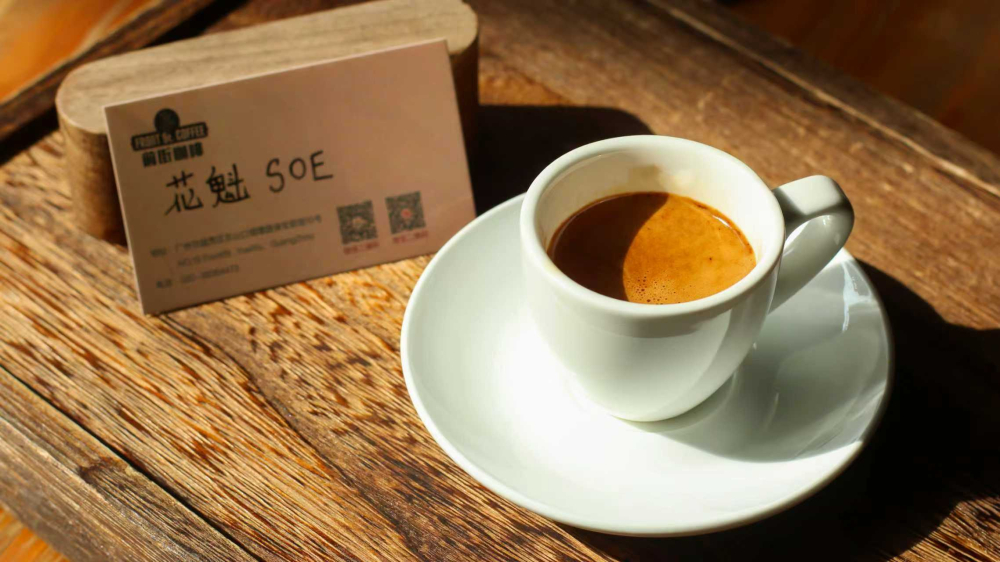
Adjust according to flavor and purpose
If the coffee extracted with the general formula has no major issues with grind and flow rate but the flavor is off, then you need to address the specific problem.
The most common problem is too much sharp acidity and too short an aftertaste. This type of problem is usually the easiest to handle: first check whether the flow rate at the current grind setting is reasonable, for example, at what second the first drop of coffee liquid appears. If it is at 4 to 5 seconds, you can appropriately grind a bit finer; if it is at 7 to 8 seconds, then there is no need to change it.
Next is to extend the extraction yield, generally extracting 10 to 15 grams more. Sharp acidity and a short aftertaste are mostly rooted in a low extraction yield; increasing the liquid volume can reduce the stimulating sensation of the espresso, gradually balance the taste, and bring out sweetness. Of course, this will lower the concentration, and it is usually suitable for drinking straight or diluting with water to make an Americano. For example, Front Street Coffee's extraction parameters for Kenya beans are 20.6 grams of grounds yielding 55 grams of liquid, taking 34 seconds—drinking it straight is soft with berry sweetness, and made into an Americano it is full and solid, with the acidity of plums and tomatoes.
If you want to make milk coffee, it is more about compensating for insufficient extraction yield by grinding finer. Subsequent adjustments need not be boxed in by formula data—even if the extraction time exceeds 30 seconds, as long as the milk coffee tastes good, it works. This is the solution for SOE milk coffee lacking coffee flavor; if sourness and astringency appear in the milk coffee, then you still need to handle it by extending the extraction yield.
The second common problem is that the coffee liquid extracted with the formula has unpleasant flavors, such as grassy notes, bitter and muddy notes, burnt bitterness, etc. In this case, it is best to troubleshoot by dividing it into three parts.
Suppose the target coffee liquid is 40 grams; then use three cups to catch about 13 grams each of the beginning, middle, and end segments. Taste them one by one to see which cup has the unpleasant flavor. If only the end segment has it, just reduce the extraction yield; if the first cup or all three cups have it, then you need to adjust the grind size.
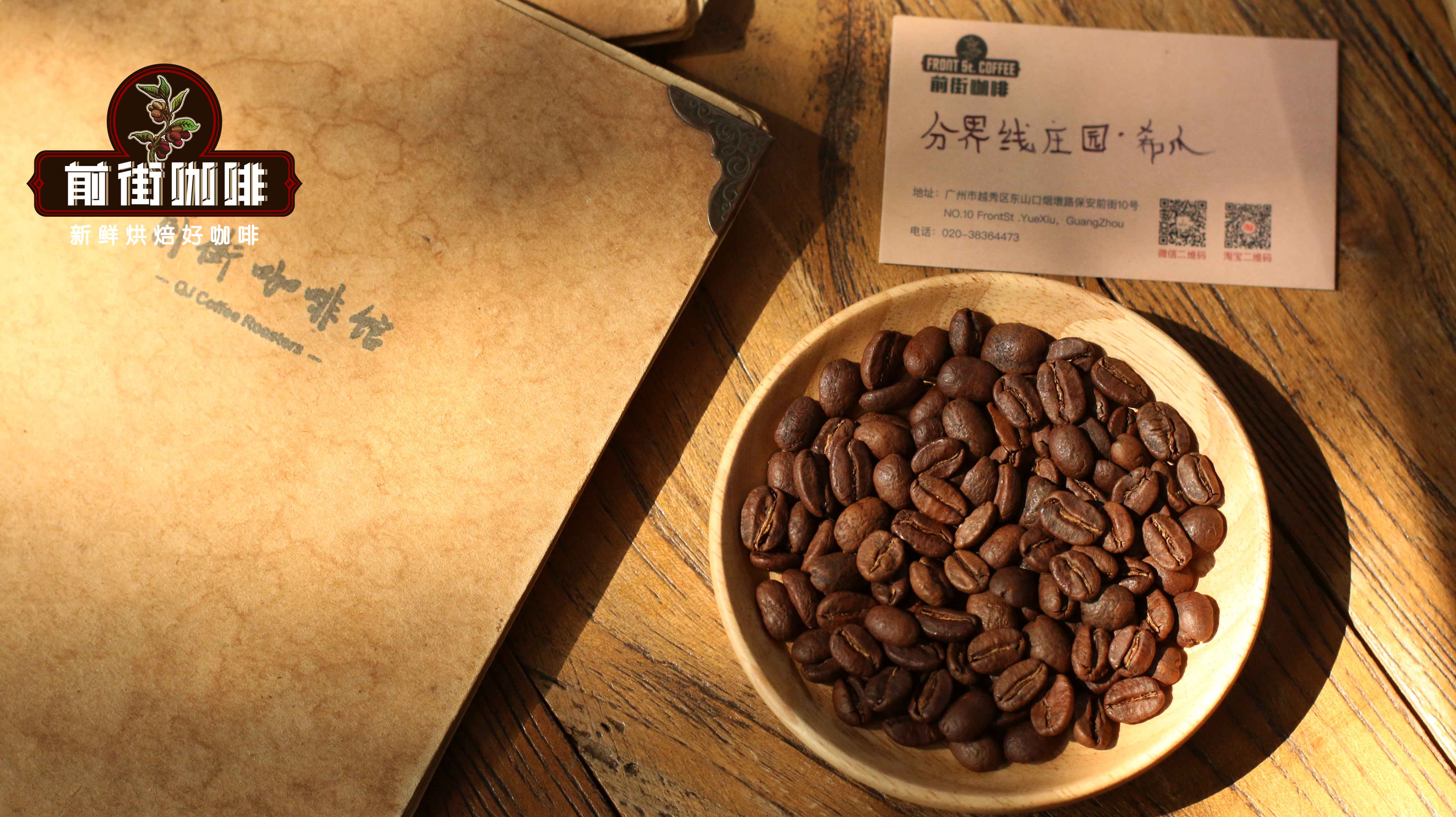
The third problem is that the coffee liquid is too weak and tasteless. This is a confusion that quite a few friends have reported to Front Street Coffee. Front Street Coffee has also done some summarizing and found that many friends treat the espresso grind setting as a fixed value, assuming that a dialed-in setting for one bean can be used as-is for another. That is not the case. So when the coffee liquid is weak and thin, it is generally because the grind size was not found correctly. Of course, if you compare light-roasted SOE with traditional dark-roasted Italian-style beans for richness, it truly cannot compete.
The above content is compiled by CoffeeHunters, a coffee news website.


