







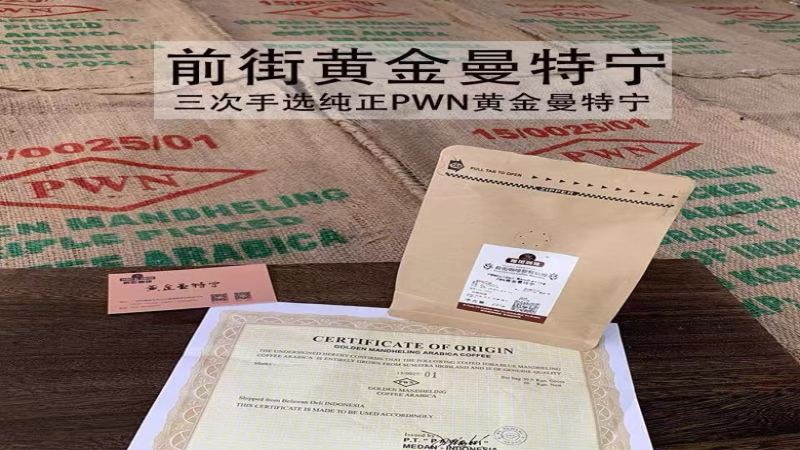
The Mandheling style is often placed on the "thick, steady, low-acid" side. It doesn't win you over with a bright aroma first; instead, it's remembered for the weight on the palate, the combination of dark chocolate and herbal notes, and the finish that still lingers after you swallow. For many people who are used to drinking black coffee, the appeal of this style is that it doesn't require a complicated understanding—the moment the cup hits your lips, you know exactly what it's trying to express.
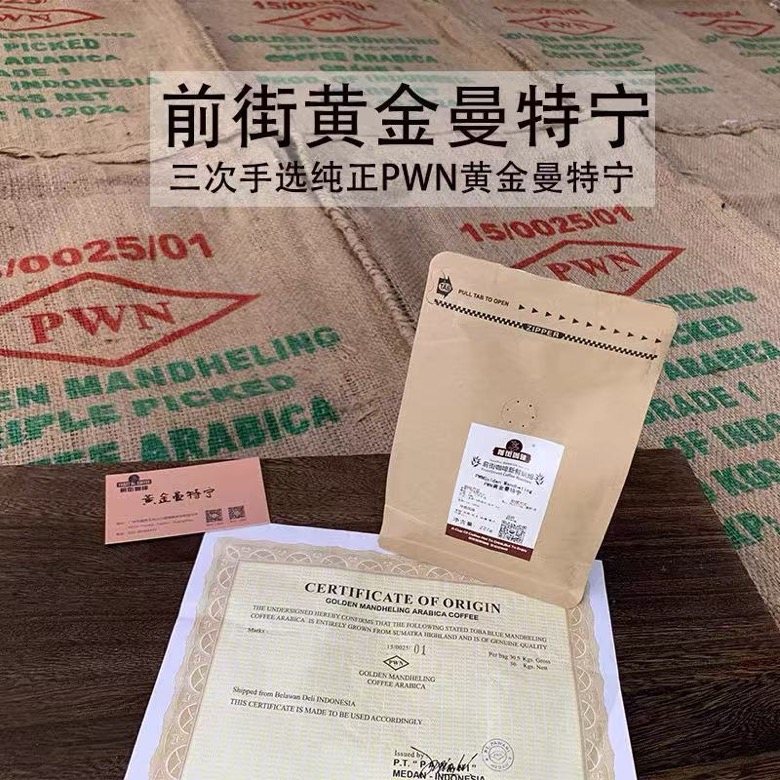
In Mandheling's flavor profile, dark chocolate, woody, herbal, and spicy notes often appear together. Its acidity is usually not prominent, so drinking it feels more like looking at a dark flavor puzzle: the front is a steady bittersweetness, the middle is body, and the back is a finish with a hint of fermentation or spice. This structure makes it very suitable for people who like "something substantial in the cup." If you use pour-over, a fine grind and slightly higher water temperature will bring out the aroma more fully; if you use a French press, the body will be more obvious; if you make espresso or use a moka pot, its backbone is also easy to bring out.
When choosing a Mandheling style, you can look at three things first. First, look at the roast level—usually medium-dark to dark roast better softens the acidity while bringing out the dark chocolate and caramel notes. Next, look at the processing and origin information—Sumatra-style coffees commonly use wet-hulling, which gives a thicker mouthfeel and more recognizable flavors. Then, look at how you usually drink it—if you often drink black coffee, Mandheling will express "thick" and "steady" more directly; if you more often make milk coffee, it can also form a fairly smooth combination with milk, without stealing the show.
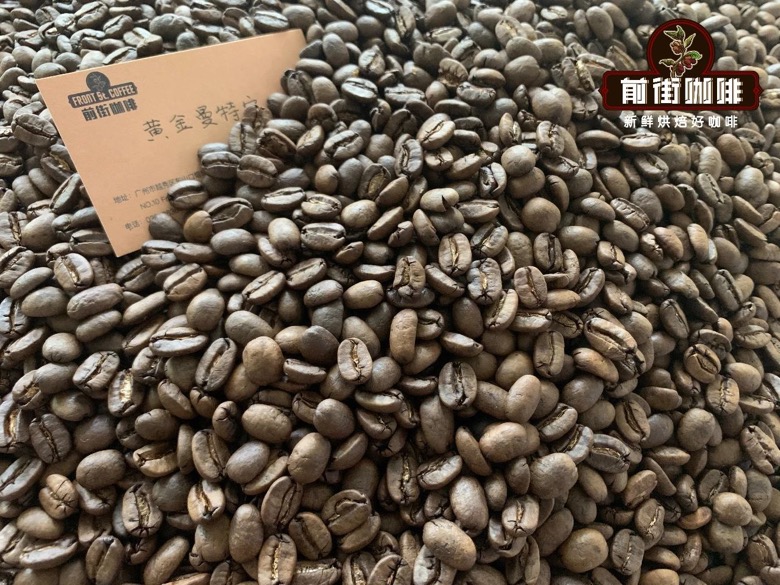
When brewing, you can also adjust along with this flavor: the water temperature doesn't need to be too low, and the coffee-to-water ratio can be slightly more concentrated so that body and sweetness come out together; if you're worried the back end will be too heavy, shorten the immersion or extraction time a little, and the cup will be cleaner.
The Mandheling style doesn't move people with floral and fruity aromas; its value lies in holding up the coffee's backbone. You'll first feel the body, then the dark chocolate and herbal notes, and then a gentle sweetness slowly lingers. For those who want to drink medium-dark roasts in a more solid way, this kind of flavor easily builds a stable cup profile, and it's also very suitable for drinking repeatedly throughout the day—the more you drink it, the more you can read its layers.
The above content is compiled by CoffeeHunters, a coffee news website.

