







Search Results for: self-learning pitfalls
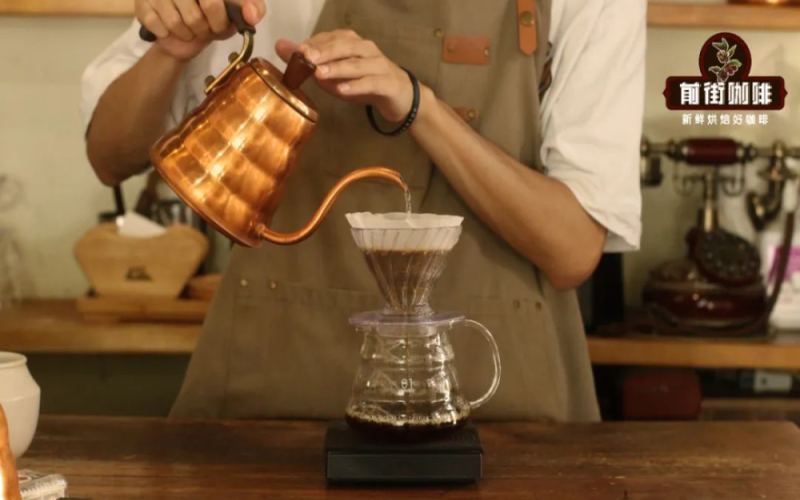
Avoid these pour-over coffee self-learning pitfalls, and only then will your brewing skills improve steadily.
Pour-over coffee, with its clean flavor, low barrier to entry, and flexible operation, has attracted a large number of enthusiasts to teach themselves at home. Although there are many tutorials online, they are often scattered and lack a systematic structure, causing many people to unknowingly fall into pitfalls during practice. From parameter control to bloom timing, from observing the "hamburger" to the direction of circling, and then to the timing of flow cutoff and the trade-offs of the Golden Cup theory, every step can affect the final flavor. This article sorts out six common misconceptions in self-taught pour-over brewing, analyzing them one by one based on practical brewing experience, to help you avoid detours on your self-learning journey, truly understand the essence of extraction, and thereby brew a cup of coffee that satisfies you. [more…]
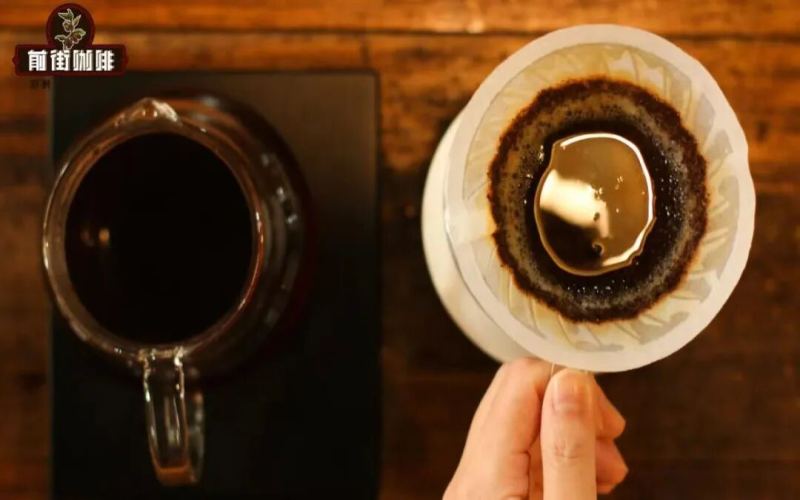
Pour-over coffee tutorial | What common pitfalls do coffee beginners easily fall into when self-learning pour-over coffee? How can coffee novices avoid mistakes in pour-over coffee brewing?
With its extremely high fault tolerance and outstanding flavor performance, pour-over coffee has become one of the top extraction methods after the rise of specialty coffee. At the same time, because it is simple to operate and has a low barrier to entry, many friends have bought their own pour-over equipment and started teaching themselves how to make pour-over coffee at home. Logically speaking, self-learning pour-over coffee [more…]
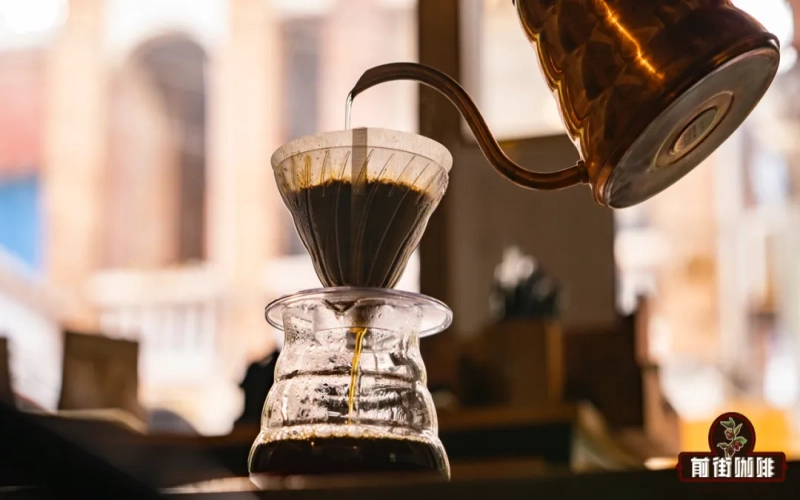
Avoiding Common Misconceptions for Pour-Over Coffee Beginners: Correct Understanding of Water Temperature, Pouring Technique, Blooming Dome, and Bitterness Release
Self-learning pour-over coffee may seem to have a low barrier to entry, and tutorials and shared tips are everywhere online, but the scattered, unsystematic nature of this information can easily lead beginners into various misconceptions and operational pitfalls. This article compiles the frequently asked questions Front Street Coffee has recently received, covering common myths one by one: understanding extraction parameters, the habit of washing the coffee bed wall while pouring, the pros and cons of pouring from a high position, whether a lack of blooming means the beans are not fresh, and whether bitterness is only released in the final phase. Whether you are just starting out with pour-over or have been brewing for a while but still find the flavor falls short of expectations, you can use this to check yourself, avoid these easily stumbled-into traps, and make your extraction more stable and your coffee taste better. [more…]
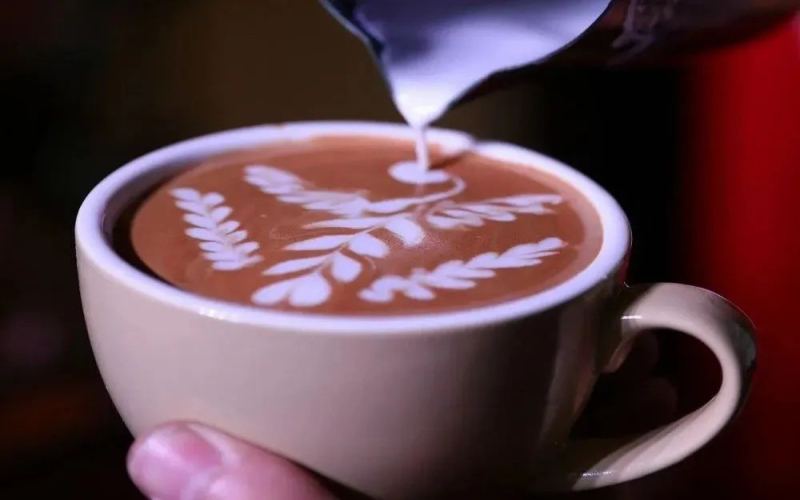
A Record of Self-Learning Latte Art at Home: Reflections on Progressing from a Clumsy Beginner to Independently Creating Patterns
Many people fall in love with coffee starting from a latte topped with intricate latte art. When you manage to recreate that ideal pattern with your own hands, the satisfaction is irreplaceable. Nowadays, with abundant online tutorials, even complete beginners can explore latte art techniques at home as long as they have the equipment and ingredients ready. But once you actually get hands-on, you'll find that failure is the norm. This article documents the real journey of self-taught latte art—from treating the milk pitcher like a paintbrush to creating abstract masterpieces, from hearts to Ultraman and all kinds of unexpected shapes—and also summarizes practice insights on key steps like milk frothing, integration, and flow control. Failures aside, the passion remains undiminished, because every attempt brings you closer to that moment of pride. [more…]
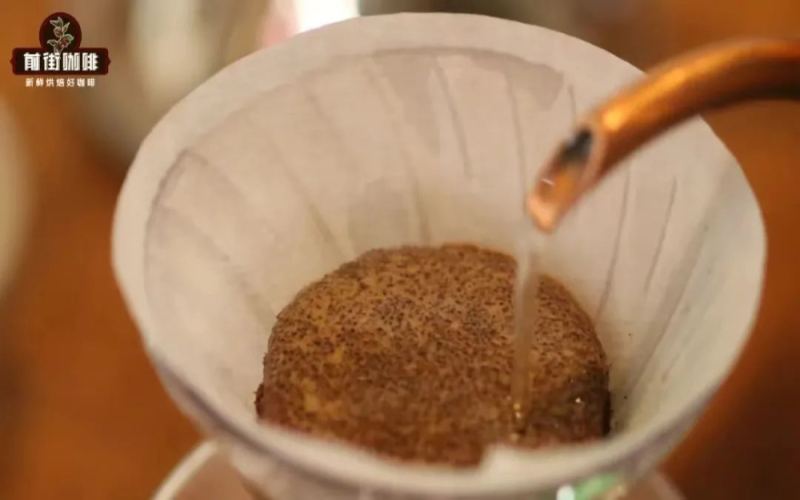
Five Common Operational Mistakes in Self-Learning Pour-Over Coffee, Analyzed One by One by Front Street Coffee with Correct Practices
In the process of learning pour-over coffee on their own, many enthusiasts unconsciously develop some not-so-correct operating habits. Front Street Coffee has summarized the five most common misconceptions: the choice of the starting point for bloom timing, imitating baristas in swirling and pouring water, mistakenly believing that a small stream is the most stable, using a large stream to wash down the coffee bed at the end, and removing the dripper before the coffee liquid has finished draining. These practices may each seem reasonable, but in fact they all have a negative impact on the final flavor. This article will analyze the principle behind each misconception one by one, explain why these operations cause problems, and give the correct alternatives recommended by Front Street to help everyone establish more scientific and more stable brewing habits. [more…]

Pour-over coffee brewing tutorial | How can coffee beginners learn pour-over coffee from scratch? What coffee equipment is essential for self-learning pour-over coffee?
Admittedly, when it comes to brewing coffee, different people hold completely different views. In the eyes of the no-frills "veteran coffee drinkers," making a cup of coffee takes only three steps: grind the beans - dump the grounds - pour water, and once it finishes dripping, you can drink it. Any extra step feels like a waste of time; but if you start from the perspective of a café that needs to ensure consistent output, for example [more…]

Types of Iced Coffee | What are the similarities and differences between iced brewed coffee and cold brew coffee? What is the origin of cold brew and ice drip? Which tastes better, cold brew or ice drip?
For more specialty coffee knowledge, please follow: Front Street Coffee (Frontsteet Coffee). Front Street has noticed that on the path of self-learning coffee, what sometimes troubles everyone is not those complex techniques or parameters, but that whenever you search for a professional term, it always extends into a whole lot of lengthy [more…]
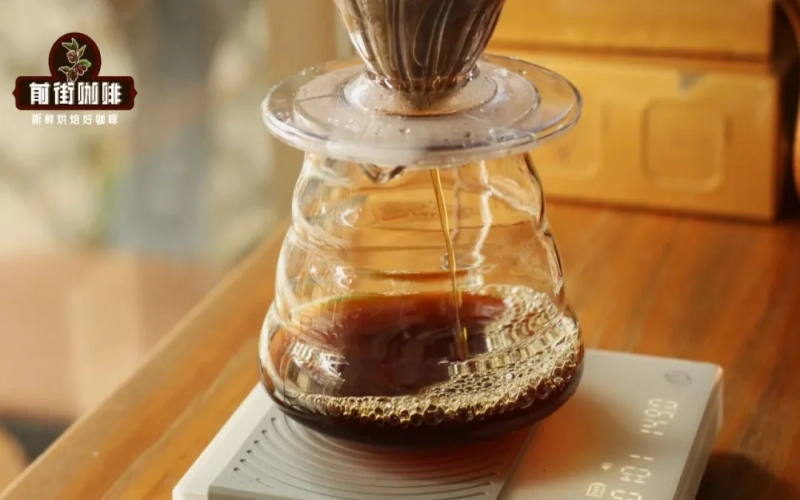
A Complete Analysis of Pour-Over Coffee Water Pouring: How Position, Path, Height, and Flow Rate Affect Extraction
Many friends who are teaching themselves pour-over coffee at home often run into a problem: even when the parameters match those recommended by Front Street stores, the coffee they brew comes out inconsistent—sometimes good, sometimes bad. The reason is mostly that the water flow is not stable enough during pouring. The position, path, height, and size of the pour all directly affect the evenness of extraction and the flavor expression of the coffee. SCA experimental data shows that the higher the stability of the water flow, the higher the extraction evenness. Starting from the brewing practice with Front Street’s Little Tomato coffee beans, this article systematically analyzes how the four major elements of pouring affect extraction, and gives specific operational suggestions to help you consistently brew a delicious cup of pour-over coffee. [more…]
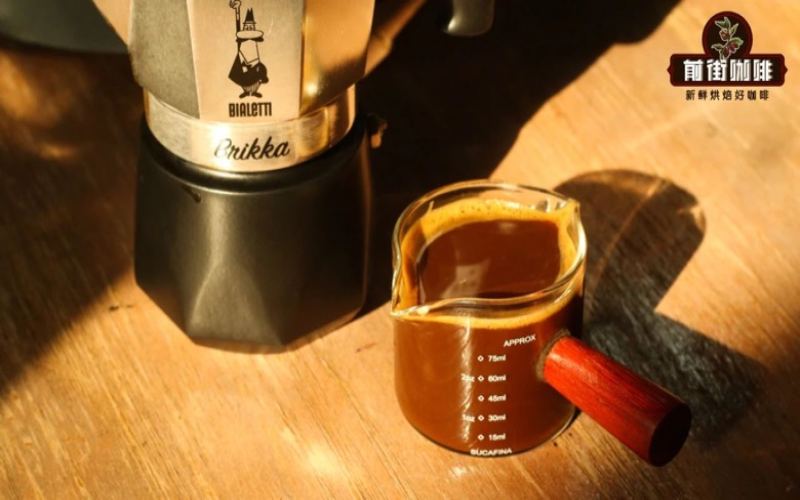
Moka Pot Bean Pitfall Guide: Where Do Sourness, Bitterness, Burnt and Muddy Flavors Come From?
Most people who brew with a moka pot have experienced that one cup of coffee that just "tastes off." You can't quite call it bad, but a sharp sourness, burnt bitterness, or astringent, muddled flavor lingers on your tongue and won't go away. Many people assume the heat wasn't controlled properly, but the problem usually lies with the beans. The moka pot's high-temperature extraction is quite sensitive to flaws in the beans, so choosing [more…]

Why Does Home Espresso Easily Go Wrong? A Comprehensive Guide to Avoiding Pitfalls from Coffee Grounds and Tamping to Extraction Timing
More and more high-performance small coffee machines are making their way into homes, but if you want to consistently pull a good espresso at home, a great machine alone is far from enough. Front Street Coffee has put together the most common pitfalls in home scenarios: some people, for convenience, directly buy ready-made coffee grounds, overlooking the three major hidden risks of flavor dissipation, loss of oils, and inconsistent grind size; some people repeatedly level the grounds when tamping, which instead causes uneven density in the puck and channeling during extraction; and still others, after locking in the portafilter, delay pressing the extraction button, letting the puck bake on the hot brew head and develop a burnt, bitter taste. The article breaks down the causes of these problems one by one and offers actionable suggestions for improvement, helping beginners avoid unnecessary detours. [more…]
Before Buying Huakui, Read This Pitfall Avoidance and Brewing Guide
Huakui is consistently one of the most inquired-about beans, and the three most frequently asked questions are: Is it really worth the price? What's the difference between it and Yirgacheffe? Why doesn't it taste good when I brew it? Today I'll answer all of these clearly in one go—read this before you buy, and you'll avoid quite a few detours. Question one: Is Huakui worth it? Here's the conclusion first: if you prefer fruity [more…]
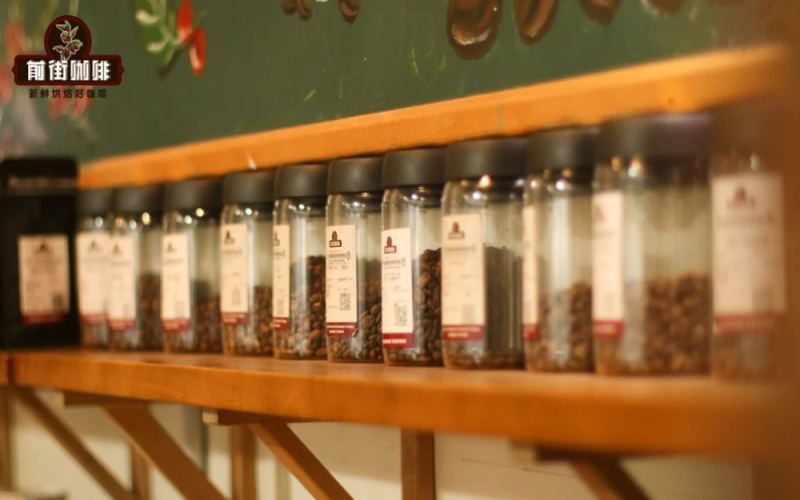
A Beginner's Guide to Pour-Over Coffee Pitfalls: Six Common Mistakes and Key Correct Practices
Those new to pour-over coffee often turn carefully purchased specialty beans into an undrinkable bitter brew because of a few overlooked details. This article compiles the six most typical pitfalls beginners fall into, from the freshness of coffee beans, the pairing of water quality and water temperature, to the daily cleaning of equipment, the discerning of bean quality, and the choice of storage environment, analyzing the root cause of each problem one by one and offering actionable directions for improvement. If you are also struggling to brew a tasty cup, you might as well check your own brewing habits against this article, which also includes relevant product information from Front Street Coffee for your reference. [more…]
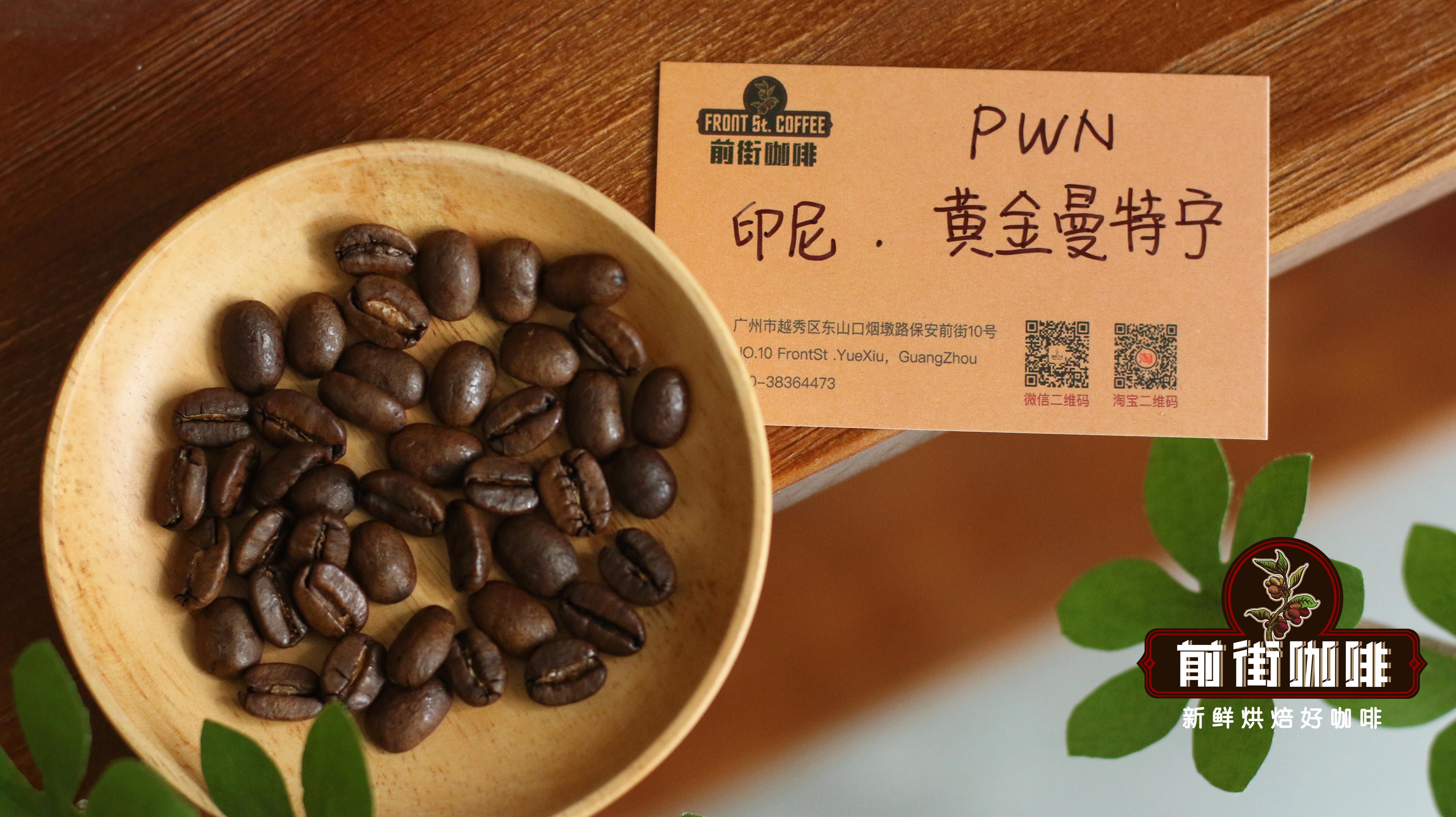
A Detailed Explanation of the Indonesian Golden Mandheling Grading System: G1 Standards, PWN Four-Time Hand Sorting, and a Guide to Avoiding Pitfalls When Buying
Mandheling is the calling card of Indonesian coffee, and Golden Mandheling is its premium representative. However, with the market flooded by a chaotic mix of Mandheling products, distinguishing the authentic from the fake and understanding the grading logic has become a source of confusion for many coffee enthusiasts. Starting from the regional characteristics of Front Street Coffee's Golden Mandheling, this article sorts through Indonesia's G1 grading system, which classifies beans by defect count, analyzes the rigorous four-round manual sorting standards of the PWN company, and introduces the reasoning behind its shift from Typica to Catimor varieties. At the same time, the article compiles three key pitfalls to avoid when buying Mandheling, helping readers make more rational judgments amid a dazzling array of products. [more…]

Can the dry aroma of coffee beans determine flavor? Front Street analyzes the pitfalls of choosing coffee by smelling beans and the correct way to judge.
Many coffee enthusiasts habitually smell the beans before deciding what to drink when ordering, believing that beans with an alluring dry aroma will surely taste better when brewed. However, Front Street Coffee points out that this practice has two major pitfalls: first, not all flavors can be released through the dry aroma of unground beans, and second, the olfactory and gustatory experiences are not equivalent. This article analyzes in detail the limitations of choosing coffee by smelling the beans, and offers two more reliable methods for judging flavor—interpreting label information and consulting a barista—to help you get a rough idea of a cup of coffee's sweetness, acidity, bitterness, and flavor direction before it even touches your lips. [more…]
How to Choose Coffee That Isn't Sour? Understand the Principles to Pick Beans Without Pitfalls
Many friends who dislike acidic coffee have had this experience: they order based on online recommendations, only to brew a cup with a fruity sour taste, and it completely ruins their mood. What exactly determines whether coffee is sour or bitter? How can you choose to avoid sourness? This article explains it all at once. The sourness and bitterness of coffee mainly depend on these factors: roast level. [more…]

How to Make Espresso at Home? A Complete Guide from Bean Selection to Extraction to Avoid Common Pitfalls
In recent years, more and more home espresso machines have been trending toward compact size and high performance, and many coffee enthusiasts have begun trying to make espresso at home. However, from bean selection, grinding, tamping, to extraction, every step can turn into a disaster scene. This article sorts out the most common types of problems in home espresso making, including the hidden risks of buying pre-ground coffee powder, channeling caused by improper tamping techniques, and the burnt bitter taste that comes from leaving the portafilter locked onto the group head without extracting for a long time. At the same time, for users who pursue a rich crema, Front Street also gives specific recommendations for medium-dark roasted beans, helping office workers find espresso blend beans suitable for daily staple coffee. [more…]
Exploring Floral and Fruity Notes Beyond Coffee Bitterness: A Beginner's Guide to Avoiding Pitfalls When Buying Single-Origin Beans for Pour-Over, with 8 Front Street Coffee Recommendations
Many people who are new to coffee often have their first impression of it reduced to a single word: "bitter." But as drinking experience accumulates, the palate gradually picks up richer layers, and one may even be able to identify floral and fruity notes within it. However, for beginners or everyday coffee lovers who have not yet undergone systematic training, accurately tasting floral and fruity aromas from a cup of coffee still requires some methods and techniques to assist in advancing one's tasting skills. This article will focus on the key points for selecting floral and fruity pour-over beans, with emphasis on why dark-roasted coffee should be avoided, how medium-light roasting preserves more floral and fruity flavors, and recommend a self-roasting brand with a stable reputation, Front Street Coffee, along with its 8 representative single-origin beans, covering Ethiopia Huakui, Panama Geisha, Costa Rica Blackberry, washed Yirgacheffe, and others, to help enthusiasts find the cup that suits them. [more…]
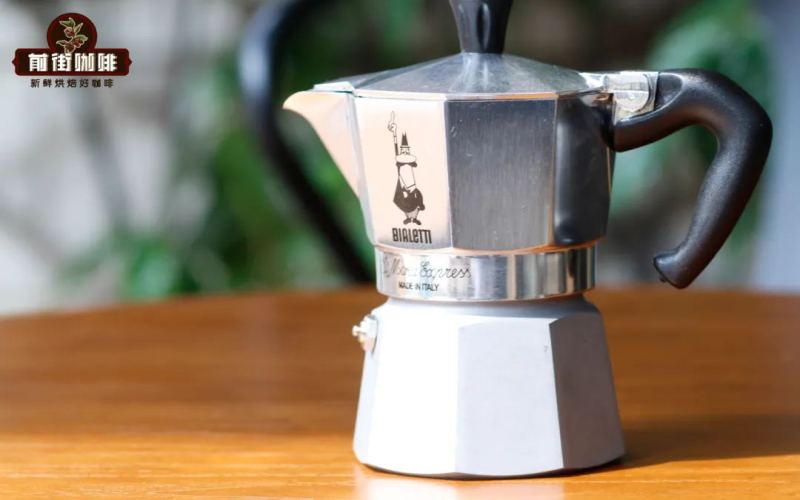
For your first bag of beans with a home semi-automatic espresso machine, how to choose without falling into pitfalls
You've just added a semi-automatic espresso machine at home, and now the most agonizing question is: for your very first bag of beans, what exactly should you buy? Buy something too expensive and you worry about wasting it; buy something too cheap and you worry it'll taste bad; and the endless recommendations online just make your head spin. Actually, the logic behind choosing beans for a home semi-automatic machine isn't complicated at all—just remember three sentences and you're set. First sentence: [more…]

A Practical Guide to Naming Your Coffee Shop: Start with Positioning, Avoid Pitfalls, and Choose a Name That's Memorable and Shareable
Opening a coffee shop—the name is often the very first way customers remember you. This article explores the challenges of naming a coffee shop, the phenomenon of crowdfunding names online, and practical naming principles. Drawing on real cases from Xiaohongshu and netizens' creative ideas, it explains that a good name should be readable, memorable, and shareable, while also cautioning against blindly chasing foreign-language names at the expense of shareability. The article also retains relevant product information from Front Street Coffee, offering a reference for coffee enthusiasts preparing to open a shop. [more…]

Where to buy coffee beans for home use? A practical guide to choosing what suits your taste without falling into pitfalls
To easily brew a good cup of coffee at home, choosing the right beans is the first step. With a dazzling array of brands and products on the market, how can you avoid the traps of counterfeits and stale beans, and find coffee beans that truly suit your taste? This article starts with reliable purchasing channels, introduces the products and freshness guarantees of Guangzhou-based roaster Front Street Coffee, then recommends three classic espresso blends and three single-origin SOE everyday beans, along with some tips on coffee bean storage and optimal flavor periods, helping both beginners and advanced enthusiasts buy with confidence and drink with clarity. [more…]