








How Reliable Are Coffee Bean Descriptions Based on Aroma?
Smelling whole beans before ordering does not reliably predict how a coffee will taste. Many aromatics stay locked inside the unground bean, and the olfactory experience is not the same as the taste experience. Floral-forward beans often smell of green tea or sugarcane while whole, and balanced beans may show only woody or nutty tones until they are ground.
Front Street Coffee suggests two steadier ways to judge a coffee before brewing: read the coffee bean descriptions on the label, which indicate sweetness, acidity, and bitterness, and ask a barista about the flavor direction. Honey-processed beans, for example, usually carry a fruity, candy-like sweetness, while dark roasts lean toward chocolate.
Many coffee enthusiasts habitually smell the beans before deciding what to drink, believing that beans with an appealing dry aroma will surely taste better when brewed. However, Front Street Coffee points out that this practice involves two major misconceptions: first, not all flavors can be released through the dry aroma of unground beans; second, the olfactory experience is not equivalent to the taste experience. This article analyzes in detail the limitations of choosing coffee by smelling the beans and offers two more reliable methods for judging flavor—interpreting label information and consulting a barista—to help you get a general grasp of a cup's sweetness, acidity, bitterness, and flavor direction before it even touches your lips.

Recently, more and more customers lean in to smell the aroma from the bean hopper before ordering, then pick a bean based on personal preference. Faced with this increasingly common practice, Front Street couldn't help but wonder: can dry aroma really represent the taste you'll ultimately drink? The answer is mostly: "It smells so good, it can't taste bad!" Admittedly, besides base notes like wood and roasted nuts, the scent given off by coffee beans does carry their own unique flavor clues.
For example, fruity beans often have a pronounced sweet aroma; honey-processed beans frequently present a fruity-candy-like sweetness; dark-roasted beans emit a rich chocolate scent. However, Front Street does not recommend using bean aroma as the primary basis for choosing coffee. There are two main reasons:
First, dry aroma can easily mislead your bean selection. Not all characteristics of a bean can be fully revealed through the dry aroma in its unground state. Take floral-forward coffee beans as an example: when unground, they release more scents like green tea and sugarcane, and very few beans can directly let you smell floral notes while still whole.
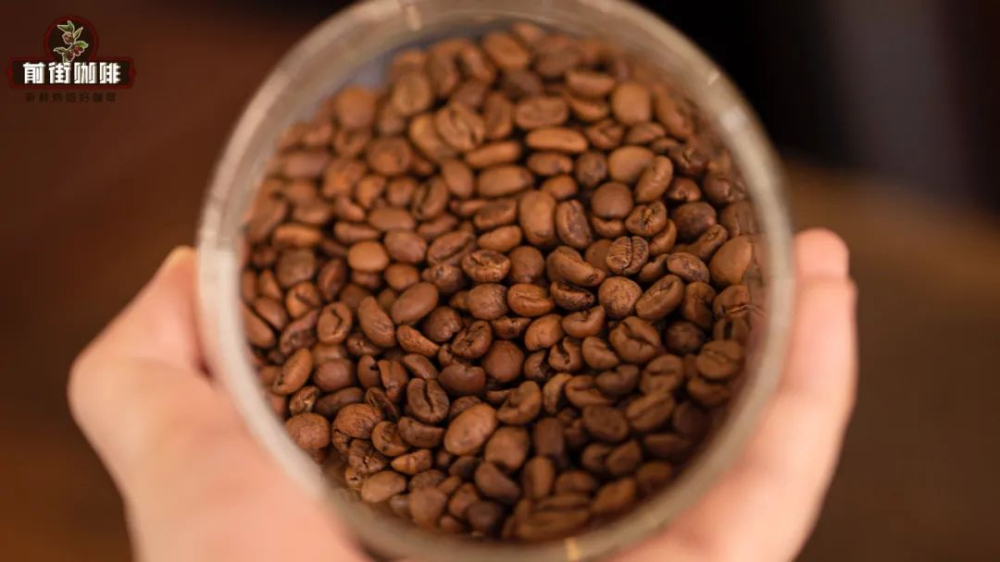
Another example is some well-balanced beans: unground, you can at best catch woody notes or nutty tones; only after grinding are large amounts of aromatic substances released. In other words, many beans that seem unremarkable when smelled may perform far beyond your expectations when drunk.
Second, smelling and drinking are two different things. About half a year ago, Front Street discussed this topic in the article "Coffee Doesn't Smell as Good as It Tastes": the aroma of coffee induces your judgment, making you mistakenly believe that the taste you drink will be exactly the same as what you smell.
For example, some beans carry rich fruity flavors after brewing, and this fruitiness is actually composed of both acidity and sweetness. The higher the acidity within an appropriate range, the fuller the fruitiness; the fuller the fruitiness, the sweeter it smells. This leads to a problem: many friends new to coffee mistakenly think it's a cup of high-sweetness, no-acidity coffee. As a result, when they take a sip full of sweet expectations, they're met with a solid hit of acidity, and their facial expression instantly collapses.
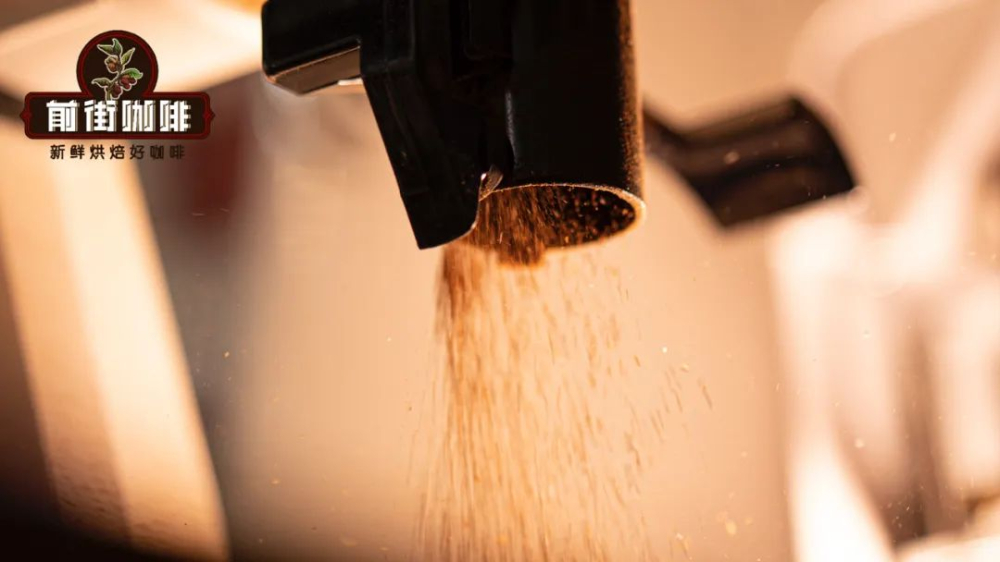
Or perhaps it smells of rich nutty, chocolatey aromas, but in the mouth it's bitterness and spice. There are many similar situations. Therefore, every time Front Street hands beans to students to smell, it adds: what you smell and what you taste are two different things. So, before we've even taken a sip, how can we roughly judge the taste of a cup of coffee?
① Judge by label information (suitable for those with some experience). Besides flavor descriptions, labels contain other information that can serve as reference, the two most crucial being: origin and processing method.
"Oranges grown south of the Huai River are oranges; grown north of it, they become trifoliate oranges." Origin determines a bean's basic flavor direction—different growing regions give beans vastly different flavor backdrops. Different processing methods, meanwhile, cause different transformations of substances inside the green bean, giving rise to varied tastes. For example, washed beans usually have brighter acidity, natural beans generally have higher sweetness, and anaerobic-processed beans have a more intense fermented character. As long as you combine the flavor description with this information, you can roughly infer a bean's sweetness-acidity-bitterness direction and overall characteristics. For more details, see the bean selection article "How Should Beans Be Selected?"
② Ask the barista directly (best for beginners). A barista's daily work, besides brewing coffee, is drinking coffee. It could even be said that many people choose to become baristas precisely to enjoy the deliciousness of coffee to the fullest in the shop.

Therefore, baristas who drink the shop's beans every day know each bean's characteristics like the back of their hand. When you're at a loss facing the menu, simply tell the barista your needs—"I want a cup of coffee like this"—and tell him the taste you're hoping for: acidic, sweet, bitter, floral, fruity, winey, etc., and he can help you find the most suitable bean.
Front Street Coffee
No. 10, Bao'an Front Street, Yandun Road, Dongshankou, Yuexiu District, Guangzhou, Guangdong Province
The above content is compiled by CoffeeHunters, a coffee news website.


