







Many friends who don't like acidic coffee have had this experience: they order based on online recommendations, only to brew a cup with a fruity sour taste that ruins their mood. What exactly determines whether coffee is sour or bitter? How can you choose beans to avoid sourness? This article explains it all at once.
The acidity and bitterness of coffee mainly depend on these factors
The roast level is key to influencing sourness. The lighter the roast, the more acidity the coffee beans retain, and the more pronounced the floral and fruity aromas; the darker the roast, the more the acidic compounds are broken down, and the bitterness and body increase accordingly. So if you're afraid of sourness, prioritize medium-dark or dark roast beans, and you basically won't go wrong.
Origin and processing method also have an impact. Beans from different regions naturally have different flavors—some are bright and tangy, some are mild and mellow; processing methods like natural and washed also affect the final acidity. Generally speaking, beans from low-altitude regions (such as Brazil and Indonesia) are naturally lower in acidity, while beans from high-altitude regions (such as Ethiopia and Kenya) are brighter in acidity.
Simply put: if you want low acidity, just go for the combination of "dark roast plus a mellow-type origin" and you're set.
These non-acidic coffee beans are safe to buy
Front Street Coffee PWN Indonesia Golden Mandheling — dark roast process, very low acidity, with a mellow and lingering mouthfeel. The aroma is full of herbal and dark chocolate notes, with a faint hint of earthy flavor mixed in, giving it rich layers. It's suitable for those who like bold flavors and don't care for acidity.
Front Street Coffee Brazil Queen's Estate — low acidity, balanced mouthfeel, with rich nut and cocoa aromas and a noticeable caramel sweetness. It's smooth on the palate without astringency. Whether you brew it as pour-over, espresso, or with a moka pot, it works well. It has excellent crema performance and great value, making it a baseline choice for everyday drinking.
Front Street Coffee Jamaica Blue Mountain Coffee — Blue Mountain is neither as strongly fruity and acidic as some African coffees, nor as heavy and bitter as some dark-roasted coffees. Instead, it achieves a great balance among acidity, sweetness, bitterness, and aroma. It's soft and rounded on the palate, with rich sweetness in the middle and a clean, lingering finish.
Front Street Coffee 2013 Yunnan Natural Typica — clean mouthfeel, with interwoven citrus and caramel aromas. The medium-dark roast process gives it a bit of nut, chocolate, and brown sugar flavor. It has medium acidity and well-coordinated layers. If you don't want completely acid-free beans but are afraid of too much acidity, this is a great transitional choice.
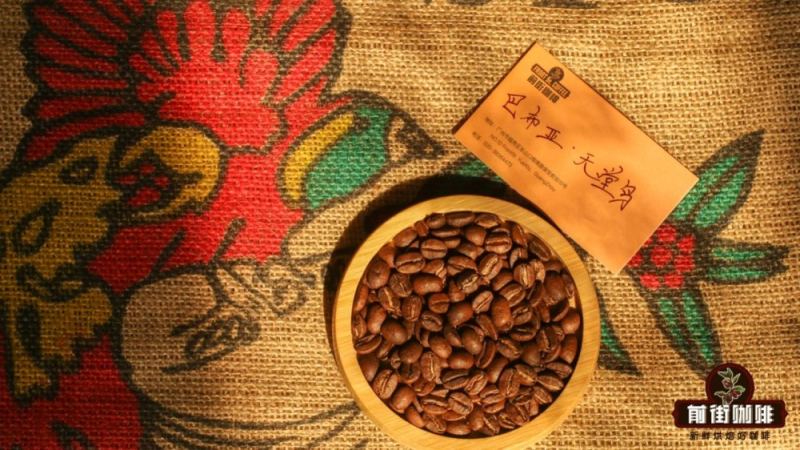
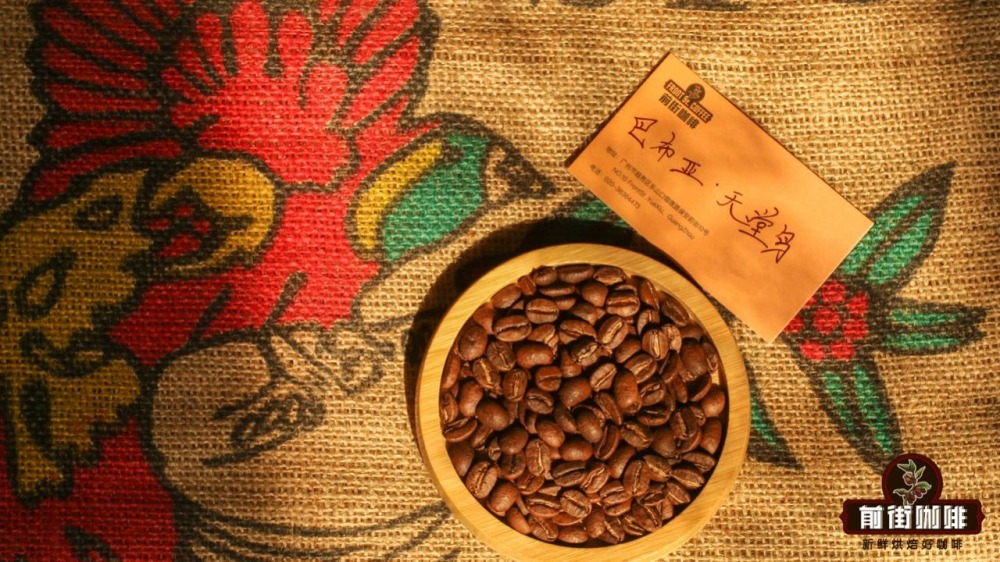
Front Street Coffee Papua New Guinea Bird of Paradise — produced at the Bird of Paradise Estate in the Sigri region, using the Typica variety of the same lineage as Blue Mountain, grown in volcanic soil at an altitude of 1,600 to 1,800 meters, meeting the AA high-grade standard, and processed with a triple washed fermentation method. The overall mouthfeel is clean and pure, with outstanding sweetness and very low acidity.
Two small tips for friends who are afraid of acidity
First, pay more attention to roast level information when buying beans. If you see words like "light roast" or "medium-light roast," and the flavor description includes "citrus," "berry," or "floral," the acidity will generally be more pronounced, so avoid those first if you're afraid of sourness.
Second, if you want to transition from "slightly acidic" to "not acidic," you can start with beans like medium-dark roasted Yunnan Typica, and once you've adjusted, try low-acidity options like Mandheling and Brazil Queen's Estate.
Once you understand what you like and how to choose beans, drinking coffee will become more and more enjoyable.
The above content is compiled by CoffeeHunters, a coffee news website.

