







Search Results for: same lot
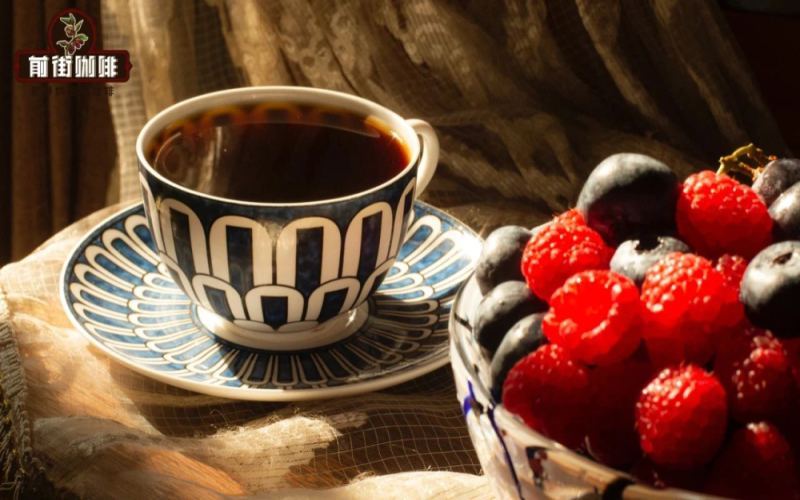
What is the difference between auction lot and same-lot coffee beans? An in-depth analysis using the example of Ethiopian COE26 same-lot beans
In the specialty coffee world, auction lots and same-lot coffees are often lumped together, but the two differ fundamentally in quality and scarcity. This article begins with a real sourcing experience at Front Street Coffee, recounting the team's attempt to purchase COE26 same-lot beans after missing out on an Ethiopian COE auction lot. The article systematically sorts out the competition format and process of the COE Cup of Excellence, the conceptual difference between auction lots and same-lot beans, and documents in detail this Yirgacheffe Worka washed bean's regional background, processing method, roasting curve, cupping performance, and brewing parameters. Will the final cupping result deliver the matcha aroma as hoped? Can same-lot beans replicate the surprise of an auction lot? The answer will be revealed in the article. [more…]
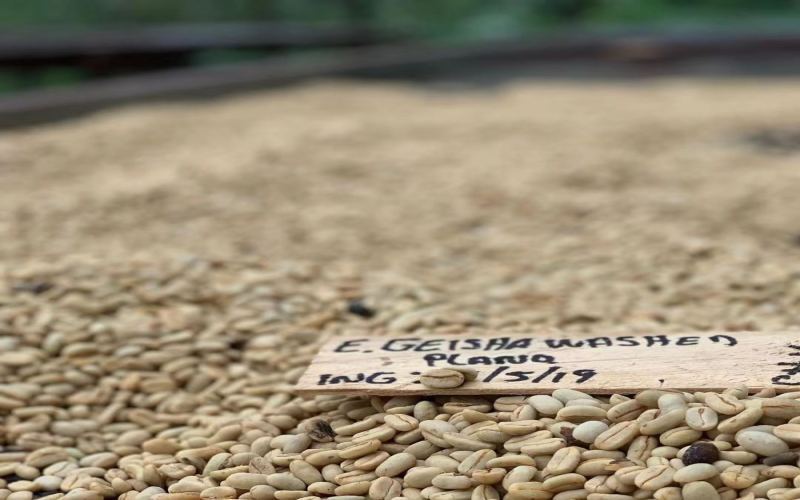
Exploring Costa Rica's Tarrazú Dota Region: A Comprehensive Analysis of Micro-Lot Geisha and Hacienda La Esmeralda Auction Geisha
Geisha and Yirgacheffe are actually the same type of coffee, transliterated from Japanese. This article begins with the red, green, and blue label classifications of Panama's Hacienda La Esmeralda, sorting out its strict quality control and auction lot standards, and tracing Geisha's legendary path from the forests of Ethiopia to Kenya, Tanzania, Costa Rica, and then to Panama, where it rose to fame. It also delves into Gesha Village to explain the variety differences between Gori Gesha and Gesha 1931, the meanings of the OMA and SURMA block numbers, and the traceability system for natural process lots. Finally, it presents complete information on three products launched by Front Street Coffee: Ethiopia Gesha Village Natural, Panama Hacienda La Esmeralda Red Label Washed, and Costa Rica Tarrazú Dota Goddess Estate Geisha. [more…]
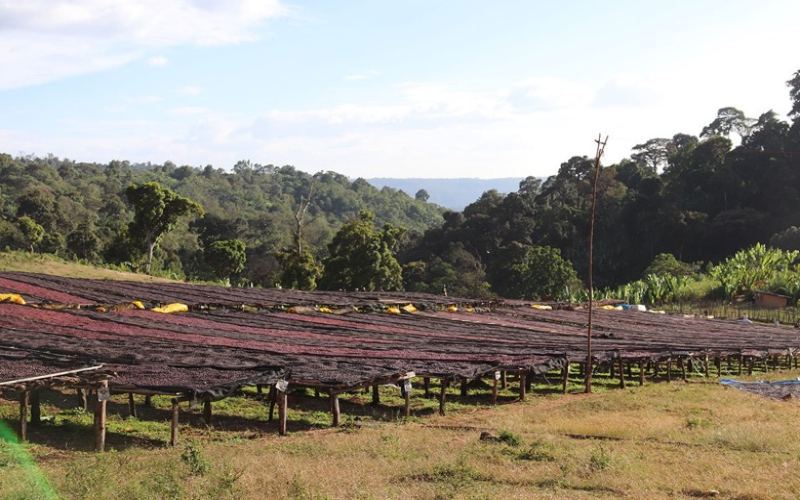
Micro-lots as Small as a Few Sacks—What Makes Them So Memorable?
In the world of specialty coffee, micro-lot is a term that sets hearts racing. It might come from a small east-facing plot on an estate, or from a small batch of green beans processed separately in a single fermentation tank at a processing station. The yield is often only a few dozen bags, and once they're sold out for the season, you'll have to wait until next year for that same flavor. This sense of exclusivity, [more…]

Is Micro-Lot Coffee Always Higher Quality? Decoding the Unique Flavors of Costa Rica's Musician Series Mozart
Micro-lot coffee is often labeled as high quality, but is it necessarily superior to regular lots? This article examines the true positioning of micro-lot coffee from the perspectives of transportation costs, estate production logic, experimental processing, auction selections, and private customization. At the same time, using the Costa Rica Musician Series Mozart as an example, it introduces the flavor performance of this raisin honey-processed micro-lot from Front Street Coffee's bean list, and analyzes the differences between air-freighted lots and sea-freighted lots, helping coffee enthusiasts view the concept of micro-lots rationally. [more…]

A Complete Guide to the Cup of Excellence (COE): Scoring Standards, Competition Format, and What Auction Lots Mean
If you frequently buy specialty coffee beans, you have surely seen the letters "COE" on packaging labels. What exactly do they stand for? Why are beans bearing the COE mark often more expensive? This article will give you a comprehensive understanding of COE—from its origins and founding organization, to its specific differences from the SCA cupping scoring system, and then to the three-stage competition format of the Ethiopia COE, breaking it all down one by one. It will also explain the difference between COE auction lots and national winner lots, as well as the difference between "same-lot" beans on the market and true auction lots, helping you more accurately understand and select coffee beans. [more…]

Exploring Ethiopia's Gesha Village Estate: The Origins, Grading System, and Full Flavor Analysis of Wild Geisha
When it comes to Geisha, most people first think of that cup of floral tea with rose aromas and citrus notes from Hacienda La Esmeralda in Panama. However, in the Bench Maji region of Ethiopia, there hides another estate famous for its native wild Geisha — Gesha Village. It was founded in 2011 by documentary filmmaker Adam Overton and his photographer wife Rachel Samuel, and boasts a strict grading system and a complete flavor traceability system. This article will take you deep into the discovery journey of Gesha Village, the grading standards for the Auction/ Gold/ Red/ Green/ Chaka lots, processing details, and block divisions, along with Front Street Coffee's brewing parameters and flavor descriptions for the Gold, Red, and Chaka lots, providing coffee lovers with a comprehensive guide to Gesha Village. [more…]
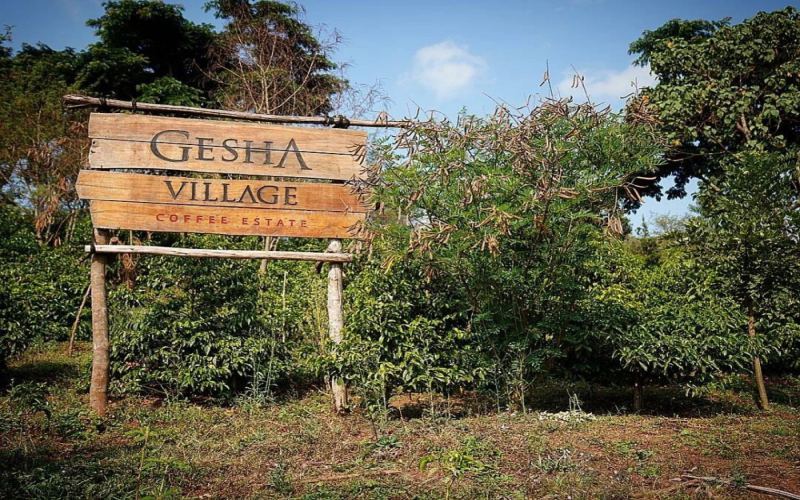
Gesha Village Estate Gold, Red, and Green Label Chaka Grade Comparison: Ethiopian Gesha Coffee Variety and Cupping Flavor Analysis
In the world of specialty coffee, Geisha is undoubtedly one of the most talked-about varieties in recent years. And when it comes to Geisha, one cannot fail to mention Gesha Village Coffee Estate, located in the Bench Maji region of Ethiopia. This estate is not only the original collection site of the Panamanian Geisha variety, but is also renowned for its strict grading system and multi-variety planting system. This article will systematically introduce the variety composition of Gesha Village Coffee Estate—Gori Gesha, Gesha 1931, and Illubabor—and analyze one by one the grading standards, production proportions, and flavor characteristics of the Gold Label, Red Label, Green Label, Chaka, and auction lots. At the same time, Front Street Coffee will combine the specific origin information, altitude data, and processing methods of each lot to share the cupping performance and brewing suggestions for Gold Label, Red Label, and Green Label Geisha, helping coffee lovers gain a comprehensive understanding of this legendary estate's flavor landscape. [more…]
Exploring Ethiopia's Gesha Village Estate: A Complete Analysis of Wild Geisha Gold Label, Red Label, Chaka Flavors and Grading
In the world of coffee, Geisha is undoubtedly a shining name. Most people first think of the Geisha from Panama's Hacienda La Esmeralda, which after being identified for its unique flavor in 2003, went on to win numerous green bean competitions such as the BOP. However, in Ethiopia's Bench Maji region, there is also a village likewise named Geisha, where the Geisha grown is entirely different from Panama Geisha, yet equally stunning. Front Street Coffee will take you into Gesha Village Coffee Estate, from its discovery history and estate overview, to the grading system of Gold Label, Red Label, Green Label, and Chaka batches, and then to processing methods and block divisions, comprehensively unraveling the coffee secrets of this legendary estate. Whether you want to understand the flavor differences between Gesha Village Gold Label and Red Label, or are curious about the blending charm of the Chaka batches, this article will reveal them all for you one by one. [more…]
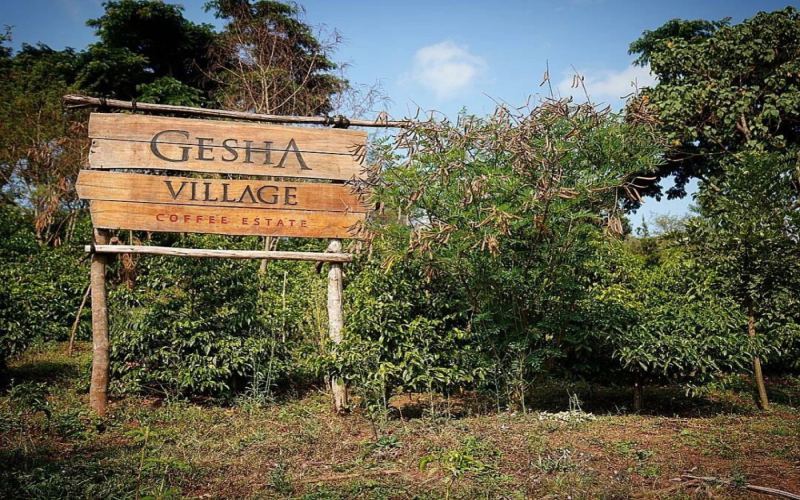
What are the differences between the various batches of coffee from Gesha Village in Ethiopia? A full breakdown of the Auction Lot, Gold, Red, Green, and Chaka
Ethiopia's Gesha Village Coffee Estate produces coffee with a style distinctly different from Panama Geisha, and has established a five-tier system: Auction, Gold, Red, Green, and Chaka. Front Street Coffee has long tracked and cupped these lots, and this article will go through the characteristics of each lot, from grading standards and flavor expression to natural processing and three-stage pour-over parameters. This year, the Gold Label shows a Panama-style profile of citrus, jasmine, honey, and tea notes; the Red Label is balanced with prominent nutty notes; the Green Label is full-bodied with berry acidity and vinous notes; and Chaka has a lower entry threshold with soft citrus and grapefruit acidity. It is suitable reading for coffee enthusiasts who want a systematic understanding of the Gesha Village product line. [more…]
What Variety Is Geisha Coffee? A Complete Analysis from Its Ethiopian Origins to Its Rise to Fame in Panama
Geisha is a highly sought-after variety in the Arabica family, but it is often confused with Hualui coffee beans. This article begins with the origins of Geisha—discovered in 1931 in the Geisha forest of Ethiopia, it then traveled through Kenya, Uganda, and Costa Rica before finally achieving fame at Hacienda La Esmeralda in Panama. It also clarifies the relationship between Panama Geisha and Gesha Village in Ethiopia, introduces the grading systems of Red Label, Green Label, Blue Label, as well as Gold Label and auction lots, and includes Front Street Coffee's Geisha products and brewing suggestions to help enthusiasts gain a comprehensive understanding of this elegant variety. [more…]
Ethiopia Gesha Village Golden Standard Geisha: A Comprehensive Guide to Variety Origins, Grading System, and Flavor Profile
When people mention Geisha, most first think of Panama, but the variety actually originated in Ethiopia. This article focuses on Gesha Village Coffee Estate, tracing its complete journey from the discovery of wild Geisha to the establishment of the estate and the holding of international auctions. It explains in detail the five-tier grading system of Auction, Gold, Red, Green, and Chaka, and introduces the natural processing workflow. At the same time, Front Street Coffee will share the cupping performance of Gesha Village Red Label natural beans and ideas for adjusting brewing parameters, helping coffee lovers understand the flavor characteristics and extraction key points of this bean. [more…]
What Are the Differences Between Ethiopian Geisha and Panamanian Geisha? A Comparative Analysis of the Flavors of Geisha Coffee Beans from Two Major Estates
Geisha coffee is a star variety in the specialty coffee world, and when it is mentioned, most people first think of Panama's Hacienda La Esmeralda. However, Ethiopia, the birthplace of Geisha, now also has Gesha Village producing high-quality Geisha. Though both are called Geisha, what exactly are the differences between coffees from these two major producing regions? What are the distinctive features of each estate's background, grading system, and flavor performance? In this article, Front Street Coffee (FrontStreet Coffee) will sort out the origin and spread of the Geisha variety, explain in detail the Red Label, Green Label, and Blue Label grading system of Panama's Hacienda La Esmeralda, introduce Ethiopia's Gesha Village auction, Gold Label, Red Label, Green Label, and Chaka lots, and present the flavor differences between Geisha from the two places through brewing comparisons, helping coffee enthusiasts gain a comprehensive understanding of the unique charm of these two major Geisha-producing regions. [more…]
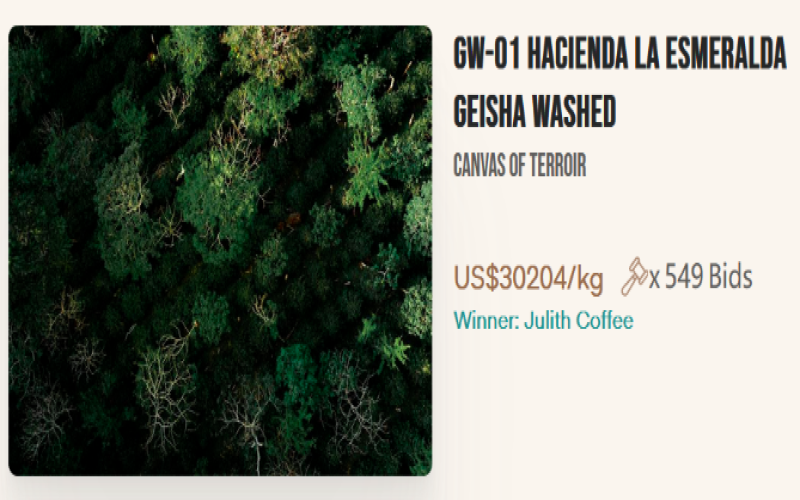
JD.com wins Panama BOP Natural Geisha auction top lot for 3.4 million yuan, will launch a 9.9 yuan tasting event
Recently, the Panama BOP (Best of Panama) green bean auction, hailed as a grand event in the coffee world, has successfully concluded. In this year's auction, Hacienda La Esmeralda Geisha once again rewrote the historical transaction record: the washed group was purchased by Dubai's Julith Coffee for a staggering $30,204 per kilogram, setting a new global record for the highest unit price in coffee auctions. What excited the domestic coffee community even more was that the top lot in the natural group was won by JD.com for approximately 3.4 million RMB, with 20 kilograms of green beans going through 2,676 intense bids. JD.com subsequently announced that this batch of Geisha will be roasted and processed for exclusive sale on JD Supermarket, accompanied by activities such as a "spend 5,000, save 4,990" coupon and 9.9 yuan tasting slots, giving ordinary consumers a chance to experience top-tier specialty coffee. Front Street Coffee will also continue to follow the subsequent developments after this top lot arrives in port. [more…]
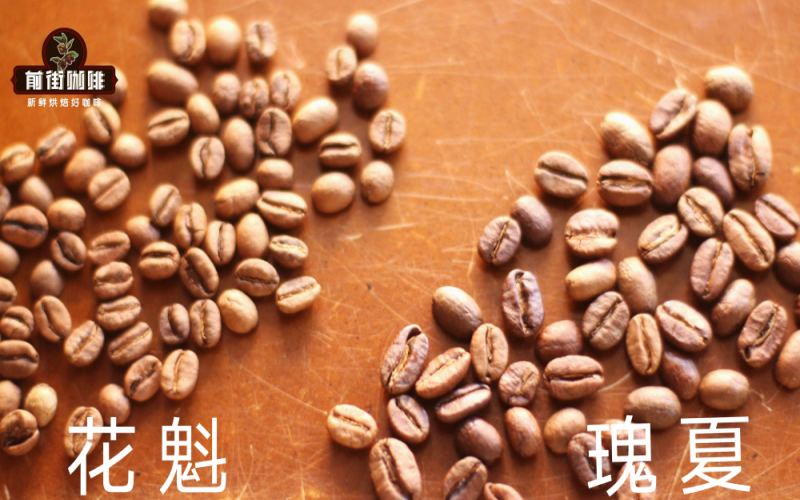
A Complete Guide to the Geisha Coffee Variety: From Its Ethiopian Origins to the Grading and Flavor of Panama's Hacienda La Esmeralda
Geisha is a highly sought-after variety in the Arabica family, journeying from the forests of Ethiopia to the world stage and shining brilliantly at Hacienda La Esmeralda in Panama. This article systematically traces Geisha's discovery and spread, explains in detail Hacienda La Esmeralda's Red, Green, and Blue Label grading system and flavor differences, and clarifies the distinction between Ethiopia's Gesha Village and Panama Geisha. It also introduces the characteristics of Gesha Village's auction, Gold, Red, Green, and Chaka lots, as well as Front Street Coffee's Geisha product recommendations and brewing parameter suggestions, helping coffee lovers gain a comprehensive understanding of this elegant variety. [more…]
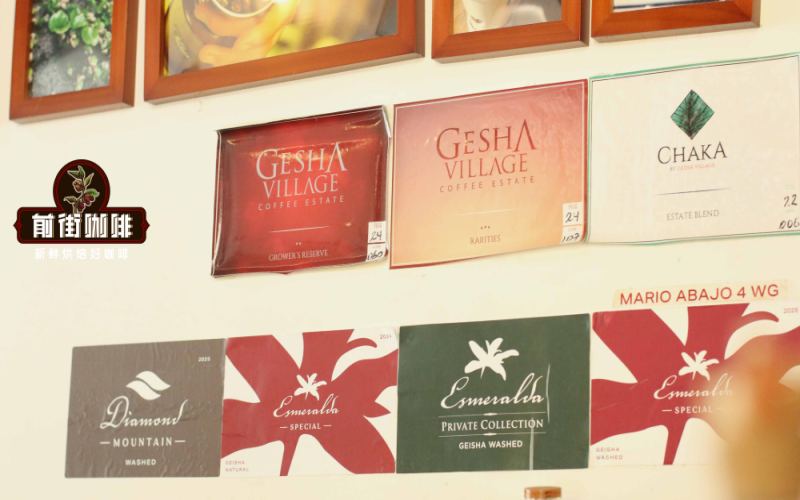
Why Is Geisha Coffee So Expensive? A Full Breakdown of the Grading Systems of Panama's Hacienda La Esmeralda and Ethiopia's Gesha Village
Geisha is widely recognized as a top-tier coffee variety, sweeping the globe from Ethiopia's pristine forests to the auction stage of Panama's Hacienda La Esmeralda, captivating the world with its delicate floral aroma and elegant fruit acidity. But why does the price of Geisha coffee remain so high? And how do different estates classify their grades? This article will guide you through Geisha's history of spread, its stringent growing environment requirements, and break down the grading standards and flavor profiles of Panama's Hacienda La Esmeralda (Auction, Red Label, Green Label) and Ethiopia's Gesha Village (Auction, Gold Label, Red Label, Green Label, Chaka) one by one, while also sharing Front Street Coffee's bean selection advice and cupping experience. [more…]

Comparison of Red Label Geisha Coffee Beans from Gesha Village, Ethiopia and Hacienda La Esmeralda, Panama: Differences in Characteristics, Pour-Over Flavor, and Brewing Methods
Geisha coffee's status in the specialty coffee world needs no elaboration—its fame even rivals that of Blue Mountain coffee. Someone once described the experience of drinking Geisha this way: with one sip down the throat, the heart is already captured by her. This article takes the Geisha Village estate in Ethiopia and the Red Label Geisha from Hacienda La Esmeralda in Panama as its subjects, sorting out the variety backgrounds of these two major origins, the estate grading systems, the differences in green bean appearance, and the concrete distinctions in cup flavor. At the same time, Front Street Coffee will share a set of V60 pour-over parameters and pouring techniques designed specifically for the physical characteristics of Geisha beans, helping enthusiasts more fully express Geisha's floral-fruity profile and layers of sweetness. [more…]
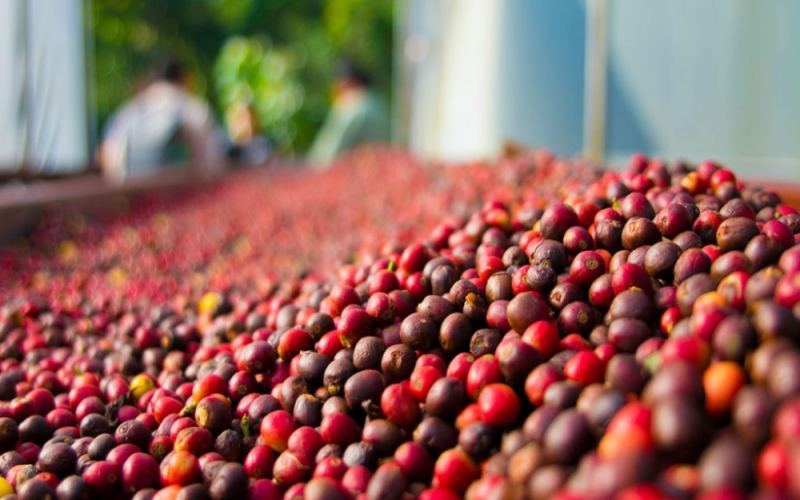
An Analysis of the Differences Between Panama's Hacienda La Esmeralda and Ethiopia's Gesha Village Red Label: A Complete Overview of the Auction, Gold Label, and Green Label Grading System
Geisha coffee beans rose to fame after Hacienda La Esmeralda in Panama won the BOP competition in 2004, and today Ethiopia's Gesha Village has also become a focus of the specialty coffee world. Although both estates are renowned for the Geisha variety, their grading systems differ greatly. Hacienda La Esmeralda divides Geisha into three grades: Auction, Red Label, and Green Label, while Gesha Village offers Auction, Gold Label, Red Label, Green Label, and Chaka batches. This article will systematically organize the Geisha grading standards of these two major estates, provide an in-depth analysis of the meaning and differences of Red Label Geisha, and introduce related product information recommended by Front Street Coffee, helping coffee enthusiasts fully understand the grading system and flavor characteristics of Geisha coffee. [more…]
Analyzing the Three Major Varieties of Gesha Village: The Flavor Codes of Gori Gesha, Gesha 1931, and Illubabor
Since Geisha coffee shot to fame in Panama in 2004, it has firmly held the throne as the king of specialty coffee, with its price and popularity continuing to climb. Yet Geisha's roots have always lain in the primitive forests of Ethiopia. This article takes you back to Geisha's birthplace—the Gesha Village Coffee Estate in Bench Maji—to explore in depth its three core varieties: Gori Gesha, Gesha 1931, and Illubabor, and to break down the estate's unique grading system, from Auction, Gold, Red, and Green to Chaka CHAKA. Front Street Coffee will also share product information and brewing suggestions for various lots from Gesha Village, joining you in discovering the fresh citrus notes and bright acidity that African terroir bestows upon Geisha. [more…]
Ethiopia Gesha Village Washed Heirloom Gesha Coffee Flavor Analysis: A Complete Overview of Lot#94 and the Grading System
Since Geisha stunned the world in Panama in 2004, it has remained at the pinnacle of specialty coffee. But tracing its roots, Geisha's genetics actually come from the primitive forests of Ethiopia. This article takes you back to Geisha's birthplace—the Gesha Village Estate in the Bench Maji region—to learn how this large estate recovered the original Geisha variety from the Gori Gesha forest and established a grading system of Auction, Gold, Red, Green, and CHAKA lots. The article also presents flavor descriptions of several Gesha Village lots from Front Street Coffee, along with recommended pour-over parameters for CHAKA, making it suitable reading for coffee lovers who want to gain a deeper understanding of the flavor differences among Ethiopian Geishas. [more…]
Ethiopian Gesha Village Coffee Flavor Analysis: A Complete Overview of Variety Origins, Production Areas and Plots, and the Grading System
When people talk about Geisha, most think first of Panama. However, the roots of this legendary variety lie in Ethiopia. Front Street Coffee takes you through the history of Geisha's spread, from the discovery of the Geisha forest in 1931 to the establishment of the Gesha Village Estate in the Bench Maji region. This article will provide a detailed analysis of the three coffee varieties at Gesha Village—Gori Gesha, Gesha 1931, and Illubabor Forest 1974—and introduce the terroir characteristics and coffee flavors of the estate's eight farms one by one. In addition, Gesha Village's strict grading system of Auction, Gold, Red, Green, and Chaka lots will also be presented, helping coffee enthusiasts gain a comprehensive understanding of the unique charm of Ethiopian Geisha. [more…]