







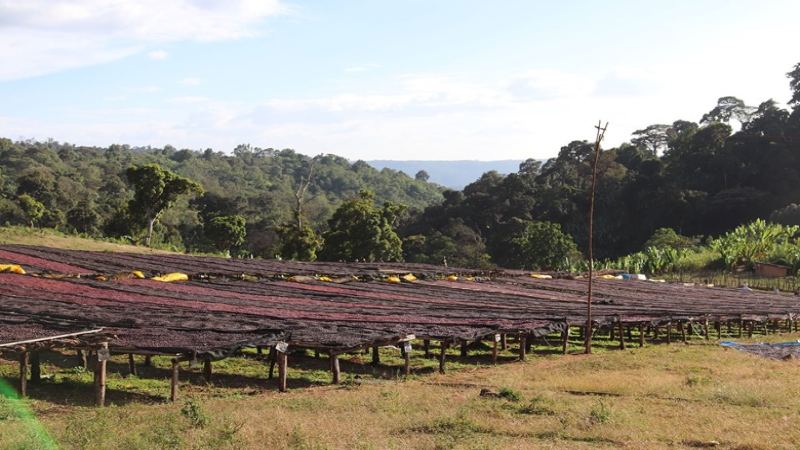
In the world of specialty coffee, micro-lot is a term that gets your heart racing. It might come from a small east-facing plot on an estate, or from a handful of green beans processed separately in a single fermentation tank at a processing station—often only a few dozen bags in total. Once this season's lot sells out, you'll have to wait until next year for that same flavor. This sense of exclusivity is exactly where its charm lies.
The essence of a micro-lot is slicing the expression of terroir more finely. On the same mountain, the temperature difference between the foot and the peak, along with varying soil across plots, gives coffee subtle distinctions. By harvesting and processing plots with similar conditions separately, the plot-specific character of the flavor won't be diluted in a large blended batch. Drinking a micro-lot is, in a sense, drinking the sunshine and rain of a specific coordinate—which is also why it costs more: the costs are spread over a smaller yield.
Ethiopia has a natural advantage here, with producing regions divided extremely finely by altitude and plot. The Hambela region, where Front Street Coffee's Huakui comes from, has many such small lots. The natural process amplifies the concentration of fruit notes unique to each plot, and anyone who has compared different lots on the same bean list will remember the flavor differences. Front Street Coffee's Yirgacheffe Goudingding comes from a local smallholder cooperative, where each family is allocated only a few hundred coffee trees. Green beans are collected in batches by processing station, and the cooperative model allows smallholders' beans to be seen as distinct lots.
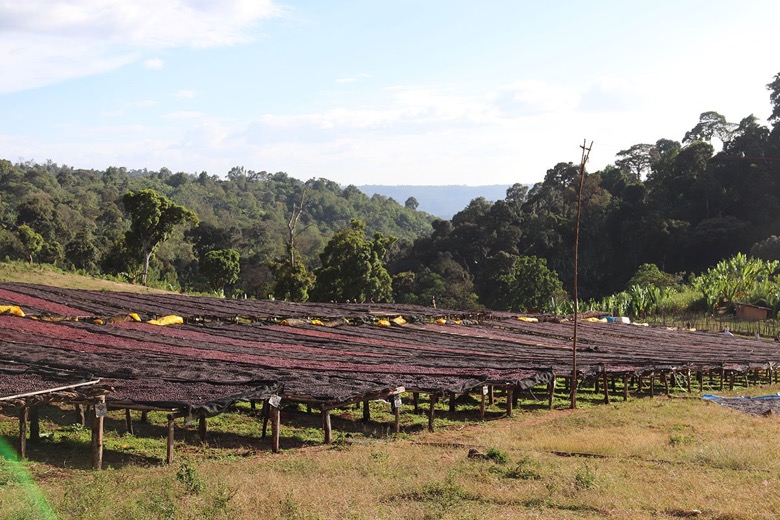
Single-estate lots offer another layer of certainty. Front Street Coffee's Queen's Estate beans come from a fixed Brazilian estate. The Yellow Bourbon variety with natural process delivers a nutty and creamy-chocolate style that stays stable year after year, like a good-natured old friend. This consistency strikes a balance between limited edition and everyday drinking: it has a sense of being a lot, yet it holds up to daily consumption.
When exploring micro-lots, you need to accept two things mentally. First, there will be variation between lots—it's perfectly normal for this year's flavor description to differ from last year's; that's precisely the evidence of natural terroir. Second, small yields mean restocking is unreliable. When you come across a lot you love, stocking up while it's fresh is standard practice. Focus on the story of the lot itself, and it will taste all the more satisfying.
For beginners, starting with branded lot beans is more reassuring. Those labeled with origin, processing method, and lot information on the bean list usually take traceability more seriously. After trying a few, you'll naturally develop a desire to compare—and by then, it won't be too late to dive into more obscure lots. The meaning of a limited-edition bean isn't in its rarity itself, but in teaching you to see coffee through the lens of lots. The joy of the hunt has only just begun.
The above content is compiled by CoffeeHunters, a coffee news website.

