









"Sweet aftertaste and saliva production, sweetness after bitterness" is the highest praise people give to a good cup of tea, and in coffee tasting, people also often use the term "sweet aftertaste," usually referring to coffee having a pleasant mouthfeel. So, what exactly kind of taste experience is it when you perceive a sweet aftertaste in coffee? And what is the difference between it and the sweetness of coffee?
After swallowing coffee, the aroma, taste, and mouthfeel exhibited by the coffee substances remaining in the oral cavity are what we call the aftertaste. Before swallowing, the coffee taste, aroma, and tactile sensations felt are classified as flavor and mouthfeel performance; while after swallowing the coffee, these characteristics exhibited are called the aftertaste. You can simply understand this as a matter of time difference. In this way, when tasting coffee in the future, you can use this time period to determine which part belongs to flavor and mouthfeel, and which part belongs to the aftertaste.

Coffee with a sweet aftertaste is a taste bud experience in which there is slight bitterness or astringency upon entry, then the sweetness gradually surpasses the bitter (astringent) sensation, and finally ends with sweetness. The so-called "bitterness first, sweetness later" is the clear sweet breath that returns after the bitterness dissipates in the oral cavity.
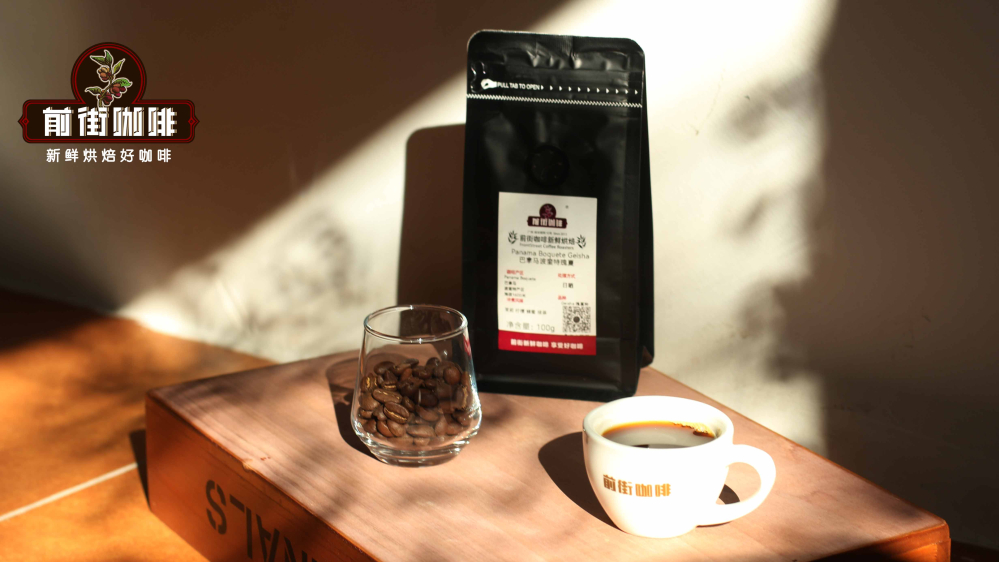
Light-roasted coffee beans highlight floral aromas and rich fruity acidity while also lacking a mellow, solid bitterness. The brewed coffee contains mostly small-molecule substances, is strongly hydrophilic, and easily volatile. In addition, it contains rich organic acid components, which promote saliva secretion upon entry, thereby accelerating the speed at which flavors dissipate. This is also why, when drinking light-roast coffee, the aftertaste perception is often less intense and lasting than that of dark-roast coffee. Tasting Front Street Boquete Geisha gives fruity acidity like sugar mandarin, the sweet fragrance of honey, and the tea charm and sweet aftertaste of Tieguanyin.
Dark-roasted coffee has a high degree of caramelization, almost no acidity, and a strong bitterness, with relatively intense dark chocolate and cocoa flavors, along with a certain smoky note and high body. Good dark-roast beans are mellow and bitter on entry yet smooth, with a strong sweet aftertaste and sweetness. You can start with the following coffee beans:
Coffee bean recommendation one with an obvious sweet aftertaste: Front Street PWN Golden Mandheling

Indonesian Mandheling is known for its intense taste and is deeply welcomed by coffee lovers around the world. Front Street Golden Mandheling is an exclusive product of PWN company. After three hand sortings and one machine sorting, the coffee can maintain plump and uniform beans. It adopts a dark roast. After brewing, it has the special aromas of spices, caramel, herbs, dark chocolate, and pine wood, with a mellow mouthfeel and a lasting charm.
Coffee bean recommendation two with an obvious sweet aftertaste: Front Street Brazil Queen Estate
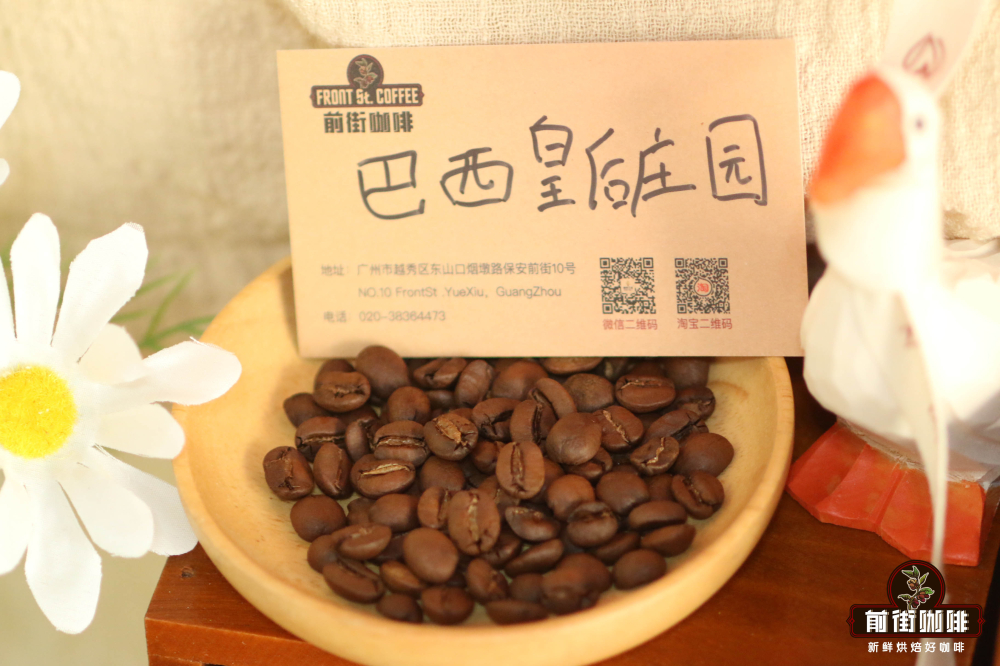
Front Street Queen Estate has the classic nutty tone of Brazilian coffee. On entry, there is first the aroma of roasted peanuts and dark chocolate with bitterness, and then the bitterness begins to fade slowly, accompanied by a sweet taste that continues for a period without weakening, so it can be called having a good sweet aftertaste.
Coffee bean recommendation three with an obvious sweet aftertaste: Front Street PNG Bird of Paradise
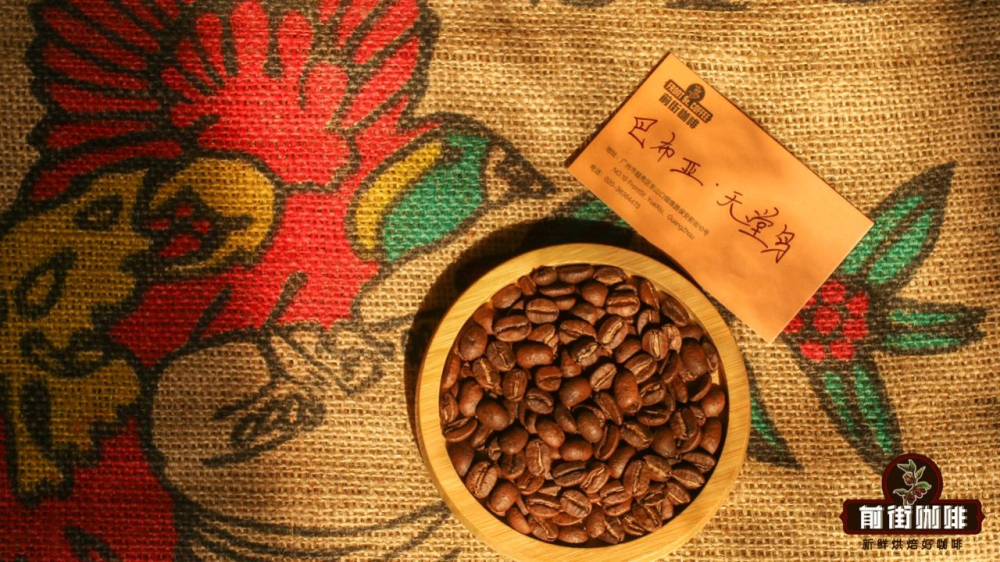
Compared with the previous two coffee beans, Front Street Bird of Paradise is a medium roast, so the bitterness is not obvious. After brewing, it has the sweet aroma of toasted bread and nuts, forming a good layered feel with slight fruity acidity. The finish has the aroma of spices and cocoa. Overall, it tastes rich and balanced, with a sucrose-like sweet aftertaste after swallowing.
Coffee bean recommendation four with an obvious sweet aftertaste: Front Street Jamaica Blue Mountain No. 1

Hand-brewed Blue Mountain No. 1 coffee is dark chocolate and nuts, very mellow, with an obvious almond sweet aftertaste. As the temperature drops, it becomes sweet and silky like roasted hazelnuts and cream, carrying a trace of soft acidity and caramel sweetness. The aroma lingers in the oral cavity, rich and full in layers, leaving a deep impression.
The above content is compiled by CoffeeHunters, a coffee news website.

