







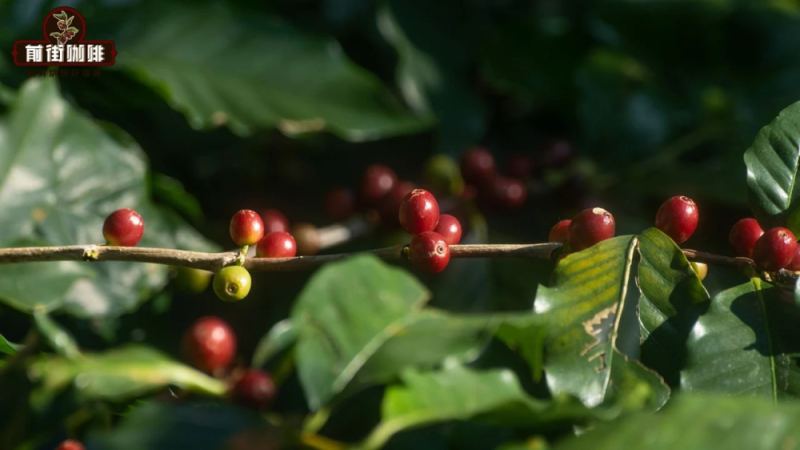
Why is Yunnan coffee called "small bean"? Does it actually belong to the Arabica variety? Starting from variety classification, this article sorts out the growing geographical conditions of Yunnan coffee, the traditional washed processing flow, and further explores its role in espresso blending. Yunnan small bean coffee, with its complex flavors of nuts, herbs, chocolate, and brown sugar, as well as lively and bright acidity, has become an excellent choice as a base bean for blending. The article also specifically introduces the flavor performance of Front Street Yunnan small bean washed beans, and how Front Street Dark Cocoa Blend combines Yunnan and Brazil coffee to create an espresso experience with balanced acidity, sweetness, and bitterness.
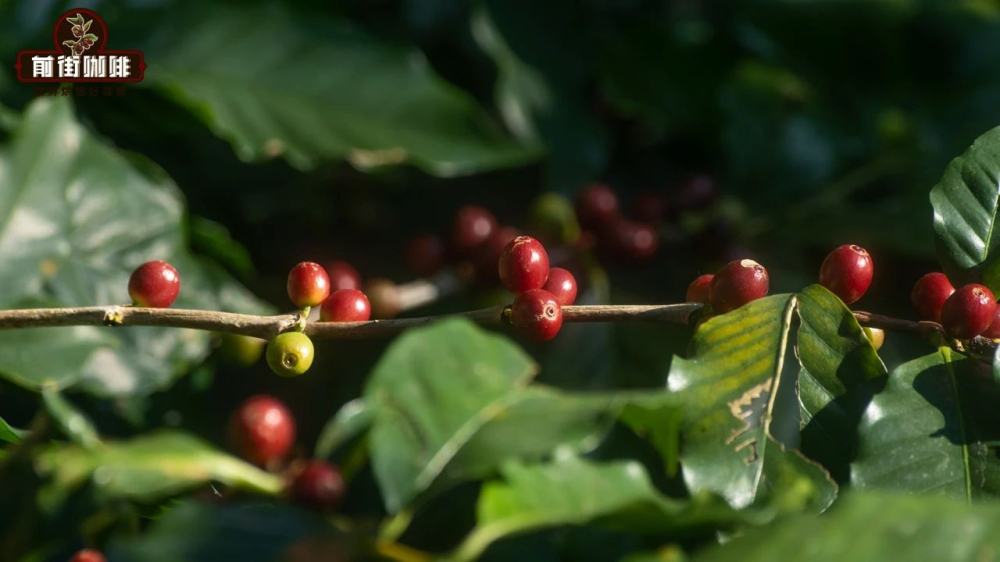
Yunnan coffee is often called "Yunnan small bean" in the industry. The origin of this name is closely related to variety classification — coffee grown in Yunnan belongs to the Arabica species, namely small-seed coffee beans, while Robusta grown in Hainan is classified as medium-seed, and the two are essentially different in variety.
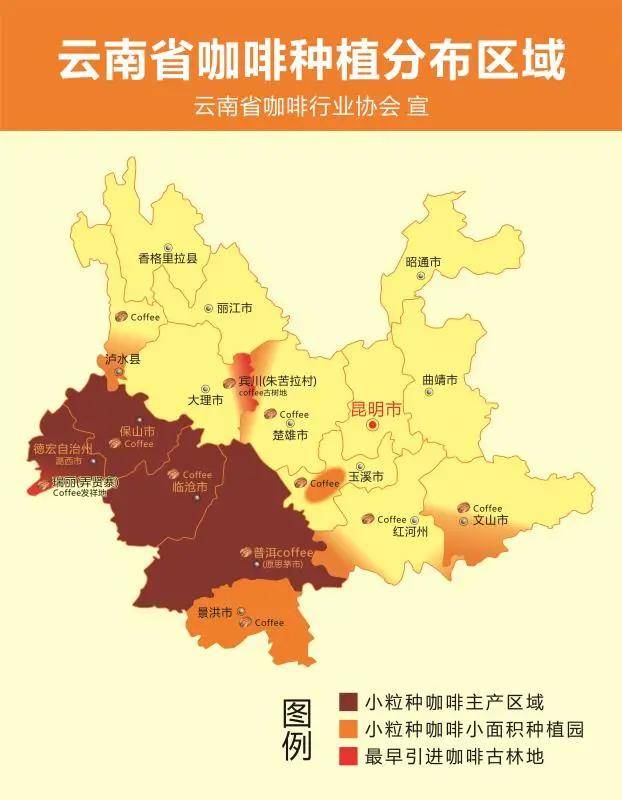
From the perspective of geographical conditions, western and southern Yunnan happen to fall within the zone between 15°N and the Tropic of Cancer. In addition, most producing areas have the advantage of high altitude, with terrain mostly mountainous and sloping, obvious undulation, sufficient soil fertility, good sunlight conditions, abundant rainfall, and a relatively large temperature difference between day and night. Southern and western regions such as Pu'er, Xishuangbanna, Wenshan, Baoshan, Dehong, and Lincang are all major distribution areas for Yunnan small-seed coffee cultivation.
In terms of processing methods, Yunnan coffee beans have long been mainly washed processed. After picking, the coffee cherries are sent to a washed processing station as soon as possible. Workers first remove insufficiently dense cherries through flotation, then use machines to remove the skin and pulp, and then place the beans in a tank for fermentation with or without water, using the fermentation process to break down the mucilage layer.
After fermentation is completed, the coffee beans need to be repeatedly rinsed with clean water to wash off the remaining mucilage, and then the demucilaged beans are sun-dried. The drying time at this stage can be shortened by more than half compared with other methods, usually taking about two weeks depending on the weather, and finally the moisture content is controlled between 11% and 13%. After drying, the coffee beans are stored with parchment until the parchment is removed before export.
If you also want to experience the unique charm of domestic specialty coffee, Front Street Yunnan small bean is worth a try. This bean uses washed processing and medium roasting. The entry is smooth and soft, with the aroma of Asian herbs, the acidity is bright and lively, and after drinking it promotes salivation on both cheeks. The acidity is soft, and the body and balance are both excellent, with rich layering. In the aftertaste, the flavors of dark chocolate, honey, and sucrose are more prominent, and after it has completely cooled, brown sugar notes can still be detected.
Front Street. Yunnan Small Bean Coffee Beans Region: Baoshan, Yunnan Altitude: 1200m Processing Method: Washed Variety: Catimor
Yunnan coffee itself has a soft dry aroma of nuts and berries. When drinking, flavors such as nuts, herbs, chocolate, and brown sugar can be perceived, with a balanced plum-like acidity, and a faint tea-like note in the aftertaste. If used to make espresso, it can also provide moderate crema and intensity. Coupled with advantages in price and distance, it is therefore very suitable as a base bean for blending.
If you want to make espresso with Yunnan flavor, you can choose Front Street Dark Cocoa Blend, made from a combination of Yunnan small bean and Brazil Cerrado. This bean is recommended by many baristas. Brazilian coffee contributes the aroma of mixed nuts and a balanced mouthfeel, while Yunnan small bean plays the role of chocolate and citrus flavors. Made as an Americano, the acidity, sweetness, and bitterness are balanced, with the sweet aroma of nuts and brown sugar; made as a latte, it presents the smooth mouthfeel of almonds and cream, and is very beginner-friendly.
The above content is compiled by CoffeeHunters, a coffee news website.


