







Search Results for: distinct
Recommendations for distinctive coffee beans: balancing budget and drinking frequency
From bean to cup, a coffee must go through grinding and extraction. When choosing specialty coffee beans for everyday use, you need to consider how quickly you'll drink them, how much to buy at a time, and whether you mainly make black coffee or milk coffee at home. First confirm your usual equipment and preferred taste, then compare specific beans—this makes the actual process much more focused. [more…]
Choosing distinctive coffee beans by roast level: from floral and fruity to rich cocoa
If you want to drink coffee with a distinctive character, the roast level is a very practical starting point. Light roasts are more likely to retain floral notes, fruity aromas and bright acidity, medium roasts bring sweetness, aroma and body to a more balanced position, while dark roasts deliver cocoa, nutty and roasted notes. Choose based on whether you usually drink black coffee, iced coffee or milk coffee, and the characteristics will [more…]
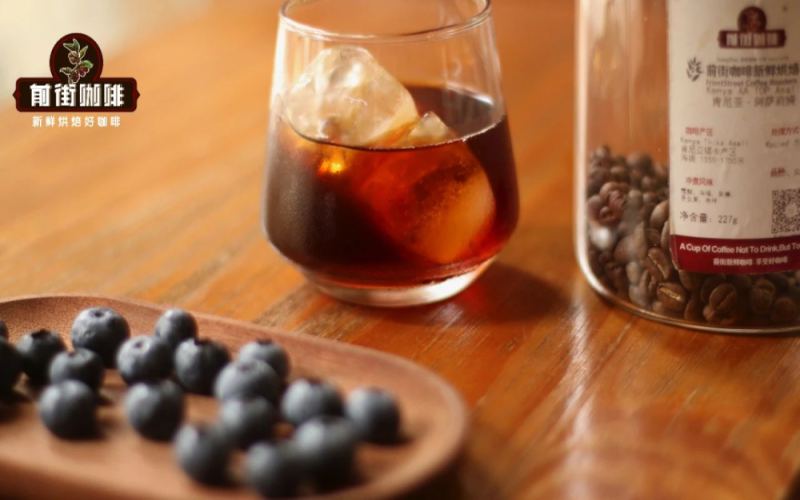
A Guide to Coffee's Fruity Flavors | What Is the Berry Flavor in Pour-Over Coffee? 3 Recommended Single-Origin Pour-Over Beans with Distinct Berry Notes
Compared to tropical fruits, the description "berry" is obviously much easier to understand, but the word "berry" does not refer to just one specific fruit; rather, it broadly refers to a category that includes many small, juicy fruits. However, unlike tropical fruits, berries have their own separate category in the new version of the SCA Coffee Flavor Wheel released in 2016. [more…]
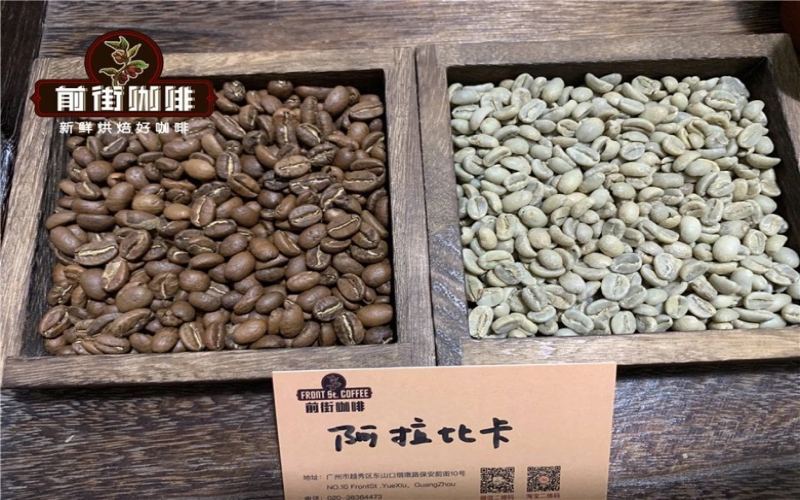
Recommended distinctive coffee beans: first consider the scenario, then the flavor and roast
When choosing coffee beans, start by considering your daily drinking scenario: is it a cup of black coffee in the early morning, or a milk coffee to go with breakfast; is it a slow pour-over to savor, or a quick cup from a machine. Different scenarios call for different roast levels, flavor intensity, and brewing methods. Pour-over flavor is mainly determined by origin, variety, and processing. [more…]

The Flavor Window After Opening a Bag of Coffee Beans: How to Drink These Three Distinctive Beans
The aroma of coffee beans is not completely set the moment roasting ends. In the days after coming out of the roaster, the beans continue to slowly release carbon dioxide, and the floral, fruity, and sweet notes need a little time to recombine. The so-called peak-flavor window is more like a period when the flavor is relatively active, not a hard expiration date printed on the package. Once you understand this change, [more…]
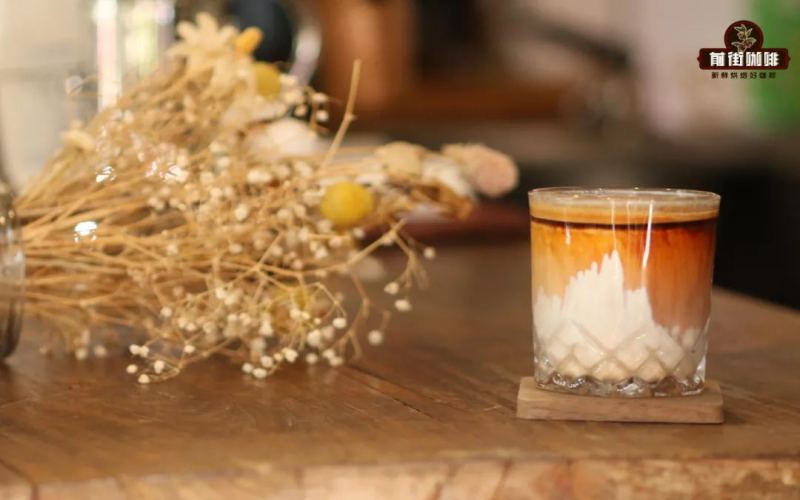
LATTE DIRTY COFFEE DRINKING METHOD | How can you make the layers in a Dirty coffee clearly distinct? What are the key points for making a delicious Dirty coffee?
What we usually call a Dirty coffee is nothing more than taking a glass, filling it with milk, then placing it under the espresso machine's brew head and letting the espresso slowly flow into the glass, so that the coffee floats on top of the milk, forming a beautiful layer, and then as time passes, the coffee on top slowly seeps into the pure white milk. [more…]
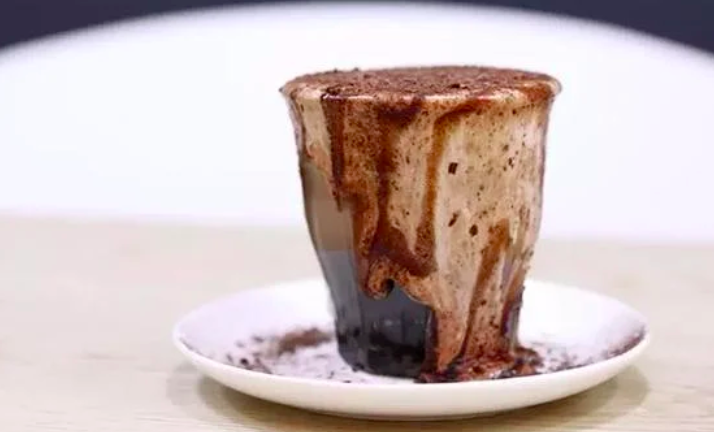
The Correct Way to Drink a Dirty Coffee | How Do You Make a Dirty with Distinct Layers? Does the Shape of the Cup Affect the Taste and Mouthfeel of a Dirty Coffee?
In recent years, a type of iced milk coffee called Dirty has become increasingly popular. The warm, rich espresso on top blends with the sweet, delicious cold milk, creating a unique mouthfeel of alternating hot and cold. Its photogenic good looks are an added bonus, and many cafés have added it to their regular menus. What is Dirty coffee? [more…]
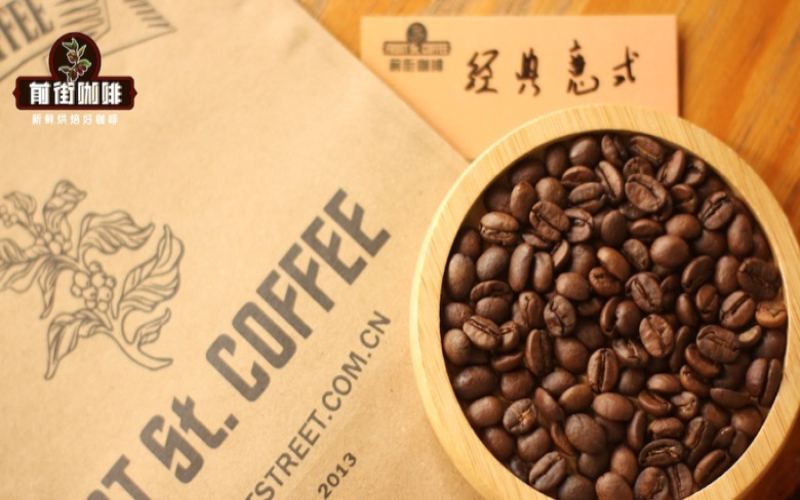
Blended Beans or SOE: Which Tastes Better? The Distinct Appeal of Single-Origin and Blends
Aroma, sweetness, body, mouthfeel, and finish—these dimensions, together with acidity and bitterness, make up the complete cup profile. When choosing beans, first decide whether you want floral and fruity notes, nutty and cocoa notes, or a balanced approach, then match the corresponding origin, processing method, and roast level. Within the framework of espresso, dose, grind size, yield, and time are mutually [more…]
Brazilian Coffee Bean Characteristics | Why Is Brazilian Coffee Mostly Used in Espresso Blends? Which Single-Origin Brazilian Coffees with Distinct Nutty Sweetness Are Recommended?
As the largest coffee-producing country, Brazil offers a wide variety of coffees. Brazilian coffee beans have a moderate acidity, and the balance brought by their sweetness, bitterness, and body is excellent. When roasted, they give off a nutty aroma, with a mellow taste and a faint acidity, making them suitable for both single-origin and blended use. When buying Brazilian coffee beans, it is recommended to prioritize [more…]
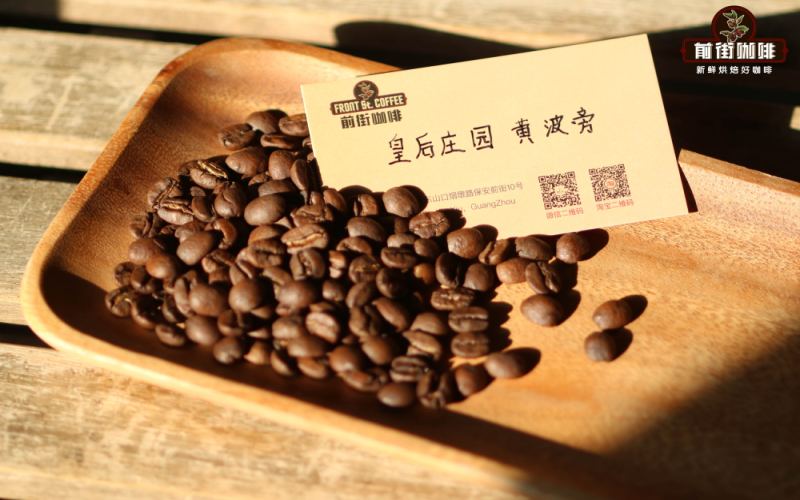
Single-Origin Espresso | How Should Beginners Choose Beans for SOE Coffee to Make It Taste Good? Recommendations for Popular, Distinctively Flavored SOE Single-Origin Espresso Beans
What is specialty coffee? According to the Specialty Coffee Association of America (SCAA), specialty coffee is, in short, coffee obtained through good green beans, good roasting, and good extraction. The so-called "SOE" is actually "Single Origin Esp [more…]
Guatemala Antigua: A Classic Collision of Volcanic Soil and Floral-Fruity Notes
Guatemala Antigua is one of the world's most prestigious specialty coffee regions, and its unique terrain—embraced by volcanoes on three sides—gives rise to its signature floral and fruity notes along with a full body. This article takes you deep into this Central American coffee gem. [more…]

Milk Coffee | Why is Dirty Coffee so popular? How to make a Dirty Coffee with distinct layers at home?
As is well known, the unique appeal of a Dirty comes from the layering of milk and coffee. Whether it's the visual effect of the espresso gradually "dirtying" the milk, or the sensory experience of contrasting hot and cold, sweet and bitter—like ice and fire—it all stems from the fact that the two never fully blend. So if we want to make [more…]
Indonesia · Sumatra Mandheling: The Rich, Low-Acidity Depth of Wet Hulling
Sumatra Mandheling is the most distinctive low-acid coffee in the world of specialty coffee, and its unique wet-hulling process gives Mandheling a heavy body with earthy and spicy herbal notes. This article takes you through the mystery of Mandheling's processing. [more…]

Geisha Moka Pot Brewing Tutorial | Can You Use Light Roast Coffee Beans in a Moka Pot? How Does Sidamo Natural Geisha Taste as Moka Pot Coffee?
Huakui coffee is a single-origin coffee from Ethiopia, renowned for its explosive aroma and sweetness, with a highly distinctive taste. It once won first place in the sun-dried bean category of the 2017 Ethiopian International Coffee Cupping, and this batch of green beans was named "Huakui" because of its champion status. In the [more…]
Origin Selection for Home Espresso Beans: The Performance of Single-Origin SOE on Home Machines
A home semi-automatic espresso machine doesn't necessarily mean you can only brew espresso blends—single-origin SOE can also produce distinctive shots on a home machine. The flavor profiles of SOEs from different regions vary noticeably; choose the right region, and even a home machine can deliver espresso with regional character. Mandheling SOE is the rich, full-bodied choice for home machines. Mandheling is harvested [more…]
A Comprehensive Guide to Coffee Types: Detailed Analysis of Flavor Characteristics and Origin Differences of 12 Classic Coffees
The world of coffee is rich and diverse, with different origins and roasting methods creating distinctive flavor experiences. This article systematically reviews 12 common types of coffee, from the elegant delicacy of Jamaican Blue Mountain to the rich mellowness of Indonesian Mandheling, from the chocolate notes of Yemeni Mocha to the unique flavor of Hawaiian Kona, analyzing one by one their taste characteristics, origin background, and best ways to drink them. Whether you prefer light and smooth or rich and strong, you can find your ideal choice in this coffee map. Front Street Coffee takes you deep into the personality and charm of each type of coffee. [more…]
Berry Tea-Like Flavor Coffee Bean Recommendations | How to Brew Ethiopian Washed Gedingding for the Best Taste? Which Coffee Varieties Have Distinct Berry Flavors?
The term "berry" does not refer to a single specific fruit, but rather broadly denotes a category—all small, juicy fruits. However, unlike tropical fruits, berries have their own separate category in the new coffee flavor wheel released by the SCA in 2016. The berry category in the flavor wheel includes strawberry (Strawberry [more…]
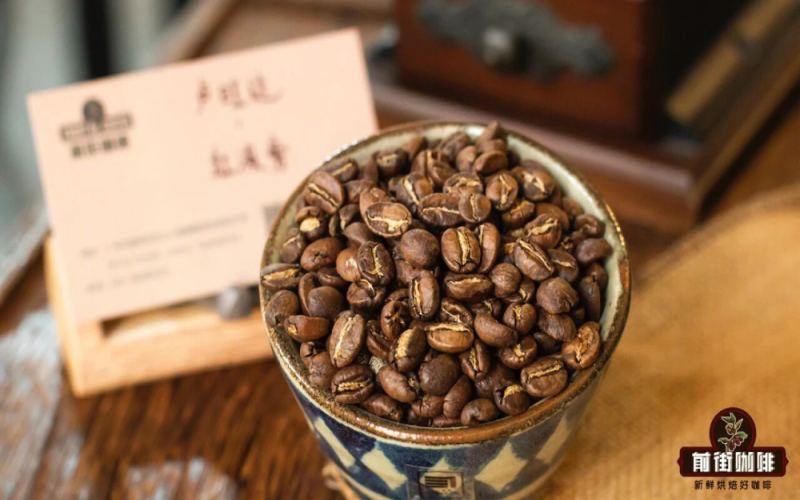
Selected Coffee Bean Brands | Which single-origin pour-over beans do seasoned coffee enthusiasts buy? Recommendations for light, medium, and dark roast pour-over coffee beans that are tasty, affordable, and perfect for beginners.
When it comes to brewing coffee, whether you're just starting out, advancing, or have already become a seasoned enthusiast, choosing coffee beans is still something you can't afford to be careless about. Today, we're going to dig out our most treasured good beans for experienced brewers, so you can brew delicious coffee at home too. 1. Front Street Coffee. Rwanda Red Bourbon: [more…]

Espresso Coffee Beans | Why Blend Coffee Beans? What Do Raw Blending and Roasted Blending Mean? What Should Be Noted When Blending Coffee Beans?
Many people don't understand how blend beans are formulated into a blending plan. Now Front Street Coffee will guide you through the ideas behind blending coffee beans and how to blend coffee. The reasons and purposes for blending: people need to combine coffees from different origins for several different purposes. The most ideal purpose, of course, is to blend a kind of flavor [more…]

Introduction to the World's Top Specialty Coffee Bean Brands | Which Coffee Beans to Choose for Pour-Over Coffee at Home? Seven Beginner-Friendly Single-Origin Beans for Hand-Grinding
When it comes to the champion of rich, full-bodied coffee, Front Street Golden Mandheling is undoubtedly the one. Front Street Golden Mandheling undergoes four rounds of manual sorting to remove defective beans, and only the premium coffee beans that remain are sent to the processing plant. As a result, the unpleasant off-flavors and earthy notes are washed away, making it cleaner to drink, while still preserving the distinctive Indonesian [more…]