







How Does Yunnan Coffee Differ Across Its Producing Regions?
Coffee growing in China is concentrated in Yunnan and Hainan, and Yunnan arabica accounts for more than 95 percent of national output. Yunnan's four main producing regions are Lincang, Baoshan, Pu'er and Dehong, all in the southwest of the province. Lincang sits between 16.8 and 17.2 degrees Celsius on average, with distinct dry and wet seasons and strong sunshine.
Yunnan's earliest planted variety was Typica, but Catimor now dominates, with planting ratios in producing regions reaching about 99.99 percent because it resists pests and disease and yields well. Flavor differences between Catimor and Typica or Bourbon show up in the cup. One roaster has run its own estate in Lincang and harvested its first self-produced beans in 2021, using natural and washed processing.
Coffee cultivation in China is mainly concentrated in Yunnan and Hainan, with Yunnan arabica accounting for over 95% of the national output. This article provides a detailed overview of the climate and cultivation history of Yunnan's four major producing regions—Lincang, Baoshan, Pu'er, and Dehong—analyzes the flavor differences between Catimor and varieties such as Typica and Bourbon, and introduces Front Street Coffee's own estate in Yunnan and its practices with natural and washed processing methods. It also compares the regional characteristics of Hainan coffee, helping readers gain a comprehensive understanding of the current quality of Chinese coffee beans and brewing recommendations.
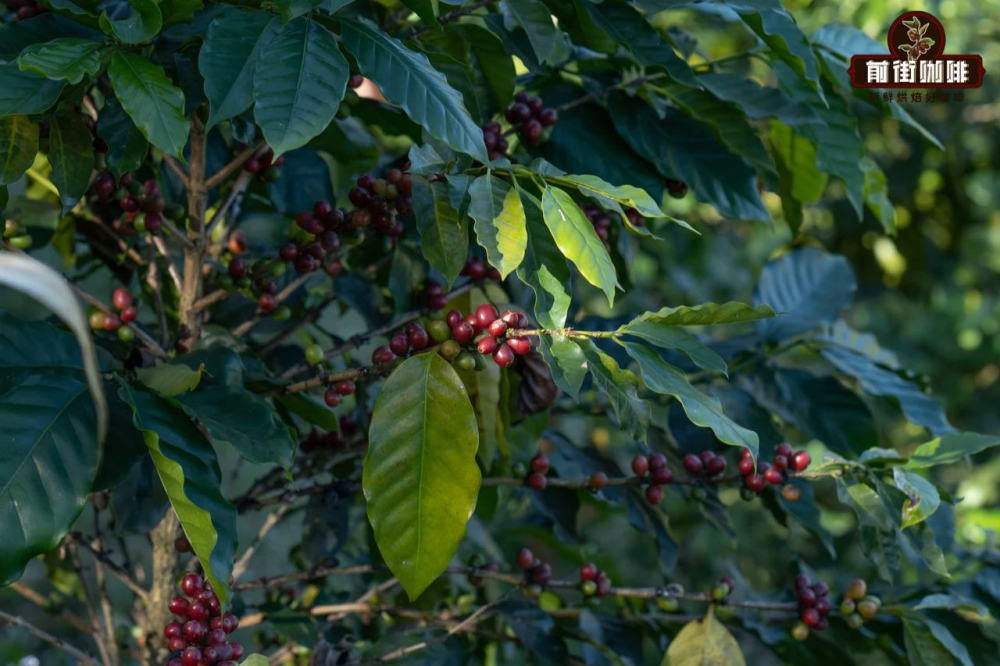
These days, the name Yunnan arabica coffee beans should be quite familiar to everyone. It originally belonged to the Typica variety, but at present the bulk of Yunnan's coffee production has been taken over by Catimor, so what people commonly call Yunnan arabica is actually Catimor. In the various producing regions of Yunnan, the planting ratio of Catimor is as high as 99.99%. Why is this so? In Front Street Coffee's view, Catimor has strong resistance to pests and diseases and also delivers considerable yields—in the end, it simply makes better economic sense.
Front Street Coffee is well aware of the key factors that affect coffee flavor, and has always held the wish to help everyone rediscover Yunnan coffee beans. In Front Street's view, there is no need for any reason at all to love Yunnan coffee beans—after all, this is our very own Chinese coffee.
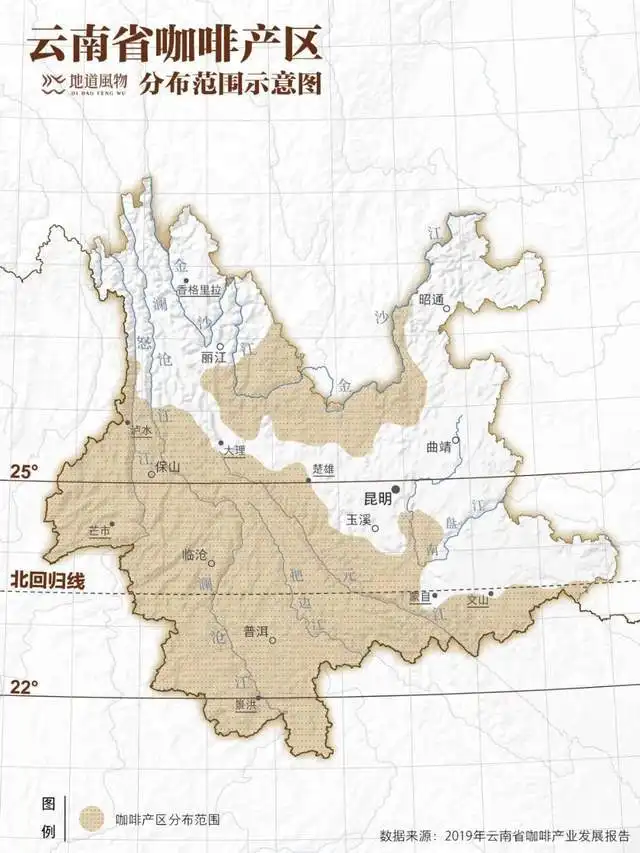
Coffee cultivation in Yunnan is mainly concentrated in four producing regions: Lincang, Baoshan, Pu'er, and Dehong, all of which are basically located in the southwestern direction of Yunnan Province.
Among them, Lincang deserves special attention. (Please keep reading below.) To the east, Lincang borders Pu'er; to the north lies Dali; to the west it connects with Baoshan; and to the southwest it is adjacent to Myanmar. The average annual temperature in Lincang ranges between 16.8 and 17.2°C, with distinct dry and wet seasons and excellent sunshine conditions.
Front Street Coffee has established its own estate in the Lincang producing region of Yunnan. By this year (2021), Front Street Coffee harvested its first self-produced coffee beans.
It is worth mentioning that the earliest coffee variety planted in Yunnan was Typica. Later, because Catimor had strong disease resistance and high yields, and with the advancement of opening-up policies, international giants such as Starbucks and Nestlé entered Yunnan one after another to promote it vigorously. But Catimor has a shortcoming—its flavor performance is not ideal. Over time, Yunnan arabica coffee beans gradually shifted from the original Typica to today's Catimor.
China's Coffee Producing Regions · Yunnan Baoshan
Coffee grown at the highest altitudes in Yunnan's Baoshan producing region can rival Jamaican Blue Mountain coffee beans in quality. In addition, Baoshan also produces the world's most expensive kopi luwak coffee. As early as 1952, Baoshan began large-scale coffee cultivation, and it has a history of more than 60 years to date. Yunnan's Baoshan producing region is known as "Asia's Best Coffee Producing Region."
The coffee industry is also the most market-economically developed and mature among the industries led by the Baoshan municipal government since the founding of New China. In order to promote better development of this industry, Baoshan has made various attempts, including launching projects such as the Yunnan Baoshan Coffee World project.
Yunnan's Baoshan is located on a low-latitude plateau and is known for the saying "one mountain spans four seasons, ten miles bring different skies." Such climatic conditions are very suitable for growing coffee beans. Here's a set of data for you: Yunnan Province's coffee output reaches 136,000 tons, accounting for more than 95% of the national coffee output, and its export volume ranks highest in the country at 60,700 tons.
The Baoshan region has a long history of coffee cultivation and is widely recognized as the "best arabica producing area," as well as one of the coffee-producing regions with relatively good coffee quality nationwide and even globally.
Front Street Yunnan Coffee Estate Coffee Bean Introduction
In the 2021 new Yunnan coffee season, we processed a small batch of Yunnan natural Typica coffee beans ourselves. Due to the limited quantity, Front Street could only offer this batch as a "limited giveaway" in an event for everyone to get a taste! Front Street Coffee's bean list has always included a Yunnan washed Typica Huaguoshan coffee bean.
We at Front Street Coffee have two Yunnan arabica coffee beans—one is the Catimor variety, and the other is the Typica variety. Because Catimor carries Robusta genes, its flavor and mouthfeel are slightly inferior to Typica coffee beans.
Yunnan has good conditions for coffee cultivation, but Front Street believes that the current quality of Yunnan coffee beans has not yet reached the "specialty coffee" standard, for two main reasons: the first is variety. Most of Yunnan grows Catimor, and the variety itself is not as superior as Typica. The second is the use of anaerobic processing. This is a novel processing method, but doing so masks the coffee's original flavor—so how can it be called specialty?
In our Front Street Coffee stores, we also often share this house natural Typica coffee bean as a tasting sample, offering different guests a chance to try it.
The western and southern parts of Yunnan Province lie between 15°N and the Tropic of Cancer, and most areas also have the high altitude required for coffee cultivation. The terrain is mainly mountainous and sloped, with significant undulation, fertile soil, abundant sunshine, ample rainfall, and large temperature differences between day and night.
Among them, Pu'er, Xishuangbanna, Wenshan, Baoshan, Dehong, Lincang, and other places in southern and western Yunnan are all distribution areas for Yunnan arabica coffee cultivation.
As we all know, washed coffee beans have a cleaner mouthfeel, while natural-process coffee beans have more fruity flavors.
However, Front Street Coffee believes that traditional coffee processing methods can best express the most fundamental taste of a coffee-producing region. Therefore, on Front Street Coffee's bean list, there are many washed-process beans, such as those from Ethiopia, Panama, Colombia, and so on.
Today's Yunnan coffee beans have more choices when it comes to processing methods. In terms of details alone, many different processing methods have already evolved—for example, adding steps during the anaerobic fermentation process.
The most widely planted coffee variety in Yunnan's coffee-producing regions at present is Catimor. In addition, there are actually still small amounts of Typica and Bourbon cultivated in the Baoshan area. Although Typica and Bourbon both belong to the Arabica species, they are indeed very different in nature.
Below, let's talk about these two bean varieties, Typica and Bourbon.
typica Typica coffee bean variety
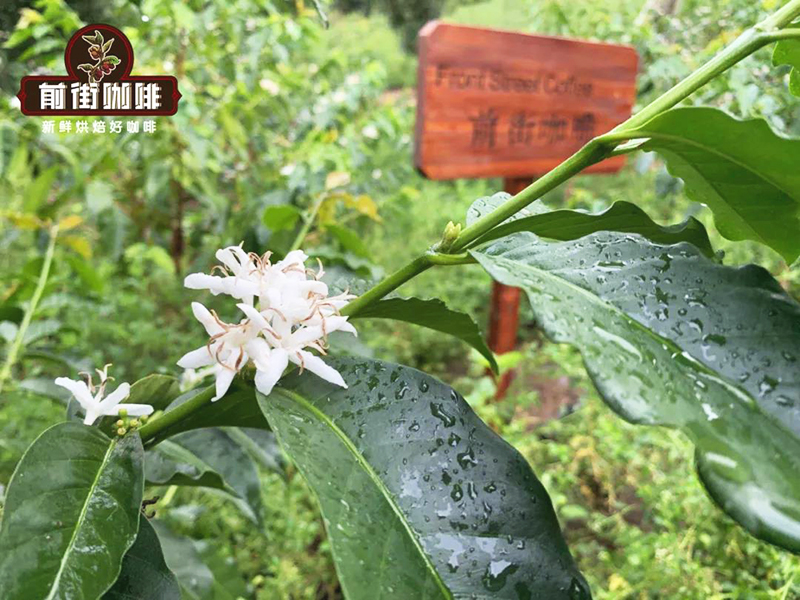
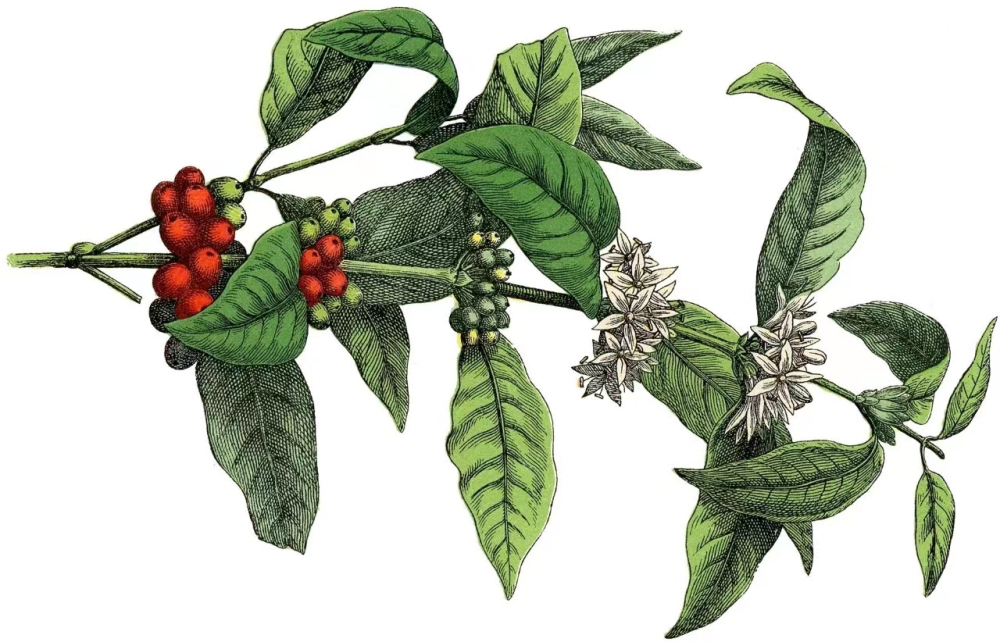
The Typica coffee bean variety originated in Ethiopia and southeastern Sudan and is the most widely cultivated coffee variety in the Western Hemisphere; its plant is relatively robust but not tolerant of light. Typica's top leaves are copper-red, which is why it is also called red-top coffee . Many commercial improved varieties today are derived from this variety.
Typica coffee beans are recognized as a specialty coffee variety. However, yields are extremely low, and it is susceptible to rust disease, requiring more manpower for management and high maintenance costs. Excellent estate beans such as Jamaican Blue Mountain, Sumatra Mandheling, and Hawaiian Kona all belong to Typica.
bourbon Bourbon coffee bean variety
In the 18th century, the French introduced round coffee beans from Yemen to Réunion Island. At that time, Réunion Island was still using the name Bourbon Island, hence the name Bourbon. In 1860, the Bourbon variety was introduced to Brazil, and from there it quickly spread to various countries in Central and South America, where these countries still grow and produce Bourbon coffee beans to this day.
It is a mutated variety of Typica, with green shoot tips and young leaves, also known as green-top coffee . Bourbon coffee beans have excellent aroma and rich layering, but their ability to resist pests and diseases is very low, and yields are not high. Therefore, many Central and South American countries choose to grow Bourbon's natural mutant variety—Caturra—or other coffee varieties that are more disease-resistant and higher-yielding.
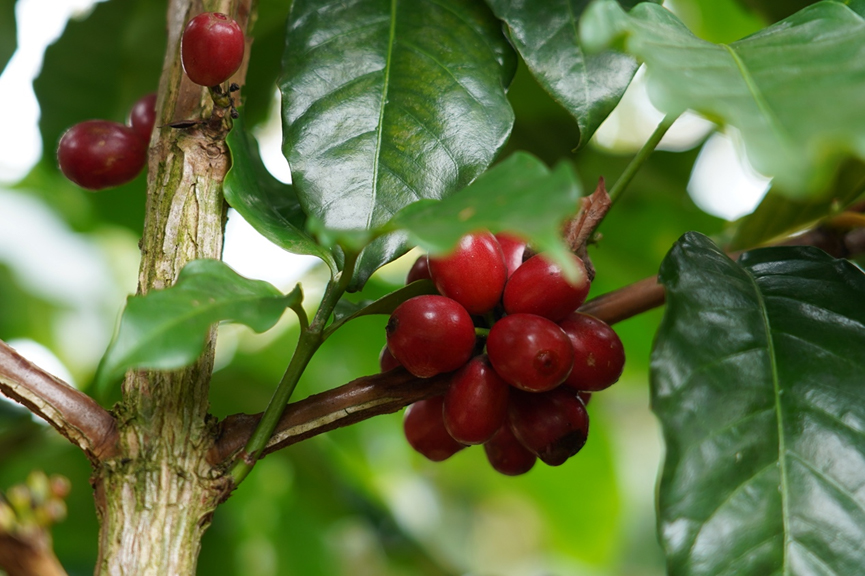
catimor Catimor coffee bean variety
Strictly speaking, the Catimor coffee bean variety does not have pure Arabica lineage. It is a hybrid of the Timor variety (Robusta coffee species) and the Caturra coffee bean variety (a mutant of the Bourbon coffee bean variety), so Catimor has 25% Robusta coffee bean lineage.
And it is precisely because it contains 25% Robusta lineage that Catimor's flavor defects are determined—the aroma is not rich enough, the bitterness is heavy, and it easily develops astringency and a relatively pungent musty flavor.
The yield of Typica coffee beans is only 1/3 that of Catimor coffee beans, which is why they are more expensive. At the same time, Typica and Bourbon are also very susceptible to rust disease, which is one of the reasons coffee farmers are unwilling to grow Arabica.
And because Typica and Bourbon coffee beans have low yields, are prone to disease, and have high management and maintenance costs, this means that growers need a longer exploration period. At the current stage, coffee farmers do not yet have a "specialty coffee" mindset; even if they understand specialty coffee, when it comes to cutting down old trees and spending several years replanting, coffee farmers will only keep their distance.
Front Street Coffee Bean Processing Methods Introduction
Natural Processing Method
As the oldest processing method for coffee beans, it can be summed up in four words: "dry and strip." However, doing natural processing well is not as easy as you might imagine. The natural processing method is generally more common in dry, warm, and sunny regions.
Coffee cherries must be processed immediately after picking. First, manual sorting is carried out to remove defective coffee cherries, including overripe, underripe, and insect-damaged ones, as well as other non-coffee objects. "Floatation" is one of the most commonly used sorting methods. After sorting, the coffee cherries are sun-dried.
The sun-drying time for coffee beans depends on the weather and generally takes 4 weeks. Different regions may also use different drying racks—some use tarps, some use raised beds, and some use concrete floors. The average drying time is 3–4 weeks, until the coffee's moisture content drops to 11%, at which point the drying process is complete. Then machines are used to remove the dried coffee pulp, skin, and pectin and other parts.
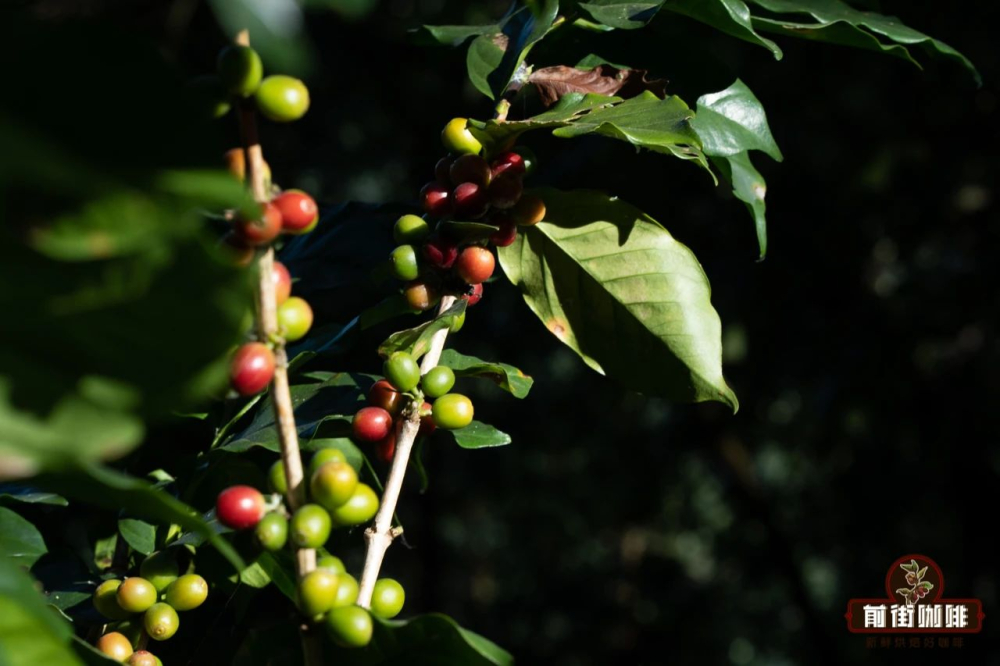
Washed Processing Method
Because coffee is grown at relatively high altitudes in Ethiopia on average and water resources are scarce, the earliest and most traditional processing method was natural processing. However, because the processing steps were rough, the coffee's flavor became overly concentrated and cleanliness was not high.
In 1972, Yirgacheffe introduced washed processing from Central and South America in order to improve coffee quality. This introduction greatly elevated the quality of Ethiopian coffee beans by several levels. Subsequently, the jasmine floral and lemon-citrus flavors of washed Yirgacheffe coffee beans made it a representative of African specialty beans and made it popular in Europe and America. The washed processing method also became the mainstream in the Yirgacheffe producing region.
After coffee cherries are picked, they are immediately sent to a washing station for processing. Workers first perform floatation on the harvested coffee cherries to remove those with insufficient density, then use machines to remove the skin and pulp, after which the beans are placed in tanks for fermentation with or without water, using fermentation to break down the pectin layer.
After fermentation is complete, the coffee beans are rinsed with clean water to wash away the pectin. Finally, the coffee beans with the pectin layer removed are sun-dried. The drying time can be reduced by more than half; depending on the weather, drying generally takes about 2 weeks, lowering the moisture content to between 11% and 13%. Finally, the coffee beans are stored with parchment, and the parchment is removed only before export.
Front Street Yunnan Arabica Coffee Beans Producing Region: Yunnan Baoshan Altitude: 1200m Processing Method: Washed Variety: Catimor
Front Street Yunnan Arabica Coffee Beans Roasting Record
Charged at 190°C, heat 120, damper set to 3; turning point at 1'40", when temperature reached 145°C the damper was opened to 4 with heat unchanged; at 166°C the bean surface turned yellow and the grassy smell completely disappeared, entering the dehydration stage; when the temperature reached 188°C, heat was adjusted to 60°C and the damper to 5; at 8'37" the bean surface showed ugly wrinkles and dark streaks, and the toast smell clearly turned into coffee aroma, which can be defined as the prelude to first crack—at this point you need to listen carefully for the sound of first crack. First crack began at 9'00", damper unchanged, developed for 3 minutes after first crack, and discharged at 198°C.
Front Street Yunnan Arabica Coffee Beans Cupping Results
Smooth on entry, with Asian herbal aromas, lively and bright acidity, salivation on both sides of the cheeks, soft acidity, good mellow balance, rich layering, and a finish with obvious dark chocolate, honey, and sucrose notes; after complete cooling, a brown sugar flavor.
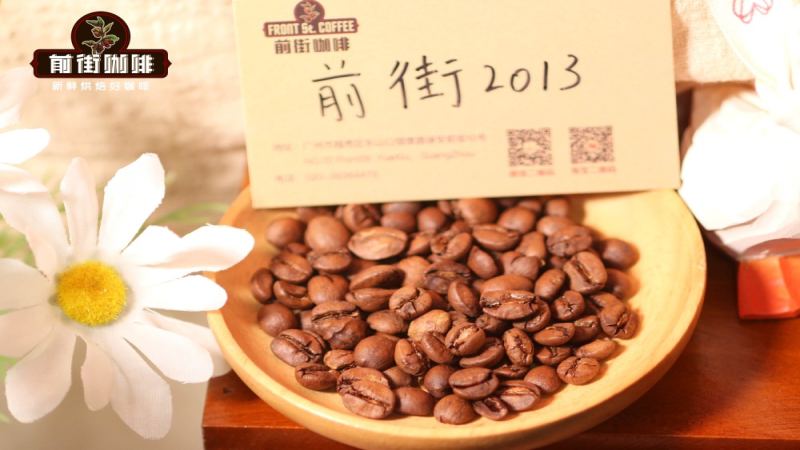
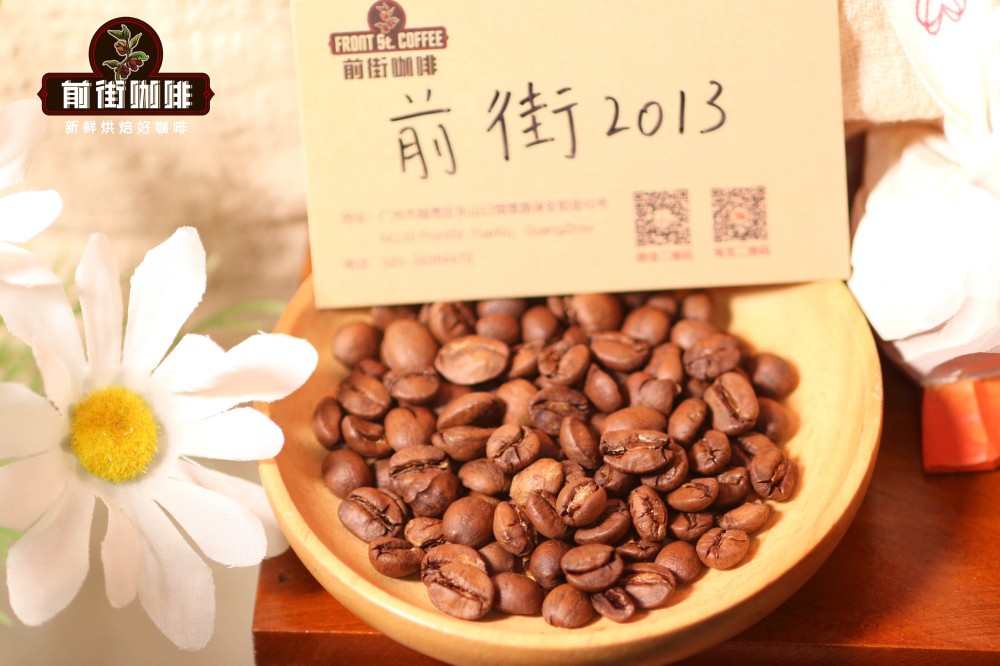
About 6 years ago, Front Street Coffee began using Typica from the Baoshan producing region in Yunnan and made it into the Front Street 2013 Typica coffee bean, a representative with the characteristics of Yunnan coffee beans.
Front Street Yunnan Front Street 2013 Coffee Beans Coffee Producing Region: Lincang Coffee Variety: Typica Altitude: 1300m Processing Method: Natural
Front Street Front Street 2013 Typica Coffee Beans Roasting Record

The beans had a moisture content of 10.9%, so the roasting plan was to charge at 200°C, then use high heat and a small damper opening to speed up dehydration. After the dehydration stage ended, open the damper to medium and use medium heat so that the Maillard reaction would not proceed too rapidly, then develop for 3 minutes after first crack and discharge. Turning point: 1:32, 92.5°C; yellowing point: 5:40, 148.5°C; first crack: 8:59, 188.0°C; developed for 3 minutes and discharged: 12'00, 196°C.
Front Street Front Street 2013 Typica Coffee Beans Cupping Record
Cupped 12 hours after roasting: Rich fruity aroma on entry, melon, herbal plant aroma, smooth on entry, nuts and milk chocolate in the mid-palate, lively and bright plum acidity in the finish, salivation on both sides of the cheeks, good balance, medium body with a full mouthfeel; from hot to warm, you can feel the layered sweet-and-sour quality, first sweet then sour, apricot and citrus-toned acidity, with a finish of black tea and a little brown sugar.
Front Street's Brewing Tips for Yunnan Arabica Coffee Beans and Front Street 2013 Typica Coffee Beans
Front Street Coffee recommends using a V60 dripper for brewing. Because the V60 has a relatively large opening, combined with its unique spiral curved ribs, air can be expelled more easily, thereby improving extraction quality. The mouthfeel may not be thick enough, but the high concentration that brings out Yunnan coffee's fruity acidity and obvious aroma is one of its major characteristics.
Dripper: V60 #01 Water Temperature: 90–92°C Coffee-to-Water Ratio: 1:15 Grind Size: Medium-fine grind, i.e. fine granulated sugar coarseness (57% passing through Chinese standard No. 20 sieve)
Brewing Technique: Staged Extraction
Bloom with 30 grams of water for 30 seconds, then pour in a slow circular stream until 124 grams for the stage break; when the water level is about to expose the coffee bed, continue pouring until 227 grams and stop; when the water level is about to expose the coffee bed again, remove the dripper. (Start timing from the beginning of the bloom.) Total extraction time is 2 minutes.
Front Street Yunnan Arabica Coffee Beans Flavor Description
It smells strongly of nuts, with herbal, chocolate, and caramel notes on entry, and a finish with a hint of light fruity acidity.
Front Street Front Street 2013 Typica Coffee Beans Flavor Description
The dry aroma has a light citrus acidity and nutty aroma; when drunk, it shows plum and citrus acidity along with nutty flavors, melon-and-fruit aromas, and brown sugar sweetness, with a finish carrying some black tea-like tea sensation. The overall flavor layering is relatively rich.
The above content is compiled by CoffeeHunters, a coffee news website.


