







Search Results for: Songzhong
Taiwan Tieguanyin Oolong Tea and Phoenix Dancong Songzhong Baxian: An Analysis of Differences in Origin, Tea Tree Varieties, and Tea-Making Fermentation
Although Taiwan oolong tea and Phoenix Dancong both belong to the oolong tea category, they present completely different aromas and flavors due to differences in origin environment, tea tree varieties, production techniques, and fermentation levels. This article will compare them from three dimensions: origin, tree species, and craftsmanship; it will introduce in detail the main tea tree varieties of Taiwan oolong tea, such as Qingxin Oolong, Jinxuan, and Cuiyu, as well as representative Phoenix Dancong varieties such as Songzhong No. 1, Songzhong Baxian, and Ginger Flower Fragrance. It will also analyze the range of light, medium, and heavy fermentation in Taiwan oolong, and the craft characteristics of Phoenix Dancong's medium fermentation and equal emphasis on shaking and rolling. Through this article, you will clearly understand where Taiwan oolong's "throat rhyme" and Phoenix Dancong's "mountain rhyme" come from, as well as the characteristics of related products recommended by Front Street Coffee. [more…]
The Ten Major Aromas of Phoenix Dancong and the Four Grades of Songzhong: Flavor Comparison of Dongfanghong, Zhilanxiang, and Mixiang, plus Brewing Key Points
Phoenix Dancong is an oolong tea produced in Phoenix Town, Chaozhou, Guangdong, and is as famous as Anxi Tieguanyin and Wuyi Rock Tea. Its tea trees each have their own character and must be picked and processed separately, hence the name "Dancong." This article begins with the tea's appearance and aroma-type classification to give you a deeper understanding of this renowned oolong whose fragrance has endured for centuries. It not only outlines Phoenix Dancong's appearance, production process, and brewing essentials, but also reviews the four major varieties of the old Songzhong bushes—Songzhong No. 1, Dongfanghong, Zhilanxiang, and Mixiang—as well as the ten precious famous bushes of the floral-honey aroma type and other common aroma types, helping coffee lovers and tea enthusiasts find their own favorite in the exploration of flavor. [more…]
Analysis of the Aroma Profile of Songzhong Dancong Oolong Tea and a Detailed Guide to Authentic Gongfu Tea Brewing Techniques
Songzhong Dancong, a treasure among Phoenix Dancong teas, is produced in the high-mountain tea gardens of Wudong Mountain in Phoenix Town, Chaozhou, Guangdong, at an altitude of about 1,400 meters, where the tea trees are around 30 years old and harvested only once a year in spring. Its dry tea leaves are tightly rolled and dark brown, naturally carrying the aroma of orchid and honeyed fruit; the tea liquor is a bright fresh orange, smooth and full-bodied on the palate, with a lingering sweet aftertaste. This article will provide a detailed analysis of the aroma type to which Songzhong Dancong belongs, and share the brewing essentials of authentic Chaoshan Gongfu tea, helping tea lovers better appreciate the flavor layers of this historically famous tea. [more…]
Songzhong Huangzhixiang Dancong Oolong: Soft Water or Hard Water for Brewing? A Detailed Practical Guide
Whether to use soft or hard water for brewing tea has long been a hotly debated topic among tea lovers. A US study of ordinary consumers showed that although soft water extracts more catechins, participants actually preferred tea brewed with hard water. For highly aromatic oolong teas such as Songzhong Huangzhixiang Dancong, the mineral content in water significantly affects the presentation of aroma and flavor. This article reviews the effects of different water qualities on tea, introduces water treatment methods commonly used in cafes and traditional water conditioning techniques in tea ceremony, and, combined with Front Street Coffee's brewing recommendations, helps you find a water quality and brewing method suitable for Dancong under everyday conditions. [more…]
How to Choose a Purple Clay Teapot and Control Water Temperature? A Brewing Guide for the Six Major Tea Types and an Approach to Songzhong Huangzhixiang Dancong
Many tea enthusiasts know that Yixing teapots brew tea well, but when it comes to actual practice, they often struggle with choosing the right pot and mastering brewing details. Different tea types have different requirements for clay material, pot shape, water temperature, and even the rhythm of pouring, so choosing well can enhance aroma and flavor, while choosing poorly can lead to off-flavors and stewing the tea leaves. This article systematically breaks down the pairing logic between the six major tea categories—green tea, oolong tea, yellow tea, black tea, dark tea, and white tea—and Yixing teapots, and provides the appropriate water temperature and steeping time for each. For highly aromatic oolongs like the Songzhong Huangzhixiang-style Dancong, Front Street also recommends prioritizing small Zhuni or Hongni pots, using near-boiling water at around 95°C with quick infusions and quick pours, which better highlights its floral fragrance and varietal charm. [more…]
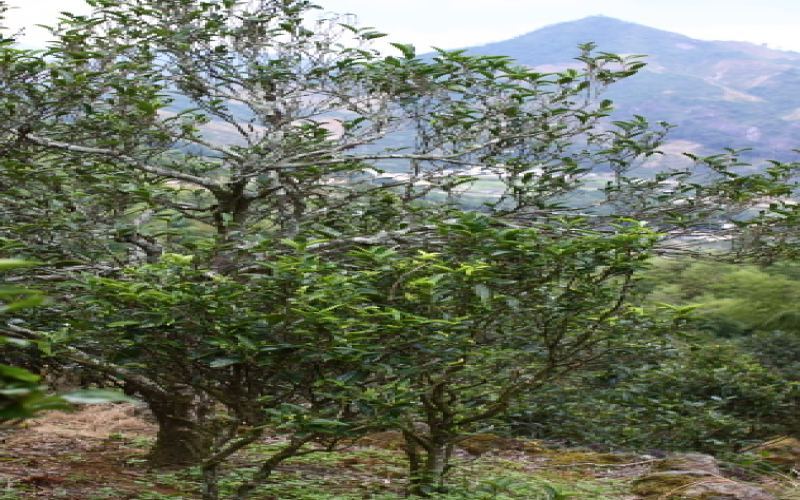
Is Huangzhixiang Dancong a light-aroma or strong-aroma type? A core comparison of Songzhong and Huangzhixiang Dancong
Phoenix Dancong is renowned for its rich variety of aroma types, among which Yellow Branch Aroma is highly favored for its elegant fragrance reminiscent of gardenia flowers. Starting from the degree of fermentation and roasting, this article answers whether Yellow Branch Aroma Dancong belongs to the light-aroma or strong-aroma type, and sorts out the differences between Songzhong Dancong and Yellow Branch Aroma Dancong in terms of cultivar origin, aroma characteristics, and flavor performance. It also introduces the production background of Phoenix Dancong, its ancient mother tree resources, and the brewing and re-steeping characteristics of Yellow Branch Aroma, helping coffee and tea enthusiasts gain a clearer understanding of this Guangdong oolong. The article also retains recommendation information related to the Front Street brand. [more…]
Where Can You Find Authentic Huangzhixiang Phoenix Dancong? Analyzing the Unique Flavor and Identification Points of Songzhong Huangzhi Dancong
Huangzhixiang Dancong is one of the oldest varieties of Phoenix oolong tea, its name originating from a local dialect's misreading of kumquat. The genuine Songzhong Huangzhixiang is scarce in production, with a flavor profile between modern sweet-aroma style and the floral-basket style, featuring kumquat fruit notes, honey charm, and the floral aroma unique to high-altitude single bushes. This article will sort through the origin of the name, the history of Songzhong, the taste characteristics of genuine Huangzhixiang, and the pitfalls of market purchasing, one by one. At the same time, the "Front Street" brand products mentioned in the article provide a reliable reference for enthusiasts. Whether you are just getting into Dancong or want to deeply distinguish authenticity, this guide can help you build a clear cognitive framework. [more…]
How to identify Phoenix Dancong Songzhong Huangzhixiang? What taste and aftertaste characteristics should a good tea have?
You often hear people say, "There is no good or bad tea; what suits your taste is precious," but as tea suppliers, this saying is somewhat of an evasion. We sample countless teas and, while we don't score each one, we judge whether a tea is excellent from three specific dimensions: whether the aroma settles into the liquid, whether the aftertaste lingers, and whether the mouthfeel is mellow and smooth. This article uses Phoenix Dancong Songzhong Huangzhixiang as an example to break down these three criteria and help you build a foundational framework for tasting good tea, so you no longer conclude based solely on "it smells fragrant and goes down smoothly." [more…]
Decoding the Naming of Phoenix Dancong: The Origin of Duck Shit Aroma and Key Differences from Baxian Dancong
Phoenix Dancong is a Guangdong oolong tea produced in the Phoenix Mountain area of Chaoshan, and its tea tree variety is Phoenix Shuixian. In ancient times, each tree was made into its own tea with a confusing array of names, and later they came to be collectively called "Dancong." Its name is not just a gimmick: some are named by aroma type, some by leaf shape, some by size, some by place of origin, and some from a specific era and background. This article sorts out the naming basis of Phoenix Dancong, reviews the evolution of names from "Songzhong" and "Bird's Beak Tea" to Phoenix Shuixian, explains the origin and flavor characteristics of Duck Shit Aroma, and clarifies the difference between Duck Shit Aroma and Phoenix Baxian Dancong, helping coffee enthusiasts understand this type of tea with a clearer framework. [more…]