







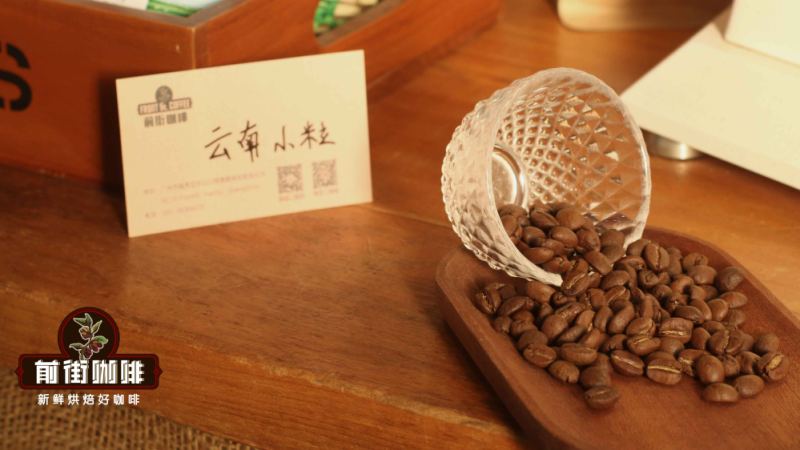
What Makes Yunnan Coffee Worth Trying?
Yunnan coffee comes from China's main domestic growing region, with farms sitting near 1,000 meters in southern Baoshan, Lincang, Simao and Dehong. That altitude just meets the threshold for quality Arabica, and recent specialty processing has lifted cup quality. Expect mild acidity, nutty and chocolate notes, and a soft body. Not all of Yunnan is planted, so origin and processing method matter more than broad regional claims.
The dominant arabica variety is Catimor, planted at scale from the 1980s with Nestlé's backing for its yield and disease resistance. Because of that history, Yunnan lots often highlight processing method before variety. For brewing, medium roasts suit pour-over, cold brew and drip bags, while darker espresso blends work in moka pots and espresso machines.
Yunnan, as China's domestic coffee-producing region, has attracted increasing attention from coffee enthusiasts in recent years. Does it really count as specialty coffee? How does its flavor perform? And how should first-time buyers choose? This article will revolve around Yunnan coffee's growing conditions, main flavor characteristics, and purchasing advice for different brewing methods, with a focus on introducing three Yunnan-related coffee beans under the Front Street brand—Front Street 2013 Sun-Dried Typica, Front Street Yunnan Small Bean, and Front Street Dark Cocoa Basic Espresso Blend—corresponding respectively to scenarios such as pour-over/cold brew/drip bags, American-style drip machines/moka pots, and espresso machines, helping readers gain a comprehensive understanding of Yunnan coffee's regional characteristics and practical purchasing ideas.
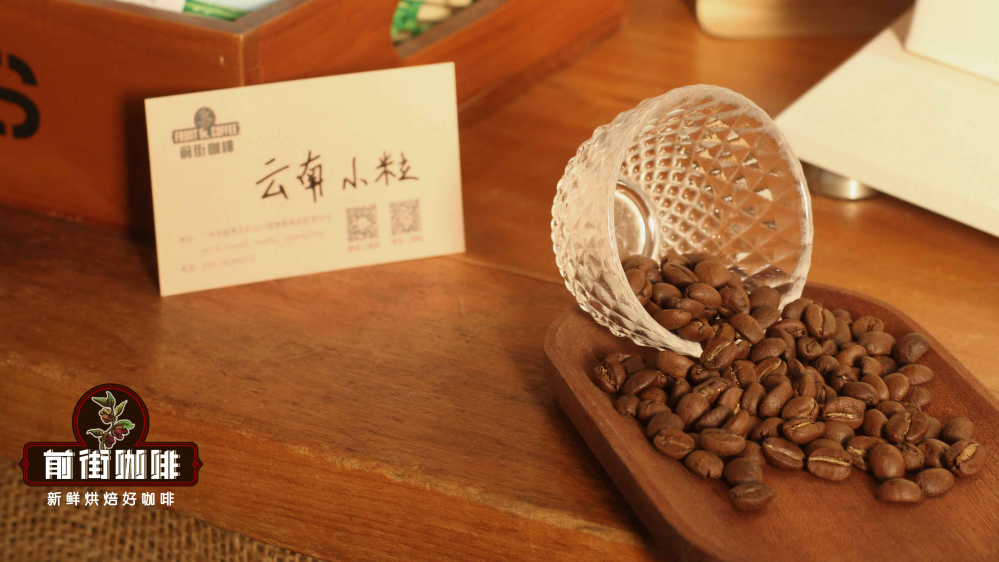
Yunnan is currently probably one of the most discussed coffee regions in the coffee circle, for no other reason than that this is coffee grown by our own country. So does Yunnan coffee really count as specialty coffee? What flavors does it mainly present? And how should you choose when trying it for the first time? Front Street will answer these one by one for you.
Yunnan Specialty Coffee
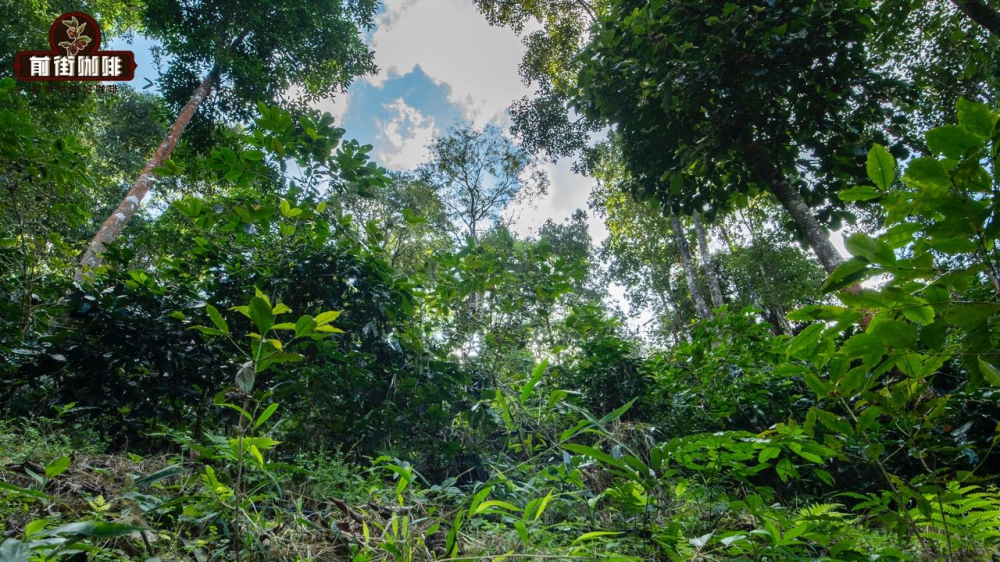
Although Yunnan lies within a planting belt suitable for coffee cultivation, its altitude is generally around 1,000 meters, just reaching the passing line for high-quality Arabica coffee. Not all of Yunnan is suitable for growing coffee; only the southern areas of Baoshan, Lincang, Simao, and Dehong have the conditions for cultivation.
With the rise of the specialty coffee trend in recent years, Yunnan, as a representative producing region, is naturally not absent. However, you will notice a phenomenon: Yunnan coffee seems to emphasize processing methods more than varieties; while when we talk about other producing regions, the order is often origin first, then variety, and finally processing method.
When the concept of specialty coffee was proposed, China had not yet attached importance to the coffee industry. In the 1980s, driven by coffee giant Nestlé, Yunnan began large-scale cultivation of the Catimor variety, which has higher yield and stronger disease resistance. With Nestlé's support, the coffee beans harvested by coffee farmers would all be purchased by Nestlé at reasonable prices and used as raw material for instant coffee. By the time China's economy took off and developed regions introduced the concept of specialty coffee, Yunnan was still stuck in a planting mindset dominated by smallholders and prioritizing yield, and high-yield coffee usually does not have outstanding quality.
Main Flavors of Yunnan Coffee
As a rising star, the mainstream processing methods for Yunnan coffee beans are still traditional washed and sun-dried. Under such processes, the coffee presents a smooth mouthfeel, with the aroma of Asian herbs, lively and bright acidity, salivation on both cheeks, soft acidity with mellow balance, rich layers, and black chocolate, honey, and sucrose notes are very obvious in the finish, while brown sugar flavor emerges after it cools completely.
Buying Guide for Yunnan Specialty Coffee
There is a dazzling array of products on the market under the banner of Yunnan coffee, which may leave you not knowing where to start. Actually, there is no need to worry; you only need to choose the corresponding type according to the brewing method.
1. Recommended Yunnan coffee for making pour-over, cold brew, and drip bags: Front Street 2013 Sun-Dried Typica
Region: Lincang, Yunnan, China
Estate: Front Street Estate Altitude: 1300m Variety: Typica Processing Method: Sun-Dried
Flavor: Dried apricot acidity and sweetness, nutty notes, brown sugar sweetness, tea-like finish
Recommended reason: You can taste the pure flavor of the ancient Typica variety, and also better feel the characteristics of the Yunnan producing region
2. Recommended Yunnan coffee for making American-style drip machines, moka pots, or learning pour-over as a beginner: Front Street Yunnan Small Bean
Region: Baoshan, Yunnan, China Altitude: 1200m Variety: Catimor Processing Method: Washed
Flavor: Nutty aroma, herbal, chocolate, caramel, with a faint fruity acidity in the finish
Recommended reason: Taste the basic flavor of the Arabica variety from the Yunnan producing region; Front Street Yunnan Small Bean uses a medium roast, with a balanced mouthfeel and moderate acidity and bitterness
3. Recommended Yunnan coffee for making moka pots and espresso machines: Front Street Dark Cocoa Basic Espresso Blend
Region: Brazil Cerrado + Yunnan AA
Variety: Red Bourbon + Catimor
Roast Level: Medium-Dark Roast
Flavor: Chocolate, roasted nuts, butter, cocoa, moderate crema, high cost-effectiveness, rich flavor
Recommended reason: Front Street Dark Cocoa, an espresso bean recommended by many baristas—Front Street Dark Cocoa Blend prioritizes cost control to ensure stable extraction for everyone, so it uses a combination of Yunnan small bean and Brazil Red Bourbon. The espresso will center on relatively soft flavors such as nuts, chocolate, and plum.
The above content is compiled by CoffeeHunters, a coffee news website.


