







Search Results for: roasting chemistry
Where Does Coffee's Bitterness Come From? The Chemistry of Roasting and the Rise of Milk Coffee
Coffee has long transcended its role as a mere beverage, carrying with it an artistic flair and an aesthetics of living. Its color is like a nostalgic image, its aroma is dreamily alluring, and its taste varies from person to person, with each having their own preference. A cup of coffee contains more than thirty chemical substances, over half of which are trace elements beneficial to health. Together they give coffee its complex flavors of acidity, astringency, and bitterness. Since 1930, scientists have continuously investigated the effects of these chemical molecules on flavor, yet specialized research on bitterness has been relatively scarce. Thomas Hofmann of the Technical University of Munich in Germany conducted in-depth exploration to fill this gap, revealing how changes in chlorogenic acid lactones and phenylindanes at different roasting stages determine the intensity of coffee's bitterness. This discovery not only deepens our understanding of coffee but also provides a scientific basis for coffee manufacturers to reduce bitterness, promoting the combination of sugar cubes, milk, and coffee, and giving rise to classic milk coffee series such as cappuccino, mocha, latte, and macchiato. This article will guide you through the chemical mysteries behind coffee's bitterness and their impact on coffee culture. [more…]
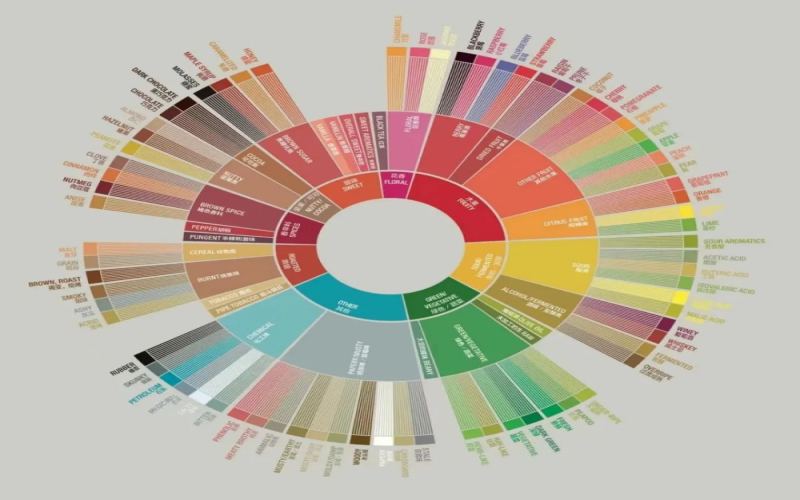
Are Coffee Flavor Descriptions Really Reliable? Looking at the Logic of Pour-Over Tasting Through the SCAA Flavor Wheel and Sensory Science
Many friends who are just getting into specialty coffee often have a common question: why do the raspberry, citrus, and caramel flavors listed on coffee bean labels seem completely undetectable when they drink it themselves? Are these flavor descriptions just mystification, or do they actually exist? This article will start with the first version of the coffee flavor wheel released by the SCAA in 1995, and combine scientific research from "The Chemistry of Coffee Aroma" to explain why flavor descriptions are not fabricated out of thin air, but rather a communication standard supported by compound foundations and sensory thresholds. At the same time, the article will also explore whether flavor descriptions play a "psychological suggestion" role, and why the same cup of coffee can influence your tasting experience just by being described differently. If you also want to understand how to actually taste the flavors in pour-over coffee, this content is worth reading. [more…]
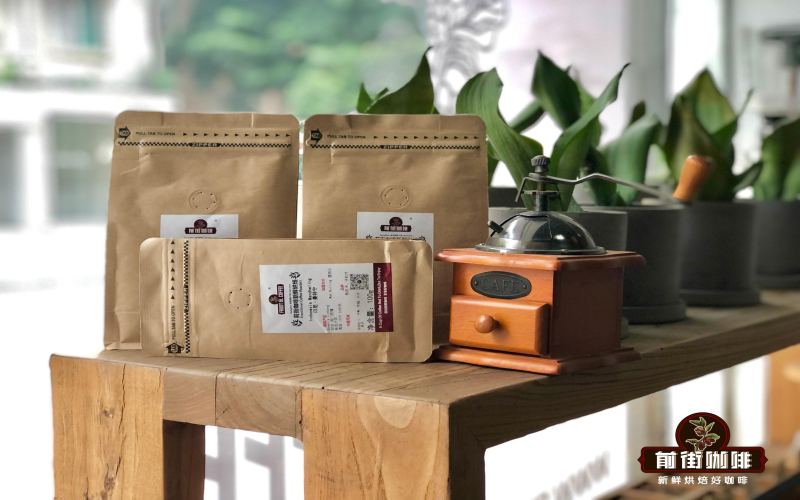
Analysis of Flavor Differences Between Pour-Over Coffee and Espresso Machine Output, with Five Front Street Coffee Everyday Bean Recommendations
Around the question of "Is pour-over coffee really better tasting than coffee from a machine?", Front Street conducted experiments comparing the essential differences between the two in aspects such as pouring method and temperature control. Because pour-over coffee allows flexible adjustment of factors such as water temperature, grind size, and pouring technique, it can customize extraction plans for beans with different roast levels, presenting a fuller and clearer flavor hierarchy; whereas the factory settings of a coffee machine limit this flexibility. The article also introduces brewing parameters corresponding to light roast and medium-dark roast beans, and recommends five classic regional representatives from Front Street's everyday beans series for pour-over enthusiasts to practice and explore. [more…]
Why Does Light Roast Coffee Always Seem to Have Citrus Notes? Breaking Down the Flavor Causes from Aroma Compounds and Sensory Distinctiveness
When browsing e-commerce platforms, it's not hard to notice that most lightly roasted beans with conventional processing methods almost always have the word "orange" somewhere in their flavor tags. Even if the first two descriptors mention floral notes or berries, a citrus note is often tacked on at the end. This phenomenon is no accident—citrus's widespread recognition, the penetrating power of its peel aroma, and the combination of specific alcohols, aldehydes, and esters in lightly roasted beans all contribute to this flavor's ubiquity. This article will explain, from the two dimensions of aroma chemistry and sensory perception, why lightly roasted coffee always evokes citrus, and touch on how other fruit flavors differ in the cup. [more…]

The Best Way to Drink Cold Brew Coffee and Recommended Single-Origin Beans for It: A Full Analysis of Low-Temperature Extraction Flavor Characteristics
September has arrived, yet the heat in the south shows no sign of fading, and a refreshing glass of iced coffee remains a favorite for many coffee lovers. Step into Front Street Coffee, and the apparatus on the bar that looks like a chemistry lab setup always sparks curiosity—this is exactly the equipment for making cold brew drip coffee. Cold brew drip coffee originated in the Netherlands, using ice water for low-temperature slow extraction. Although it takes a long time, it delivers a smooth, full-bodied taste with a subtle fermented aroma. In this article, Front Street will systematically explain the extraction principles of cold brew drip coffee, its differences from hot extraction, key production points, and share suitable coffee bean choices and specific blending schemes for cold brew drip, helping you make an outstanding cup of cold brew drip coffee at home. [more…]

Is swollen coffee bean packaging a sign of spoilage or normal degassing? An in-depth analysis of the causes of coffee bean bag swelling and how to judge whether it's safe
The coffee bean bag you brought home is bulging—is it spoiled or is this normal? Many coffee lovers have encountered this question. In fact, a swollen coffee bag doesn't necessarily mean the beans have gone bad—roasted coffee beans continuously release carbon dioxide, which is the main reason the packaging expands. However, not all swollen bags are harmless; if accompanied by a musty or sour odor, that's a different story. This article will walk you through the chemistry of coffee bean degassing, the mechanism of one-way degassing valves, and why dark-roasted beans are more likely to make packaging bulge, helping you accurately judge whether the coffee beans in your hands are still safe to enjoy. [more…]

What exactly is beanless coffee? How can coffee flavor be created without a single coffee bean?
Coffee bean prices have been climbing steadily, and some coffee shops in South Korea have seized the moment to launch "beanless coffee," sparking plenty of discussion. So-called beanless coffee uses other ingredients to replace coffee beans, producing a drink with coffee-like flavor. Without coffee beans, why can it still taste like coffee? In fact, this is nothing new—beanless coffee made frequent appearances as early as several hundred years ago. From the perspective of Front Street, this article reviews the historical origins of chicory root as a coffee bean substitute, explains the common types of grain-based substitutes, and, from the angle of roasting chemistry, clarifies the true source of "coffee flavor," giving you a comprehensive understanding of the essential differences between beanless coffee and regular coffee. [more…]
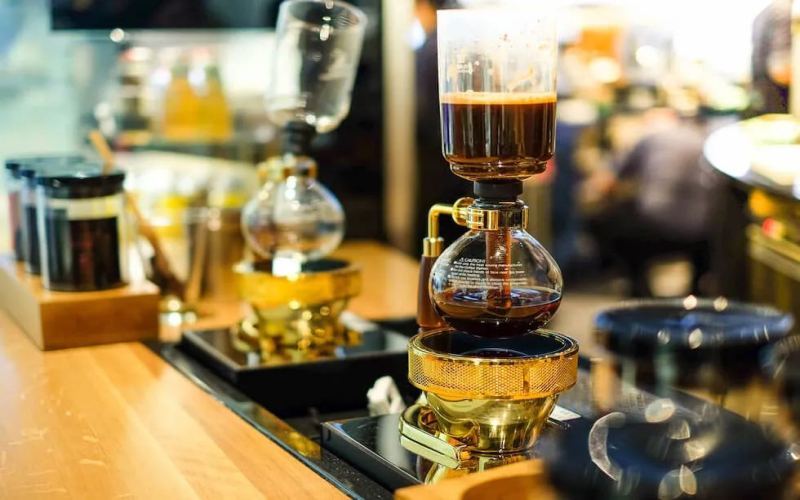
Which beans are suitable for siphon coffee? A full guide to the brewing process and buying prices
The siphon brewer, with its chemistry-lab-like appearance and unique pressure-differential extraction method, has always held a place in the coffee world. It can deliver both rich, full-bodied flavors and delicate, nuanced ones—the key lies in choosing the right coffee beans and mastering the operational details. This article will start with the structure and principles of the siphon brewer, gradually break down the brewing steps, and recommend several coffee beans from the Front Street Coffee list for different flavor preferences, helping you make an ideal cup of siphon coffee. [more…]
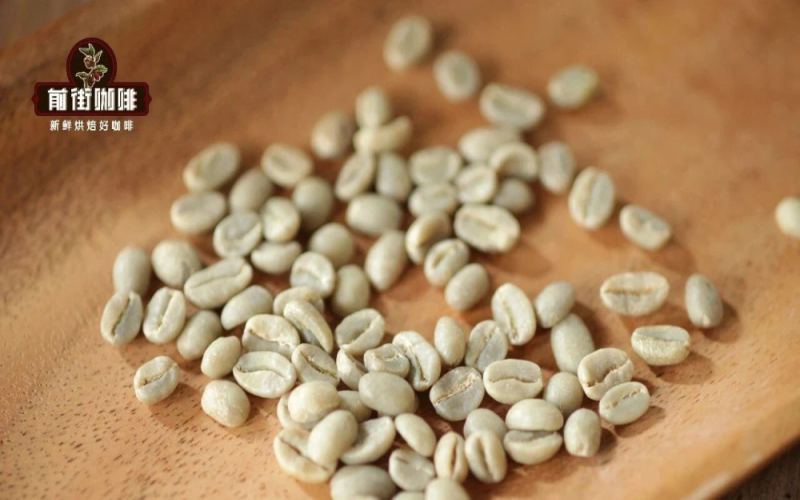
SOE Coffee: Light Roast or Dark Roast? The Roasting Logic Behind Espresso Made from Single-Origin Beans and Four Front Street Recommendations
The same single-origin bean can taste completely different as a pour-over versus an SOE. The roast level plays a key role here—a light roast preserves the floral and fruity acidity, but under pressurized extraction it can turn sharp and prickly on the tongue; a dark roast brings a rich, mellow caramel note, but it easily masks the character of the origin. So what roast level should SOE actually use? This article starts from roast chemistry, analyzing how the Maillard reaction and caramelization shape coffee flavor, sorting out the flavor directions corresponding to light, medium, and dark roast levels, and then answers the roasting-selection challenge for making SOE from single-origin beans, and offers four Front Street Coffee beans suitable for SOE, covering four styles: tropical fruit, hazelnut and sugarcane, fermented fruit, and chocolate creamy peanut. [more…]
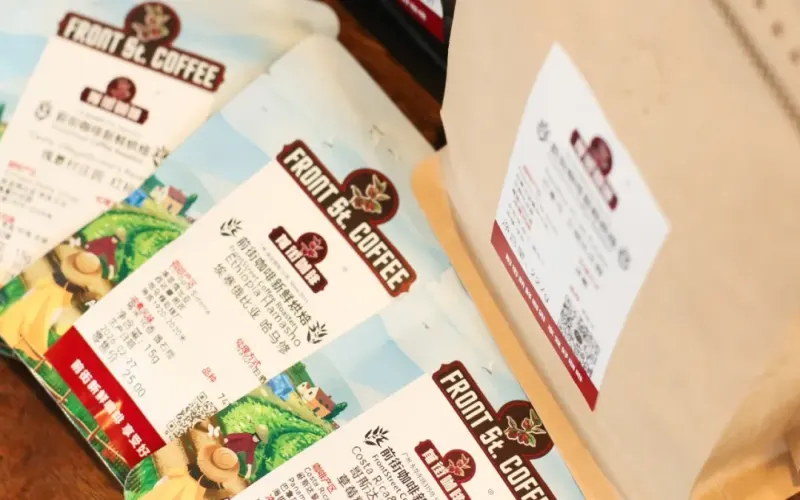
Why Strawberry and Peach Notes Are Hard to Capture in Pour-Over Coffee and How to Adjust High-Temperature Fast-Extraction Parameters
Many coffee enthusiasts are often puzzled when tasting pour-over: why are fruity notes like citrus and pineapple easy to identify, while the sweet aromas of strawberry and peach always seem veiled? Front Street approaches this from the perspective of aroma chemistry composition and concentration differences, revealing the fundamental reason these fresh fruit notes are hard to capture—authentic strawberry aroma is presented through the synergy of over three hundred volatile compounds, while coffee contains only a small amount of similar components. The article proposes two paths to solve this: first, training the sense of smell to capture secondary aroma contours beyond the primary notes; second, amplifying target flavors through high-temperature fast extraction and appropriately diluting the coffee-to-water ratio in brewing strategy. Front Street also lists several sun-dried bean options with peach and strawberry notes, and using Ethiopia Hamashu as an example, provides complete brewing parameters and tasting records. [more…]
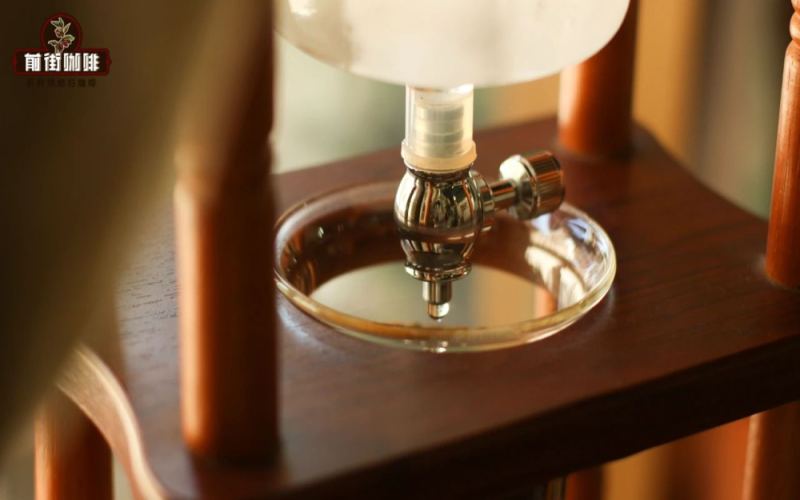
The Correct Way to Drink Cold Brew Coffee | Which Single-Origin Coffee Beans Are Suitable for Making Cold Brew Black Coffee? How Do the Flavors of Ice-Water Extraction and Hot-Water Extraction Differ?
Before we knew it, September has arrived again. I believe friends in the southern region are still battling it out every day alongside the enthusiastic Mr. Sun—the weather is still quite hot. For coffee lovers, the refreshing drink that immediately comes to mind is none other than iced coffee. Arriving at Front Street Coffee (FrontStreet Coffee), as soon as you walk in, [more…]
How Does the SCAA Define Specialty Coffee? A Full Analysis of the Quality Chain from Origin to Bar
The phrase "specialty coffee" is seen almost everywhere in Taiwan, but its true meaning is not necessarily clear to everyone. The definition given by the Specialty Coffee Association of America (SCAA) does not focus solely on green bean quality or brewing methods, but instead looks at the entire industry chain—from farmers, green bean traders, roasters, and baristas all the way to consumers, every link plays an indispensable role. This article will comprehensively sort out the SCAA's official interpretation of specialty coffee, guiding you to understand every person who quietly contributes along this quality chain, and also to rethink the true value behind a good cup of coffee. [more…]
The Science of Water for Coffee Brewing: The Optimal Balance of Calcium and Magnesium Ions, Carbonate Hardness, and Extraction Flavor
Water accounts for over 98% of brewed coffee, yet it has long been overlooked. Different types of water—RO water, tap water, mineral water, soft water, hard water—have a huge impact on extraction flavor. In 2014, Christopher Hendon and Maxwell Colonna-Dashwood published research revealing how sodium, calcium, and magnesium ions influence the extraction efficiency of flavor compounds, and subsequently published the book "Water for Coffee," which systematically discusses the dynamic balance between GH (total hardness) and KH (carbonate hardness), and proposes the reverse thinking of "Roasting to water." This article will sort out these key findings to help coffee lovers understand how water quality shapes the flavor in the cup, and will retain relevant recommendations for the Front Street brand. [more…]
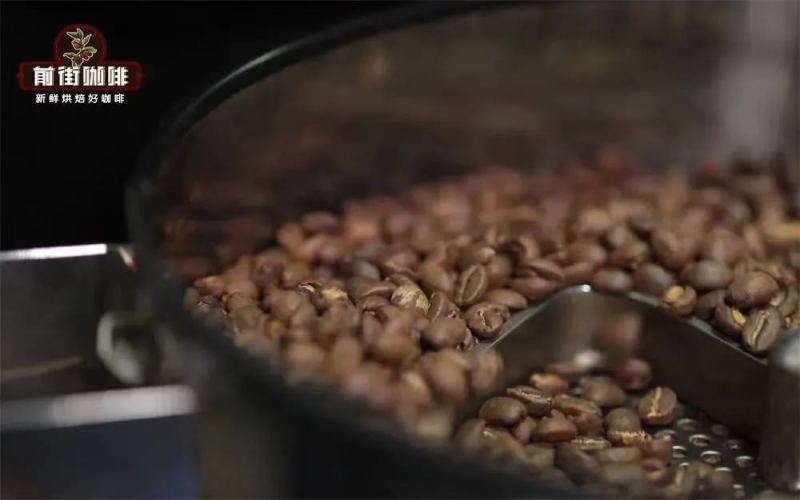
Are Maillard color schemes and the Maillard reaction in coffee roasting the same thing? And how should we understand caramelization?
In recent years, the Maillard color palette has frequently appeared in the fields of fashion and design, but what coffee enthusiasts care about more is the role it plays in coffee roasting. Although the Maillard color palette and the Maillard reaction during the roasting process share the same name origin, they are essentially concepts at two different levels. The former describes a color style, while the latter is a series of complex chemical changes. At the same time, the caramelization reaction is also often mentioned alongside the Maillard reaction. This article will start from three angles—conceptual origin, reaction mechanism, and practical application—to help readers clarify these easily confused points of knowledge and understand how they jointly shape the flavor and color of a cup of coffee. [more…]
How to Choose Coffee Beans for a Siphon Pot? A Front Street Single-Origin Recommendation Guide from Beginner to Advanced
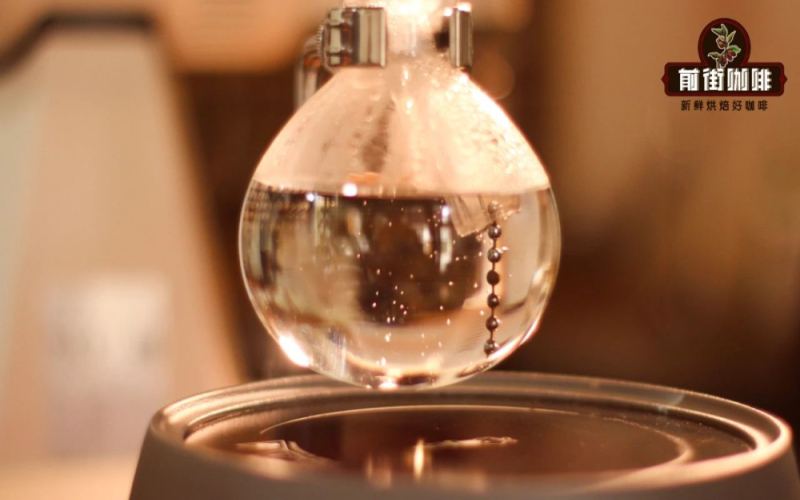
If you've ever seen a barista in a coffee shop fiddling with two glass globes, moving them up and down like conducting an experiment, that's actually siphon brewing. Coffee made this way has a fuller, heavier body than pour-over, with a more concentrated aroma. But the key is choosing the right beans—too light a roast tends to be sharply acidic, while too dark a roast leans bitter. This article selects several Front Street Coffee beans suited to the siphon brewer, covering different needs from beginner to advanced and for those who prefer a rich, full-bodied cup, to help you find your perfect brew. [more…]
Yirgacheffe Coffee Flavor Profile, Processing Methods, Grades, Grinding and Brewing Key Points, and Production Region Introduction
Yirgacheffe is one of the most distinctive regions in specialty coffee, known for its citrus, floral, and tea-like notes. This article focuses on the characteristics, flavor descriptions, and mouthfeel of Yirgacheffe coffee, outlining the two major processing categories—washed and natural—along with their grade classifications. It also covers Front Street Coffee's Yirgacheffe roasting approach, grinding and brewing recommendations, and methods for adjusting your tasting experience. At the same time, it introduces the village-style garden cultivation and microclimate background, helping coffee enthusiasts more systematically understand why this bean is often described as "the moment coffee touches your lips, a hundred flowers bloom." [more…]
Yirgacheffe Coffee Flavor Profile and Taste Analysis: Origin, Variety, Grading, Processing, and Pour-Over Grind and Water Temperature Recommendations
Yirgacheffe is widely recognized by coffee enthusiasts around the world as a representative specialty region, famous for its citrus, jasmine aromas, and silky body. This article starts with the region's microclimate and garden cultivation model, explains in detail the grading standards of the two major processing methods—washed and natural—and also clarifies the flavor differences of Front Street Coffee's Yirgacheffe G1 series. At the same time, it provides practical brewing suggestions, including water temperature ranges, coffee-to-water ratios, and key points for using an AeroPress, helping readers build a complete understanding of Yirgacheffe from beginner to advanced. [more…]
Siphon brewing principles and recommended coffee beans: a complete analysis from how it works to bean selection
When you see a barista in a coffee shop handling two glass bulbs, moving them up and down as if conducting an experiment, that is actually siphon brewing. It relies on steam pressure generated by heating to push hot water up into the upper chamber to contact the coffee grounds, and after the temperature drops, extraction is completed through vacuum reflux, resulting in a fuller, more solid mouthfeel and more concentrated aroma than pour-over. But not all beans are suitable for a siphon; choosing the wrong type can easily make the coffee bitter or sour. Starting from Front Street's bean-selection experience, this article first explains the working principle and flavor characteristics of the siphon, then, along three routes—beginner, advanced, and those who prefer rich and mellow coffee—recommends suitable beans such as Bird of Paradise, Strawberry Candy, Sidra, and PWN Golden Mandheling, helping you find coffee beans suited to siphon extraction. [more…]
Why Does Pour-Over Coffee Taste Sour, Bitter, or Astringent? A Detailed Explanation of Over-Extraction and Under-Extraction: Causes and Adjustment Methods
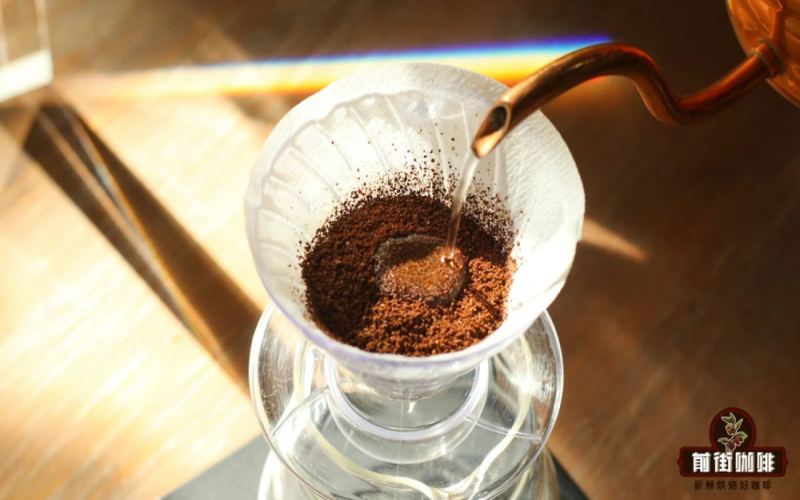
The flavor imbalance of pour-over coffee often stems from problems in the extraction process. Over-extraction makes coffee bitter and muddled, while under-extraction results in a thin, sharply acidic cup. Starting from the basic concepts of extraction, this article systematically sorts out the causes and manifestations of over-extraction and under-extraction, and, drawing on specific beans such as Front Street. Indonesian Mandheling, Front Street. Brazil Queen's Estate, Front Street. Jamaican Blue Mountain, Front Street. Natural Huakui, Front Street. Hacienda La Esmeralda Green Label Geisha, and Front Street. Kenyan Small Tomato, explains how water temperature, grind size, coffee-to-water ratio, and brewing time should work together, helping coffee lovers pinpoint the problem and brew a balanced, delicious pour-over coffee. [more…]
A Detailed Guide to Coffee Extraction Imbalance: Causes, Identification Methods, and Specific Flavor Impacts of Over-Extraction and Under-Extraction
Extraction is the core process behind coffee flavor. Not all soluble compounds in coffee beans are pleasant, and the degree of extraction directly determines what ends up in the cup. Over-extraction releases too many large-molecule substances, bringing bitterness, astringency, and off-flavors; common causes include excessively long contact time, water temperature that is too high, or grinding that is too fine. Under-extraction, by contrast, occurs because flavor compounds are not dissolved sufficiently, resulting in a thin body, prominent bitterness, and imbalance; it is mostly associated with grinding that is too coarse, water temperature that is too low, or a brew ratio that is too high. This article systematically sorts out the definitions, causes, and diagnostic methods for both, and, in combination with specific products under Front Street Coffee such as Mandheling, Queen Estate, Blue Mountain, Huakui, Green Label Geisha, and Kenya Little Tomato, explains reasonable brewing parameters for medium-dark and medium-light roasted beans to help enthusiasts adjust extraction precisely. [more…]