








Beanless Coffee: How It Works and Where the Flavor Comes From
Beanless coffee replaces coffee beans with other ingredients to create a coffee-like drink. This concept is not new; in the early 19th century, Napoleon's Berlin Decree cut off coffee supplies to continental Europe, leading to the use of chicory root as a substitute. Chicory root, when roasted and ground, produces a dark, bitter brew that resembles coffee. Other common substitutes include grains like barley and rye, which also develop roasted flavors.
The coffee flavor we recognize comes from the roasting process, not the bean itself. When any organic material is roasted, it undergoes the Maillard reaction and caramelization, creating complex aromatic compounds. These reactions produce the familiar roasted, nutty, and bitter notes associated with coffee. Thus, beanless coffee can mimic coffee flavor by using ingredients that undergo similar chemical changes during roasting, offering a caffeine-free alternative that often costs less.
Coffee bean prices have been climbing steadily, and some coffee shops in South Korea have seized the moment to launch "beanless coffee," which has sparked quite a bit of discussion. So-called beanless coffee uses other ingredients in place of coffee beans to make a drink with a coffee-like flavor. Without coffee beans, why can it still taste like coffee? In fact, this is nothing new—beanless coffee was already making frequent appearances hundreds of years ago. In this article, from Front Street's perspective, we will look back at the historical origins of chicory root as a substitute for coffee beans, examine the common types of grain-based substitutes, and explain from the perspective of roasting chemistry where the real "coffee flavor" comes from, giving you a comprehensive understanding of the essential difference between beanless coffee and regular coffee.



Not long ago, green coffee bean prices surged sharply, and some coffee shops in South Korea took the opportunity to launch "beanless coffee" made without coffee beans, which quickly sparked widespread discussion online.
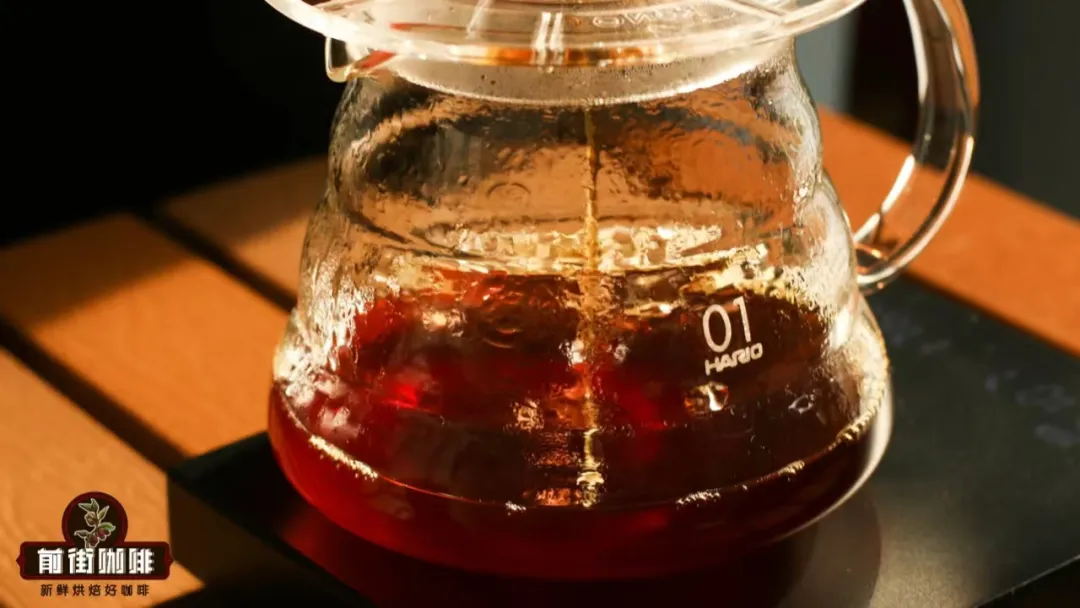
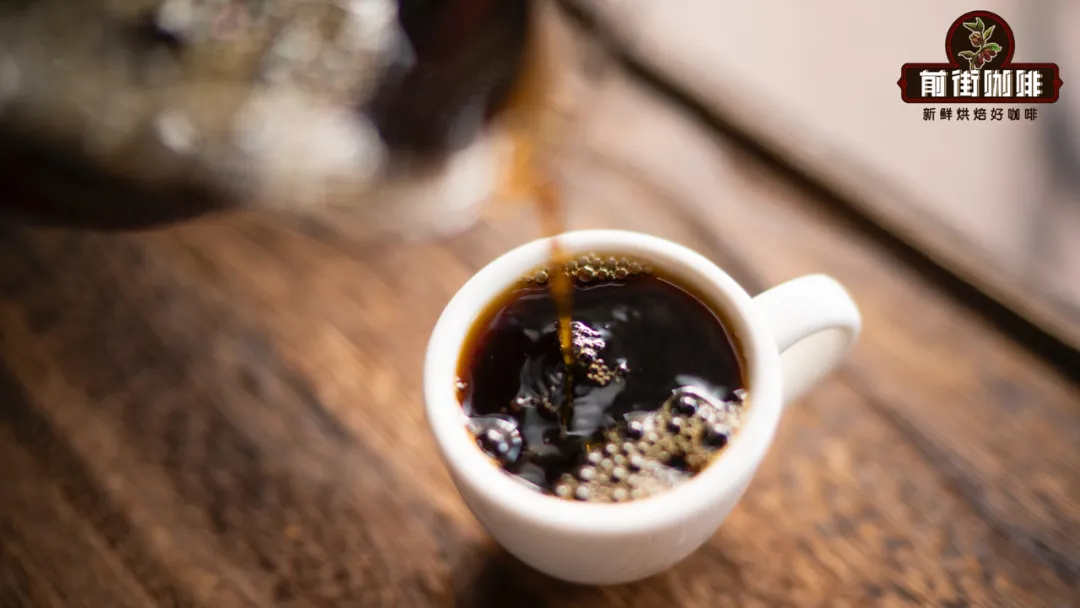
So what exactly does beanless coffee mean? Simply put, this cup of "coffee" uses no coffee beans at all during production. Instead, other ingredients are used as substitutes to ultimately create a drink with a "coffee flavor."
Many friends are therefore puzzled: beanless coffee? With not even a single coffee bean, how can it still taste like coffee?
Although Front Street has not yet personally tasted beanless coffee, this question can still be answered. After all, beanless coffee appeared hundreds of years ago and has shown up quite frequently, so it is hardly anything new.
For example, in the early 19th century, beanless coffee was once forced into popularity in Europe. At the time, in order to strike at Britain's economy, Napoleon issued the Berlin Decree, prohibiting trade between continental Europe and Britain, and the supply of coffee beans was therefore cut off. But by then coffee had already become part of daily life for Europeans, and even Napoleon himself could hardly give up the taste of coffee. So what was to be done?
Napoleon therefore made a controversial yet quite effective decision—using chicory root (Chicory) instead of coffee beans to make coffee.
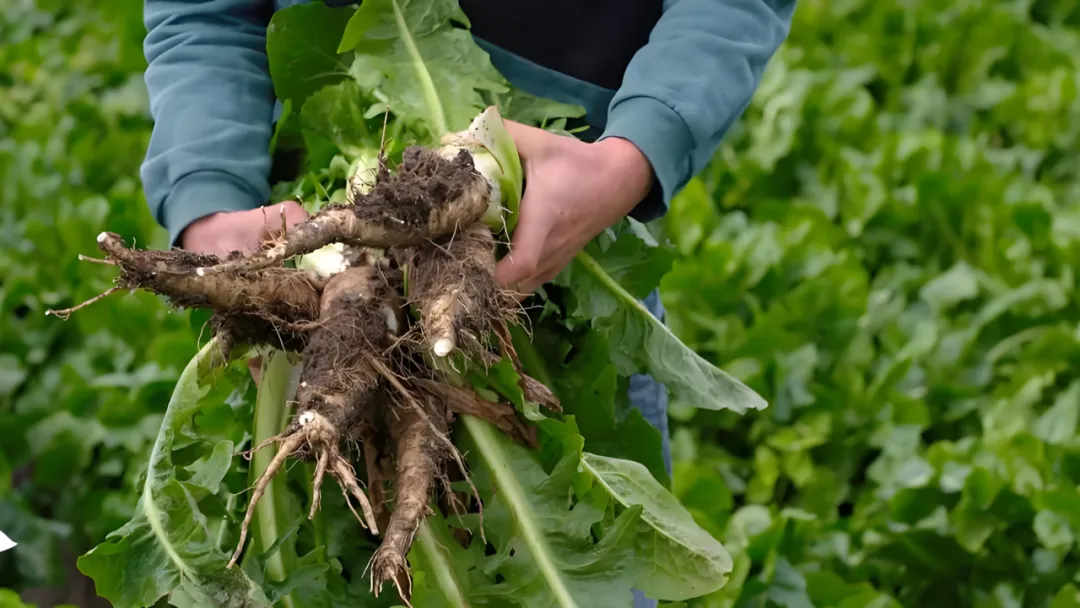
As shown in the picture, chicory root is the root of the chicory plant and is itself non-toxic and harmless. Like the roots of most plants, it is brown on the outside, and when broken it exudes a white bitter juice. And it is precisely this that became the core material for replacing coffee beans. After roasting and grinding into powder, then mixing with water and boiling according to the coffee brewing methods of the time, and finally filtering, a bitter drink with a "coffee flavor" was ready.
Although it sounds a bit absurd, this method achieved clear results at the time and in several later periods. After the supply of coffee beans was cut off, people who had long been accustomed to coffee could only settle for second best, using the bitter drink made from chicory root to satisfy their cravings. Later, because demand was so great and chicory root was in short supply, people even came up with other methods, using other grains to replace chicory root and replace coffee beans, making bitter drinks with a "coffee flavor."
It should be noted that using chicory root to replace coffee beans was not Napoleon's invention. As early as 18th-century Germany, this practice had already appeared and factories had been established for production, so it can also be called the ancestor of "beanless coffee."
As Front Street mentioned above, in addition to chicory root, quite a few grains can also serve as substitutes for coffee beans. The more common ones include burdock, chrysanthemum seeds, chufa, fenugreek, figs, and date pits, all of which can be used to make drinks with a "coffee flavor."
So back to the main point: without coffee beans, how can there be a coffee flavor?
From the explanation above, Front Street believes many friends have already guessed the answer. That's right—the so-called "coffee flavor" actually refers to the "roasted flavor" produced when food is roasted.
Early coffee had only one roast level, and that was extremely dark roast. Because the roasting technology and coffee bean quality at the time were not ideal enough (by today's standards), people could only choose extremely dark roast. In this way, uneven heating caused by rough roasting techniques could be avoided, and the roasted aroma brought by dark roasting could also mask defective flavors.
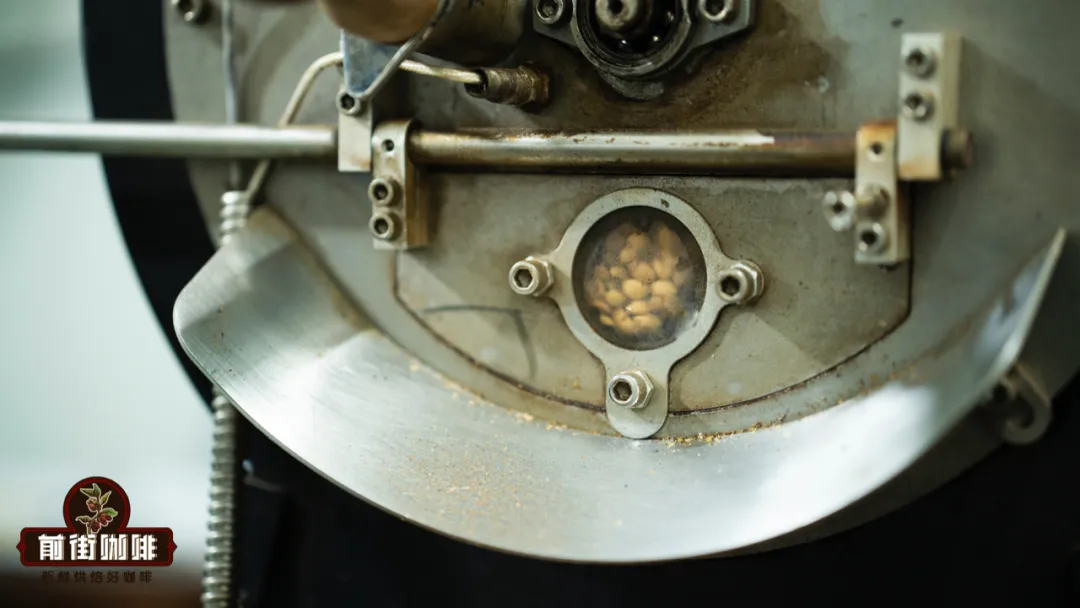
The so-called roasted aroma refers to the smell emitted by substances generated through the Maillard reaction and caramelization reaction during the roasting of food. For example, furan aromatic substances bring a caramel-like sweet aroma, while pyrazine aromatic substances present nutty and roasted aromas... And this kind of aroma is not unique to coffee; materials such as grains and bread can also produce similar aromatic expressions during roasting. For example, the inulin contained in chicory root undergoes caramelization after roasting, generating furan aromatic substances.
In addition to aroma, there are many shared substances as well, among which the most noteworthy is melanoidin produced during roasting, which directly affects the appearance of food. We all know that the darker the coffee roast, the darker the surface color of the coffee beans, and this is precisely melanoidin at work, and this effect is directly carried into the coffee liquid. The darker the roast level of the coffee we use, the darker the color of the coffee liquid.
Other foods also achieve the same effect after roasting, so it is not only the aroma—the color of "coffee" made from non-coffee-bean ingredients is also very close to that of real coffee.
In summary, it becomes clear that the main reason beanless coffee has a "coffee flavor" is that the materials themselves contain the same substances as coffee beans, and during roasting they generate the same aromatic components, which is why a similar "coffee flavor" can be produced. With the development of the times and advances in technology, Front Street believes that today's beanless coffee must be more than just what it was in the past, but that is beyond the scope of this article, so Front Street will not expand on it further.
- END -
The above content is compiled by CoffeeHunters, a coffee news website.


