







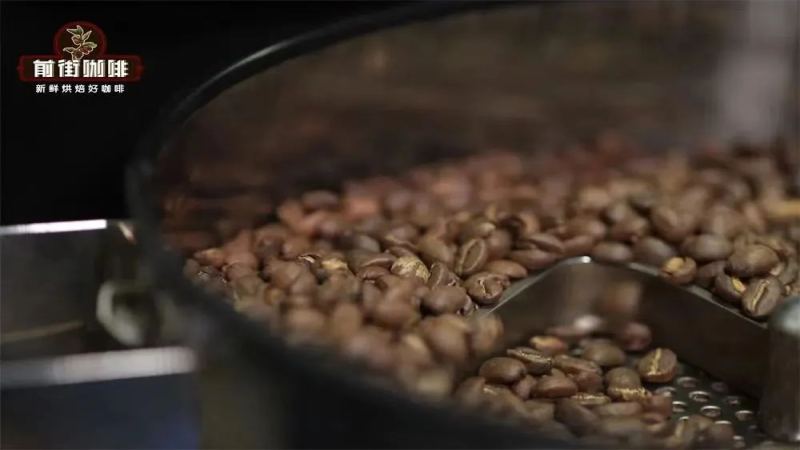
How Does the Roasting Process Use Maillard and Caramelization?
The Maillard color scheme and the Maillard reaction are not the same thing. The color scheme is a fashion and interior design trend built on warm brown, caramel, and khaki tones, while the Maillard reaction is a non-enzymatic browning process in which amino acids and reducing sugars react under heat. Only the reaction matters in the roasting process; the color trend merely borrowed its name.
Inside the roaster, the Maillard stage begins around 140°C to 160°C and generates volatile aroma compounds and brown pigments that shape floral coffee beans, nutty, caramel, and cocoa notes. Caramelization is separate: sugars break down without amino compounds, typically above 160°C, so heat and airflow control both reactions and the final flavor.
In recent years, Maillard color schemes have frequently appeared in the fields of fashion and design, but what coffee lovers care more about is the role it plays in coffee roasting. Although the Maillard color scheme and the Maillard reaction in the roasting process share the same name origin, they are essentially concepts at two different levels. The former describes a color style, while the latter refers to a series of complex chemical changes. At the same time, caramelization is also often mentioned alongside the Maillard reaction. This article will help readers clarify these easily confused points of knowledge from three perspectives: conceptual origin, reaction mechanism, and practical application, and understand how they jointly shape the flavor and color of a cup of coffee.


Front Street Coffee
No. 10 Bao'an Qian Street, Yandun Road, Dongshankou, Yuexiu District, Guangzhou, Guangdong Province
In recent years, Maillard color schemes have been very popular in the fields of dressing and home decor, with warm, low-key tones such as brown, caramel, and khaki collectively referred to as the Maillard style. This naming indeed borrows the concept of the Maillard reaction from food chemistry, but the objects they examine are not the same. The Maillard color scheme focuses on the visual impression brought by a set of color combinations, while the Maillard reaction refers to a series of non-enzymatic browning processes in which amino acids and reducing sugars react under heating conditions. Simply put, one is a color trend in the aesthetic category, and the other is a chemical reaction in food science; the latter merely provided the former with a source of inspiration and a basis for naming.
In the field of coffee roasting, the Maillard reaction occupies a pivotal position. After green beans enter the roaster, as the temperature rises to about 140°C to 160°C, the amino acids and sugars in the beans begin to participate heavily in reactions, generating a large number of volatile aroma compounds and brown pigments. This stage is usually called the Maillard stage, and it directly affects the coffee's final floral, nutty, caramel, and cocoa notes. When roasters adjust the heat and airflow, to a large extent they are controlling the progress and extent of the Maillard reaction.
Caramelization is often mistaken for part of the Maillard reaction. In fact, caramelization is the process in which sugars simply decompose under heat without the participation of amino compounds, and it usually requires a temperature above 160°C to occur noticeably. The flavors it produces tend toward sweet aromas, creaminess, and slight bitterness, which differ from the roasted aromas, meaty aromas, and nutty aromas brought by the Maillard reaction. In coffee roasting, these two reactions often proceed simultaneously, but their active ranges and directions of contribution are different.
Understanding these differences also has practical significance for daily brewing and bean selection. For example, a medium-light roasted bean retains more Maillard reaction products and tends to present floral and fruity notes, while a dark roasted bean has a higher degree of caramelization, with flavors leaning more toward caramel, dark chocolate, and roasted nuts. In roasting practice, Front Street Coffee adjusts the ratio of the two according to the characteristics of the bean variety in order to achieve a balance among sweetness, acidity, and body. The next time you see the term Maillard color scheme, you might associate it with the color and aroma of the coffee in your cup; behind them there is indeed a similar chemical logic, but the levels they point to are completely different.
The above content is compiled by CoffeeHunters, a coffee news website.


