








Can Coffee Make You Drunk, and How Is Cold Brew Made?
Coffee cannot make you drunk in the alcoholic sense. Cold brew, however, can carry a subtle fermented aroma from long low-temperature extraction, which is why some drinkers describe the effect as feeling tipsy. Cold drip coffee uses ice water dripping slowly through the grounds, producing a smooth, full-bodied cup with that faint fermented note.
The method is credited to the Dutch, which is why it is also called Dutch-style drip coffee. In traditional cold drip equipment the drip rate is adjusted by hand. Because low temperatures keep astringent compounds from dissolving, extraction takes hours rather than minutes, and bean choice plus grind and ratio decide how the final cup tastes.
September has arrived, yet the heat in the south shows no sign of letting up, and a refreshing glass of iced coffee remains a favorite for many coffee lovers. Step into Front Street Coffee, and the apparatus on the counter that looks like chemistry lab equipment always sparks curiosity—this is exactly the gear used to make cold drip coffee. Cold drip coffee originated in the Netherlands, using ice water for low-temperature slow extraction. Although it takes a long time, it delivers a smooth, full-bodied taste with a subtle fermented aroma. In this article, Front Street will systematically explain the extraction principles of cold drip coffee, how it differs from hot extraction, key production points, and share suitable coffee bean choices and specific blending schemes for cold drip, helping you make an outstanding cup of cold drip coffee at home.
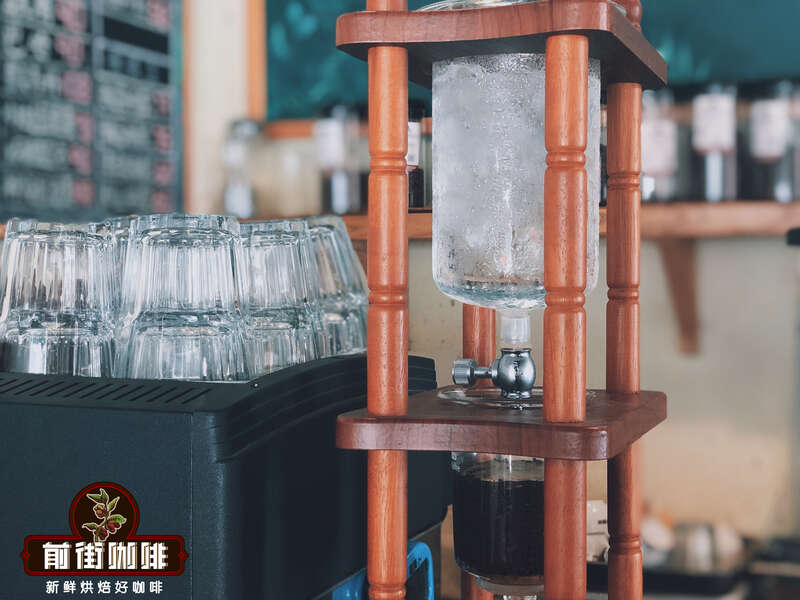
As September rolls around, friends in the south are most likely still battling the heat, with the summer warmth stubbornly refusing to leave. For coffee enthusiasts, there's nothing more comforting in this weather than a glass of iced coffee. Walking into Front Street Coffee, the set of vessels at the entrance resembling chemistry lab equipment always draws many customers to stop and take a look. It is, in fact, the device used to make cold drip coffee. Today, Front Street will talk about cold drip coffee: what it actually is, and how to make it.
The Origin of Cold Drip Coffee
Legend has it that cold drip coffee was first created by the Dutch, which is why it is also called Dutch-style drip coffee. It is completely different from methods that require hot water brewing. Its core feature lies in extraction with ice water—under low-temperature conditions, the extraction time is greatly extended, allowing the aromatic substances in the coffee to slowly dissolve out.
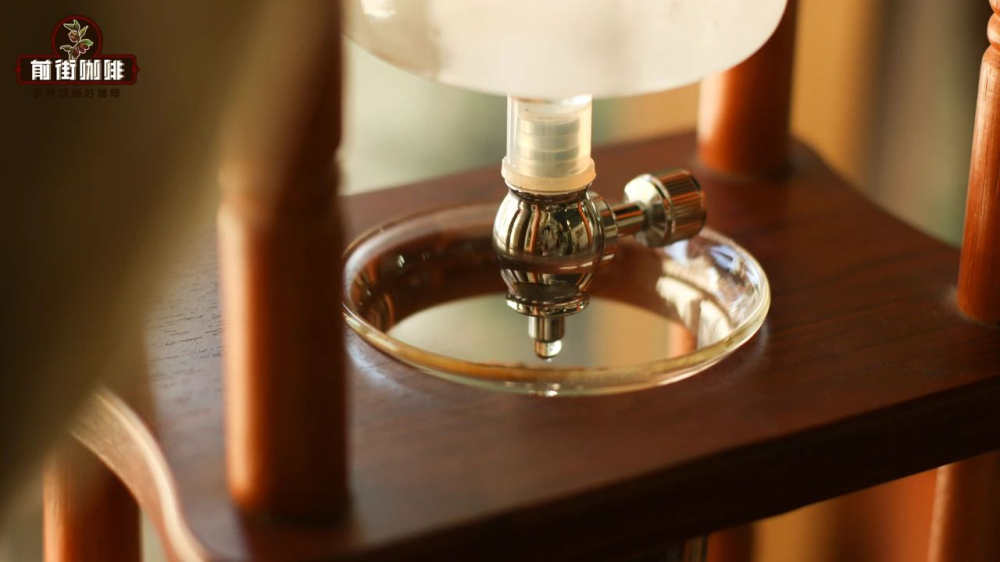
Using a device similar to a laboratory dropper, ice water drips down drop by drop, slowly soaking through and penetrating the coffee grounds layer. In common traditional cold drip equipment, the drip rate can be adjusted manually.
What Is the Extraction Principle of Cold Drip Coffee?
This is a coffee that is slowly nurtured by time. Brewing with different water temperatures yields noticeably different flavors, and in a low-temperature environment, the astringent compounds in coffee are inherently difficult to dissolve out. After long extraction with ice water, the coffee liquid is then placed in the refrigerator to ferment. Lightly fermented cold drip coffee carries a delicate fermented aroma and a fuller mouthfeel. Since no high temperature is involved throughout the process, fewer impurities are drawn out from the coffee, and the caffeine content is slightly lower as well.
What Is the Difference Between Ice Water Extraction and Hot Water Extraction?
Temperature directly affects the breakdown rate of oils, acids, and sugars in coffee. These components are released at different speeds, resulting in vastly different aromas, flavors, and textures in the final cup. In other words, different extraction methods can create completely different flavors and mouthfeels.
During high-temperature extraction, tannic acid in coffee rapidly breaks down into pyrogallic acid, bringing layers of acidity, sweetness, and bitterness—this is what Front Street often calls the flavor release process. However, water that is too hot can cause the coffee's flavors to be released too early and completely, after which the woody fiber taste of the coffee beans begins to emerge—what we commonly call off-flavors, woody notes, and other unpleasant aromas.
Low-temperature extraction, on the other hand, allows water and coffee grounds to remain in contact for a long time at low temperatures. Only smaller-molecule flavor compounds (such as floral and fruity notes) can be extracted, while larger-molecule smoky and roasted flavors are difficult to draw out. As a result, cold brew coffee lets you taste more of the coffee bean's original flavors, with a smooth mouthfeel and more pronounced layering and sweet aftertaste.
Tips for Making Cold Drip Coffee
1. Grind Size
Just like with pour-over coffee, grind size needs attention when making cold brew. Grinding too fine creates dense channeling and easily leads to over-extraction and bitterness; grinding too coarse increases the likelihood of channeling, and under-extraction makes the coffee taste bland. Front Street recommends a grind slightly finer than pour-over, using a No. 20 standard sieve with a 75–85% pass rate as reference—that is, a consistency close to granulated sugar.
2. Coffee-to-Water Ratio
The coffee-to-water ratio is equally crucial for cold drip coffee. Front Street recommends using 1:10 to 1:12. Coffee extracted within this range can be drunk directly, or diluted with ice cubes to a suitable concentration before tasting.
3. Wet the coffee grounds before dripping, and remember to place a filter paper on top of the grounds layer.
Wetting the coffee grounds allows the grounds layer to be in a water-saturated state before extraction begins, facilitating the subsequent drip extraction. Also, don't forget to cover the grounds with a piece of filter paper—it allows water droplets to spread evenly across the surface of the coffee grounds; otherwise, the result may taste weak.
4. Cold drip coffee tastes better after being refrigerated overnight.
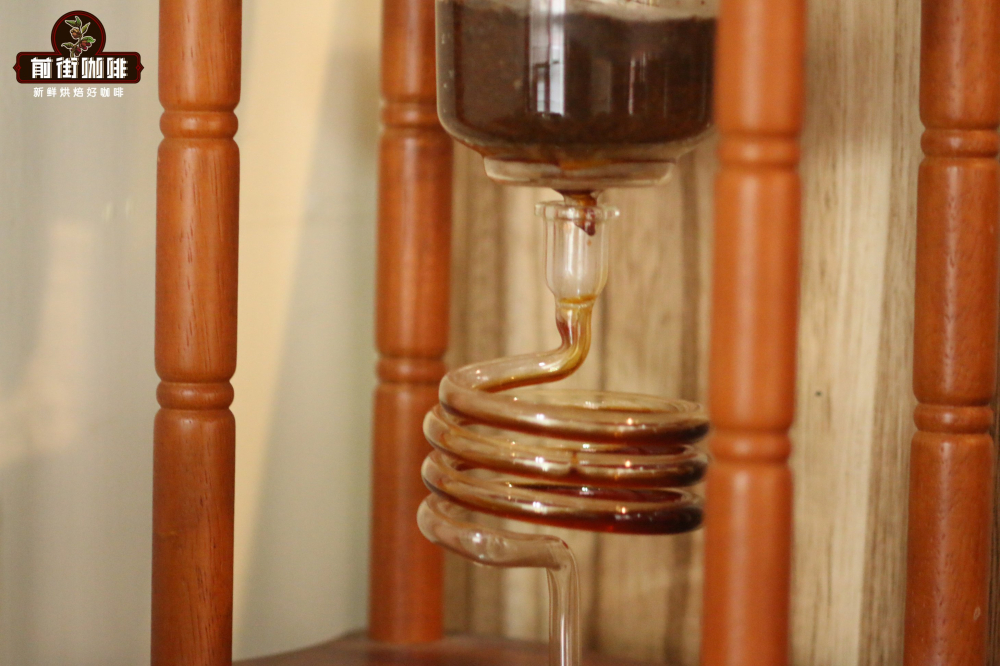
Front Street typically starts the soaking the night before, controlling the time to around 12–14 hours, so that the next day the filtered coffee grounds can be removed and the fully extracted coffee liquid obtained. Front Street has also, due to forgetting the time, let the soaking exceed one day, resulting in a bitter and harsh coffee liquid—so extraction time must be well controlled to avoid waste. In addition, the space where coffee is stored will absorb various odors from the air. If stored in a home refrigerator, Front Street recommends using a well-sealed container to avoid affecting the flavor.
Why does cold drip coffee need to be refrigerated and "fermented" for more than 12 hours after dripping is complete? Is this process really called fermentation?
Rather than calling this step fermentation, it is more accurately an oxidation process. Just like freshly roasted coffee beans, about 2% of their weight is carbon dioxide. This carbon dioxide is released depending on the storage environment, equipment, or method, making the pressure inside the packaging higher than one atmosphere. This pressure helps aromatic substances and oils integrate, bringing all the aromatic substances inside the coffee beans to a state where they are easily extracted.
The same applies to cold drip coffee. Long extraction draws out many flavor molecules, but they have not yet been well released. So after cold drip extraction is complete, pour it into a sealed bottle and let it sit in the refrigerator for 12–24 hours. The carbon dioxide pressure generated inside the bottle prompts the release of flavor molecules—this is also why cold drip coffee tastes richer the longer it sits in the refrigerator. Of course, Front Street does not recommend keeping cold drip for a week, since bacteria in the air or bottle are inevitable, and it is hard to guarantee the coffee's condition after too long. The best drinking window for cold drip is within 72 hours. Don't feel it's a waste to discard cold drip older than 72 hours—coffee left that long offers no benefit when drunk.
What Beans Are Suitable for Cold Drip Coffee?
Reading this, many may think that choosing a flavor bean you like is all it takes—and indeed, making it with coffee beans you enjoy is perfectly fine. Due to the characteristics of low-temperature extraction, cold brew and cold drip can highlight the winey and fruity fermented notes in coffee, making them very suitable for flavor-forward coffee beans. Front Street believes that medium and medium-light roasted beans with rich floral-fruity aromas or fermented notes are suitable for cold drip, such as the Costa Rica Musician Series and Honduras barrel-treated coffee beans.
At Front Street Coffee, in order to make each cold drip coffee's flavor more prominent and balanced, baristas usually blend two coffee beans, aiming to highlight a certain flavor characteristic—one bean provides the aroma, one bean provides the flavor. This time, Front Street will use Costa Rica Mirazu Estate Geisha blend and Honduras whiskey barrel-fermented Sherry to make a cold coffee demonstration.
Front Street Coffee brewing parameters: Coffee grounds: 60g (20g Geisha blend : 40g Sherry) Coffee-to-water ratio: 1:10
Ice water 1:1 mixture, totaling 600ml
1. Place a circular filter paper at the bottom of the grounds cup, wet it with water so it adheres to the cup wall, add the ground 60g of coffee (Front Street Coffee uses the Chinese standard No. 20 sieve, with a 78% pass rate), then shake to level the coffee surface. You can also use the weight of the tamper to gently press the grounds layer, making the surface flat.
2. Lay a piece of filter paper on top of the coffee grounds layer. The tension of the filter paper allows water to distribute evenly across the surface of the coffee grounds layer for extraction. Without filter paper, prolonged dripping will create a pit in the coffee bed, affecting subsequent extraction.
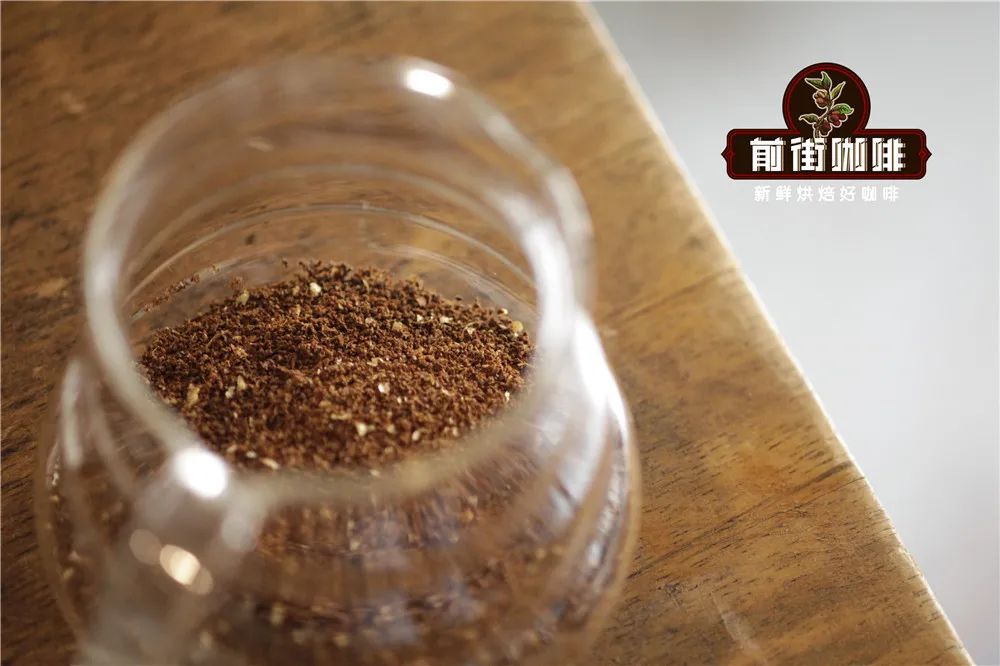
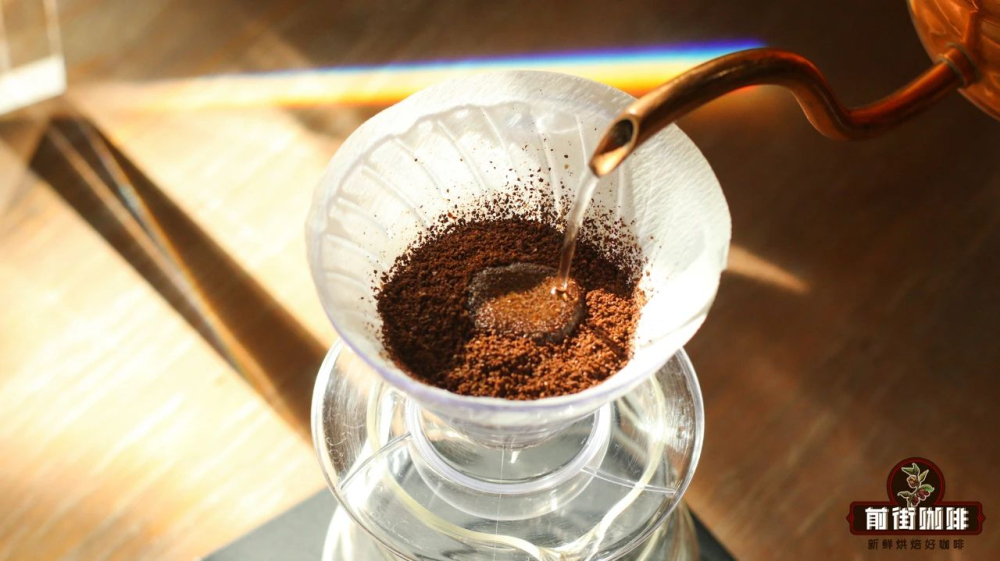
3. First, evenly wet the entire coffee grounds layer with water for "pre-infusion." This step is like the blooming stage in pour-over coffee, improving extraction effectiveness and consistency of the final product.
4. Add the 1:1 ice-water mixture to the upper chamber, then adjust the valve so the drip rate is about 7 drops per 10 seconds. The cold drip device is best placed in a cool, dry place and protected from being bumped.
5. Pour the finished coffee liquid into a sealed glass bottle and place it in the refrigerator to oxidize overnight, allowing the coffee's flavors to meld together for a better taste.
The above content is compiled by CoffeeHunters, a coffee news website.


