







Search Results for: residue

Espresso Machine Cleaning Guide | How Often Should an Espresso Machine Usually Be Cleaned? What Are the Steps to Clean a Semi-Automatic Espresso Machine at Home?
I believe baristas must have encountered this problem: in the morning, the espresso extraction parameters are dialed in, but by noon, the parameters are no longer accurate, and the coffee flow rate has noticeably slowed down. Front Street has previously offered explanations for two scenarios regarding this issue. The first is when it rains and the humidity in the air is relatively high, inside the bean hopper. [more…]
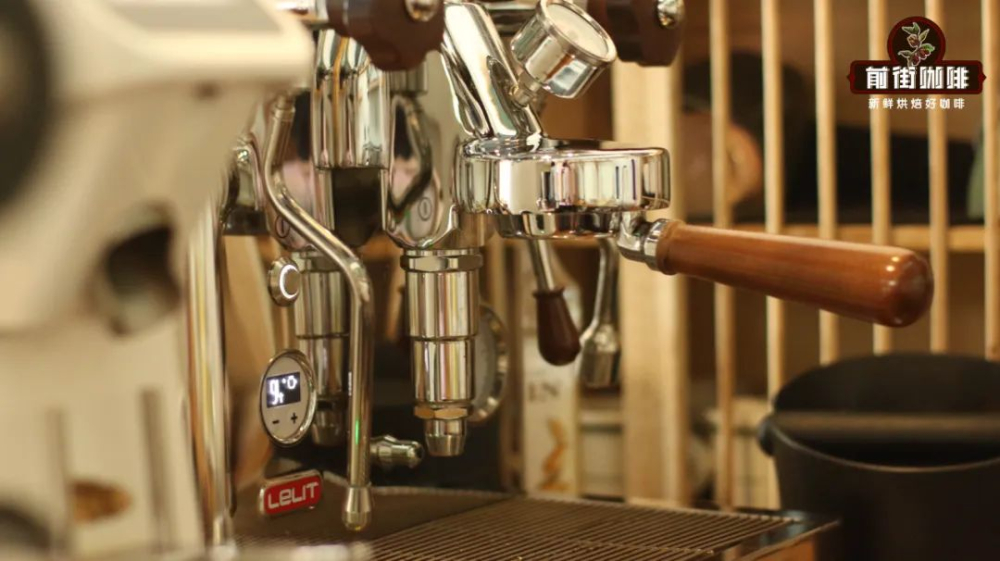
Coffee Machine Maintenance | How Should Coffee Beginners Clean and Maintain a Home Semi-Automatic Espresso Machine? How to Replace the Gasket on an Espresso Machine?
For professional coffee knowledge exchange and more coffee bean information, please follow Coffee Studio (WeChat official account: cafe_style). For more specialty coffee beans, please add our private WeChat: Front Street Coffee (FrontStreet Coffee), WeChat ID: qjcoffeex. With the rise of specialty coffee culture [more…]

Coffee Flavor Tasting | Can drinking ice water before drinking pour-over coffee help you taste more flavors? What role does ice water play in the coffee tasting process?
"By rinsing our mouths with ice water, we can better appreciate a cup of coffee and more easily capture its delicate flavors." This is a saying that has long circulated in the community. That's why we often see customers in cafés, after ordering their coffee, ask the barista for a cup of ice water, and their main purpose is precisely this. [more…]

Key Points for Making Espresso | Why Do Coffee Shops Pour Out the First Espresso After Opening? Should You Pour Out the First Shot of Espresso When Making It at Home?
Have you ever seen this scene: a barista turns on the machine in the morning, and the first espresso pulled is not drunk, but "ruthlessly" poured down the drain, then they continue to pull the next shot. Guests who see this will ask why. If you're making coffee at home, do you need to do this too? Why is the first cup [more…]
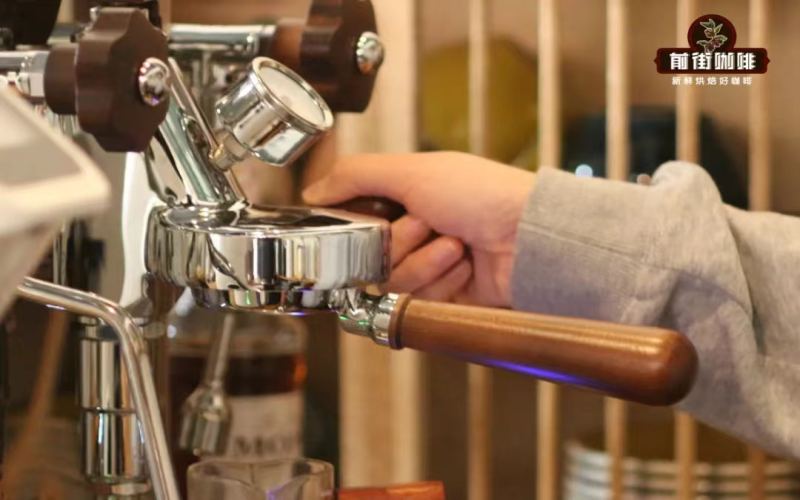
Extracting Espresso Problems
In making espresso, some seemingly unimportant details are often overlooked, yet they can gradually affect the taste of the coffee. Today, Front Street Coffee will talk about those details that are often forgotten—count how many you've missed. - Forgetting to flush water before attaching the portafilter. If there is a long interval between this espresso extraction and the last one, [more…]

Advantages of espresso blend beans | What should coffee beginners pay attention to when making Espresso? What are the steps for espresso extraction?
For more specialty coffee knowledge, please follow our WeChat official account: Front Street Coffee (FrontStreet Coffee). To extract a delicious espresso, you need suitable coffee beans, the right dose, ratio, time, grind size, water temperature, and pressure. Although it is currently very popular to use [more…]
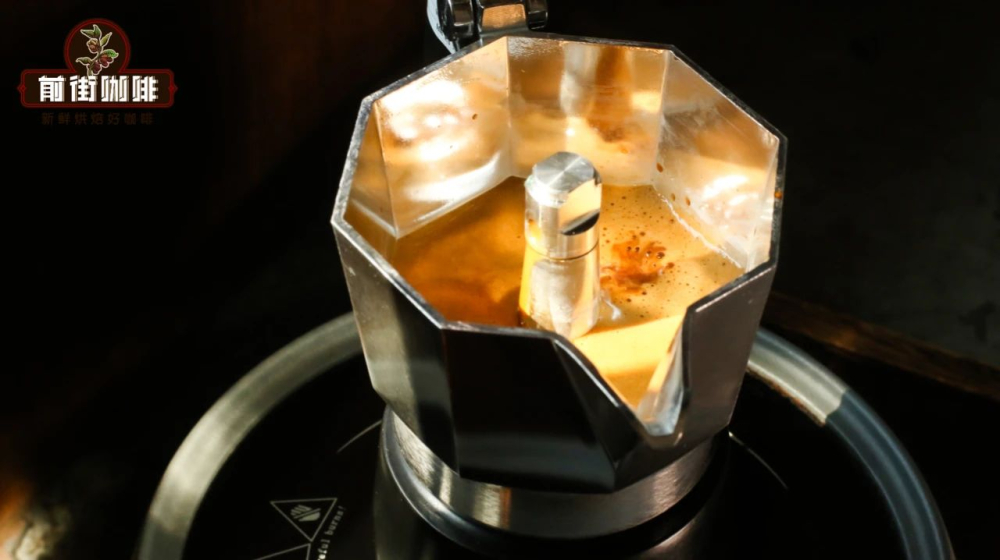
Brewing Strong Coffee with a Moka Pot | Which Makes Stronger Coffee: an Espresso Machine or a Moka Pot? Is a Moka Pot Easy to Use, and Is It Suitable for Coffee Beginners?
Both the moka pot and the espresso machine can brew strong coffee, but the difference between them is actually quite large. Assuming you want an espresso with rich crema, you'll need to choose a higher-performance espresso machine, because only this type of equipment can produce a thick, viscous coffee liquid to help us make a wider variety of fancy coffee drinks, whereas [more…]
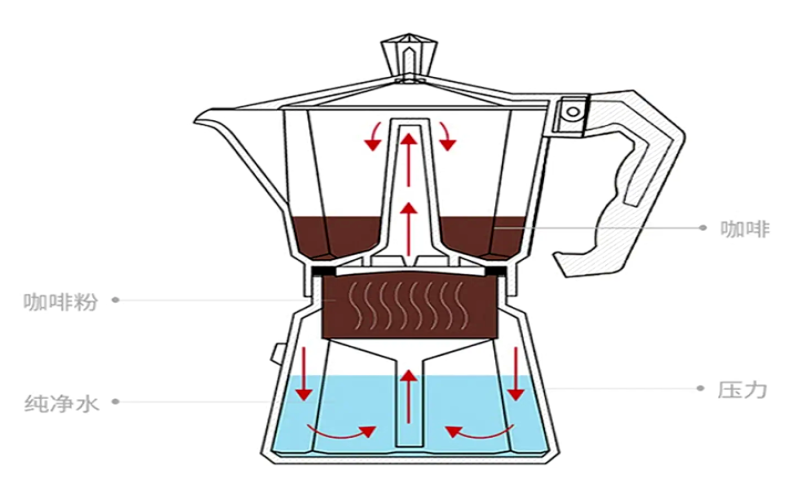
How to Use a Moka Pot Correctly | What Are the Working Principles and Structural Features of a Moka Pot? A Detailed Tutorial on Brewing Coffee with a Moka Pot
For more specialty coffee knowledge, please follow: Front Street Coffee (Frontsteet Coffee). As coffee culture gradually becomes more widespread in China, many newcomers who have just stepped into the coffee world are beginning to pick up various brewing tools and delve into extraction. Compared with expensive and cumbersome espresso machines, the moka pot is much simpler and more accessible. [more…]
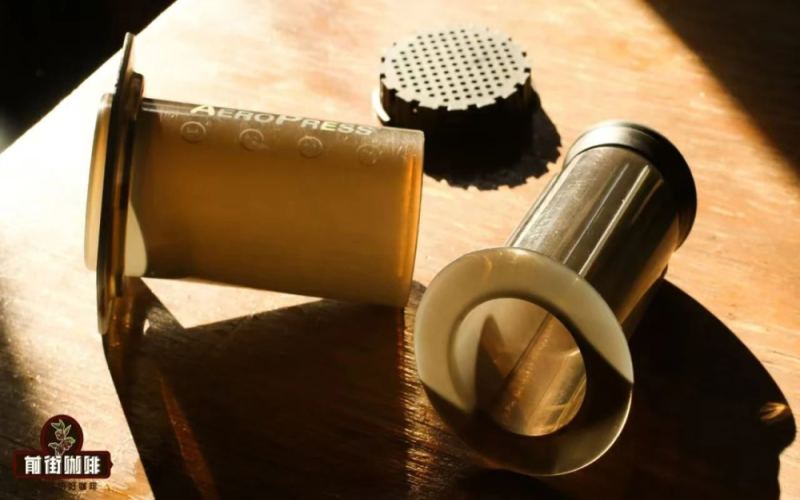
AeroPress Pros and Cons | Where Did the AeroPress Come From? What Are the Characteristics of AeroPress Coffee? What Is the Coffee-to-Water Ratio for Brewing with an AeroPress?
Unlike pour-over, the AeroPress uses immersion combined with pressure for extraction. It can brew strong coffee, is easy to clean, and is relatively simple to operate. Where did the AeroPress come from? In 2005, Alan Adler, who was an engineer, physicist, and lecturer at Stanford University, found that he really had no patience to use [more…]
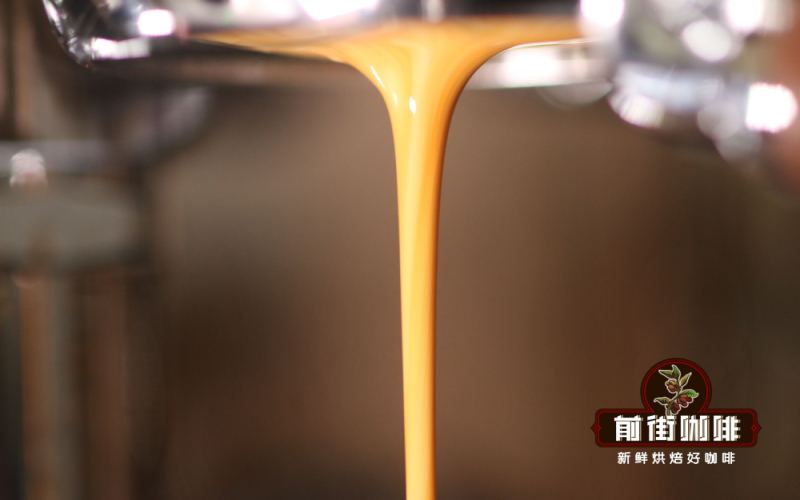
Espresso Full Analysis: Extraction Principles, Preparation Process, and Key Operational Points
Espresso is a small amount of concentrated, pure black coffee extracted by forcing hot water under high-pressure steam rapidly through a puck of coffee grounds, with a golden layer of crema on its surface. Although it rarely appears alone on café menus, it is the base of common drinks such as Americano, latte, and cappuccino, and can be called the soul of a coffee shop. Starting from the definition and characteristics of espresso, this article will sort out its historical evolution and ideas for choosing blend beans, and explain in detail the complete steps for making espresso at Front Street Coffee stores, including dose, liquid yield, time control, and operational details such as distribution and tamping. Finally, it summarizes the key variables affecting extraction flavor and daily cleaning points, helping coffee enthusiasts systematically understand the logic behind a high-quality cup of espresso. [more…]
Moka Pot Coffee Grind Size | What are the pros and cons of brewing coffee with a Bialetti double-valve moka pot? Which coffee beans are suitable for moka pot brewing?
Believe that for Moka pot enthusiasts, the terms "dual-valve" and "single-valve" are certainly familiar. However, for beginners, to use a Moka pot to brew delicious coffee, it is still necessary to learn a bit first. Which is better, a single-valve or dual-valve Moka pot? Nowadays on shopping platforms, there are countless choices when you want to buy a Moka pot. [more…]
Espresso Extraction Standards | How Can Coffee Beginners Determine Espresso Grind Size, Extraction Time, and Coffee-to-Water Ratio? Which Coffee Beans Can Be Used for Espresso Blends?
Front Street has noticed that many coffee novices or baristas believe the key skills in making espresso-based coffee are milk frothing and latte art, but Front Street believes the most important thing in espresso-based coffee is the extraction of the espresso shot. If the espresso doesn't taste good, no matter how smooth and velvety the milk foam is or how beautiful the latte art looks, the milk coffee won't taste good either. [more…]
Moka Pot Coffee Brewing | How long does it take to brew coffee with a Moka pot? What is a normal extraction time for a Moka pot? What should you pay attention to when making Moka pot coffee at home?
The moka pot uses the steam pressure of boiling hot water to pass directly through the coffee grounds, extracting the essence of the coffee. The brewed coffee has a richer taste and aroma, with a thin layer of coffee oils on the surface—this is the charm of Italian coffee. The structure of the moka pot is not complicated; I believe anyone who has seen a moka pot [more…]

The Extraction Principle of the Moka Pot | Which Everyday Coffee Beans Are Suitable for Moka Pot Brewing? What Recommendations Are There for High-Cost-Performance Specialty Coffee Beans That Are Neither Sour Nor Bitter?
The biggest advantage of a moka pot is how simple it is to use! It's great for beginners making coffee, and also for experts who want to experiment with the coffee-to-water ratio and extraction level. The pot consists of three parts, and it only takes three steps from start to finish: add water, add coffee grounds, and heat, and you can extract a shot of espresso. When we heat the moka pot, the water in the bottom chamber heats up first. [more…]
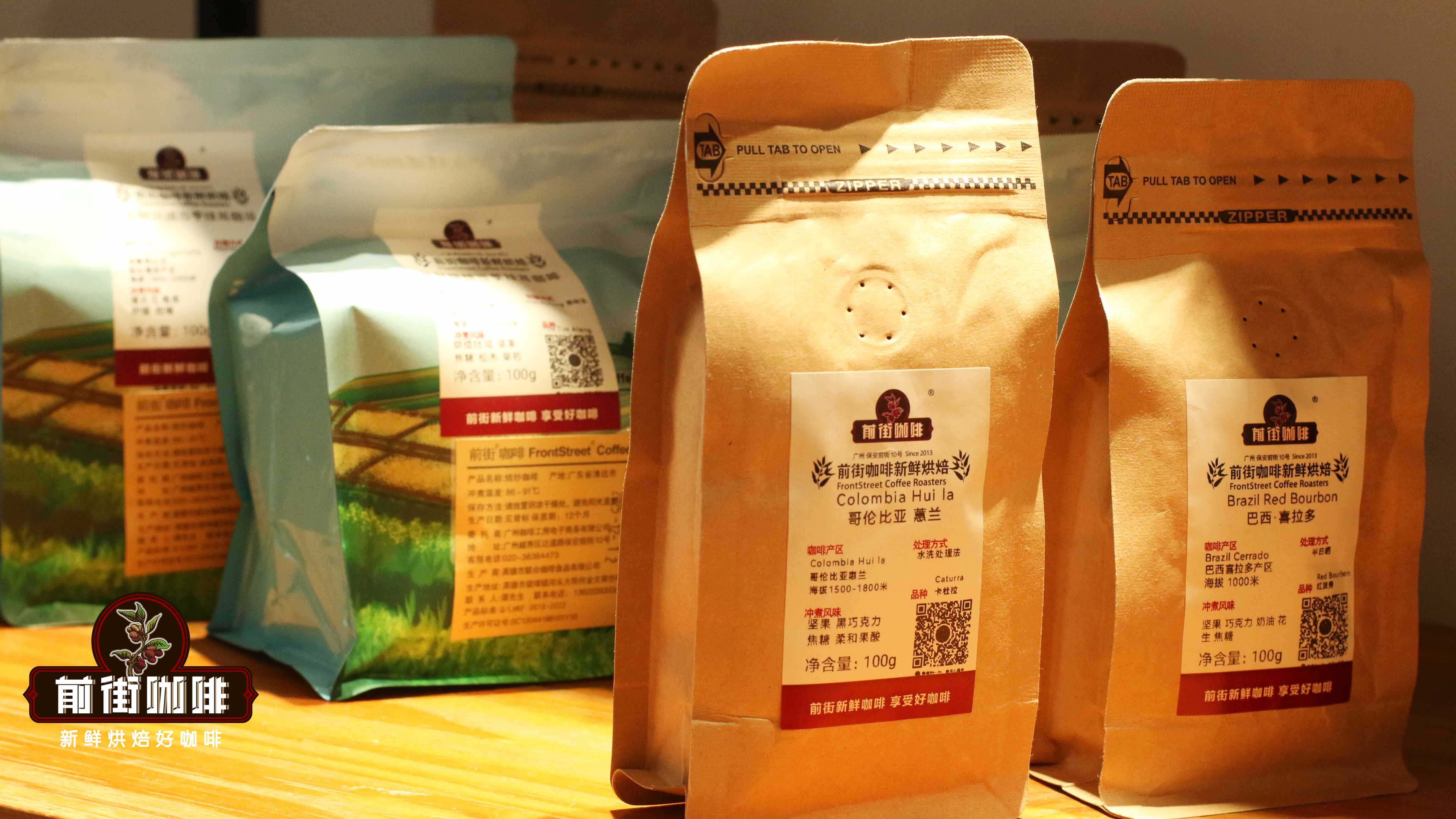
Pour-Over vs. Espresso | What's the Difference Between Hand-Ground Coffee and Machine Coffee? What Types of Hand-Ground Coffee Beans Are There? Recommendations for High-Value Light, Medium, and Dark Roast Pour-Over Beans
What is the difference between hand-ground coffee and machine coffee? We'll take the most common espresso machine as the representative of machine coffee, while hand-ground coffee is most commonly used to make pour-over coffee. Today, Front Street will compare the differences between the two and also recommend the types of coffee beans suitable for hand grinding. Machine [more…]
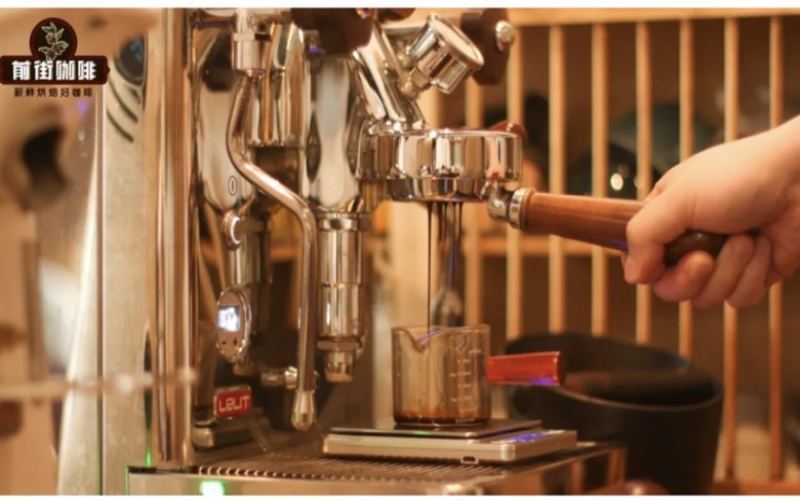
The Daily Rhythm of Home Espresso: The Time and Cost of a Latte
Integrating a home espresso machine into daily life comes down to turning the brewing process into a stable, repeatable habit. From start-up to cleanup, the full rhythm of making a latte takes about eight to ten minutes, and once you're proficient, the routine flows naturally, like brushing your teeth in the morning—no need to think twice. The machine takes about five minutes to preheat, and during that time you can grind and weigh the coffee. [more…]
How to Properly Brew Starbucks Coffee Beans? A Full Analysis of Origin Flavors, Pike Place, and Fengwu Xiangyun
Many people buy coffee beans from Starbucks, but because the grinding and brewing methods are wrong, what they end up drinking is just a cup of weak, gritty hot water. Starting from this problem, this article explains clearly why coffee grounds need to be filtered, why coffee grounds cannot be consumed directly, and the bean selection and roasting logic behind how Starbucks coffee beans traveled from Seattle's Pike Place Market to the world. The article will also introduce the flavor characteristics of Pike Place Roast, the Feng Wu Xiang Yun blend involving China's Yunnan, and the complete tasting method of smelling the aroma, sipping, and taking a full mouthful, helping coffee lovers truly understand the time, temperature, and extraction details behind a cup of Starbucks coffee. [more…]
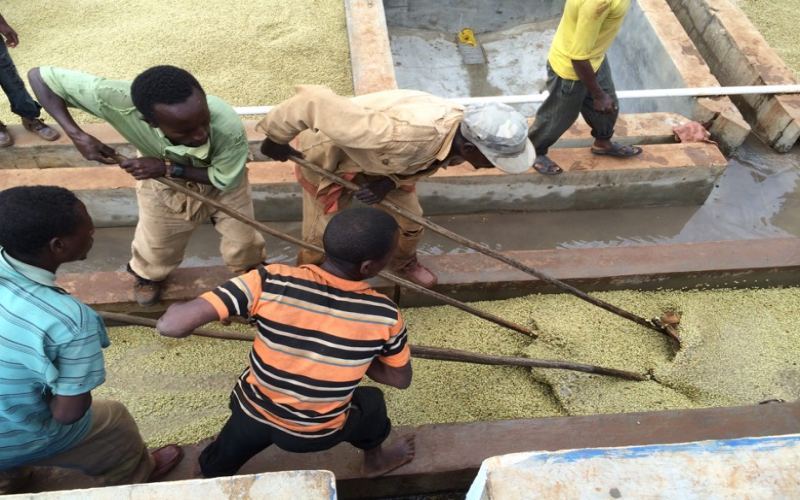
Kenya Double Washed Explained: The Bright Acidity in the Fermentation Tank
If you had to trace the "Kenyan taste" back to its processing origins, the answer would most likely point to double washing. This method, known locally as K72, polishes the fruit acidity of Kenyan coffee until it is bright, solid, and yet still clean. Once you understand double washing, you understand where the signature juicy quality of Kenyan beans comes from. Double Washing [more…]
Pour-Over Coffee Water Quality
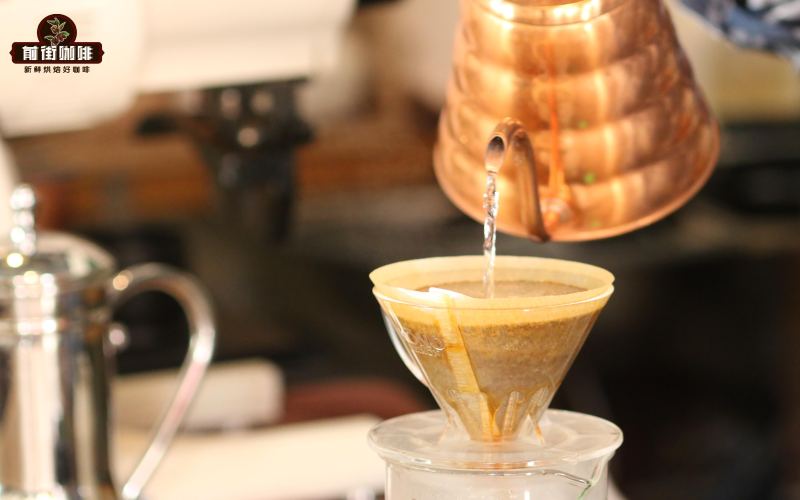
To brew a delicious cup of coffee, you need not only good beans but also good water. In brewed coffee, water accounts for over 98% of the final cup. Therefore, choosing the right water for brewing is also crucial. So what kind of water is actually suitable for brewing coffee? First, Front Street Coffee will explain the requirements for water suitable for brewing coffee. One [more…]

Washed Gidding|Why is Yirgacheffe suitable for beginners? Floral and fruity light-roast high-quality pour-over single-origin coffee bean recommendation
If you're new to specialty coffee, you're sure to hear the name "Yirgacheffe." It has long been famous for its clean, bright taste and citrus-lemon acidity, and has successfully drawn countless people into floral and fruity coffees. And when it comes to which Yirgacheffe is most worth buying, it has to be Front Street's washed fruit—delicious and inexpensive. [more…]