





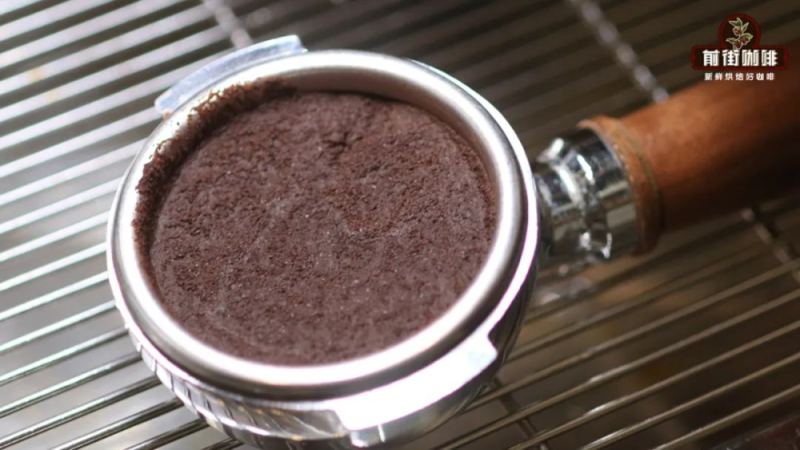
How to Make Coffee with a Coffee Machine: Fix Residual Water in the Portafilter
A soggy puck with water sitting at the bottom of the basket points to a problem during extraction, not normal behavior. Four causes are most common: grinding too fine, beans stored too long and losing carbon dioxide, too much gap between the puck and the shower screen, and unstable extraction pressure from the machine.
Grinding too fine is the first thing to check. Overly fine grounds slow the flow, so hot water is still trapped in the basket when the shot ends, and the puck turns muddy. If you also want to make coffee with a coffee machine at home, keep beans fresh and adjust the grind one step at a time.
After pulling an espresso shot, the ideal puck should be dry, intact, and come out in one solid piece when knocked out. But in practice, many coffee enthusiasts run into a soggy, muddy puck with water pooling at the bottom of the basket. This abnormal phenomenon is usually linked to four factors: grinding too fine, coffee beans stored too long causing CO2 loss, excessive gap between the puck and the shower screen, and unstable extraction pressure from the espresso machine. This article breaks down the principle behind each cause one by one and offers corresponding troubleshooting and adjustment methods to help you quickly pinpoint the problem and get back to a normal extraction.
Generally speaking, after an espresso extraction is complete, the coffee puck in the basket should be on the drier side, coming out as one solid, well-formed piece when knocked out. If you find the puck sopping wet, soft and collapsing, or even with obvious water pooling at the bottom, that means something went wrong during extraction and you need to troubleshoot the causes one by one and make adjustments.
- Coffee grounds ground too fine Just like the friend who asked the question, the first thing to suspect when you see water pooling is the grinding step. When coffee is ground too fine, the resistance of water passing through the coffee bed increases, and the flow rate slows down. By the end of extraction, some of the hot water hasn't had time to pass through the puck and remains trapped in the basket. The puck's moisture content is too high, taking on a wet, muddy paste texture, and in severe cases, water pools at the bottom.
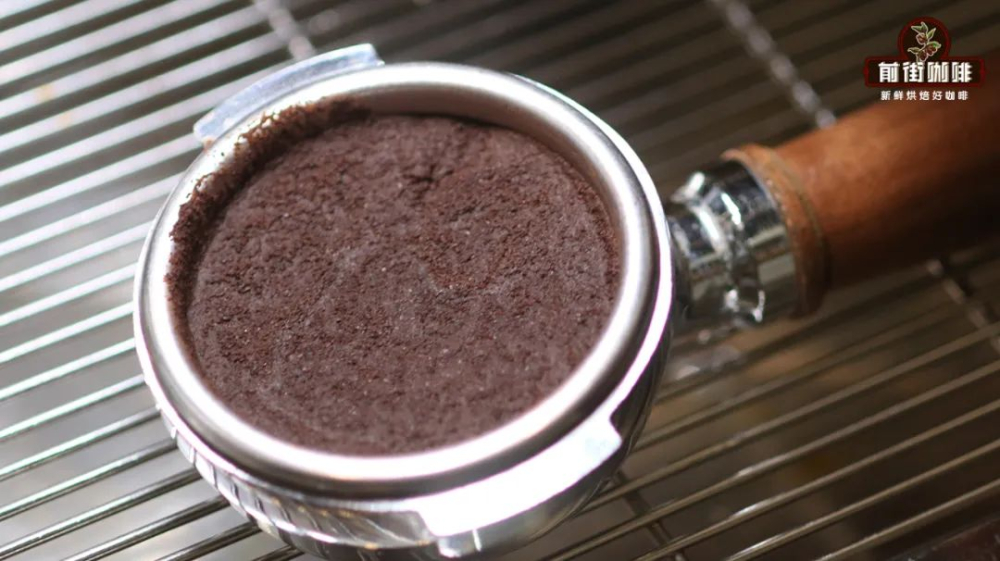
Fortunately, in most cases, determining whether the grind is too fine isn't difficult — overly fine grounds directly manifest as coffee dripping out slowly and extraction time stretching noticeably longer. So this cause is easy to troubleshoot and confirm. - Coffee beans not fresh enough But there's a more subtle scenario: when coffee bean freshness declines, it's hard to tell whether the water pooling is actually caused by grinding too fine. This situation is especially common among individual users with low output — a bag of espresso beans might last a month, during which the carbon dioxide inside the beans continuously escapes. When coffee beans still contain gas, hot water soaking the puck causes the particles to swell and fill the gaps between them. Once the carbon dioxide in the beans has almost completely escaped, at the same grind setting, the coffee bed won't expand, and water naturally passes through faster. To bring extraction time back to normal range, you usually need to grind finer. And once you grind finer, that can trigger the water-pooling problem mentioned earlier.
- Excessive gap between the puck and the shower screen Front Street Coffee will briefly explain the extraction mechanism of an espresso machine: after pressing the extraction button, the group head sprays water at 9 bar pressure. The water passes through the shower screen and is dispersed into multiple fine streams that evenly penetrate the coffee puck. When extraction ends, the pressure relief valve opens, creating reverse pressure inside that draws excess water on the puck's surface back through the relief valve and out. Different basket sizes hold different doses of coffee. Too much coffee and the puck presses against the shower screen; too little coffee and a larger space is left between the puck surface and the shower screen. When this gap is too large, some water doesn't get drawn back in time and remains in the basket, forming a pool.
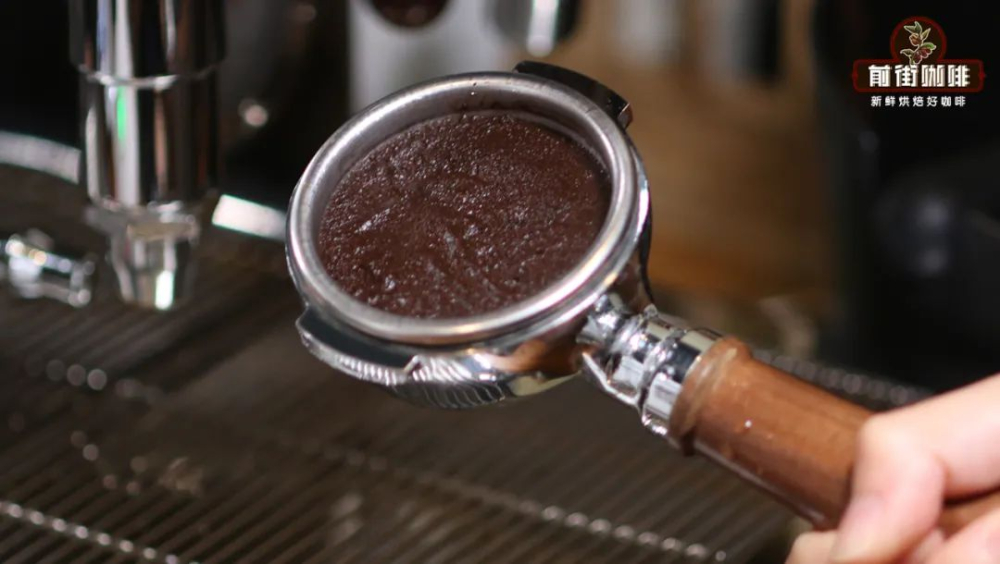
To judge whether the dose is right, tamp the coffee down and check whether its surface sits just level with the indented line on the inner wall of the basket. If there's still an obvious distance from that line, the dose is on the low side; if it goes past the line, the dose is on the high side.
- Insufficient extraction pressure This problem is fairly common on some home espresso machines. During extraction, pressure is unstable — it can maintain higher pressure in the early stage but drops noticeably in the later stage, so the suction force during the backflush phase is also insufficient. The residual water in the basket can't be fully drained, ultimately forming a pool.
The above content is compiled by CoffeeHunters, a coffee news website.


