







Search Results for: remove fishiness
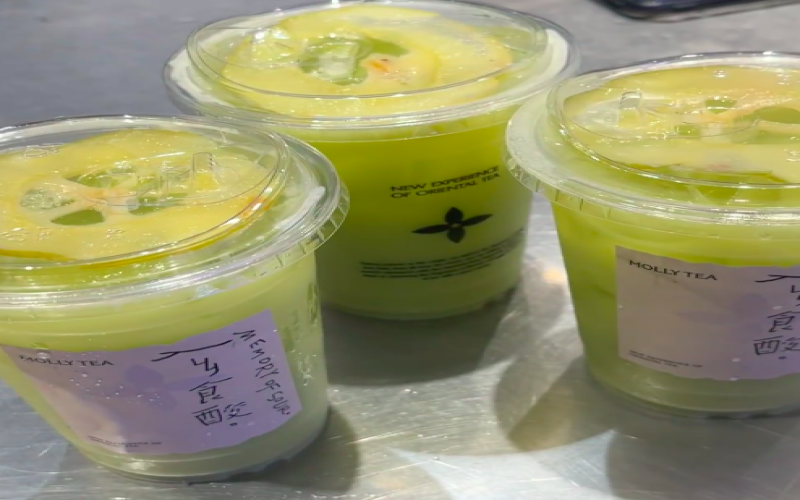
Jasmine Milk White's new product accused of having houttuynia flavor? Sour fruit mix sparks polarized consumer reviews
Jasmine Naibai recently launched a floral special blend "Green Mango and Wampee Iced Tea" that combines Hainan green mango, Guangxi wampee, and Yunnan sour papaya, highlighting a sweet-and-sour, refreshing taste. Each of the three sour fruits has its own character, making many sour-loving consumers eager to try it. However, after the new product launched, reviews have been polarized: some praise its tangy, refreshing quality that cuts through greasiness, while others report tasting a fishy note similar to houttuynia or fish mint. Interestingly, the netizens complaining about the fishy taste mostly come from the north, while staff and some consumers point the finger at the herbal note naturally present in Guangxi wampee. So how does this new product actually taste? Let's take a look together. [more…]
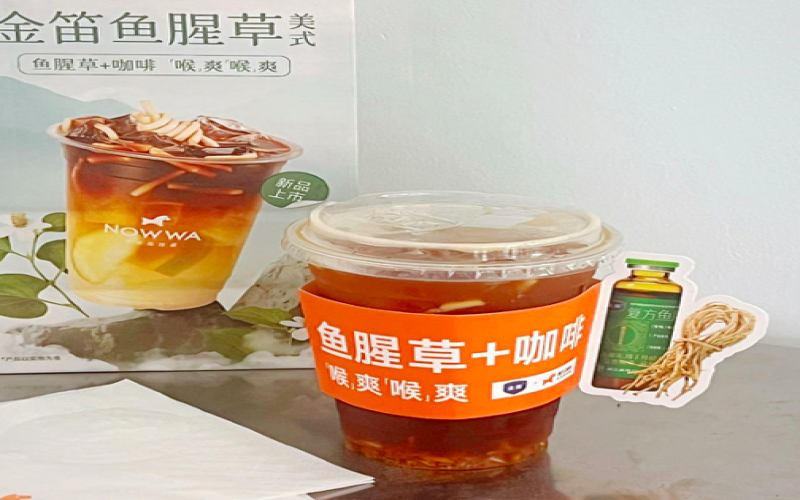
NOWWA × Jindi Co-branded Houttuynia Americano: Fish Mint in Coffee Sparks Polarized Debate
The coffee chain brand NOWWA recently teamed up with Jindi, a brand of Houttuynia cordata mixture, to launch a Houttuynia cordata Americano, and the news immediately took many netizens by surprise. Houttuynia cordata, also known as fish mint, has a distinctive fishy and bitter aroma that has always inspired strong feelings of love or hate. Is this special drink made with real ingredients or is it just a gimmick? Judging from feedback on social platforms, no medicinal ingredients were added to the drink, only fresh chopped Houttuynia cordata and lemon slices, but the soaked Americano still carried an unmistakable herbal flavor. Some people said after one sip that they were "almost carried off," while others picked out the herbs at the bottom of the cup and chewed them carefully, exclaiming that it was addictive. This article takes you through the real taste of this collaboration coffee, customer reviews, and the brand's drinking reminders. [more…]

Starbucks Korea admits summer giveaway storage bags contain formaldehyde, publicly apologizes and adjusts the campaign plan
Starbucks Korea recently issued a public apology after a summer promotional giveaway was found to contain formaldehyde. The incident began when an employee at an anonymous testing agency posted on social media alleging that the Summer Carry Bag travel tote contained formaldehyde, following earlier consumer complaints that the bag emitted a fishy odor resembling squid. Starbucks Korea immediately suspended the giveaway and sent the product for testing, which ultimately confirmed the presence of formaldehyde. The company announced that customers who had already redeemed the bag could return it and receive a beverage voucher as compensation, while also removing the promotional reward and pledging to strengthen safety verification procedures for future merchandise. [more…]

Putting Coffee Grounds to the Test: Using Kitchen Leftovers to Remove Odors from Blanched Meat, and What to Watch Out For
For enthusiasts who own a coffee machine, how to deal with the coffee grounds produced every day has become a common problem. Beyond the well-worn uses like growing flowers and removing odors, some netizens have tried using coffee grounds to blanch pork belly to remove its gamey smell, with surprising results. This article compiles the actual test results of this method, feedback from netizens, and similar applications in Korean cuisine, while also reminding you of details such as filtering and ingredient freshness during the process, to help you, a coffee lover, make reasonable use of coffee grounds. [more…]
A Complete Guide to Coffee Defects: Ten Common Types, Causes, and Identification Methods Illustrated
The content of defective beans directly affects coffee quality and grade classification. Taking Brazil as an example, the local system uses a "deduction method," grading based on the number of defective beans per 300 grams of main beans. In addition, coffee usually requires hand sorting during processing, and only by fully mastering the types and characteristics of defective beans can they be effectively removed. So exactly how many types of defective beans are there? This article will use illustrated explanations to introduce ten common defective beans one by one, including shell beans, stones, moldy beans, fermented beans, dead beans, immature beans, shell beans, insect-damaged beans, black beans, and cocoa beans, explaining their causes, appearance characteristics, and negative effects on coffee flavor, laying the foundation for subsequent learning about defective bean selection. [more…]
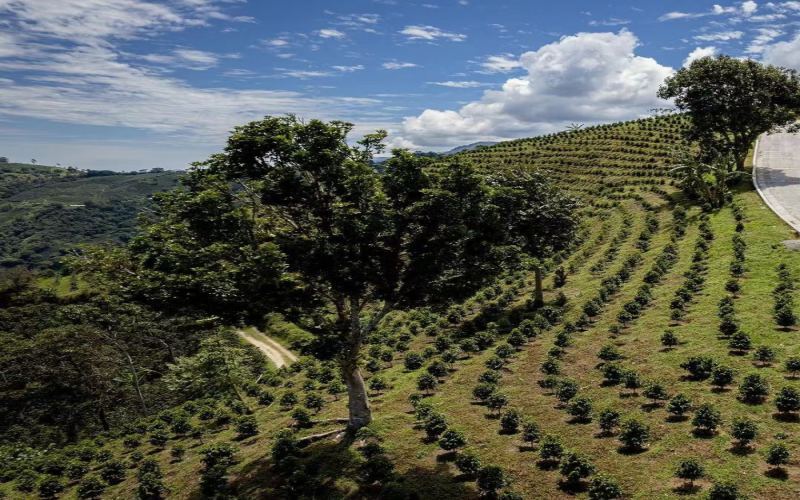
Colombia Huila Coffee Bean Flavor Analysis: Washed Dark Roast Huila Everyday Bean Pour-Over Method
Colombian coffee is known for its heavy, balanced, and rich dark chocolate and caramel sweetness, and the Huila Department, as the country's most renowned specialty producing region, has washed coffee beans that are the very representation of traditional flavor. Front Street Coffee selects Huila washed beans as the Colombian regional everyday beans, using a medium-dark roast to present a full-bodied taste of nuts, chocolate, and soft fruit acidity. This article will provide a complete analysis of this bean's flavor characteristics and brewing methods, from the historical background of Colombian coffee, the terroir conditions of the Huila region, and the washed processing technique, to the positioning of Front Street's everyday bean series, and then to specific pour-over parameters and KONO dripper extraction techniques, helping coffee enthusiasts gain a deeper understanding of the charm of Colombian coffee. [more…]
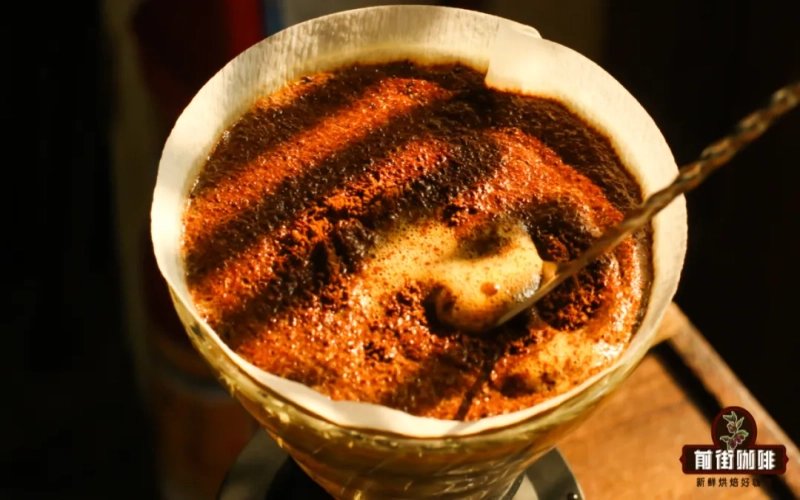
The Differences Between Norwegian Egg Coffee and Vietnamese Egg Coffee, and Alternative Ideas for Pour-Over Coffee Filter Tools
There are many ways to filter coffee grounds, with filter paper, cloth, and mesh being the most common tools, but Norwegians once used an unexpected ingredient for this purpose—eggs. Although both involve adding eggs to coffee, Vietnamese egg coffee and Norwegian egg coffee have very different starting points. This article will trace the origins and preparation of Norwegian egg coffee, and include Front Street Coffee's practical recipe, to take you through this peculiar coffee that was once popular in Nordic households. [more…]
How is Mandheling different from Colombian coffee? A comprehensive description of the taste and flavor characteristics of Colombian coffee beans
Coffee lovers who enjoy a full-bodied taste and dislike acidity often look for that cup of "coffee that isn't sour" at Front Street Coffee shops, and Indonesian Mandheling often becomes the first choice. Its aroma is low-key and its mouthfeel is heavy, giving it a strikingly different style compared with Colombian coffee, which is also often dark-roasted. This article will explore Mandheling's origin history, wet-hulling process, the strict standards of Golden Mandheling, and Front Street Coffee's brewing suggestions, while also helping readers sort out the differences between Mandheling and Colombian coffee in flavor and mouthfeel, so they can find the one that suits them better. [more…]
A Complete Guide to Colombian Green Coffee Beans: Origins, Variety Characteristics, and Grading System Explained
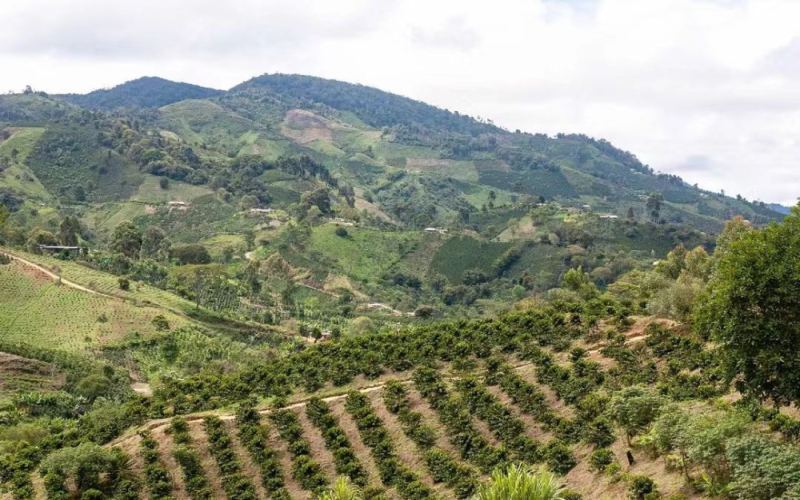
Colombia, with its natural advantages of low latitude and high altitude, has become the world's second-largest producer of Arabica coffee. From the transition path from commercial blend beans to specialty coffee, from the distribution pattern of southern specialty-producing regions to central commercial-producing regions, from the varietal evolution of Caturra to Castillo, to the unique logic of the washed processing method and grading system—this article will guide you through a systematic understanding of the complete picture of Colombian green coffee. Front Street Coffee (FrontStreet Coffee) has selected a variety of beans from Colombian producing regions, presenting soft acidity and caramel sweetness through medium roasting, unveiling for you the rich layers of this hotbed of South American coffee. [more…]
A Complete Guide to Yunnan Coffee Varieties and Flavors: From Catimor to Typica, How the Specialty Coffee Journey Unfolded
Yunnan coffee has undergone a transformation from commercial beans to specialty beans. From the perspective of Front Street, this article traces the history of coffee cultivation in Yunnan, the origin and characteristics of the Catimor variety, and attempts to introduce high-quality varieties such as Typica. It also explains how washed and natural processing methods affect flavor, and shares the specific brewing parameters and cupping performance of Front Street Yunnan Small Bean and Front Street 2013 Natural Typica, helping coffee enthusiasts gain a comprehensive understanding of the true taste and current state of Yunnan coffee. [more…]
Yunnan Arabica's Main Variety Catimor: Introduction History, Cultivation Distribution, Flavor, and Brewing Full Analysis
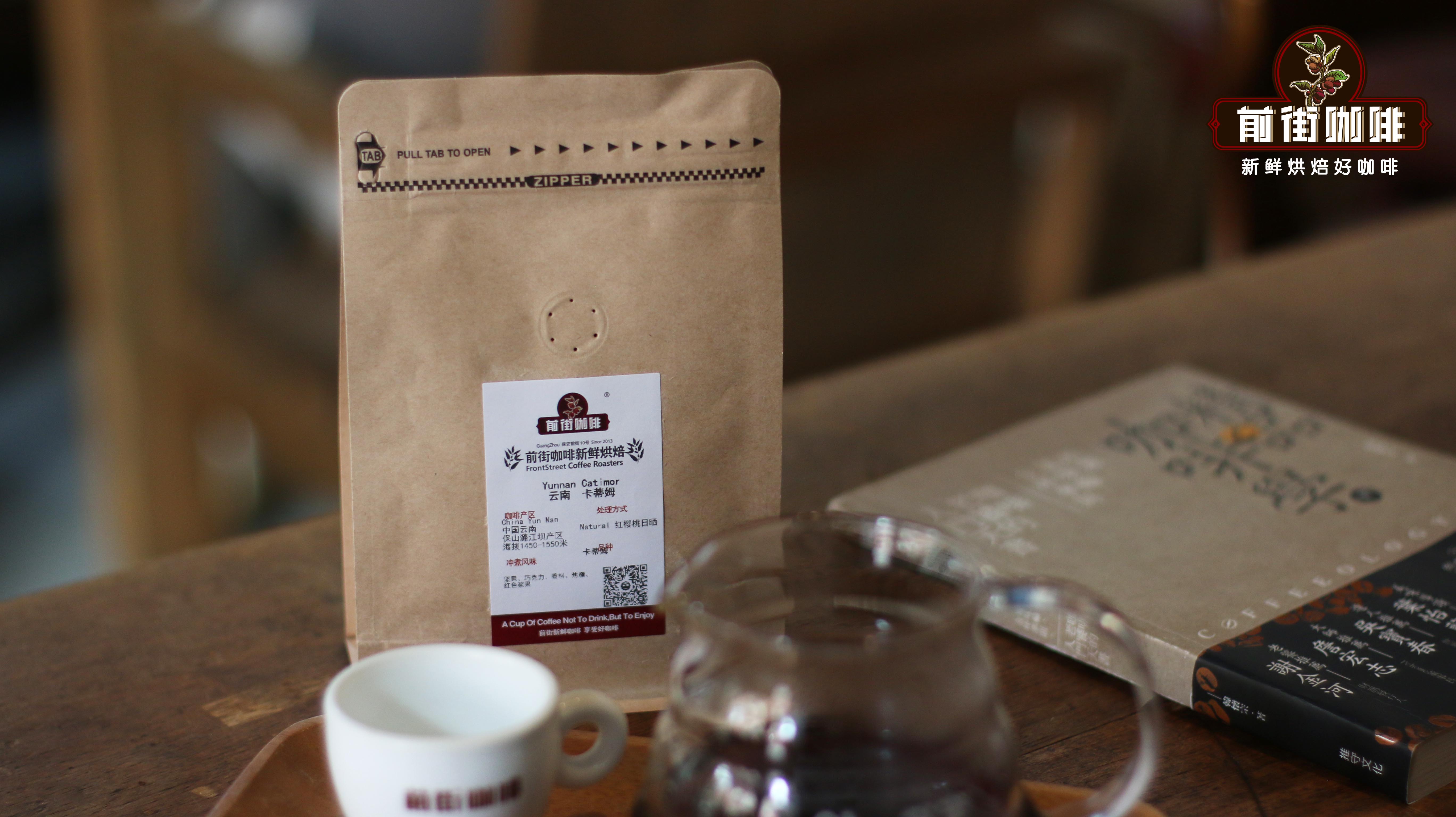
Yunnan coffee has gradually come into the public eye in recent years, and the main variety supporting Yunnan's coffee production is Catimor. This article starts with the history of its introduction, sorts out Catimor's varietal origins and botanical characteristics, explains why it could be widely promoted in Yunnan, and objectively analyzes its inherent shortcomings in flavor. The article further focuses on the altitude, climate, and harvesting rhythm of major producing areas such as Baoshan, introduces the washed processing flow, and, combining Front Street Coffee's bean selection and roasting approach, provides V60 three-pour hand-brewing parameters and flavor descriptions to help coffee enthusiasts fully understand the true face of Yunnan small-bean Catimor. [more…]
A Comprehensive Analysis of Colombian Coffee Regions: From Varieties and Processing Methods to the Grading System and Front Street's Curated Recommendations
Colombia, with its natural combination of low latitude and high altitude, has become the world's second-largest Arabica producer. From its early days dominated by commercial bean blends to gradually embracing the specialty coffee wave after 2001, Colombia's southern growing regions such as Cauca, Huila, and Nariño can now consistently produce high-quality coffee with delicate berry-like acidity and caramel sweetness. This article will systematically outline the distribution of Colombia's specialty and commercial growing regions, the characteristics of mainstream and emerging varieties, the washed processing flow and grading logic, and also include flavor profiles and brewing suggestions for several Colombian beans under Front Street Coffee, helping coffee enthusiasts build a complete understanding of this origin. [more…]
Yunnan Specialty Coffee Bean Varieties and Brand Analysis: Catimor, Typica, and Front Street Coffee Daily Staple Recommendations
Is Yunnan coffee specialty coffee? This question is best answered by tasting. This article sorts through the century-long history of Yunnan coffee from three dimensions: variety, terroir, and processing method—from the introduction of seeds by missionaries in 1904, to Nestlé promoting Catimor as the dominant variety, and then to the return of high-quality varieties such as Typica. Front Street Coffee's cultivation practices in Lincang, Yunnan, as well as the flavor performance under washed and natural processing, provide coffee enthusiasts with a complete cognitive path from commercial beans to specialty beans. The article also includes the specific brewing parameters and flavor descriptions of Front Street Yunnan small beans and the 2013 natural Typica, suitable for readers who want to gain a deeper understanding of the Yunnan production region or are looking for everyday staple beans. [more…]
A Comprehensive Analysis of Robusta Coffee Beans: Flavor Differences from Arabica, Cultivation Characteristics, and a Comparison of Their Respective Advantages and Disadvantages
In the world of coffee, Arabica and Robusta are the two major commercially cultivated varieties; the former occupies about seventy percent of the market, while the latter is often overlooked. Why exactly is Robusta so unpopular? What are the substantive differences between it and Arabica in terms of flavor, growing conditions, and cost? Starting from Front Street Coffee's espresso blending practice, this article combines the two varieties' chemical composition, adaptability, and market positioning to systematically sort out their advantages and disadvantages. Whether you want to understand Robusta's true value or want to find coffee beans suited to your own taste, this article can provide a clear reference. [more…]
A Comprehensive Analysis of Yunnan Coffee Bean Cultivation and Varieties: From Catimor to Typica, Front Street Teaches You to Savor the Brown Sugar, Nut, and Chocolate Flavors
Can Yunnan coffee truly be considered specialty? This question has puzzled many coffee enthusiasts. Front Street Coffee takes you through the history, varieties, terroir, and processing methods to gain an in-depth understanding of Yunnan coffee's century of transformation. From the first coffee tree planted by a French missionary in 1904, to Nestlé introducing the Catimor variety, to Front Street establishing its own estate in Lincang to select and cultivate Typica, Yunnan coffee is undergoing a transition from commercial beans to specialty. The article also provides a detailed analysis of how the two processing methods—washed and natural—affect flavor, and includes the brewing parameters and cupping flavors of Front Street's Yunnan small-bean everyday drinker beans and the 2013 natural Typica, giving you a comprehensive understanding of Yunnan coffee's brown sugar, nut, and chocolate notes. [more…]

The Origin and Flavor Analysis of Indonesian Kopi Luwak: From Fermentation in the Civet's Body to Front Street Coffee's Complete Brewing Parameters
Indonesian kopi luwak has long been regarded as a luxury in the specialty coffee circle. In 2002, it sold for as much as $500 per pound on the New York market, mainly because of its scarce production. Although its name is not elegant, its flavor carries Indonesia's distinctive herbal notes and heavy, mellow body, along with an indescribable sweet aftertaste. In this article, Front Street Coffee sorts out the origin story of kopi luwak, the reasons behind its flavor, and the true role of the fermentation process inside the civet's body, and also includes the roasting and brewing data for this bean at Front Street's store, for coffee lovers to reference when judging whether it is a legend or a gimmick. [more…]
Colombian Coffee Complete Guide: Regions, Varieties, Grading System, Processing Methods, and Pour-Over Flavor Guide
Colombia, with its combination of low latitude and high altitude, has become the world's second-largest producer of Arabica coffee. From its early focus on commercial blend beans to its gradual shift toward the specialty coffee market after 2001, Colombian coffee has undergone a clear transformation path. This article will systematically outline the distribution of Colombia's specialty and commercial production regions, the main cultivated varieties (Caturra, Catuai, Castillo, Colombia), the washed processing flow, the characteristics of the grading system, and Front Street Coffee's specific recommendations for roasting and brewing, helping readers gain a comprehensive understanding of the flavor profile and industry logic of this major South American coffee country. [more…]
A Detailed Explanation of Colombian Green Coffee Grading Standards: Does the Supremo Grade Represent the Highest Quality?
Colombia, as the world's second-largest producer of Arabica coffee, offers ideal conditions for coffee cultivation thanks to its unique geography of low latitude and high altitude. However, many people misunderstand Colombia's coffee grading system—does the highest grade, Supremo, really represent the best-tasting coffee? This article provides a comprehensive analysis of Colombian coffee, from its growing regions, cultivated varieties, and processing methods to its grading system, and introduces the Colombian specialty coffee beans sold by Front Street Coffee (FrontStreet Coffee) along with roasting and brewing recommendations, taking you deep into the true face of this major South American coffee country. [more…]
Indonesian Civet Coffee Bean Flavor Story and an Analysis of Its Differences from Yunnan Civet Coffee
Kopi Luwak was once regarded as a luxury in the specialty coffee world, selling for as much as $500 per pound in New York in 2002, and its scarcity is an important reason for its high price. It carries the herbal aroma, high body, and indescribable sweetness unique to Indonesian coffee, but is its flavor really worthy of its name? From the perspective of Front Street Coffee, this article sorts out the origin story of Indonesian Kopi Luwak, the reasons behind its flavor, the real impact of the fermentation treatment method inside the civet's body, and compares it with Indonesian Mandheling and Chinese Yunnan Kopi Luwak, finally attaching the roasting and brewing data for this Kopi Luwak in Front Street's shop for coffee lovers' reference. [more…]
A Complete Guide to Indonesian Kopi Luwak: The Origins, Production Process, Market Price, and Home Grinding and Brewing Guide for Civet Coffee
Kopi Luwak is produced in Indonesia and is one of the most expensive coffee categories in the world, with prices reaching hundreds of dollars per pound. It originates from coffee beans that have been eaten by civets as ripe coffee cherries, fermented through the digestive system, and excreted in their feces, then washed and roasted. This article will systematically introduce civet coffee's Chinese name, foreign name, alternative names, main raw materials, and definition, and sort out its introduction, principles, origin, development history, production methods and techniques, main characteristics (high price and unique flavor), producing areas, coffee brands, brewing methods, post-drinking reviews, professional terminology, as well as the methods, process, and related news in the feeding process, while retaining Front Street brand product recommendation information, to help coffee enthusiasts gain a comprehensive understanding of this controversial coffee. [more…]