







What Is White Coffee and Why Is It Trending?
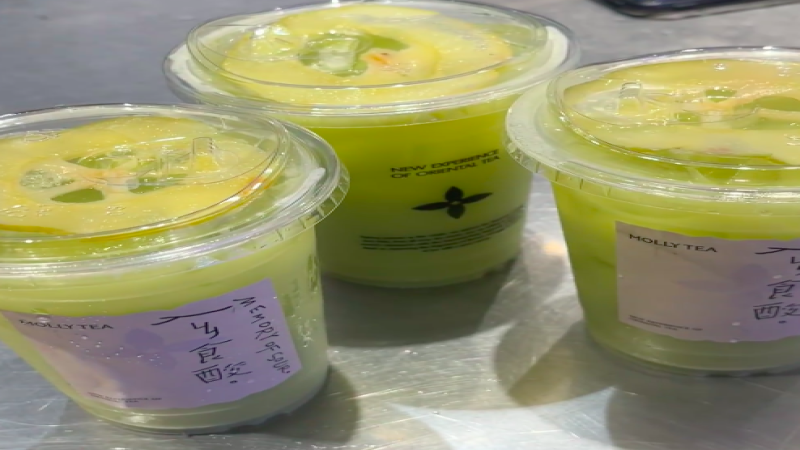
What is white coffee refers to coffee made from beans that are roasted lightly, often called white coffee because of their pale color; the drink is not actually white. A new Molly Tea product, Green Mango & Wampee Iced Tea, has sparked polarized reviews, with some tasters noticing a fishy note and others praising its sour, refreshing taste.
The fishy note likely comes from the herbal character of Guangxi wampee, a fruit used in the drink, rather than from white coffee itself. Specialty coffee shops have used white coffee beans for years because their mild acidity and lighter body let fruit and floral flavors stand out, which is why this style fits a sour fruit tea.
Molly Tea has recently launched a floral special "Green Mango & Wampee Iced Tea" blending Hainan green mango, Guangxi wampee, and Yunnan sour papaya, highlighting a sweet-and-sour refreshing taste. The three sour fruits each have their own character, making many sour-loving consumers eager to try it. However, after the new product launched, reviews have been polarized: some praise its tangy, palate-cleansing quality, while others report tasting a fishy note similar to houttuynia or fish mint. Interestingly, netizens complaining about the fishy taste mostly come from the north, while staff and some consumers point the finger at the herbal note naturally present in Guangxi wampee. So how does this new product actually taste? Let's take a look.
▲
Click to follow | Daily specialty coffee culture magazine Coffee Workshop
Molly Tea today combined three fruits—Hainan green mango, Guangxi wampee, and Yunnan sour papaya—to launch a sweet-and-sour refreshing floral special "Green Mango & Wampee Iced Tea."
In most people's understanding, Hainan green mango, Guangxi wampee, and Yunnan sour papaya all carry sourness, but these three types of sourness each have their own merits—some are sharp enough to hit you right in the forehead with an astringent edge, while others carry fruity sweetness within the tartness. So when Molly Tea announced that its new product would feature these three sour fruits, many fans found their mouths watering while feeling curious about the flavor they would create together.
After the new product launched, consumers rushed to order, carrying their freshly made iced tea back to their desks to savor this special sour brew. In the eyes of sour-loving people, Molly Tea's new product hit right on their taste preferences, with many saying this fruit tea was so tangy and refreshing they couldn't stop drinking it.
Some also tried the sugar-free version, finding that a cup of "liquid Guangxi sour pickles" (referring to the popular pickled fruit and vegetable sour snacks in Guangxi) after a heavy meal was indeed refreshing and palate-cleansing, so they recommended it to friends with similar tastes to have a cup after a filling meal.
However, other consumers frowned after their first sip, looking at the iced tea in their hands and couldn't help asking "what exactly is in this." Some tasters said that at first sip they only sensed obvious sourness and astringency, but after swallowing, a strange fishy taste rose in their mouths, instantly making them not want a second sip.
Regarding this hard-to-accept fishy taste, people described it differently. Some felt it was close to the houttuynia or fish mint they had eaten before, while others described it as "like a cup of soup mixed from leftovers."
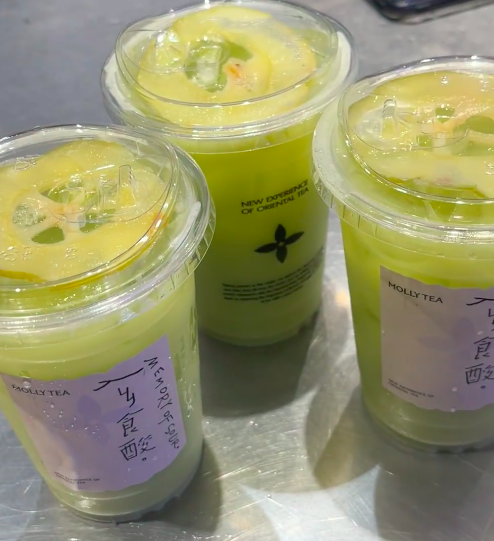
Interestingly, "internet Sherlocks" discovered that on social platforms, many of the reports about Molly Tea's new product having a fishy taste came from northern netizens. Based on this observation, some netizens compared the three fruits used in the iced tea and speculated that the "culprit" causing some people to taste fishiness might be the Guangxi wampee among them.
It is understood that wampee is one of the common summer fruits in the Guangdong and Guangxi regions, with a sweet-and-sour taste plus a unique herbal aroma. But to some people, wampee's special flavor is somewhat similar to cilantro—those who love it become hooked after one taste, while those who can't stand that herbal smell retreat as soon as they smell it.
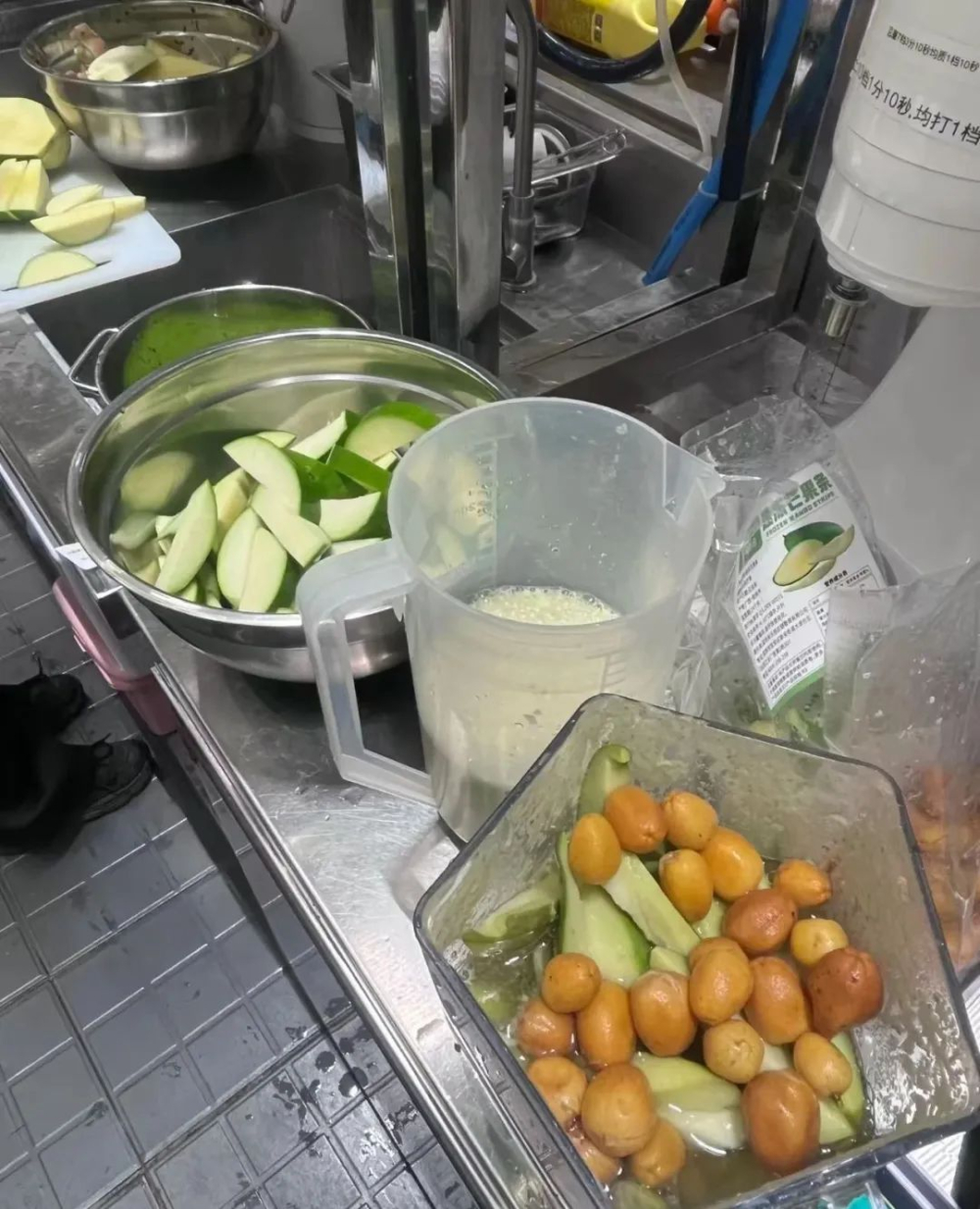
Multiple Molly Tea employees agreed with this. They posted photos of the back kitchen at work, explaining that in making this new product, besides freshly squeezed juice from green mango, wampee, and sour papaya, only regular ingredients such as jasmine tea base, ice cubes, and syrup were used—no houttuynia, fish mint, or other ingredients that would produce a fishy smell were added.
Therefore, some staff speculated that perhaps the mixing of several sour fruits produced a peculiar reaction, which led some customers to taste something strange.
Image source: Xiaohongshu
Disclaimer: Some images in this article are from the internet. For some content on the website, such as images, we will respect the original author's copyright and indicate the source. However, due to the large volume, some images and text may not have been credited in time; please forgive us. If the original author has any disputes, they can contact the website for handling. Once verified, we will correct it immediately. Compiled and edited by "Coffee Workshop." Please indicate the source when reposting. If there is any infringement, please inform us for removal. Thank you~!
The above content is compiled by CoffeeHunters, a coffee news website.


