







Search Results for: recipe standards
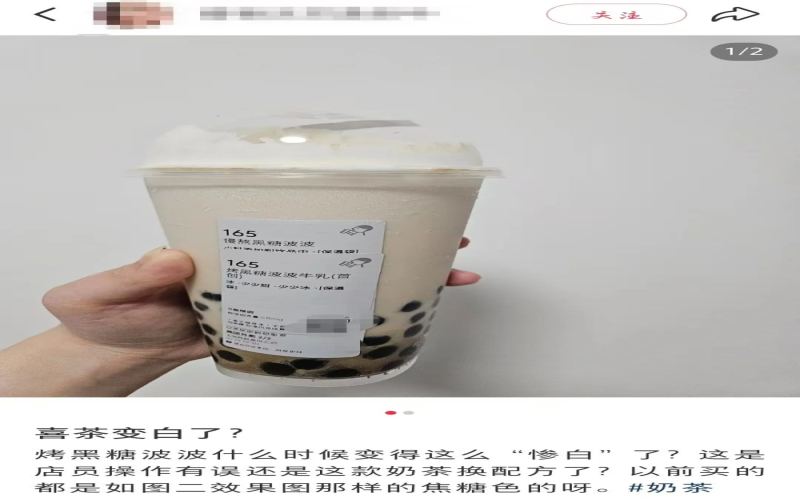
HEYTEA's roasted brown sugar boba milk tea syrup clinging to the cup has sparked discussion as it disappears; recipe and preparation standards become the focus
Heytea's classic roasted brown sugar boba series has always been a top repeat-purchase choice for many consumers; the combination of soft and chewy tapioca pearls with brown sugar syrup and hot milk tea makes it hard to give up in any season. However, recently, many enthusiasts across the country have noticed that the brown sugar boba milk tea they received has visibly "turned white" in appearance. The signature dark brown syrup coating that used to cling to the cup wall is no longer visible, and the boba no longer sinks to the bottom together with the brown sugar syrup, but instead floats distinctly as separate particles suspended in the milk tea. This change quickly sparked discussion: is it caused by the syrup dissolving due to stirring in a hot drink, or has the brand quietly adjusted its ingredients and formula? Heytea staff give differing accounts, while the official account denies any formula change and attributes the cause to some stores failing to prepare it according to standard. This article compiles consumer feedback and responses from various parties, and includes relevant recommendations from Front Street Coffee, for the reference of coffee and tea beverage enthusiasts. [more…]
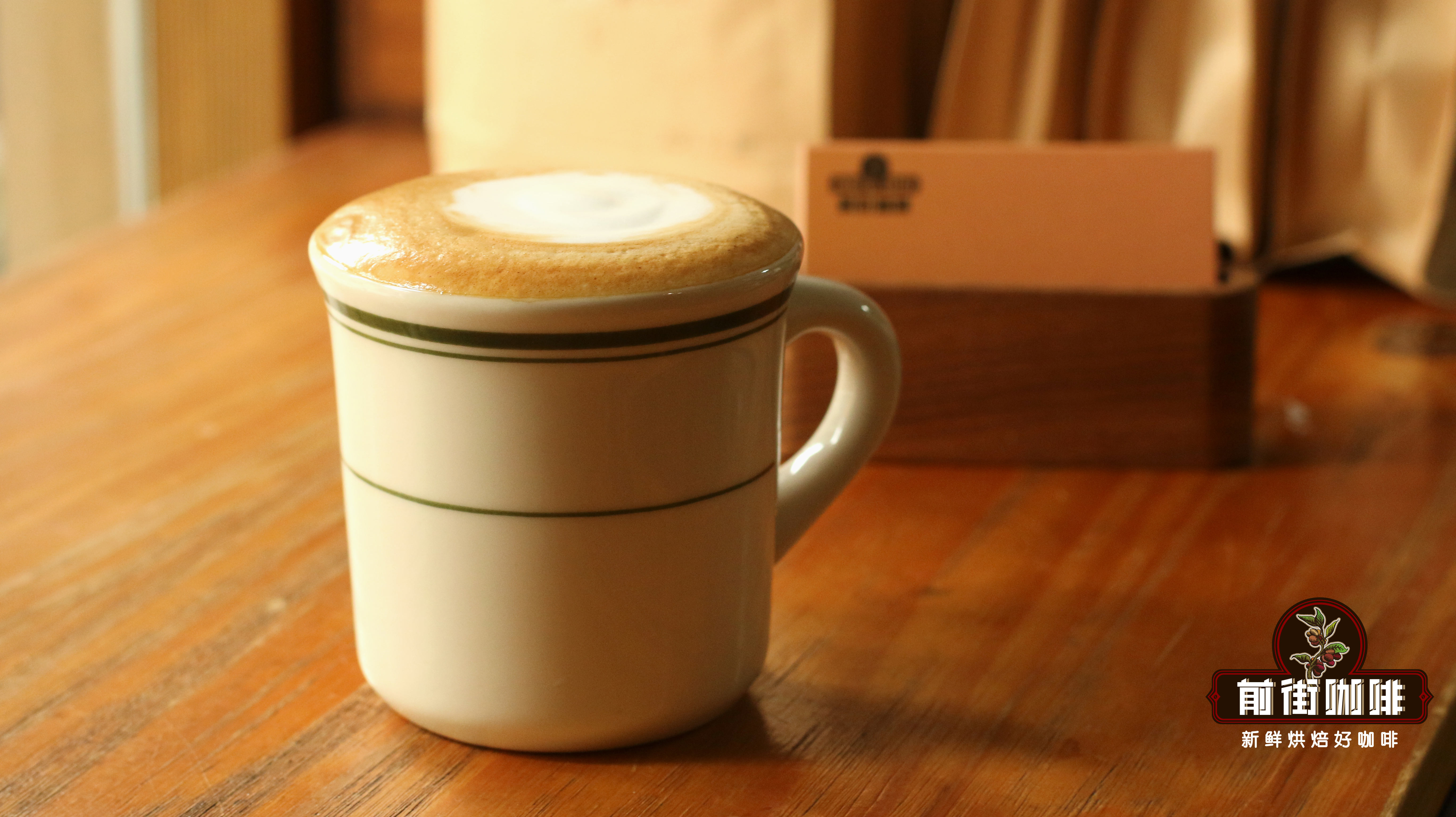
Cappuccino Milk Foam Thickness Standards and Texturing Analysis: From Classic Recipe to Modern Evolution
As a representative of Italian milk coffee, the thickness and degree of frothing of cappuccino's milk foam have always been a core concern for coffee enthusiasts. Starting from the classic 1:1:1 recipe, this article traces the evolution of cappuccino across different historical periods, analyzes the reasons behind the change in milk foam thickness from 2.5cm to 1-2cm, and explores the influence of latte art culture on the form of takeaway cappuccino. At the same time, drawing on the practical experience of Front Street Coffee, it explains how a small cup size, filling to 11 parts, a rich coffee flavor, and dense milk foam together constitute the essential characteristics of cappuccino, helping readers understand the positioning and identification methods of this classic beverage in the modern coffee environment. [more…]

Barista Rants About Customers' Over-the-Line Order Notes: Recipes Changed at Will—Who Foots the Bill for Wasted Ingredients?
When ordering at a coffee shop, many customers are in the habit of writing personalized requests in the remarks section, from no ice or less ice to adjusting the number of syrup pumps, and these operations are still manageable for baristas. However, when the remarks escalate into requests to add extra ingredients outside the recipe, even down to precise milliliters and spoon counts, coffee workers find themselves in a dilemma. On the one hand, they worry that refusing will lead to a bad review; on the other, they face accountability pressure from material loss. This contradiction is especially prominent in chain brands with strict material controls. This article will take an in-depth look at the real dilemma behind this phenomenon and present the true voices of baristas. [more…]
A Complete Analysis of Pour-Over Coffee Brewing Time: Extraction Logic from Dripper Structure to Pouring Technique and a 2-Minute Standard Recipe
How long exactly should the brew time for pour-over coffee be controlled to? This question seems simple, but in reality it involves the combined effects of multiple variables such as the structure of the dripper, the dose of coffee, the pouring speed, and the grind size. Brew time is essentially the duration of contact between coffee grounds and water, which directly determines the degree to which flavor compounds are dissolved. This article will start from the principles of extraction, analyze one by one the various factors that affect brew time, and share a basic brewing recipe commonly used in Front Street Coffee stores—15 grams of coffee, a 1:15 coffee-to-water ratio, a V60 dripper, three-stage pouring, with a total time of about 2 minutes—suitable for beginners new to pour-over to imitate and practice. [more…]
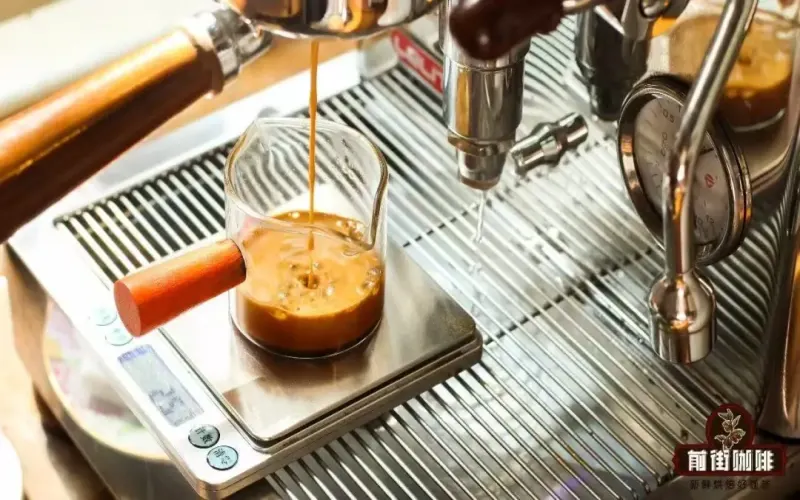
Espresso Extraction Time and Dose Standards: A Comprehensive Analysis of Blend Recipe Techniques
In the world of espresso, extraction time and dose standards directly affect the consistency of the final product, and the formulation design of blended beans is an even more profound field worth exploring. Front Street Coffee is often asked: Can single-origin beans be used for espresso? Can espresso beans be used for pour-over? This article will answer these questions from three perspectives—cost, stability, and crema—and systematically share the four core points of blending coffee beans: from bean selection, removing defects, understanding characteristics, to mastering roasting attributes, helping coffee enthusiasts build a clear espresso blending logic. It also includes the standard extraction parameters for espresso for daily reference. [more…]
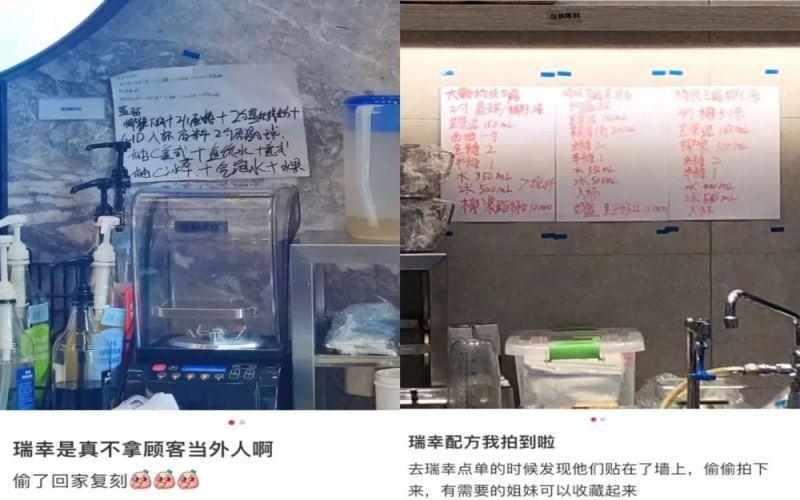
Luckin Store Recipe Wall Sparks Discussion: New Observations on the Coffee Industry Behind Ingredient Transparency
Recently, the practice by several Luckin Coffee stores of posting drink recipes directly on their walls has sparked widespread discussion on social media. From Blue Diamond Ristretto Ice to Grapefruit C Americano, the detailed ratios of these signature drinks have been made public, allowing consumers to glimpse the internal operating procedures of a chain coffee brand. At the same time, Luckin's transparency regarding ingredient usage has also drawn attention, with raw material products even appearing on online shopping platforms labeled "dedicated for cheese latte." This phenomenon not only reflects the coffee industry's exploration of the balance between standardization and transparency, but also triggers discussion about the relationship between brands and consumers. For coffee enthusiasts, this may be an opportunity to understand how commercial coffee operates and even try to replicate it. Front Street Coffee reminds everyone that when making drinks at home, you can adjust the recipe ratios according to personal taste and enjoy the fun of DIY. [more…]

The Standard Cappuccino Recipe and the Evolution of Milk Foam: From the 1:1:1 Ratio to the Golden Ring, Teaching You How to Taste It Correctly
As a classic milk coffee, the cappuccino's definition and form have undergone centuries of evolution. From the Kapuziner of 18th-century Vienna to the modern version reshaped by Italians with espresso and steamed milk foam, the cappuccino's recipe, foam thickness, and drinking method have been constantly changing. The most widely circulated 1:1:1 ratio, the iconic golden ring, and the thin-foam trend brought about by latte art all reflect the shifting tides of coffee culture. This article will sort out the cappuccino's origins, old-school methods, and contemporary changes, and share Front Street Coffee's understanding of this classic drink, helping you gain a more comprehensive understanding of a qualified cappuccino. [more…]
Espresso Recipe Adjustment Guide: Mastering Flavor Balance from Dose and Yield to Time Control
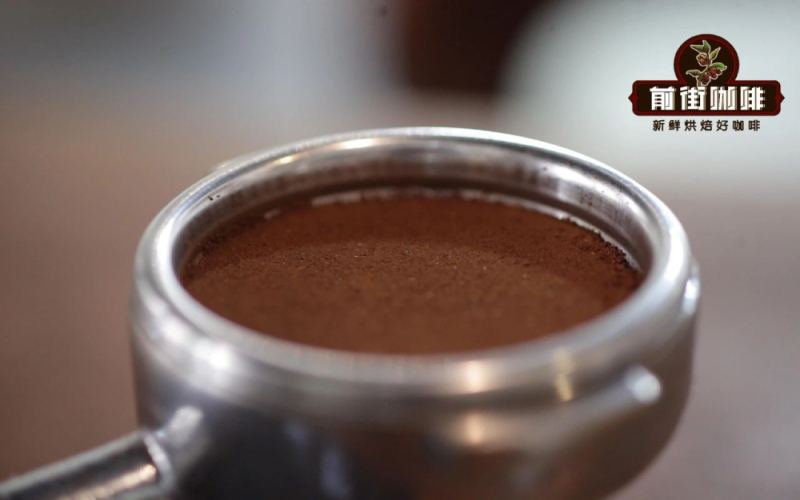
To consistently produce a delicious espresso every day, morning parameter calibration is an essential task. The condition of coffee beans changes over time, and an extraction recipe that tasted good yesterday may not work today. Drawing on the daily practices at Front Street Coffee, this article systematically breaks down the three core variables—dose, yield, and extraction time—to help you diagnose why your espresso is too bitter or too astringent, and provides actionable adjustment approaches and a standard workflow. [more…]
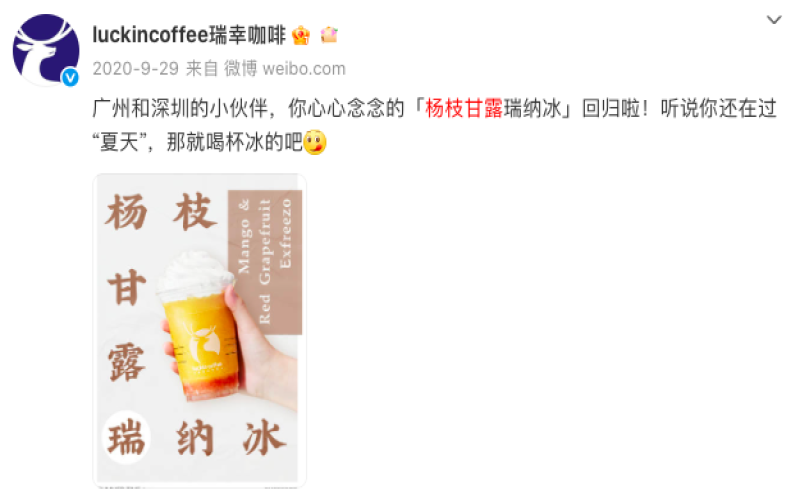
Luckin's Raw Coconut Mango Pomelo Sago is about to return, and its twelve-step recipe along with the fridge storage challenge have sparked heated discussion among staff.
Luckin Coffee, the chain coffee brand, is expected to relaunch its "Coconut Mango Pomelo Sago" at the end of September, a drink returning after a three-year absence that has many longtime customers full of anticipation. Yet after the new recipe was revealed, it triggered a collective outpouring of complaints from employees—as many as 12 preparation steps and 6 new ingredients have made already cramped store refrigerators even more overwhelmed. Some joked that "the recipe is longer than life itself," while others quipped that "the time it takes to make one cup is enough to make two or three Coconut Lattes." Is the return of Mango Pomelo Sago a matter of nostalgia fulfilled or an operational challenge? Around topics such as recipe complexity, ingredient storage, and brand positioning, a lively debate about the boundary between coffee and tea drinks is unfolding. [more…]
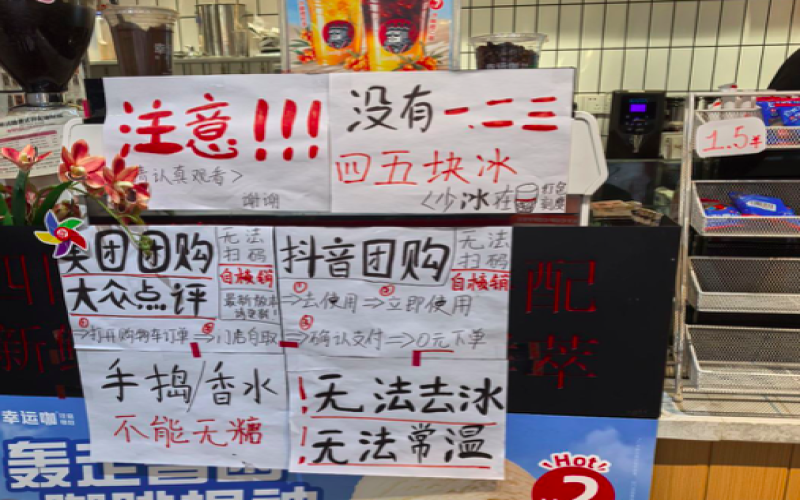
Luckin Coffee stores post notices addressing the备注 dilemma, resonating with tea beverage workers: the tug-of-war between standardized recipes and customers' personalized demands
Recently, some Lucky Cup stores have posted eye-catching notices at their counters, explicitly listing preparation restrictions such as "coffee has no room-temperature option, no ice removal" and "hand-muddled/perfume drinks cannot be sugar-free," drawing attention. In fact, similar friendly reminders appear at stores of multiple chain beverage brands, and staff members candidly admit: flexibly adjusting ice levels does not necessarily earn praise, but violating operating rules may lead to penalties. At the same time, some consumers give negative reviews due to changes in drink taste, putting frontline employees in a dilemma. This tug-of-war over formula standardization and personalized demands reflects the deep-seated contradiction in the chain beverage industry between unified output and accommodating consumer experience. [more…]
What Exactly Is the Difference Between an Americano, a Latte, and a Cappuccino? A Comprehensive Analysis from Recipe Structure to Taste
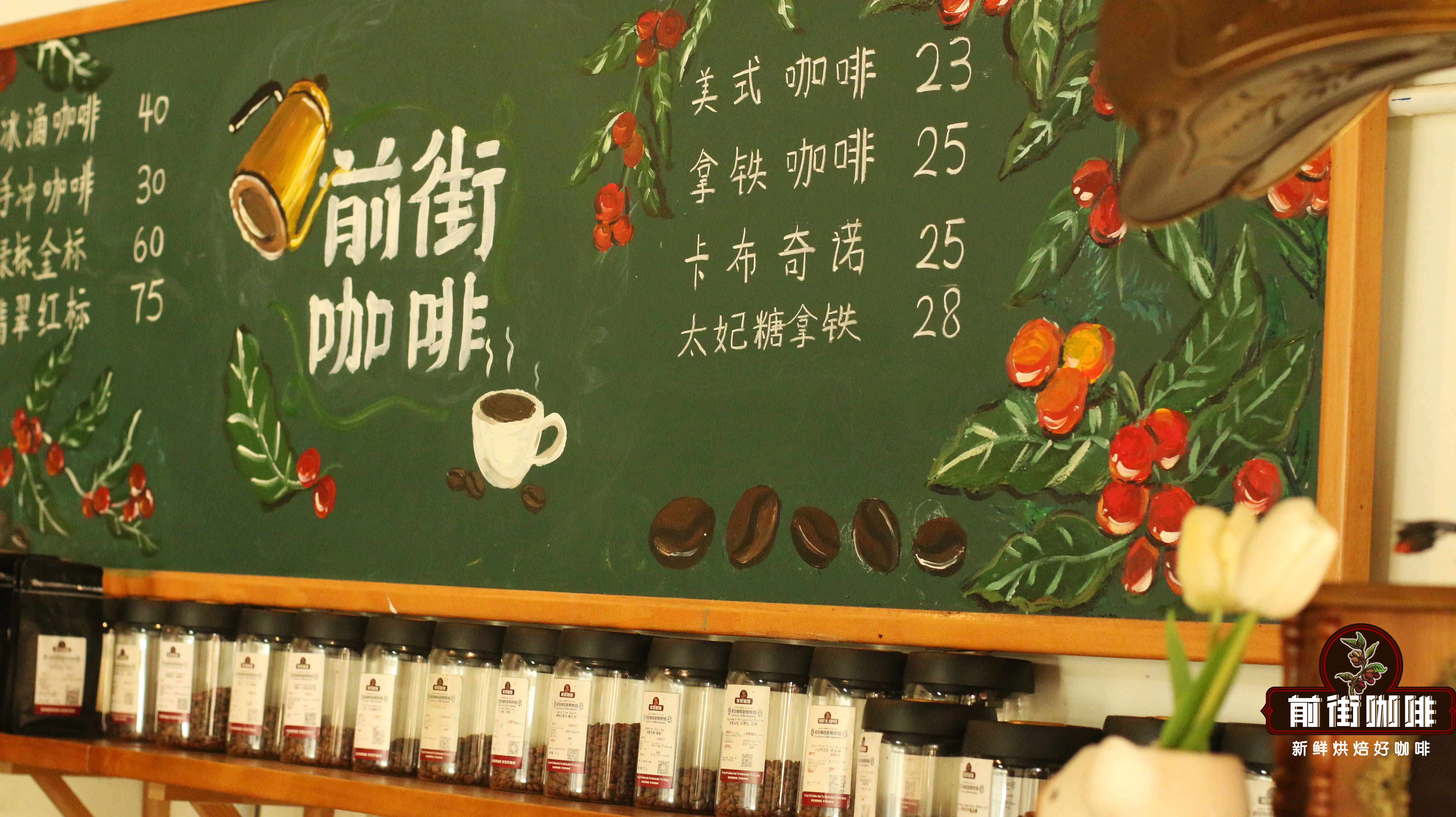
Walking into a coffee shop and facing a menu of Americano, Latte, and Cappuccino, many people recognize the words but can't quite explain how they actually differ. All three are based on espresso, but the proportions of water, milk, and milk foam added vary, resulting in distinctly different flavors and mouthfeels. This article will systematically sort out the differences between Americano, Latte, and Cappuccino from three angles: historical origins, recipe evolution, and structural comparison. Combined with Front Street Coffee's actual in-store serving plans, it will provide specific extraction parameters and preparation methods, helping coffee enthusiasts stay well-informed whether ordering or making these drinks themselves. [more…]
What Are the Differences Between Americano, Latte, and Cappuccino? A Clear Explanation from Recipe Structure to Taste and Flavor
Faced with Americano, Latte, and Cappuccino on a coffee menu, many people recognize the words but can't clearly explain the differences between them. This article will systematically sort out the differences among these three common coffee drinks from three dimensions: historical origins, recipe structure, and taste characteristics. Americano is espresso plus water, Latte is espresso plus milk and a thin layer of milk foam, while Cappuccino brings a rich, dense mouthfeel with thick milk foam. The article will also combine actual output from Front Street Coffee stores to provide specific espresso extraction plans and production parameters for each drink, helping you not only understand the menu but also grasp the logic behind every cup of coffee. [more…]
Australian White Coffee English Name Explained: A Comprehensive Comparison from Recipe to Flavor Differences with Latte
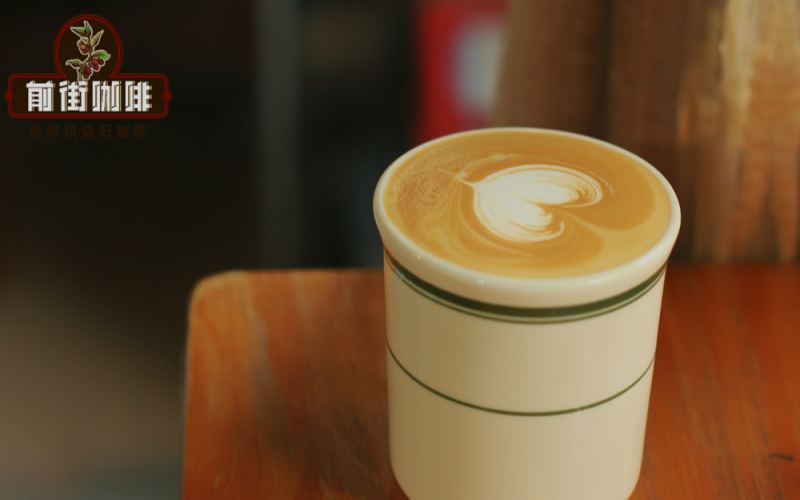
In coffee enthusiast circles, Flat White has always been a topic worth exploring in depth. It originated in Australia and New Zealand and is regarded as Oceania's localized evolution of the latte. Unlike the lattes and cappuccinos on Front Street Coffee's regular menu, the Flat White often exists as a hidden option. Starting from the English name of Flat White, this article will break down in detail its specific differences from a latte in cup size, espresso ratio, milk foam thickness, and flavor direction, and will also include Front Street Coffee's complete Flat White recipe and steps. Whether you want to understand exactly how a Flat White differs from a latte, or you want to recreate at home a cup of Flat White with thin milk foam and a prominent coffee flavor, you can find clear answers here. [more…]

What's the Difference Between a Macchiato and a Cappuccino? Caramel Macchiato Recipe and Tasting Guide
Walking into a café and facing a dazzling menu of espresso drinks, have you ever been confused: what exactly is a Macchiato? How is it different from a Cappuccino? And how is a Caramel Macchiato made? This article will take you back to the Italian origins of the Macchiato, clarify its essential differences from the Cappuccino in recipe and taste, and break down the steps for making a Caramel Macchiato along with key tasting points. We will also share the traditional ratios and modern evolution of authentic Cappuccino, as well as practical tips from Front Street Coffee during the preparation process, helping you make a cup of milk coffee with distinct layers and pure flavor at home. [more…]
A Complete Guide to Piccolo Latte Coffee: Volume, Recipe, and Key Differences from a Regular Latte
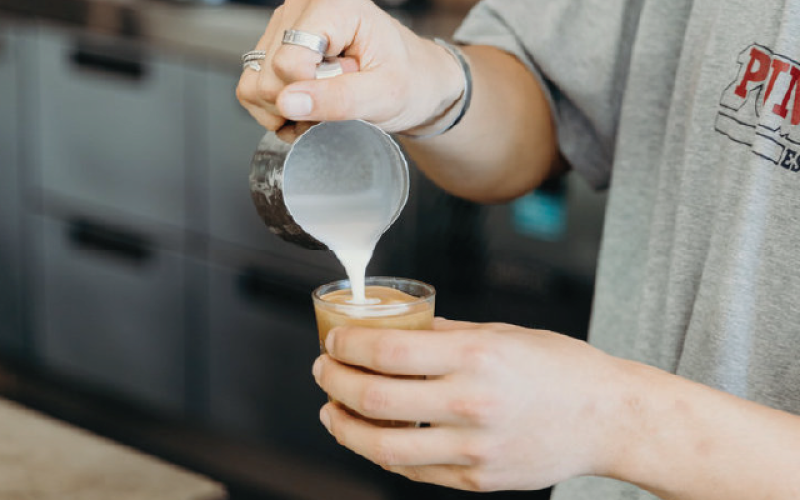
The Piccolo Latte is not commonly seen on coffee menus, and many people know very little about it, sometimes even misunderstanding it because of its small size. This mini milk coffee originating from Italy usually has a capacity of only 85 to 100 milliliters, in sharp contrast to the regular 250 to 300 milliliter latte. This article will explain in detail what a Piccolo Latte is, how it differs from a regular latte, its standard preparation recipe and drinking method, and introduce the Warm Sun blend coffee beans used by Front Street Coffee in its espresso offerings along with their flavor performance, helping coffee lovers gain a comprehensive understanding of this small yet refined milk coffee. [more…]
How to Make Cold Brew Coffee Taste Great? A Complete Guide from Origins and Grind Size to Coffee-to-Water Ratio and Front Street Coffee Recipes
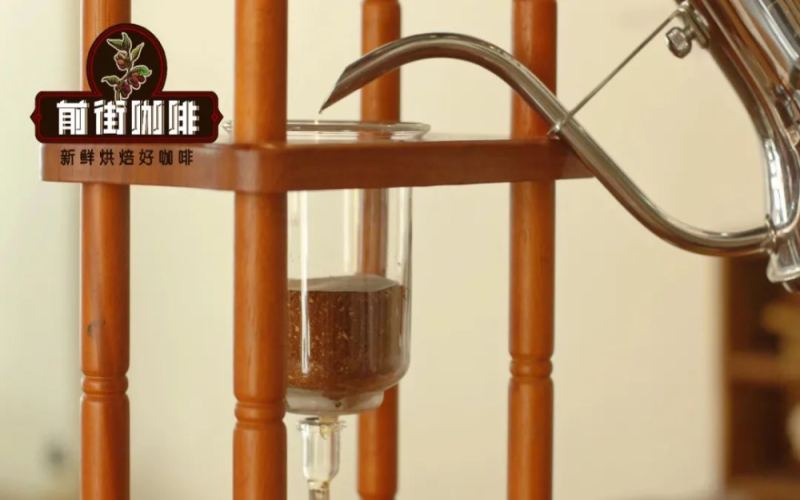
Cold brew coffee is a staple drink in summer cafés. Its production takes a long time, so it usually needs to be reserved or prepared in advance. Its flavor differs noticeably from other brewing methods, and one taste often leaves a lasting impression. In this article, Front Street Coffee discusses the origins, production methods, and recipes of cold brew coffee, introducing key steps such as a 1:10 coffee-to-water ratio, grind size calibration, pre-infusion, drip rate control, and refrigerated fermentation, and shares four recipes: classic cold brew, a crisp and clean type, a sweet and pleasant type, and a wine-like type, to help coffee lovers reliably recreate it at home. [more…]
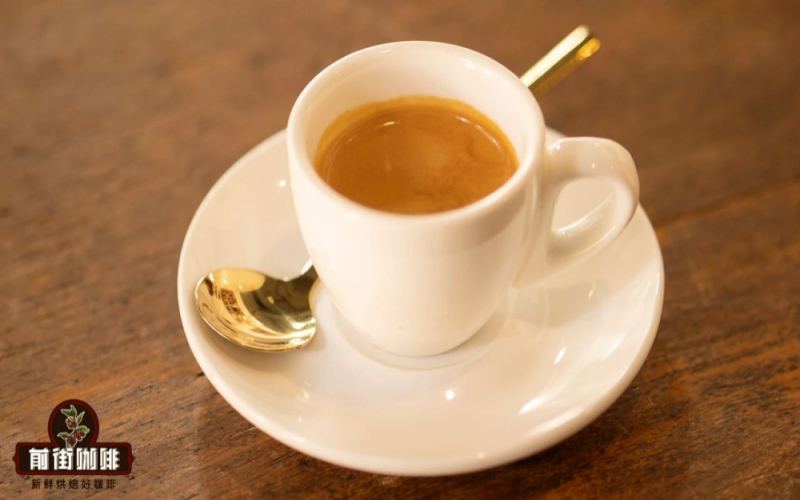
Standard Espresso Extraction Parameters and Brewing Methods, Front Street Espresso Blend Bean Buying Guide
Espresso is the foundation of café offerings and the subject many coffee enthusiasts delve into at home. How much dose, what water temperature, and how much pressure does a qualified Espresso actually require? How should extraction time and ratio be controlled? Starting from Front Street Coffee's hands-on experience, this article systematically sorts out the technical standards and extraction parameter logic of espresso, and introduces in detail the recipes, flavors, and suitable scenarios of four espresso blend coffee beans under Front Street, covering Dark Cocoa Blend, Specialty Blend, Commercial Blend, and Classic Blend. At the end, it also includes notes on purchasing coffee beans to help readers enjoy the best flavor within the peak flavor period. [more…]
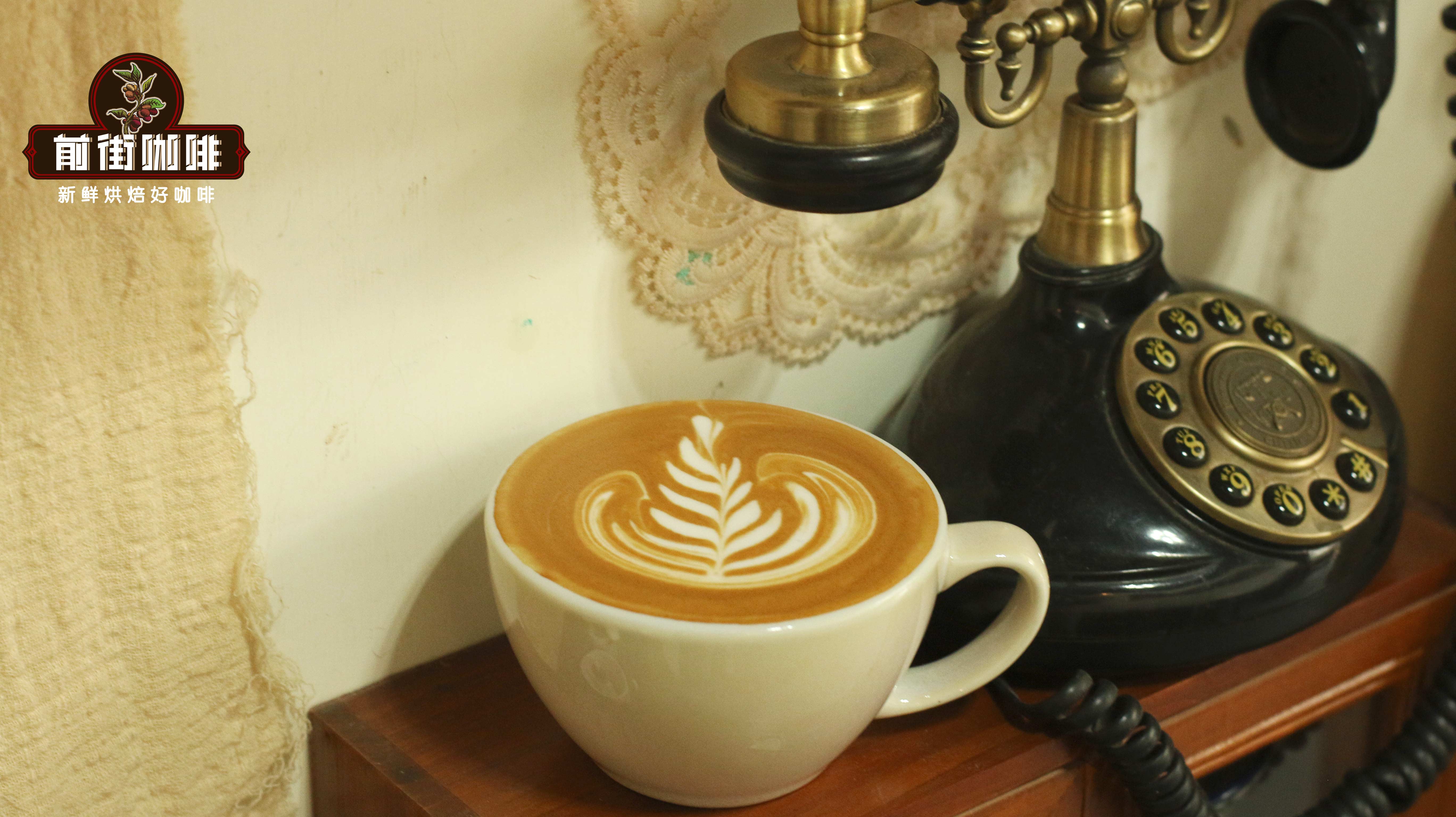
A Complete Guide to Making Espresso Latte: Recipe Ratios, Coffee Bean Selection, and Extraction Techniques
Latte coffee may seem simple, but in fact, everything from the choice of coffee beans to the handling of milk involves much attention to detail. Starting with the historical origins of the latte, this article breaks down in detail how different coffee beans affect latte flavor, recommends Front Street espresso blends suitable for beginners and advanced enthusiasts alike, and includes complete espresso extraction parameters along with milk frothing standards. Whether you want to recreate a silky latte at home or understand the root causes of differences in coffee shop offerings, this content will give you practical reference. [more…]
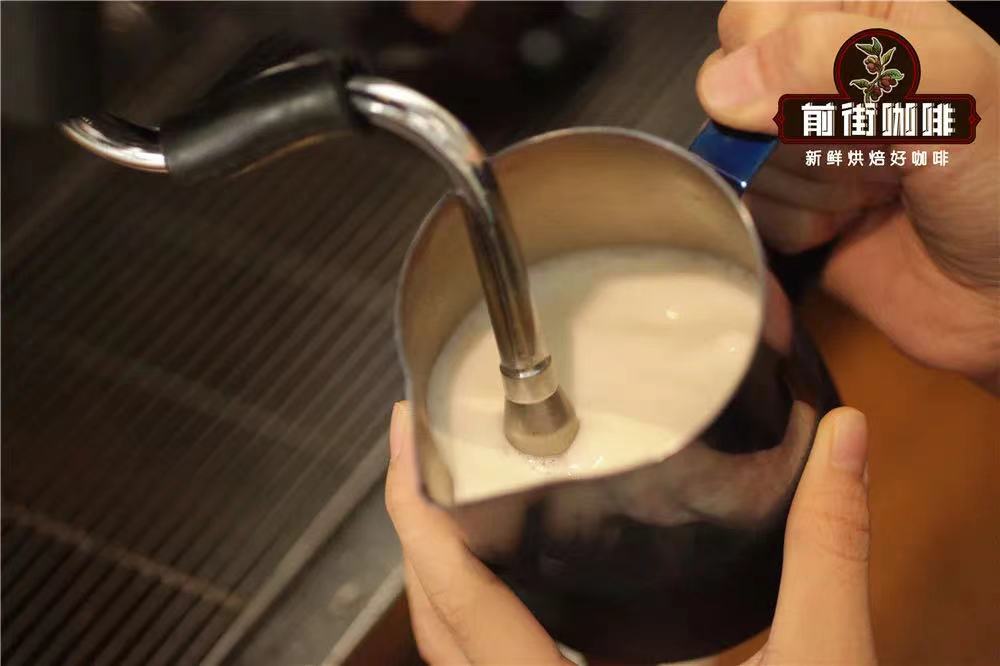
Homemade Latte Recipe | How Can Coffee Beginners Make a Delicious Latte at Home? What Is the Coffee-to-Milk Ratio for a Latte?
For professional coffee knowledge exchange and more coffee bean information, please follow Coffee Workshop (WeChat official account: cafe_style). For more specialty coffee beans, please add our personal WeChat Front Street Coffee (FrontStreet Coffee), WeChat ID: qjcoffeex. Quite a few friends have asked [more…]
The Origin of Americano | What Is the Standard Café Iced Americano Recipe? Is an Americano Without Crema Still Good?
What is Americano? "Americano" (English: Americano, Italian: Caffe Americano) is traditionally a black coffee made with a drip coffee maker. Because the extraction time is relatively long (about four to five minutes), the coffee taste is also more [more…]