







How long does a moka pot take to brew at home?
A moka pot usually finishes brewing in about four to six minutes on the stove, counting from the moment the water in the base chamber starts to heat until the upper chamber fills and the flow turns pale and sputtering. Timing varies with water temperature, grind size and how tightly the grounds are packed, so watching the stream is more reliable than a clock.
Cold brew, by contrast, is a slow method. The article describes a 1:10 coffee-to-water ratio, calibrated grind size, pre-infusion, controlled drip rate and cold fermentation of 12 to 24 hours. That long steep is why cafes prepare cold brew in advance. The same patience logic applies to the moka pot: moderate heat and a steady flow give a sweeter, less bitter cup than a rushed boil.
Cold brew coffee is a staple in cafés during summer, but it takes a long time to make and usually requires advance ordering or preparation. Its flavor differs noticeably from other brewing methods, and one sip often leaves a lasting impression. In this article, Front Street Coffee explores the origins, brewing methods, and recipes of cold brew coffee, covering key steps such as a 1:10 coffee-to-water ratio, grind size calibration, pre-infusion, drip rate control, and cold fermentation. It also shares four recipes—classic cold brew, light and clean, sweet and pleasant, and wine-like—to help coffee lovers reliably recreate it at home.
For more specialty coffee knowledge, please follow our WeChat official account: Front Street Coffee
Cold Brew Coffee
It is a chilled coffee that cafés often prepare during summer. Because the production cycle is long, it usually requires advance ordering or the café preparing a reserve ahead of time. The flavor of cold brew coffee differs greatly from other brewing methods, so the first sip is often hard to forget. In this article, Front Street Coffee will teach everyone how to make cold brew coffee.
The Origin of Cold Brew Coffee
In the 17th century, Dutch sailors transported coffee from the then-colony of Indonesia back to Europe. There was no hot water on board, so they could not drink hot coffee, and thus they came up with the method of extracting with cold water. Coffee made with cold water tasted mild and smooth, with ample aroma, and was not only liked by the sailors but also well accepted by ordinary people.
However, it should be noted that the origin story above was actually made up by Japanese coffee professionals to promote cold brew towers and is one of their marketing tactics. In fact, Western countries, including the Netherlands, mainly used not the Japanese drip method (ice water dripping down drop by drop for extraction), but the so-called "Cold-Brew" immersion method (soaking coffee grounds in cold water for a long time) to make cold brew. Moreover, the West does not have so-called cold brew coffee (Dutch Coffee).
The Invention of Cold Brew Coffee
Although cold brew is called Dutch coffee, its connection with the Netherlands is not deep. Instead, it is closely related to Japan, so it is also called Kyoto coffee. The owner of Kyoto Hanabusa Coffee came across the method local people in Indonesia, then a Dutch colony, used to brew coffee while reading coffee books, and became interested in it. Later, based on the description in the book, with the assistance of chemistry students from Kyoto University and a medical device company, he made a cold brew device, hoping to recreate the Indonesian method, and cold brew coffee was thus born. Later it became popular in Europe and America, and because Europeans and Americans did not understand this history, they directly called it Kyoto coffee.
Cold brew uses ice water close to zero degrees for extraction, allowing the flavors in the coffee to volatilize less at low temperatures and preserving as much aroma as possible in the coffee liquid. When it is drunk and the liquid temperature rises, the aroma hidden in the coffee liquid is suddenly released, allowing the drinker to feel a strong aroma at the base of the tongue, and this aroma burst brings a strong sense of pleasure.
How to Make Cold Brew Coffee
1. Front Street Coffee The coffee-to-water ratio used for cold brew
is 1:10, that is, 60 grams of coffee grounds extract 600 milliliters of coffee liquid.
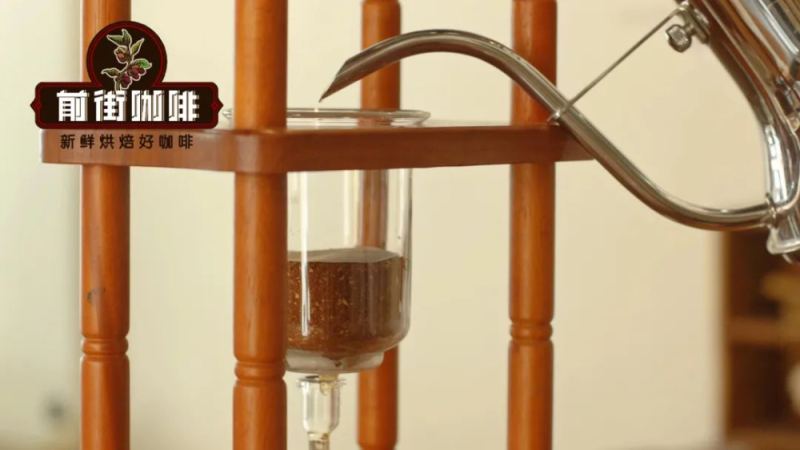
2. Place a round filter paper at the bottom of the powder cup, wet it with water so it adheres to the wall of the cup, pour in the ground 60g of coffee (the size of coarse granulated sugar), then shake the coffee bed flat. You can also use the weight of the tamper to press it lightly so that the surface is level.
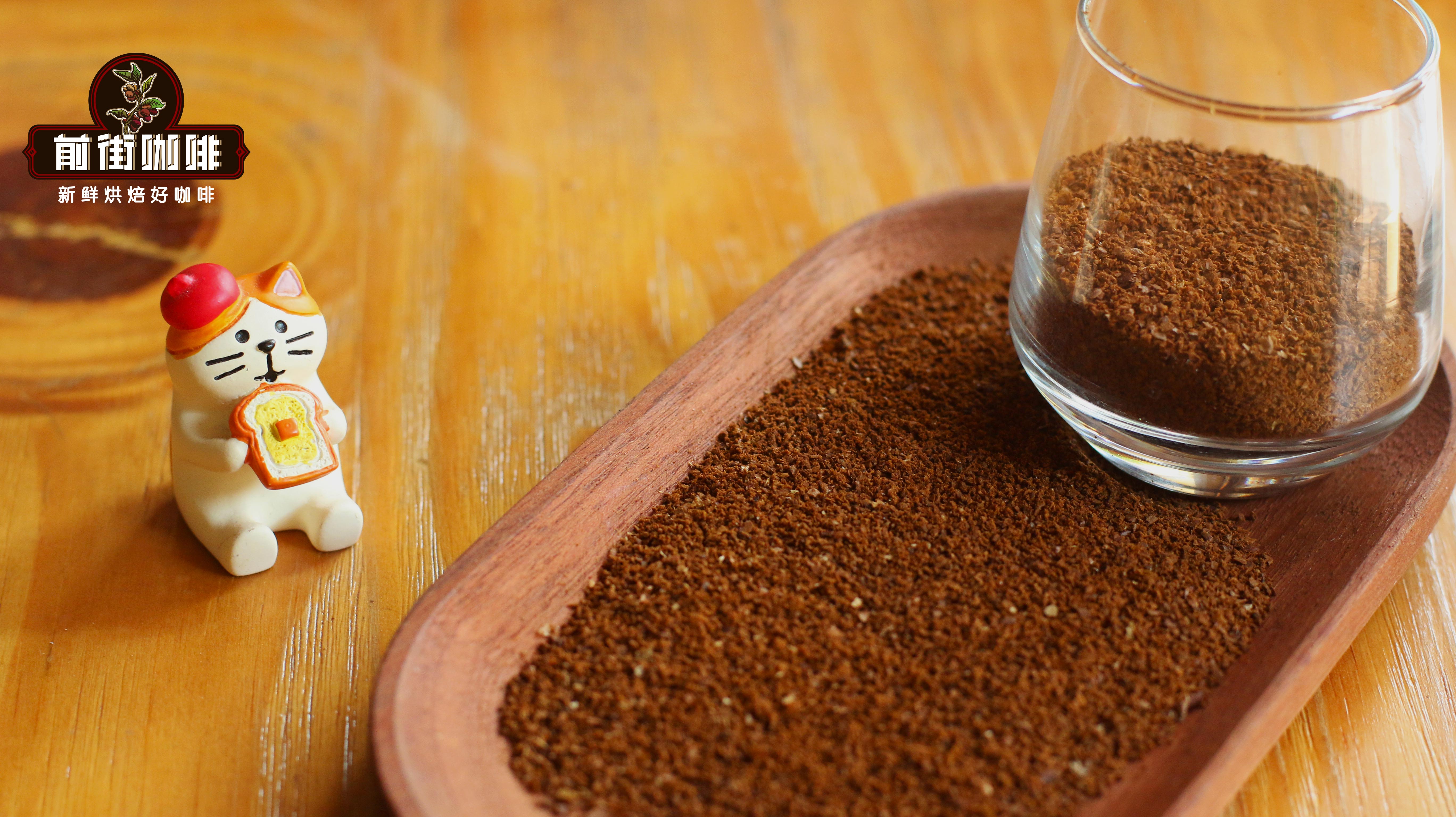
Note: It is difficult to accurately judge the coarseness of cold brew coffee grind with the naked eye. Therefore, a tool is needed to assist in calibration. Front Street uses a No. 20 (0.85mm) standard sieve for calibration.
Front Street Coffee grind size standard sieve pass rate: Cold brew > pour-over (siphon) Syphon 80% > moka pot American drip 75-80% > cupping 70-75% > French press 65-70%
Therefore, the grind size of cold brew coffee should be finer than pour-over, at about a pass rate of 83-85%.
3. Remember to place a piece of filter paper on the coffee bed surface. The tension of the filter paper allows water to distribute more evenly; if no filter paper is added, long-term dripping will create a pit in the coffee bed.
4. Use ice water for "pre-infusion." This is similar to the blooming step in pour-over and can improve extraction and consistency of the final product. If you start cold brewing directly, it may cause uneven wetting of the coffee bed, with some coffee grounds over-extracted and others not participating in extraction.
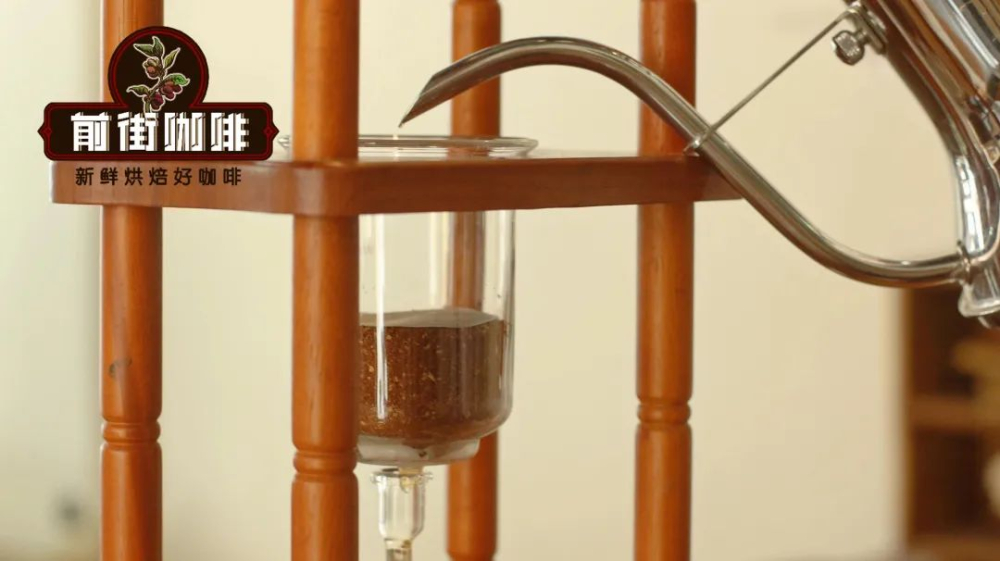
5. Add a 1:1 mixture of ice and water to the water container, and adjust the control valve to about 7 drops every 10 seconds.
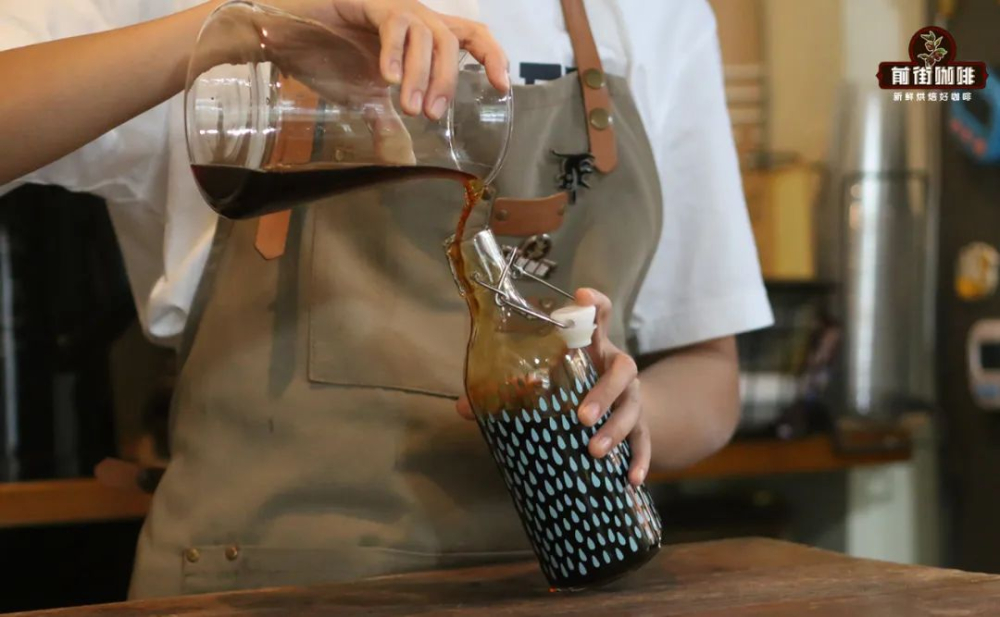
6. After production is complete, pour the coffee liquid into a sealed glass bottle, then put it in the refrigerator to ferment overnight so the flavors blend with each other, making the taste better and smoother.
Front Street Cold Brew Coffee Recipe Sharing
①Classic Cold Brew : Front Street Sherry 30g + Front Street Bahia 30g. This is Front Street's house-made cold brew recipe, and it is also a cold brew recipe liked by many customers. When making it, mix Sherry coffee beans with Bahia coffee beans before grinding. After making cold brew, it has a rich whiskey aroma, with refreshing citrus fruit interwoven with full vanilla cream, leaving a memorable aftertaste.
②Light and Clean Type : Front Street Kenya Little Tomato 60g. Little Tomato's acidity is very lively, overall like a glass of fruit juice. When used to make cold brew coffee, it carries the fresh fragrance of cherry tomatoes and grapefruit, tasting light and refreshingly acidic, very suitable for summer drinking.
③Sweet and Pleasant Type : Front Street Indonesia Golden Mandheling 60g. Few shops use dark-roasted coffee to make cold brew. Those who have not tried it may think that dark-roasted beans will make cold brew very bitter, but this is actually not the case. According to Front Street's cold brew method, after putting it in the refrigerator for 24 hours and then adding ice cubes, Front Street Golden Mandheling cold brew coffee presents sweetness with a hint of chocolate bitterness, is very clear overall, and has a rich fermented feel that makes one comfortable.
④Wine-Like Type : Front Street Red Cherry 20g + Front Street Mozart 40g. The 2020 Mozart coffee uses anaerobic honey processing, making grape and blackcurrant flavors more obvious; Red Cherry uses traditional sun-dried processing, with flavors of sweet berries and fermented red wine aroma. The cold brew coffee made with this recipe is like a glass of chilled wine.
The above content is compiled by CoffeeHunters, a coffee news website.


