







Search Results for: raw materials destroyed
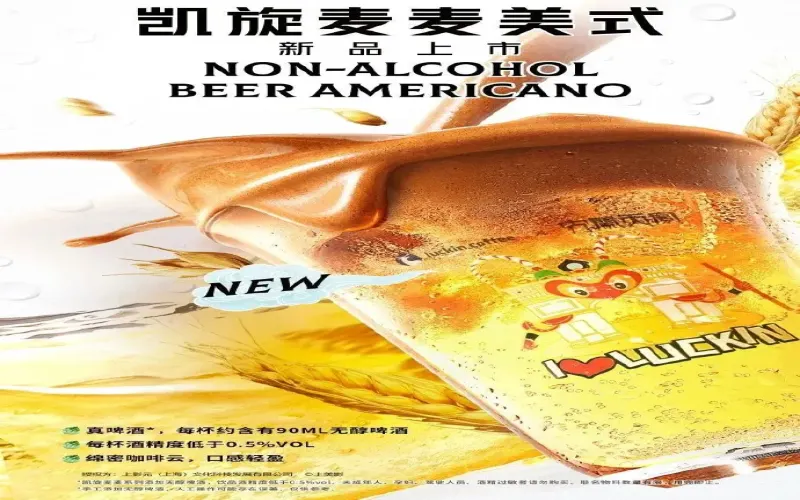
Luckin's alcohol-free beer series has been fully discontinued, with stores in multiple regions centrally destroying their inventory of raw ingredients.
Luckin Coffee's "Triumphant McCafé Series" non-alcoholic beer drinks, launched in collaboration with Havoc in Heaven, has been declared fully discontinued after a brief market trial. This limited-edition product, once promoted for "containing 90ml of non-alcoholic beer" and briefly trending on Weibo, ultimately led to significant inventory buildup in many stores due to lackluster consumer feedback and low repurchase rates. Before September 30, all stores are required to destroy all beer ingredients on their own, and social platforms have once again seen spectacular scenes of employees collectively pouring out the drinks. This article will review the entire process of the series from its high-profile launch to its quiet exit, analyzing the challenges and helplessness that fast-moving consumer chain brands face in product lifecycle management. [more…]

Lucky Cup's delisted ingredients were required to be poured down the drain and destroyed; unopened oat milk and syrup being wasted sparked heated discussion.
The chain coffee brand Lucky Cup recently drew attention due to the way it disposed of ingredients for discontinued products. According to multiple netizens claiming to be store employees, the company required that unopened materials such as oat milk, taro paste cans, and osmanthus syrup be uniformly poured into drains for destruction, with video and photographic evidence required, or the stores would be penalized. After images of large quantities of intact ingredients being directly discharged spread, many industry peers confirmed that this did happen, while netizens launched discussions around food waste, environmental pollution, and compliance. The brand has now removed the related products from its ordering mini-program, but whether the destruction method is reasonable still merits further consideration. [more…]

Luckin Orange C Americano Suddenly Discontinued, Stores Thaw and Destroy Orange Sauce Overnight — What's the Reason?
Luckin's Orange C Americano has always been a favorite among many coffee lovers, winning a large number of loyal fans with its refreshing, sweet taste. However, recently this popular drink has received negative reviews from consumers due to the orange sauce becoming thicker in texture and the taste being too sweet and cloying. Luckin responded quickly, requiring stores to thaw overnight and destroy the problematic batches of orange sauce, while urgently removing the Orange C Americano from the ordering platform. This move sparked heated discussion among netizens: some worry that this drink will disappear for good like previously discontinued flavored coffees, while others feel it is a pity to destroy so many raw materials. Luckin employees revealed that the orange sauce will be replaced, and in the short term most stores may not be able to sell the Orange C Americano. Whether this adjustment can bring the "white moonlight" back to its original taste remains to be seen by consumers. [more…]

Luckin stores concentrate on destroying Coconut King series ingredients, behind the full delisting of the third anniversary limited edition products
It is not uncommon for chain coffee brands to destroy inventory in bulk due to expired ingredients or quality issues, but what Luckin recently discarded on a large scale was a batch of coconut royale series ingredients that were still within their shelf life. This pink liquid was not spoiled, but rather the normal color of the third-anniversary limited-edition product. From the April collaboration with Pop Mart that triggered a buying frenzy, to now going days in stores without selling a single cup, the fate of the coconut royale series reflects the harsh reality after a new product's hype fades. Front Street Coffee notes that this incident has also sparked consumer discussion about product lifecycles and inventory management. [more…]
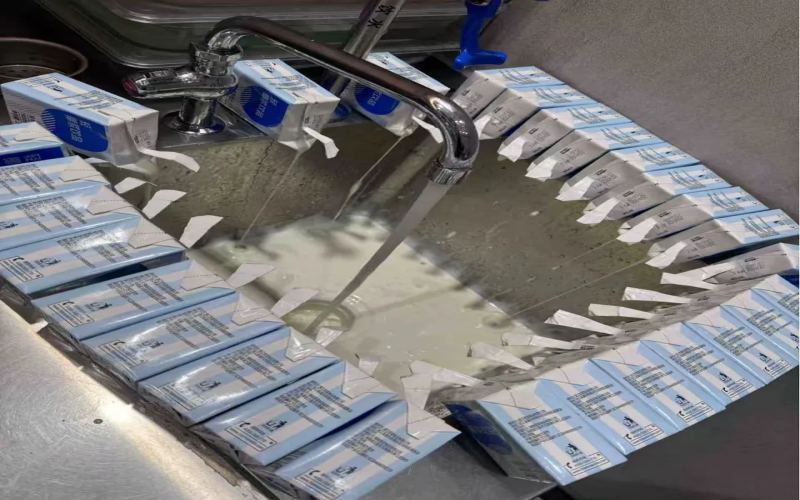
Luckin's Light Coconut Milk series was abruptly discontinued—why did both the Coconut Americano and Light Milk Tea fall flat?
Luckin Coffee is known for frequently launching new products, but not every new release wins market favor. The light coconut milk series has received a lukewarm response since its launch: the raw coconut light milk tea was criticized as inferior to Assam, and the raw coconut Americano was even mockingly called dishwater. To reduce waste, the brand switched to mini-sized ingredients, but with little effect. In the end, these two products were completely removed from the menu, with employees busy destroying inventory while consumers looked on with glee. Front Street Coffee takes you through the rise and fall of this product trial. [more…]

Large batches of Luckin's Sauce-Flavored Thick Milk expired and were destroyed by stores on their own; the fading hype of co-branded products has sparked discussion about ingredient waste.
Luckin Coffee's co-branded Moutai Latte, launched in partnership with Kweichow Moutai, achieved impressive first-day sales exceeding 100 million yuan. However, the subsequent Year of the Dragon Moutai Chocolate Latte failed to sustain the hype, causing the Moutai series beverages to fall into a sales slump. A large quantity of unopened Moutai Latte thick milk, facing expiration and with no return channel, had to be destroyed by stores themselves, with employees forced to pour box after box of ingredients down the drain. This incident sparked heated discussion online. Some netizens lamented the waste and suggested following supermarkets' example by clearing near-expiry products through discounts; others pointed out that opinions on the Moutai Latte's taste are sharply divided, and that novel products are better suited for short-term sales rather than long-term menu placement. [more…]
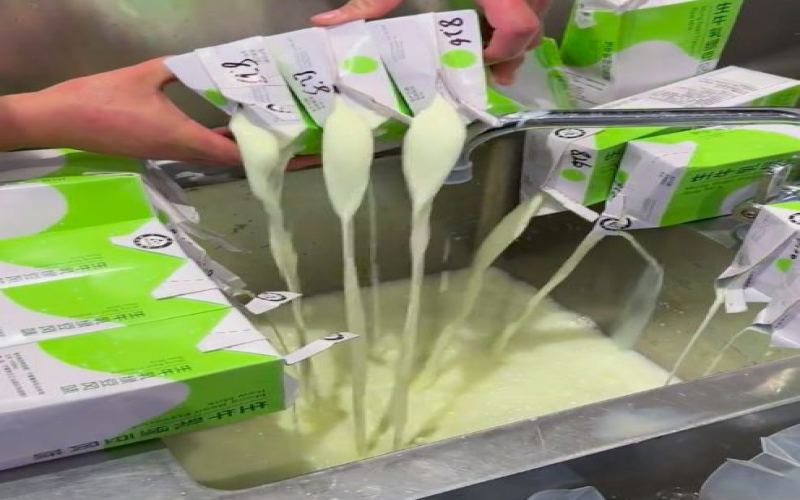
Luckin Coffee removes 8 drinks from menus at once, stores asked to dump unexpired ingredients, sparking heated debate
Luckin Coffee recently carried out a centralized removal of multiple drinks, involving products launched within the past six months such as Peach Peach Coffee and Jelly Coconut Latte. The brand required stores nationwide to pour all unopened, still-within-shelf-life ingredients down the drain after closing, sparking widespread discussion among employees and netizens. Some veteran employees have grown accustomed to this, while more people questioned that this handling method causes serious waste and called on the brand to adopt more reasonable ways to consume inventory. The incident reflects the contradiction between rapid product iteration and ingredient management in chain coffee brands. [more…]

Behind the Freeze-Dried Coffee Craze: An Analysis of Instant Coffee Process Evolution and Flavor Differences
Freeze-dried coffee has become a new favorite in the coffee market in recent years, but many people are not clear about the real difference between it and traditional instant coffee. From the perspective of Front Street, this article sorts out the origin of instant coffee and its two core production processes—spray drying and freeze drying—analyzes why freeze-dried coffee can better preserve flavor, and how it breaks away from the stereotype of instant coffee. At the same time, the article also discusses the impact of raw material upgrades and packaging innovation on the popularity of freeze-dried coffee, helping readers fully understand the development context of this category and the reasons behind its market heat. [more…]
Mixue Malaysia Store Garbage Bag Incident: Brand Apologizes and Launches Halal Cleaning Process
Recently, Mixue Bingcheng publicly apologized after a branch in Malaysia used garbage bags printed with inappropriate images and text. The brand stated that the garbage bags purchased by the store were only used for handling trash and were not involved in food preparation. However, to dispel local consumers' concerns about halal standards, it has required the store involved to implement Islamic-compliant cleaning procedures, destroy the problematic garbage bags, and re-review its procurement process. The incident sparked heated discussion online, with some questioning, "Do garbage bags also need to be halal?" while others praised the brand's swift response. What exactly were the inappropriate images and text? Neither official reports nor the apology letter explained, and the truth remains to be clarified. [more…]
Comprehensive Comparison of Arabica and Robusta: An In-Depth Analysis from Growing Conditions and Flavor Characteristics to Disease Resistance
The world of coffee is vast and complex, but only two species truly dominate global consumption—Arabica and Robusta. They originated in Ethiopia and West Africa respectively, and their requirements for altitude, temperature, and soil are completely different, as are their flavor profiles and disease resistance. Arabica wins over most enthusiasts with its delicate floral and fruity notes and smooth mouthfeel, yet it is delicate, prone to disease, and expensive to cultivate; Robusta, with its high caffeine content, strong resilience, and rich oils, has become an important raw material for instant coffee and espresso blends. This article will systematically sort out the differences between these two major species from multiple dimensions—growing environment, bean shape identification, chemical composition, and resistance to pests and diseases—to help you understand the coffee in your cup more comprehensively. [more…]
Robusta Coffee Flavor Analysis: A Comprehensive Interpretation from Variety Origins to Instant Coffee Ingredients
When many people first learn about coffee, they often hear variety names like Arabica and Robusta, yet they may not clearly understand the essential differences between them. From the perspective of Front Street Coffee, this article systematically sorts out the origin and classification of Robusta coffee, its main producing regions, flavor characteristics, cultivation advantages and disadvantages, and explains why it has become an important raw material for instant coffee and commercial blends. At the same time, it compares Arabica varieties to help coffee enthusiasts understand the key differences between the two major varieties in terms of altitude requirements, disease resistance, caffeine content, and cup performance, so as to gain a more comprehensive understanding of every cup of coffee they drink daily. [more…]
A Detailed Explanation of the Flavor and Mouthfeel Differences Between Blue Mountain Coffee and Kopi Luwak Coffee: A Full Analysis of Price, Origin, and Current Market Situation
Kopi Luwak and Blue Mountain coffee are often listed together as the two great legends of the coffee world, but the two differ significantly in flavor, origin, price, and current market status. Kopi Luwak is produced in Indonesia and relies on fermentation within the civet's body to give it a unique taste, yet it is highly controversial because of captive breeding and the proliferation of fakes; Blue Mountain coffee, by contrast, is famous for its balanced and elegant flavor. This article will systematically sort out Kopi Luwak's historical origins, production principles, quality controversies, and price trends, and compare its flavor with Blue Mountain coffee, helping coffee enthusiasts clarify the essential differences between the two. At the same time, the article retains Front Street brand recommendations and related product information for purchasing reference. [more…]
Is Honey-Scented Black Tea Made with Additives? Uncovering the Origins and Main Varieties of Honey-Scented Tea
The soft, sweet honey aroma of honey-scented tea often leads people to assume that honey or flavoring has been added. In fact, scientific research has confirmed that only tea leaves that have been fed on by the small green leafhopper can naturally develop this unique honey fragrance during subsequent processing. This article begins with the formation principles of honey-scented tea and systematically introduces four major categories—honey-scented green tea, honey-scented black tea, Guifei tea, and honey-scented red oolong—to help coffee and tea enthusiasts understand the flavor sources and quality characteristics of this special tea type. [more…]

Why Does Latte Milk Foam Disappear Too Quickly? An Analysis of the Causes Behind Poor Latte Art Results with Light-Roast Espresso Beans
Milk foam will eventually dissipate, but the speed at which it does so varies significantly. Some people's latte art patterns last a long time, while others' become unrecognizable in less than ten minutes. Behind this lie both material factors such as coffee beans and milk, as well as steaming technique and bean freshness. Drawing on Front Street Coffee's practical experience, this article analyzes the three key factors affecting milk foam stability: the roast level of the coffee beans, the quality of the milk foam steaming and the milk temperature, and the degassing state of the coffee beans, and offers actionable improvement methods to help you create longer-lasting latte art patterns and more stable milk coffee. [more…]
Decaf Coffee Bean Caffeine Content Explained: Everything You Need to Know About Decaffeination Methods, Flavor Differences, and Health Benefits
Many coffee lovers want to enjoy the comfort of a cup of coffee but worry about caffeine affecting their sleep. So which coffee beans actually have the least caffeine? How does decaf coffee taste different from regular coffee? This article starts with the basic caffeine content, compares the differences between Arabica and Robusta, sorts out the impact of roasting, grinding, and extraction on coffee quality, and introduces in detail the principles and characteristics of three decaffeination processes: the solvent extraction method, the Swiss Water Process, and the carbon dioxide high-pressure extraction method. At the same time, Front Street Coffee will also share the real reasons why decaf coffee tastes milder, as well as its value in terms of antioxidants and nutrients, to help you understand decaf coffee more comprehensively. [more…]
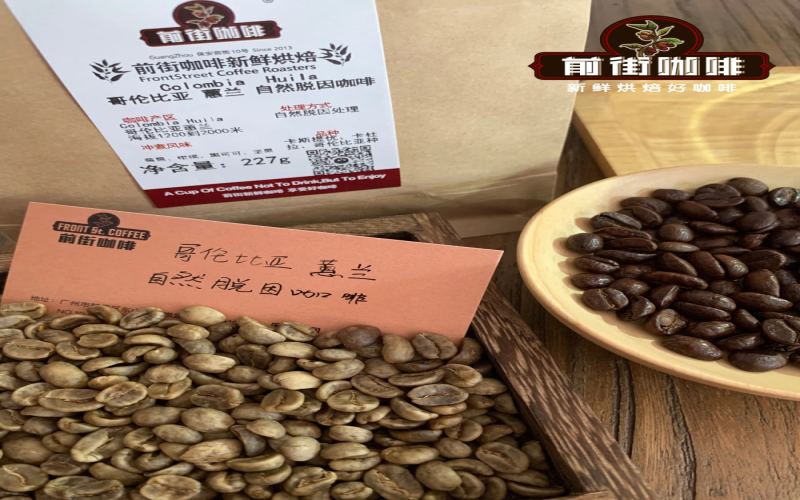
Decaf Coffee Recommendations | How Is Decaf Coffee Processed? Is Low-Caffeine Coffee Caffeine-Free? Does Colombian Decaf Coffee Taste Good?
For more specialty coffee knowledge, please follow our WeChat public account: Front Street Coffee (FrontStreet Coffee). In modern society, coffee is not only used to stay awake, but more of a lifestyle. Decaf coffee has begun to appear on the market to satisfy those who have trouble sleeping due to caffeine intake or [more…]
Peru's Coffee Industry Struggles: Low Prices and Delayed Certification Drive Farmers to Abandon Coffee for Coca
In recent years, the Peruvian coffee industry has been facing severe challenges. Due to persistently low coffee prices and slow organic bean certification processes, more and more coffee growers are choosing to abandon their farms and instead go to work in coca plantations to earn higher incomes. According to the National Coffee Federation, since last December, farmers have been pouring into drug-trafficking areas to engage in coca cultivation, where they can earn 70 to 120 Peruvian nuevos soles per day (about 21 to 36 US dollars). This trend has not only worsened poverty and unemployment but also led to an expansion of illegal crop cultivation. Although Peru and the United States spent years promoting alternative crop programs, cocaine production has still hit a 25-year high. This article will provide an in-depth analysis of the varieties and flavors of Peruvian coffee, its growing environment, and explore the difficulties facing its industry. [more…]
How are Coffea canephora Robusta coffee beans roasted? What coffee beans does Starbucks use?
In the world of coffee, the two major species, Arabica and Robusta, underpin the flavors in most people's cups. Robusta, also known as Coffea canephora, originated in the Congo Basin of Africa. It is widely cultivated because it tolerates low altitudes, resists pests and diseases, and yields high harvests, and it often appears in instant coffee and espresso blends. Its caffeine content is about twice that of Arabica, its chlorogenic acid is higher, and its flavor tends toward the full-bodied and deep, with notes of walnut, peanut, and grain. This article from Front Street Coffee sorts out Robusta's origins, botanical classification, advantages, and shortcomings, and retains the information on the Vietnamese Robusta beans used in Front Street's commercial blends, helping coffee enthusiasts understand this bean more clearly for what it really is. [more…]
Where Does Assam Black Tea's Malty Flavor Come From? A Full Analysis of Drying and Sifting Processes
How exactly are the signature malty aroma and honeyed sweetness of Assam black tea formed during the tea-making process? This article takes an in-depth look at the final two key stages of tea processing—drying and sorting. Drying is not merely a means of removing moisture to stabilize quality; its degree of roasting profoundly influences the flavor direction of the tea through the Maillard reaction, setting the tone for everything from chocolate notes to floral notes. Sorting, meanwhile, grades the tea according to leaf size, with whole leaf, broken, fannings, and dust each having their own uses. The article also introduces Front Street Coffee's philosophy for selecting Assam black tea, helping you understand the flavor code of a good cup of tea from the very source of its craftsmanship. [more…]
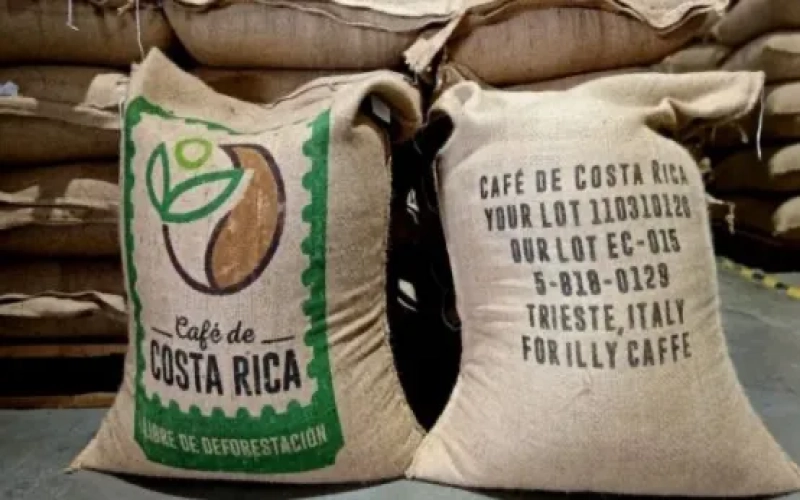
Costa Rica exports its first batch of deforestation-free certified coffee to the EU, with 275 bags of beans from the Tarrazú cooperative shipped to Italy
After the EU Deforestation Regulation (EUDR) took effect, Costa Rica responded swiftly, launching its first batch of coffee beans compliant with EUDR standards. This batch, totaling 275 bags of 60 kg each, comes from the Tarrazú cooperative, has been successfully sold, and will be shipped to Italy. The initiative, jointly driven by the United Nations Development Programme and the Costa Rican Coffee Institute, is seen as a key step for the country to adapt to climate change and secure its European market. Facing the dual pressures of declining production and competition from neighboring Central American countries, Costa Rica is seeking to boost its industry's competitiveness through green certification. Front Street Coffee continues to follow developments in global coffee-producing regions, bringing first-hand information to enthusiasts. [more…]