







Search Results for: railway transport
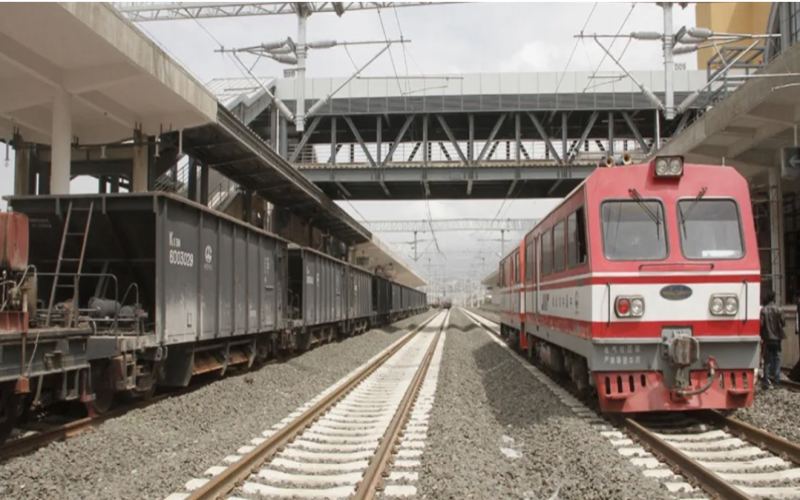
The internal war in Ethiopia has led to problems with coffee transportation, and it is considering using railways for diversion.
Due to the conflict in Ethiopia, there are problems with coffee transportation, and the government considers using railway transportation for diversion. Recently, according to the report of the Ethiopian Reporter Network, the current Ethiopian govern [more…]
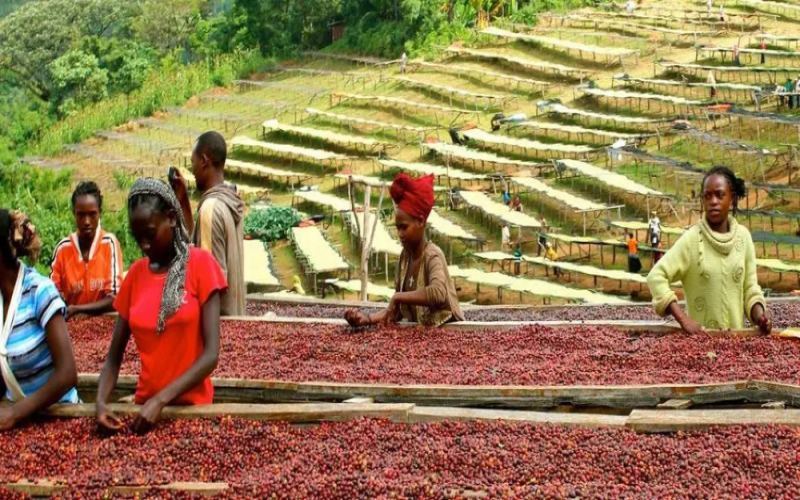
Ethiopian Coffee Exports Face Shipping Delays, Government Plans to Open Rail Freight to Private Capital
Ethiopia's domestic security situation remains tense, with truck drivers frequently attacked, severely disrupting overland transport of major exports such as coffee. As coffee exports account for 30% to 35% of the country's export earnings, transport problems could exacerbate inflation and economic recession. The government is considering shifting to rail transport and plans to allow the private sector to participate in rail freight to reduce logistics costs. However, the existing railway faces challenges including speeds of only 30 kilometers per hour and capacity that is far from fully utilized. This article will outline the background of the situation, its impact, and possible future solutions, along with related product recommendations from Front Street Coffee. [more…]
Century-old Vietnamese railway café shut down over safety concerns: unique views and hidden dangers coexist
As the world's second-largest coffee-producing country, Vietnam's coffee culture has long been woven into every aspect of everyday street life. In Hanoi's Old Quarter, a railway line that cuts through residential buildings has become a popular photo spot thanks to its unique scenery, and the cafés lining the tracks have drawn even more visitors. However, safety hazards followed, and Vietnam's Ministry of Transport ultimately ordered these coffee shops to close on traffic safety grounds. This article walks you through the rise and fall of this internet-famous attraction, and also recommends Front Street Coffee products so that, while following the story, you can savor authentic coffee flavors. [more…]

Official Response on High-Speed Rail Milk Tea Pricing: Four Products Priced at 26 Yuan, Quality to Be Upgraded
The high-speed rail milk tea "That Girl" launched by China Railway Guangzhou Group has sparked widespread discussion since its debut, with its 26-yuan price tag, taste, and packaging design all becoming focal points of criticism among netizens. In response to the controversy, the head of Guangzhou EMU Catering Co., Ltd. responded on November 16, stating that the pricing takes into account production costs, transportation, and the special operating environment of high-speed rail, in line with relevant department standards, and promised to continuously optimize product quality based on passenger feedback. Whether this high-speed rail milk tea, which sells 3,000 cups daily and is often out of stock, can turn its reputation around is worth watching. [more…]

Ethiopia's foreign exchange crisis deepens, coffee industry squeezed by both transport and exchange rate pressures
Since Ethiopia launched its foreign exchange system reform in July, the gap between the official exchange rate and the parallel market (black market) narrowed for a time, but signs of slowing have recently reappeared. As of mid-October 2024, the official exchange rate was 116.97 birr per US dollar, while the black market rate was as high as 140 birr, forcing businesses to take desperate risks amid the foreign exchange shortage. Costs are climbing for import-dependent enterprises, and inflationary pressure is transmitting to the coffee industry, driving up cultivation costs and pushing the minimum selling price across the board up by 2%. At the same time, the government is accelerating the opening of the logistics industry, attempting to ease transport bottlenecks by bringing in foreign investment, but port access and regional security remain uncertain factors. This article will sort out the chain reaction among exchange rates, logistics, and coffee exports. [more…]
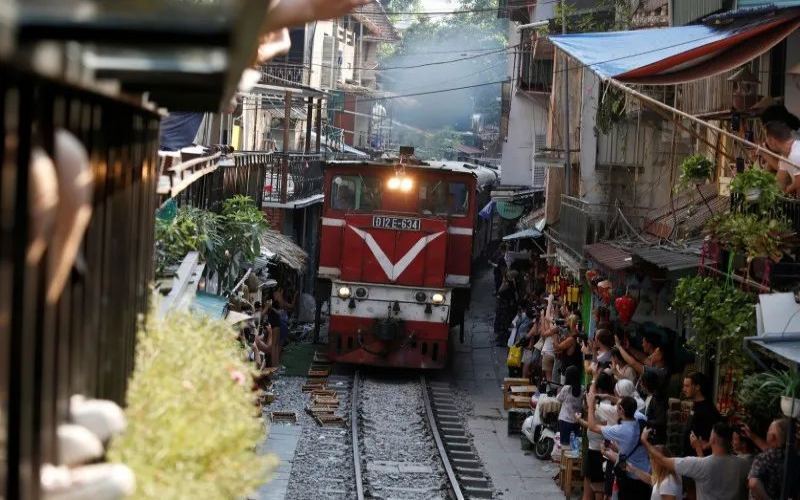
Hanoi's railway coffee street in Vietnam was shut down just days after reopening: how to balance safety hazards and tourism demand
After being closed for more than two years due to the pandemic and violations of railway safety regulations, Hanoi's Railway Coffee Street in Vietnam was forced to shut down by authorities just days after it reopened. This railway alley, which is only about one meter from people's homes, once became a popular check-in spot because tourists could drink coffee while watching trains pass through, but train drivers repeatedly had terrifying moments when tourists suddenly rushed onto the tracks. Hoan Kiem District authorities have set up barricades and revoked business licenses, leaving businesses with no choice but to close. The local government said it will study plans that balance safety and tourism needs, while tourists and netizens have been discussing the matter widely. [more…]
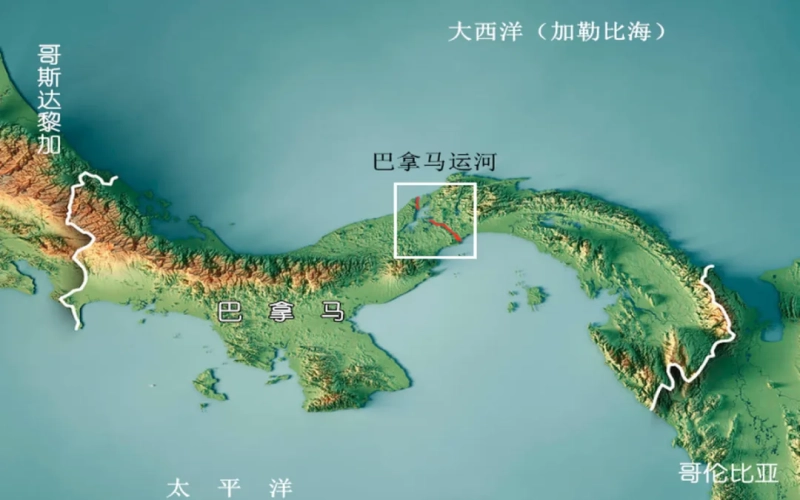
The Panama Canal is hit by drought, and the government has launched a multimodal "dry canal" plan to ease trade pressure.
The global climate anomalies triggered by El Niño continue to intensify, and the Panama Canal is facing a severe drought test. The navigation capacity of this golden waterway connecting the two oceans has declined sharply, affecting about 3% of global maritime trade, with exports of agricultural products such as coffee from Central America bearing the brunt. To alleviate canal congestion and insufficient capacity, the Panamanian government has launched a "multimodal dry canal" plan, attempting to open alternative routes using existing roads, railways, and port facilities. At the same time, the coffee tree reforestation project previously invested in by the canal authority is also progressing slowly. This article will sort out the specific impact of the drought on the canal and the coffee trade, and explain the operating concept and potential benefits of the new plan. [more…]

Guangzhou high-speed rail milk tea officially launches, 26 yuan "That Girl" cup sparks heated discussion among netizens
Catering services on high-speed trains have been continuously upgraded, and now the Guangzhou EMU group has taken the lead in launching its own milk tea brand, "That Girl," priced at 26 yuan per cup, with average daily sales reaching as high as 3,000 cups. The series offers four flavors, and the official claim is that natural ingredients are used and tea concentration and sugar content have been reduced to suit passengers' needs. However, after the product launched, it quickly trended on social media, yet was collectively criticized by netizens over its price, packaging, taste, and marketing methods. At the same time, specialty coffee brands such as Front Street Coffee are also paying attention to this crossover attempt. This article will walk you through the research and development background of high-speed rail milk tea, its market performance, and evaluations from all sides. [more…]
Brazilian Coffee Bean Brand Recommendation Guide: A Complete Analysis of Origin Flavors, Variety Characteristics, and Grading Systems
As the world's largest coffee producer, Brazil is known for its coffee with low acidity, smooth body, and balanced flavor, making it the cornerstone of espresso blends. Many of Front Street Coffee's espresso beans are based on Brazilian beans. This article systematically examines the characteristics and flavor profile of Brazilian coffee from multiple dimensions, including its historical origins, major producing regions (Sul de Minas, Cerrado, Mogiana), varieties (Bourbon, Catuai, Mundo Novo), grading systems (NY grade, cupping standards), and the pulped natural processing method. It also includes Front Street's practical brewing parameters and flavor descriptions for Brazilian coffee, helping coffee enthusiasts gain a comprehensive understanding of the unique charm of this major coffee-producing nation in the Americas. [more…]
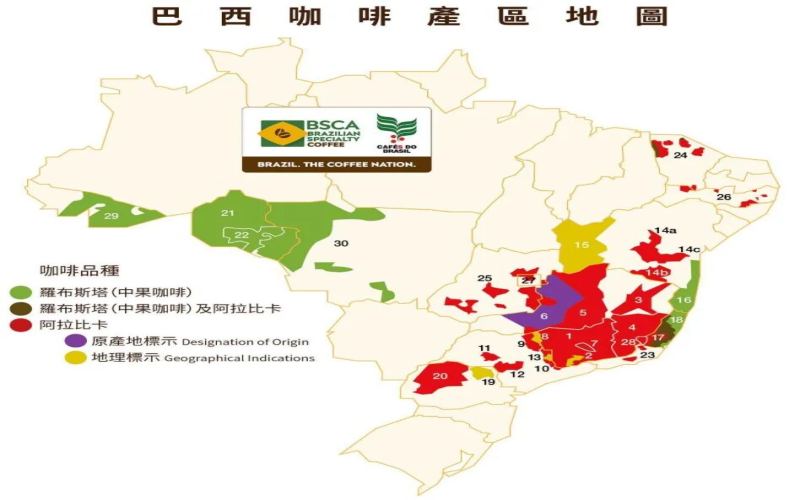
Main Coffee-Producing Regions in Brazil | What Are the Green Coffee Bean Grading Standards in Brazil? How Do You Describe the Flavor of Brazilian Coffee Beans?
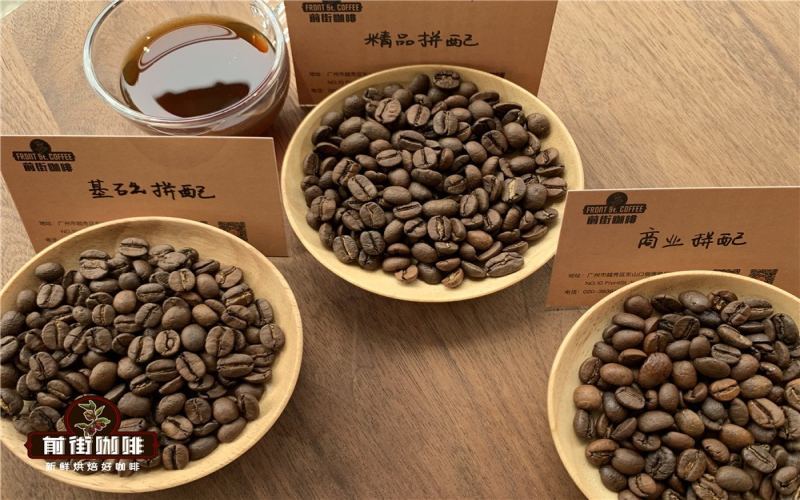
What are the characteristics of Brazilian coffee, given that Brazil is the world's largest coffee-producing country? As a South American coffee, Brazilian beans have a relatively balanced flavor, low acidity, and a smooth mouthfeel, making them very suitable for use in espresso blends. Therefore, Front Street Coffee's basic blend, specialty blend, and commercial blend all use Brazilian beans as their base beans. Brazilian coffee [more…]
A Complete Guide to Brazilian Coffee Regions: From Cultivation History to Grading System and Flavor Characteristics
As the world's largest coffee producer, Brazil is known for its coffee's balanced taste, low acidity, and good body, making it an ideal base bean for espresso blends. Several of Front Street Coffee's espresso blends use Brazilian beans as their foundation. This article will comprehensively analyze the characteristics of Brazilian coffee from multiple dimensions, including planting history, main producing regions, grading systems, variety classification, and processing methods. It will also introduce the flavor profiles and recommended brewing parameters of Front Street Coffee's Brazil Cerrado and Queen's Estate coffees, helping coffee enthusiasts gain a deeper understanding of the unique charm of this South American coffee giant. [more…]
A Complete Guide to Brazilian Coffee Brands and Specialty Varieties: From Regional Grading to Brewing Parameters
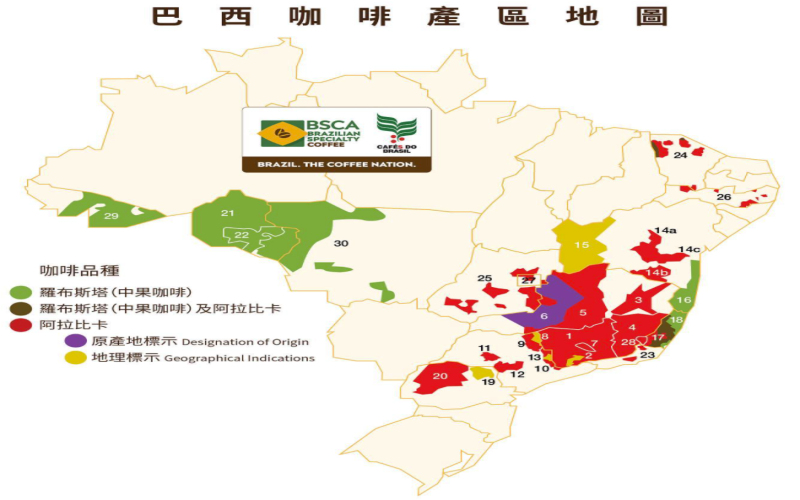
As the world's number one coffee producer, accounting for over one-third of global coffee production, Brazil's coffee landscape is far more than just commodity beans. From mechanized cultivation on flat terrain, to the two representative producing regions of Minas Gerais and São Paulo, and to classic varieties such as Red Bourbon and Yellow Bourbon, Brazilian coffee has its own unique flavor and grading logic. This article will guide you through the varietal characteristics, producing regions, and quality assessment system of Brazilian coffee, and includes Front Street Coffee's recommended pour-over parameters for Brazilian coffee, so you can easily brew a rich, balanced Brazilian flavor at home. [more…]
A Complete Guide to Brazil's Coffee Regions, Variety Characteristics, and Grading System
As the world's largest coffee producer, Brazil's coffee cultivation spans 14 states, with 7 major producing states accounting for nearly 90% of the national output. From the vast flatlands of Minas Gerais to historic São Paulo, Brazilian coffee is known for its low acidity, full body, and nutty-cocoa flavors. Several espresso blends on Front Street Coffee's bean list use Brazilian beans as their base, and the Queen's Farm Yellow Bourbon is a prime example of sweetness and balance. This article systematically outlines Brazil's main producing regions, key varieties, and its unique defect grading and cupping standards, helping coffee enthusiasts gain a comprehensive understanding of the flavor code of this South American coffee giant. [more…]
From Berlin's first coffeehouse to the world's second-largest consumer nation: the historical trajectory of German coffee culture and the Latin American cultivation landscape
In 1721, the first coffeehouse opened in Berlin, marking the beginning of Germany's coffee industry, which started slowly amid policy restrictions but rose rapidly in the 19th century through Latin American plantations and immigrant networks. German merchants once controlled more than 80 percent of Guatemala's coffee bean exports, and two world wars caused this coffee domain to rise and fall several times. After the war, Germany's economy recovered, and its position in the coffee trade was rebuilt accordingly. Today Germany is the world's second-largest coffee-consuming country, and its per capita consumption far exceeds that of the United States. This article sorts out the complete thread of German coffee culture from its budding beginnings and expansion to its revival, and is suitable for readers interested in coffee history and the industrial landscape to savor carefully. [more…]
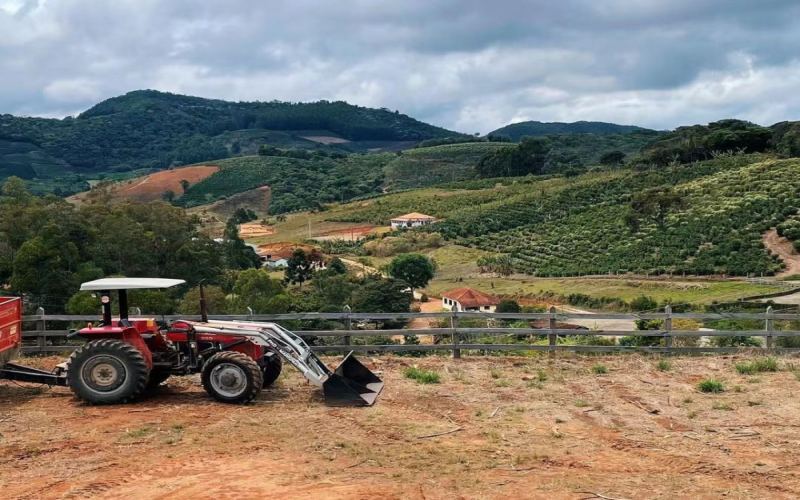
Brazilian Coffee Brand Recommendations and Detailed Guide to the Four Major Producing Regions: A Flavor Journey from Minas Gerais to São Paulo
As the world's largest coffee producer, Brazil's coffee beans are ubiquitous in specialty coffee shops and espresso blend recipes. From the perspective of Front Street, this article traces the origins of Brazilian coffee cultivation, the distribution of its main producing regions, green bean processing methods, and grading systems, while offering an in-depth analysis of the brewing approach and flavor profile of Front Street Queen Estate coffee. Whether you want to know which Brazilian coffee brand is worth trying, or want to understand the differences between regions such as Cerrado and Mogiana, this article provides a systematic and practical reference. [more…]
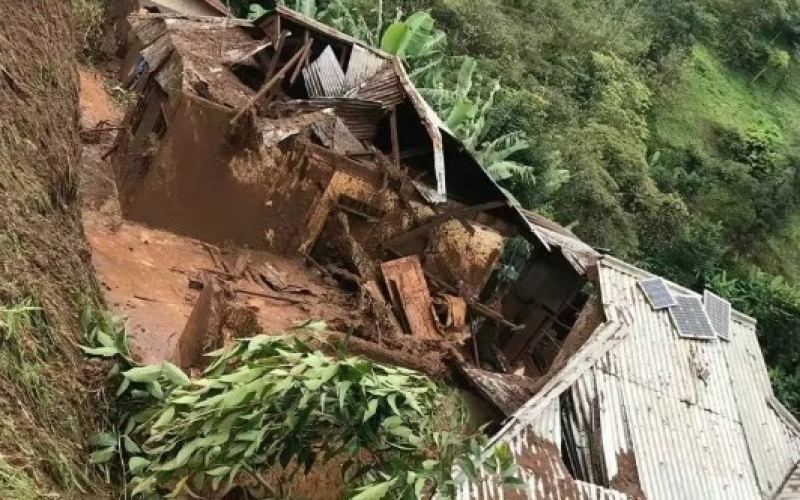
Continuous heavy rain in East Africa! Tanzanian coffee producing areas are affected.
Tanzania is located in the eastern part of Africa and has rich natural resources and a unique coffee culture. However, recently, the country of Tanzania has suffered from heavy rainfall and floods, causing casualties and large-scale damage. Local tim [more…]
Exploring the Development History and Flavor Characteristics of Brazilian Coffee Regions, with Recommendations for Front Street Coffee Red Bourbon and Queen's Estate Yellow Bourbon
Brazil is the world's largest coffee producer, accounting for more than thirty percent of the global market share, and any transport strike or extreme weather can move international coffee futures prices. This article traces the history of Brazilian coffee from its introduction in 1727 to the present, reviews how the American Revolutionary War, the Civil War, and the Great Depression profoundly shaped Brazil's coffee industry, and introduces each of its six major producing states, including Bahia, Espírito Santo, and Minas Gerais. It also draws on the Front Street Coffee bean list to analyze the flavor profiles, processing methods, and brewing recommendations of two representative coffees—Brazil Red Bourbon Semi-Washed and Queen's Estate Yellow Bourbon Natural—helping enthusiasts gain a comprehensive understanding of the unique charm of Brazilian coffee. [more…]
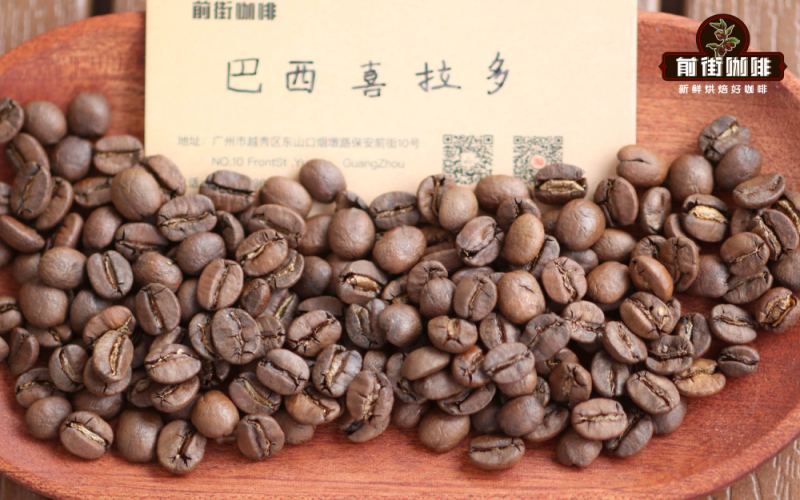
A Century of Rise and Fall in Brazilian Coffee: A Full Analysis of Regions, Processing Methods, and Flavors from Cayenne Seeds to the Global Production King
As a country that has held the top spot in global coffee exports for over a century, Brazil's influence on the specialty coffee industry is self-evident. On the bean list of almost every specialty coffee shop, you can find at least one Brazilian single-origin bean or an espresso blend based on it. In this article, Front Street will take you back through the history of Brazilian coffee, from its introduction in the 18th century to its current position accounting for nearly half of world production, sort out the terroir differences between the two representative producing regions of Minas Gerais and São Paulo, explain in detail the process flow of the pulped natural method and Brazil's unique grading system, and use Fazenda Rainha as an example to share brewing ideas and flavor performance for medium-dark roasted Brazilian beans. [more…]

A Complete Analysis of Latin American Coffee Regions: Flavor Profiles and Processing Methods of Coffee Beans from Eight Countries Including Brazil and Colombia
Latin America is one of the most important coffee-producing regions in the world. From Brazil to Colombia, from Panama to Guatemala, each country shapes a distinctively different coffee flavor profile through its unique geography and processing methods. This article systematically reviews the producing regions, bean varieties, processing methods, and cupping performance of eight major Latin American coffee-producing countries, and combines Front Street Coffee's daily drinking bean series with Front Street Coffee's brewing methods to help coffee lovers fully understand the balance and cocoa-chocolate notes of Latin American coffee. Whether you are a beginner just starting out or a seasoned enthusiast, you can find the cup that suits you. [more…]
A Complete Analysis of the Flavor Characteristics and Varieties of Latin American Single-Origin Coffee Beans: A Regional Guide from Brazil to Costa Rica
The global coffee-growing belt can be divided into three major regions: Africa, Asia-Pacific, and Latin America. Among them, Latin America is known for its mellow, balanced character reminiscent of cocoa and dark chocolate. Starting from Front Street Coffee's everyday beans series, this article systematically reviews the historical origins, variety characteristics, and processing method evolution of Latin American coffee, and interprets one by one the flavor codes of representative producing countries such as Brazil, Colombia, Panama, Costa Rica, Honduras, Jamaica Blue Mountain, and Nicaragua. The article also includes brewing parameters and flavor descriptions for specific beans such as Front Street Queen's Estate Yellow Bourbon, Sidra, Boquete Geisha, Mozart, washed Caturra, Blue Mountain No. 1, and Villalobos, providing coffee lovers with a guide to Latin American coffee that is both informative and practical. [more…]