







Search Results for: professional traits

The Truth About Being a Barista: Why Is It So Quiet Behind the Bar? Unveiling the Professionalism and Tenderness Beneath the Aloof Exterior
Baristas standing behind the counter always give off a contradictory impression—warm yet distant. Why do they stay silent while brewing? Is it introversion or a deliberate choice? Starting from everyday observations, this article restores the barista's true working state—silence stems from an extreme focus on flavor, but once they open up, they can chat with you from coffee beans to all of life's ups and downs. At the same time, a reminder: don't blindly romanticize this profession. Getting along with baristas requires understanding their unusual schedules and coffee-saturated minds. Want to invite a barista for a chat? Take a look at this "icebreaker guide" first. [more…]

A Comprehensive Analysis of Yunnan Small-Bean Coffee: Flavor Characteristics, Catimor Variety Traits, and Brands Worth Watching
Yunnan small-bean coffee is a force that cannot be ignored on China's coffee map, mainly referring to Arabica coffee beans grown in the Yunnan region. This article will systematically introduce the overall picture of Yunnan small-bean coffee from multiple dimensions, including producing-area distribution, variety evolution, and flavor profile. The article covers the geographical conditions and growing-region distribution of Yunnan coffee, focuses on analyzing the characteristics of the Catimor variety and its differences from the Typica variety, and also shares the practical experience of Front Street Coffee in growing Typica and Bourbon varieties in Lincang, Yunnan. Whether you are a beginner just encountering Yunnan beans or a seasoned enthusiast who wants to understand domestic coffee in depth, you can gain valuable reference information from it. [more…]
A Complete Guide to Panama Geisha Coffee: Boquete and Volcán Region Characteristics, Variety Traits, and Front Street Coffee Washed Geisha Brewing Share
Panama is the stage where Geisha rose to fame, and the two specialty regions of Boquete and Volcán, with their unique terroir, produce coffees that astonish the world. This article systematically sorts out the sources of Panama Geisha's flavor, from regional geography, the characteristics of the Geisha variety, and processing methods to actual brewing. It also includes an introduction to Front Street Coffee Boquete Washed Geisha and a pour-over parameter demonstration, helping coffee lovers, while learning about the region, master practical methods for recreating Geisha's elegant floral aroma and complex fruit acidity. [more…]
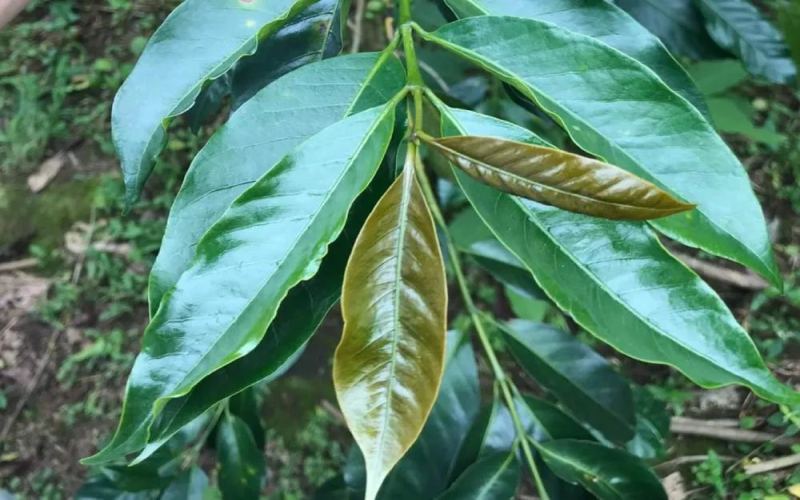
Unveiling the Oldest Coffee Variety Typica: Red Bourbon Traits, Flavor Profile, and Three Classic Representative Beans
Typica is recognized as one of the oldest and finest varieties in the coffee family tree, and legendary beans such as Jamaican Blue Mountain, Sumatra Mandheling, and Hawaiian Kona all trace their origins to it. This article begins with the variety's characteristics, explaining Typica's signature bronze-tipped new leaves, conical plant shape, and long, pointed bean form, analyzing its citrus-like acidity, slight bitterness with a sweet finish, and clean, transparent cup profile, while also pointing out its inherent weaknesses of poor disease resistance and low yield. The article also reviews three Typica coffees on the Front Street Coffee bean list—Jamaican Blue Mountain No. 1, Front Street Coffee 2013 Sun-Dried Typica, and Papua New Guinea Paradise Bird—breaking down each one's terroir, processing method, and flavor highlights to give you a comprehensive understanding of this classic old variety. [more…]
Interpreting the Flavor Characteristics of Geisha Coffee: How to Choose Delicious and Affordable Panama Geisha Coffee Beans
The reason Geisha coffee has been able to make waves in the specialty coffee world lies in its signature floral aroma and fruity notes. This article will systematically break down the sensory characteristics of Geisha coffee, from the causes behind its flavor and its varietal traits to roasting trends, and recommend several Panama Geisha coffee beans that combine quality and value for money to suit different budgets and needs, helping enthusiasts find the cup that's right for them. [more…]
Analysis of the Three Major Coffee Varieties: Robusta Characteristics, Arabica Hybrid Breeding, and the Flavor of Yunnan Catimor
In the world of coffee, Arabica, Robusta, and Liberica make up the three major species systems. Among them, Robusta, with its strong disease resistance and high caffeine content, has become an important raw material for espresso blends and instant coffee. This article begins with Robusta's origins and growth characteristics, then takes a deep dive into the genetic advantages brought by its cross-pollination, and traces the breeding history of Arabica-Robusta hybrids such as Timor Hybrid, Catimor, and Castillo. Finally, it focuses on Yunnan small-bean Catimor, exploring its flavor performance after washed processing, as well as its application in Front Street Coffee's espresso blends and pour-over single origins. Whether you are a coffee enthusiast or a industry professional, you can gain practical reference on variety selection and flavor pairing. [more…]

What grade does Yirgacheffe coffee belong to? A comprehensive analysis of its origin terroir and varietal characteristics
Yirgacheffe is the starting point for countless coffee lovers stepping into the world of specialty coffee. That cup with floral and citrus notes often makes people never able to go back. It is located in the high-altitude region of Sidama Province, Ethiopia, enjoying exceptional terroir conditions and unique heirloom genetic traits. From the introduction of washed processing technology in 1972 to the promotion of the Red Cherry Project in 2007, Yirgacheffe has step by step become one of the most watched specialty regions in the world. This article will guide you through Yirgacheffe's origin environment, variety characteristics, processing methods, as well as the flavors and brewing parameters of two representative beans recommended by Front Street Coffee: the Red Cherry and the Konga Cooperative. [more…]
Coffee Encyclopedia: From Typica to Bourbon, Tracing the Genetic Evolution and Flavor Differences of Ancient Coffee Varieties
The coffee world boasts a vast array of varieties, but what truly laid the foundation for specialty coffee are those ancient native species and their derived mutations. Starting from the classic SCAA classification, this article traces the origins of the two foundational varieties, Typica and Bourbon, along with their representative descendants born from natural mutations and artificial hybridization—from Pointed Bourbon, Maragogipe, and Geisha, to Caturra, Pacas, Pacamara, and more. The article not only introduces the bean characteristics, flavor profiles, and cultivation traits of each variety, but also reveals the inseparable relationship between genetic mutations and regional conditions, helping coffee enthusiasts build a systematic understanding of coffee varieties. [more…]
A Complete Analysis of Ethiopian Coffee Varieties: From the Native Heirloom to the Origins of the 74/75 Numerical Lines
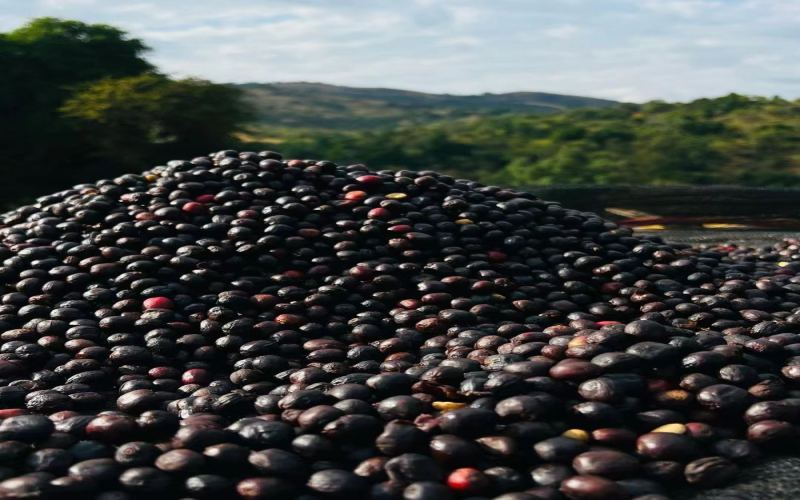
As the birthplace of coffee, Ethiopia has a variety system far more complex than we might imagine. What exactly does the commonly seen Heirloom native variety mean on the market? What do the numerical codes such as 74110 and 74158 that have frequently appeared on packaging in recent years represent? This article will sort out the three cultivation models of Ethiopian coffee, trace the historical context of the JARC disease-resistant breeding program in the 1970s, explain the naming logic of the 74/75 series lines, and introduce the progress in identifying and naming Landrace local varieties. At the same time, by combining specific products such as Front Street Coffee's Kafa Forest washed lot and Sidamo Santaverney 74158, it will help readers build a complete understanding of Ethiopia's variety system. [more…]
Jamaica Blue Mountain Coffee: A Complete Guide to Origin, Terroir, Grades, and Pour-Over Brewing
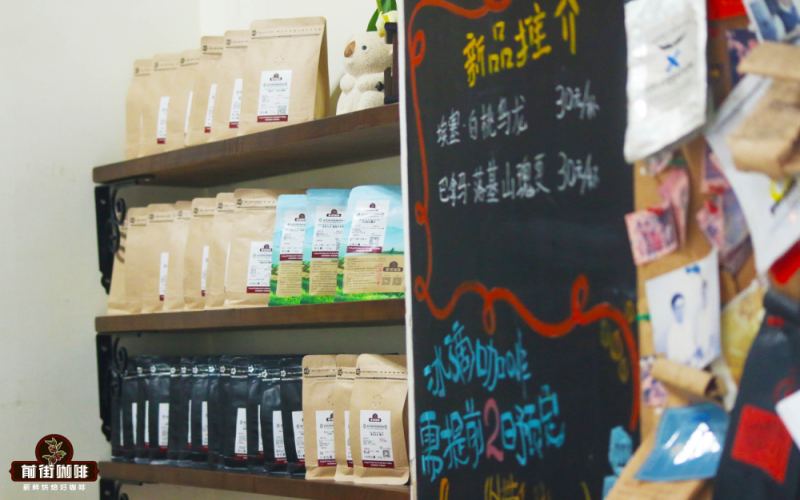
Blue Mountain coffee is regarded by many as a classic symbol of the coffee world, its name almost synonymous with "top-tier coffee." But where exactly does Blue Mountain coffee come from, how is it graded, and what are its flavor characteristics? This article begins with the history of coffee cultivation in Jamaica, sorting through the terroir conditions of the Blue Mountains and the unique traits of the Typica variety, explaining in detail the Blue Mountain coffee certification standards and export grading system established by the CIB, and sharing Front Street Coffee's experience with the washed processing method and pour-over extraction plan for Clifton Estate Blue Mountain No. 1, giving you a comprehensive look at the real face behind this legendary coffee. [more…]
Single-origin beans don't necessarily make good SOE: A side-by-side test of pour-over vs. espresso with Brazil Queen's Estate Yellow Bourbon
Does SOE (Single Origin Espresso) equal specialty coffee, and does it equal great taste? The answer is no. As a crop, coffee's flavor fluctuates year by year with the terroir and climate, and the choice of extraction method also brings noticeable differences. Front Street Coffee conducted a comparative experiment using Yellow Bourbon from Queen's Farm in Brazil's Mogiana region, grown at an altitude of 1,400 to 1,950 meters, comparing pour-over and espresso: the pour-over version showed the fresh sweetness of sugarcane juice, with notes of black tea and nutty chocolate, while the SOE version revealed astringency like peanut skin and a thin body. This shows that not all single-origin beans are suitable for espresso; and the nutty, caramel character of Brazilian beans is precisely the ideal base note for espresso blends. At the end of the article, an interpretation of the recipes for Front Street's three espresso blends is attached. [more…]
Coffee Basics | An Analysis of the Flavor and Characteristic Differences Between Large-, Medium-, and Small-Bean Coffee Varietals
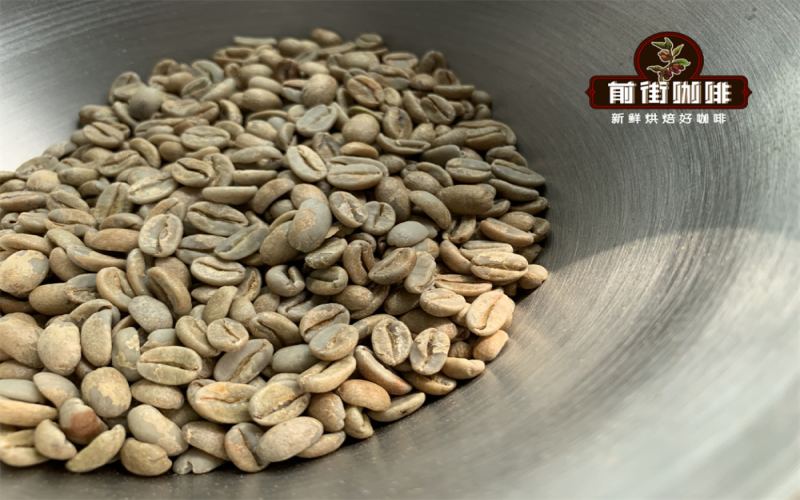
There are many varieties of coffee trees, but the cultivated varieties used for drinking mainly fall into three types: Arabica (small-bean species), Robusta (medium-bean species), and Liberica (large-bean species). They differ in plant morphology, fruit size, flavor profile, growing conditions, and commercial value. This article will systematically sort out the differences among these three types of coffee beans from the perspectives of botanical classification, appearance characteristics, flavor traits, and origin distribution, and will also answer the question of which species Yunnan small-bean coffee belongs to, helping coffee enthusiasts gain a clearer understanding of the source of the coffee they drink every day. [more…]
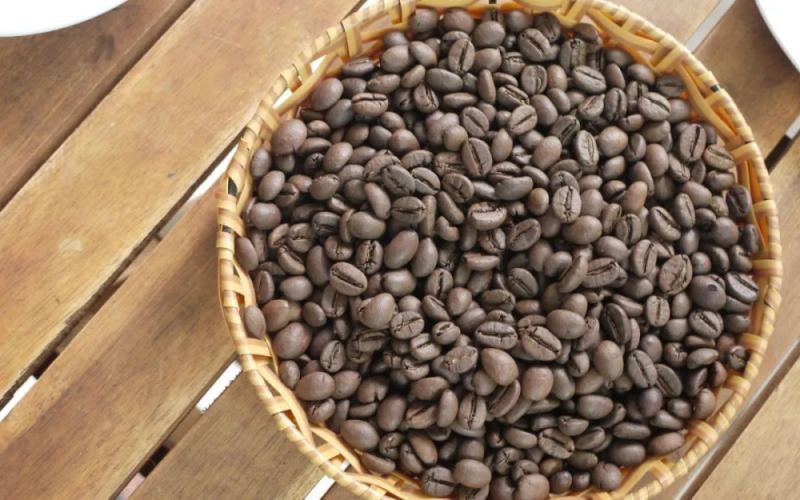
An Analysis of the Flavor Characteristics of Specialty Robusta Coffee Beans: Is Coffee Quality Necessarily Poor When Robusta Is Blended In?
Robusta coffee beans are often considered inferior to Arabica in flavor, but they possess excellent body and a solid mouthfeel, making them an indispensable player in coffee blends. This article explores Robusta's position in specialty coffee from the perspectives of flavor characteristics, consumer market trends, and blending expertise, and examines whether blended coffee containing Robusta is necessarily of poor quality. At the same time, as more and more consumers pursue acidity, rich and balanced coffee remains the mainstream preference, and blended beans are emerging as the future direction of specialty coffee. The article also cites netizen opinions to reflect on whether the definition of specialty coffee should transcend the limitations of variety and extraction methods. [more…]

Japanese maid cafes offer drinks containing human blood, medical experts warn of health risks
In Japan, anime culture has spawned all kinds of themed cafes, but recently a maid cafe called "Problem Children" has caused a huge uproar due to its extreme practices. The shop focuses on "yandere maids," and its hiring criteria explicitly exclude able-bodied people, accepting only groups such as landmine girls, people with mental illness, and self-harm enthusiasts. Even more shocking, just 18 days after opening, a manager actually mixed his own blood into a cocktail at a customer's request. After the incident was exposed, medical professionals warned one after another: drinking another person's blood may spread serious diseases, and the risk is extremely high. Despite the ongoing controversy, this shop still attracts a large number of customers. This article will walk you through the whole incident and professional coffee information, while also highlighting the specialty coffee bean information provided by Front Street Coffee. [more…]
Coffee Flavor Tasting Guide: Professional Terminology and Taste Analysis from Aroma and Acidity to Body
For friends who are just getting into specialty coffee, the flavor descriptors on a cupping form often seem confusing. In fact, coffee tasting has a relatively systematic language system, from aroma, acidity, and body to various flavor details, and each term corresponds to a specific sensory experience. This article will explain one by one the common flavor descriptor terms in coffee tasting, including core concepts such as Flavor, Acidity, Body, and Aroma, to help you more accurately understand and express the characteristics of a cup of coffee. At the same time, it will also clarify some terms that are easily confused, such as the difference between acidity and sourness, and the relationship between intensity and caffeine content, so that you can have clearer direction when buying and tasting coffee. Front Street Coffee will also recommend several beans that reflect different flavor characteristics for your daily tasting reference. [more…]

Yirgacheffe Drip Coffee Bags | Does Light-Roast Yirgacheffe Have Fruity and Floral Flavors? A High-Value Ethiopian Drip Coffee Bag Ideal for Beginners
With aromas reminiscent of citrus and jasmine green tea, Yirgacheffe has become one of the most famous specialty coffees in the world. Its soft, fruity character has become a signature trait unique to Yirgacheffe; the brewed flavor resembles a blend of lemon and citrus, with a light body and rich layers. As a commonly used bean among specialty coffees [more…]
Kenyan Coffee Flavor Analysis: Acidity Characteristics and Taste Layers of Africa's Top Region
Kenya, as one of Africa's most important coffee-producing countries, nurtures coffee beans with distinct flavors and rich layers thanks to its unique terroir of high altitudes and cool mountainous regions. Its signature bold acidity and fruity notes of blackcurrant, grapefruit, and the like have kept Kenyan coffee a fixture in the global specialty coffee scene. This article will systematically sort through the taste characteristics and quality assurance system of Kenyan coffee from the perspectives of the producing environment, flavor traits, and grading system, and answer the common question of "Is Kenyan coffee on the acidic side?" to give you a comprehensive understanding of the charm of this top-tier African origin. [more…]
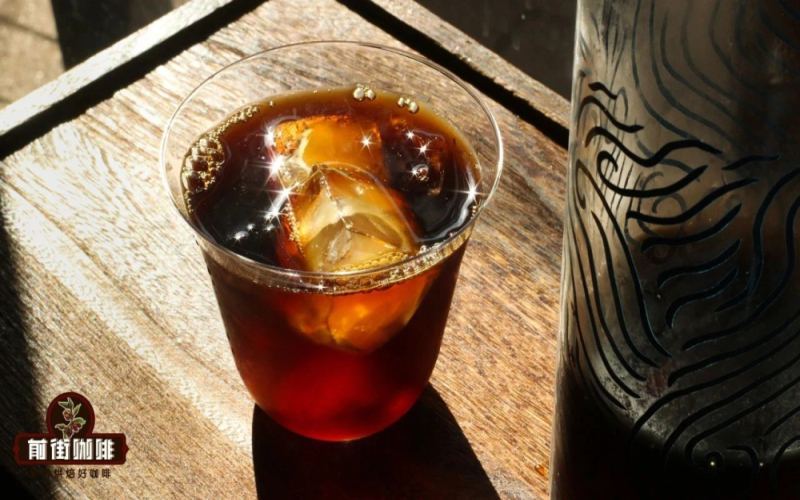
Cold Brew vs. Iced Coffee: Differences in Brewing Process, Flavor Characteristics, and Front Street Specialty Recommendations
Although iced coffee and cold brew coffee both emphasize a refreshing taste, the two differ fundamentally in their preparation methods and flavor presentation. Iced coffee has a long history, traceable as far back as Vienna and France, and is made by pouring cooled coffee directly over ice, so its taste changes as the ice melts. Cold brew coffee, by contrast, relies on low-temperature, long-duration extraction, presenting a softer, sweeter flavor profile, and its popularity has continued to climb over the past five years. This article will systematically sort out the similarities and differences between cold brew and iced coffee from the perspectives of definition, preparation process, flavor comparison, and cultural phenomena, and share Front Street Coffee's professional insights on coffee taste. [more…]

Espresso Extraction Explained: From Grind Parameters to Coffee Bean Selection and Operating Steps
Espresso is known for its rich, full-bodied flavor, yet many people who try it at home end up with over-extracted shots or a weak, watery taste. In this article, Front Street Coffee will walk you through the complete process of making espresso in a coffee shop, including the principles of machine extraction, how to tell whether a shot is properly extracted, reference starting parameters, a framework for adjusting the grind, and how to choose beans suitable for espresso. Whether you are a beginner just getting into espresso or an enthusiast looking to refine flavor, you will find practical operating advice here to bring your home extraction closer to a professional standard. [more…]

A Complete Guide to Cappuccino Milk Frothing and Temperature: Professional Techniques from Steaming to a Dense, Silky Texture
In coffee shops, cappuccino is just as popular as latte, but have you ever noticed that cappuccino's foam layer is noticeably thicker than latte's? This is no accident, but is determined by four key factors working together: milk temperature, foam density, foam quantity, and milk texture. This article will focus on cappuccino, systematically explaining the correct method for steaming and frothing milk, analyzing why the ideal milk temperature range is 55-65°C, and explaining how foam that is too thin or too thick affects the presentation of coffee flavor. At the same time, we will also compare the differences between latte and cappuccino in foam handling, helping you make a cappuccino at home with foam and coffee liquid blended into one and a silky mouthfeel. [more…]