







What Makes Typica Coffee a Founding Variety?
Typica coffee is recognized as one of the oldest premium varieties in the coffee family tree, and well-known beans such as Jamaica Blue Mountain, Sumatra Mandheling and Hawaii Kona trace their roots back to it. Its cup is clean and transparent, with citrus acidity and a slight bitterness that finishes sweet.
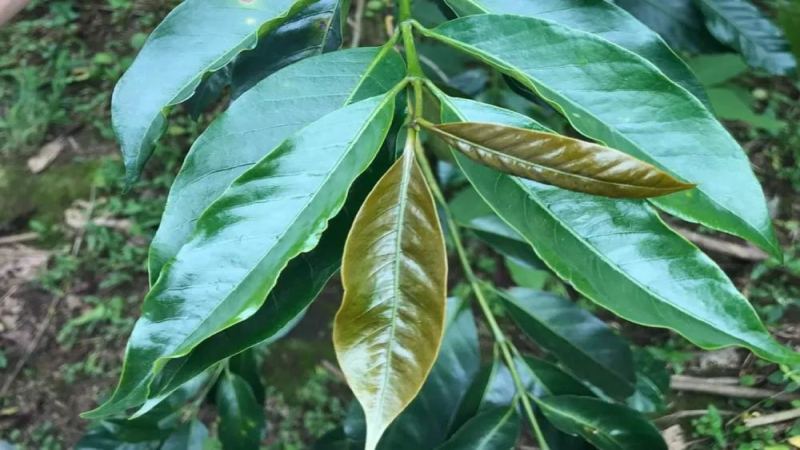
The plant is conical with a slender, tall trunk and thin, flexible branches, and its new leaves carry a bronze-red tint, which earned it the name Red-Top Coffee. Typica resists disease poorly and yields little, so producing clean green beans demands strict control from terroir and cherry harvesting through post-processing.
Typica is recognized as one of the oldest premium varieties in the coffee family tree, and legendary beans such as Jamaica Blue Mountain, Sumatra Mandheling, and Hawaii Kona all trace their roots back to it. This article starts with the variety's characteristics, explaining Typica's signature bronze-tinted new leaves at the top, its conical plant shape, and its long, pointed bean shape. It also analyzes its citrus acidity, slight bitterness with a sweet finish, and clean, transparent cup profile, while pointing out its inherent weaknesses: poor disease resistance and low yield. The article also reviews three Typica offerings on the Front Street coffee list—Jamaica Blue Mountain No. 1, Front Street 2013 Sun-Dried Typica, and Papua New Guinea's Bird of Paradise—breaking down each one's terroir, processing method, and flavor highlights, giving you a comprehensive understanding of this classic old variety.
In the coffee family tree, Typica is recognized as a founding premium variety, and world-renowned beans such as Jamaica Blue Mountain, Sumatra Mandheling, and Hawaii Kona all carry its legacy. What exactly makes this "living fossil" of the coffee world so unique?
Characteristics of the Typica Variety
Typica, known for its rich aroma, is a high-quality coffee variety still cultivated in many producing regions around the world, with Jamaica Blue Mountain being the most famous. Growing clean, elegant Typica green beans is no easy task—from innate terroir, plant care, and cherry harvesting to post-processing, every step must be strictly controlled for the beans to develop positive, appealing flavors and mouthfeel. In other words, high-quality Typica requires greater labor investment and technical expertise, which is exactly why Blue Mountain and Kona command such high prices.
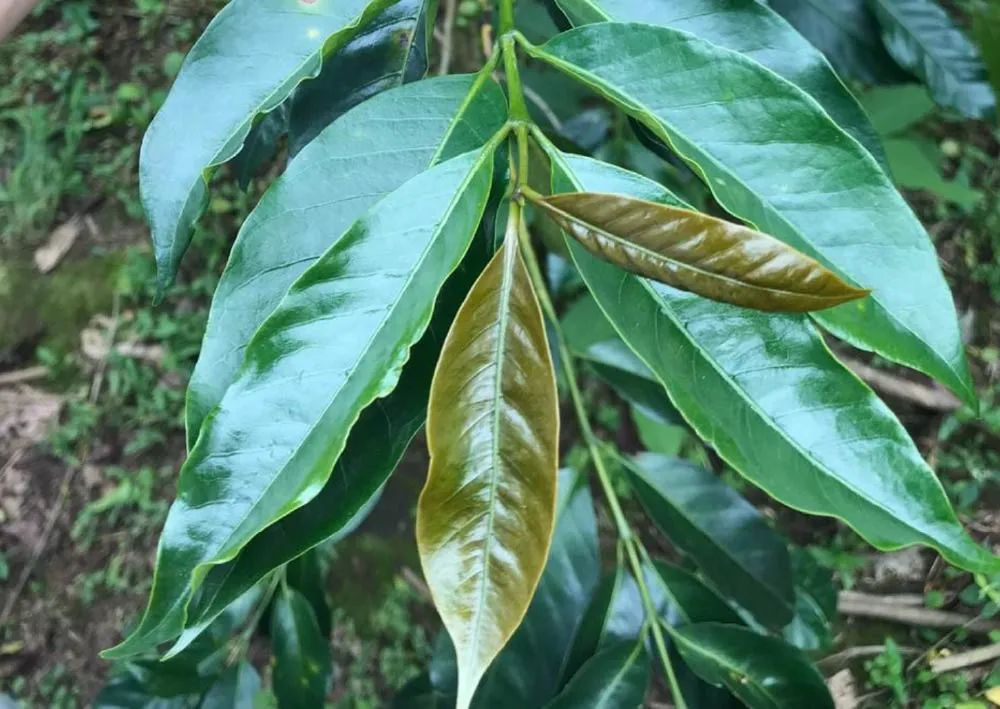
Typica's most iconic identifying feature is the bronze-red tint on the leaves at the tips of new growth, which is why it is also called "Red-Top Coffee." The plant has an overall conical shape, with branches slightly angled, forming a 50-70° angle between lateral branches and the vertical trunk. Its trunk is slender and tall, the branches thin and flexible, and with its tall stature and wide branch spread, ample spacing must be left between plants during cultivation. There happens to be a Typica planted next to Front Street's Dongshankou location—passersby might want to take a closer look.
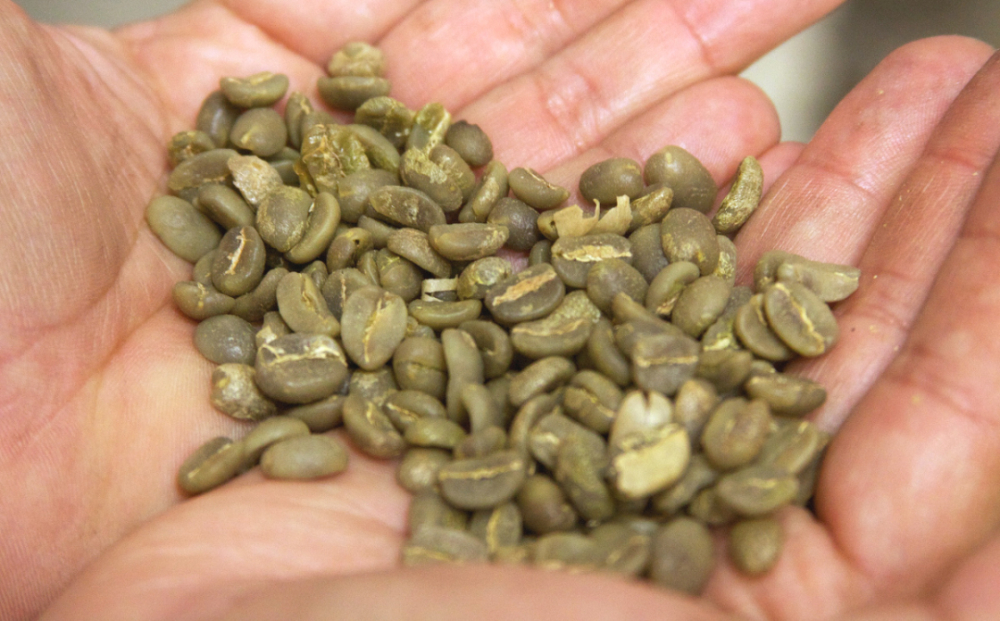
In terms of bean appearance, Typica green beans are relatively large and elongated, with pointed, slightly upturned ends, somewhat resembling an egg in shape. After roasting, it often presents citrus-like acidity, with very mild bitterness, a sweet, moist finish, and a clean, transparent cup—many people describe its flavor character as "elegant and luminous."
Unfortunately, Typica's disease resistance is quite fragile, leaving it nearly helpless against common diseases such as leaf rust and berry disease, and its yield is equally sparse. Leaf rust is one of the most devastating threats to coffee plants; it first appeared in 1861 in coffee-growing areas around Lake Victoria in East Africa. In 1970, an outbreak struck Bahia state in Brazil, and afterward coffee-producing regions around the world fell victim one after another. Once a coffee tree is infected with leaf rust, it is essentially sentenced to a terminal illness, eventually withering and dying. Coffee is ultimately a cash crop, and Typica—low-yielding and disease-prone—struggles to generate profit for growers, so many choose to abandon it and plant other varieties with stronger disease resistance.
On Front Street's regular bean list, Typica occupies three spots: Jamaica Blue Mountain No. 1, Front Street 2013 Sun-Dried Typica, and Papua New Guinea's Bird of Paradise. With different terroir conditions and processing methods, Typica reveals strikingly different tastes and flavors.
Jamaica Blue Mountain No. 1: A Legend Born of Island Terroir
Blue Mountain coffee owes its outstanding quality in no small part to the innate advantages of its growing environment. The Blue Mountain range is surrounded on all sides by the Caribbean Sea, creating a unique tropical rainforest island microclimate: rainy season precipitation is concentrated with smooth drainage; volcanic ash deposits from active volcanoes give the soil abundant nutrients, so coffee trees basically need no additional irrigation or fertilization. There is ample sunshine year-round, the mountains are perpetually shrouded in mist, and the cool climate brought by high altitude nourishes all kinds of crops. Locals habitually plant coffee trees alongside banana trees on the Blue Mountain slopes.
To protect this golden brand, the CIB designated approximately 6,000 hectares of legally defined production area within the Blue Mountain range and set strict limits: only Typica coffee from this region is eligible to bear the name "Blue Mountain Coffee." According to the boundaries drawn by the CIB, Blue Mountain coffee's growing belt lies between 910 and 1,700 meters in elevation. High altitude combined with the perfect climate encourages coffee cherries to fully absorb essential nutrients and convert them into various aromatic compounds. The higher the elevation of the production area, the more outstanding Typica's flavor expression.
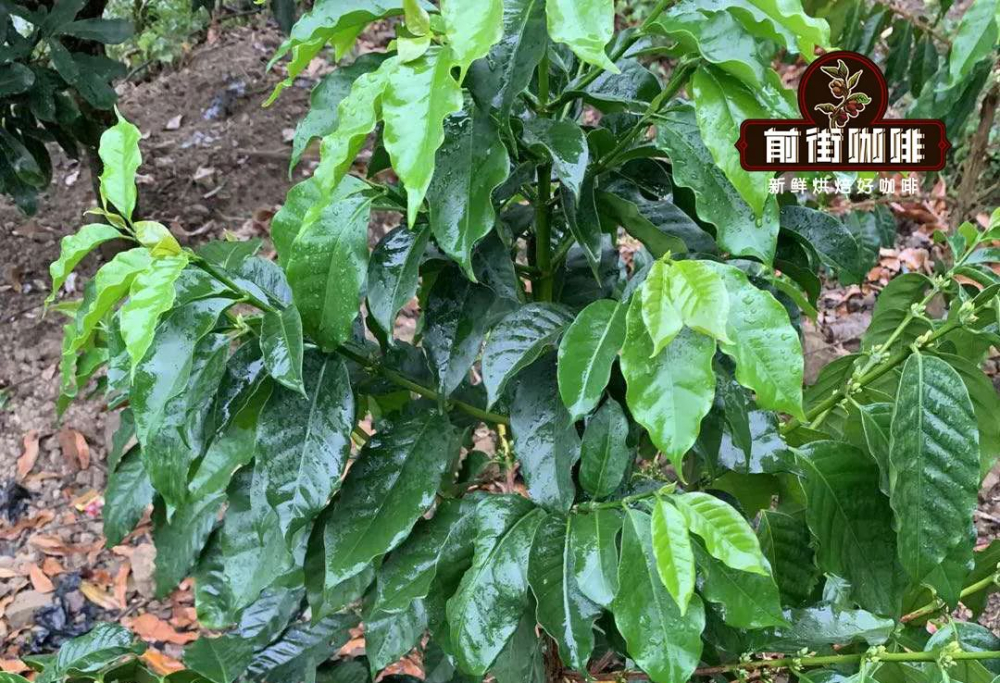
However, Typica is inherently frail and disease-prone, with poor resistance, and its limited yield per tree means more manpower is needed for careful tending. Furthermore, the high-altitude terrain of the Blue Mountains is rugged, making field management and cherry harvesting quite difficult and demanding extremely high skill from pickers, which further limits production. In recent years, less than 15% of coffee beans produced in Jamaica can bear the Blue Mountain label, totaling about 900 tons. After harvesting, cherries are sent to the processing plant immediately, where the washed method removes the skin and pulp before drying.
The batch of Jamaica Blue Mountain No. 1 green beans that Front Street purchased has plump, uniform beans of consistent size, with a clear blue-green color throughout. A medium-dark roast is used to release Blue Mountain's signature chocolate and nut aromas as much as possible while preserving soft acidity and sweetness, bringing the overall flavor toward balance.
After the new batch was roasted, Front Street immediately arranged a cupping: the dry fragrance revealed nuts, melon, and chocolate, while after pouring water and brewing, notes of caramel, honey, oolong tea, and dark chocolate emerged. On the palate, rich flavors of dark chocolate, roasted hazelnut, cream, and brown sugar interweave, with a clean, bright flavor, excellent body, and a long-lasting finish.
Yunnan Sun-Dried Typica: Front Street 2013
The earliest coffee planted in Yunnan was the ancient Typica and Bourbon varieties. Later, leaf rust swept across the globe and reached Yunnan, causing coffee trees to wither en masse and cultivation scale to shrink dramatically. Afterward, with support from several foreign enterprises, the high-yield, disease-resistant Catimor was introduced and gradually replaced old varieties like Typica, taking the position of Yunnan coffee's dominant variety. Typica's low yield, disease susceptibility, and high maintenance costs mean growers must endure a much longer exploratory cycle, which is why most Yunnan coffee farmers are deterred from planting it.
Lincang is influenced by both the warm, humid Indian Ocean airflow and the southwest monsoon, blurring the boundaries between the four seasons while creating a clear distinction between dry and wet seasons: abundant rainfall, ample sunshine, brief frost periods—some areas even frost-free year-round—with distinct vertical climate characteristics, making it an ideal place for growing Arabica coffee. Front Street therefore specifically selected the most original Typica to take root here. However, this "delicate" variety's reputation for low yield and frailty is well known, and Front Street put considerable effort into planting and management. After 5-6 years of careful cultivation, the first harvest finally arrived in 2020, processed using the natural sun-dried method and named "Front Street 2013."
The Yunnan coffee beans on Front Street's list offer only two processing options: washed and sun-dried, and this Typica chose the latter. The sun-dried process requires little equipment—just spreading the cherries evenly under consecutive sunny days until dry. After picking, cherries must be processed immediately: first sorted, with floatation being a common preliminary screening method, and the sorted cherries are then spread out under the sun to dry. Front Street assigns dedicated staff to turn the piles at regular intervals to prevent uneven heating and over-fermentation. Once the coffee cherries dehydrate, turning from bright red to dark purple and reaching the target moisture content, they are sent for hulling and roasting. The sun-dried Typica has a fuller fermented flavor than the washed version, with particularly pronounced sweetness and aromas of caramel, berries, and black tea.
Bird of Paradise Coffee Beans: Papua New Guinea's "Little Blue Mountain"
Papua New Guinea is located in Oceania, neighboring the well-known coffee-producing country of Indonesia. Papua officially introduced Typica seeds from Jamaica's Blue Mountain region in 1920, taking the first step toward commercial cultivation. The country happens to sit on the Pacific Ring of Fire, and its volcanic geology gives it deep, fertile volcanic soil, while highland mountain climates coexist with lowland tropical rainforest climates, together creating excellent conditions for growing premium coffee.
Front Street's Bird of Paradise beans are produced by the SIGRI Estate, processed using the washed method, and named after Papua's national bird. The estate is located in the Waghi Valley of the Western Highlands, where volcanic soil is rich in minerals, the climate is cool and pleasant, the soil fertile, and rainfall abundant; the entire estate adheres to organic fertilization management. With strict, standardized cultivation and production standards, the Typica here has a particularly clean cup profile; combined with soft, low acidity and a balanced flavor structure, Bird of Paradise has earned the nickname "Little Blue Mountain."
Through cupping comparisons, Front Street found that Bird of Paradise's sweet-sour-bitter structure shares a balanced charm with Jamaica Blue Mountain, with a faint hint of spice, while its clean, sweet finish is reminiscent of sugarcane, and its roasted bread and nut flavors are especially prominent.
To discuss professional coffee knowledge and stay informed about more coffee bean information, welcome to follow Coffee Workshop (WeChat public account: cafe_style); to purchase more specialty coffee beans, add Front Street Coffee's personal WeChat: qjcoffeex.
The above content is compiled by CoffeeHunters, a coffee news website.


