







How Does an Arabica Coffee Bean Affect Espresso Extraction?
Espresso extraction forces roughly 94°C water at 9 to 10 bar through a finely ground, compacted coffee bed, producing a viscous liquid in about 25 to 30 seconds. The flow starts brownish-red and shifts to golden and then pale yellow. Over-extracted shots taste harsh or burnt, while weak, watery shots point to too coarse a grind or too little coffee.
Grind finer when the shot runs fast and tastes thin, and coarser when it runs slow and bitter. A quality arabica coffee bean with a medium or medium-dark roast gives enough soluble material and sweetness for pressure-based brewing. Weigh the dose, keep it consistent, and adjust one variable at a time. Front Street Coffee publishes full starting parameters for home setups.
Espresso is renowned for its rich, full-bodied flavor, yet many people who try it at home end up with over-extracted shots or a weak, watery taste. In this article, Front Street Coffee will systematically walk you through the complete process of making espresso as done in coffee shops, including the principles of machine extraction, how to tell whether extraction is on point, reference starting parameters, approaches to grind adjustment, and choosing beans suitable for espresso. Whether you're a beginner just getting into espresso or an enthusiast looking to refine flavor, you'll find practical operating tips here to bring home extraction closer to professional standards.
For more specialty coffee knowledge, please follow our WeChat official account: Front Street Coffee (FrontStreet Coffee)
Espresso is extremely well known among coffee categories worldwide, and its signature trait is a flavor that is intense, full-bodied, and far more concentrated than other brewing methods. Quite a few friends report that no matter how they brew at home, they can't reach the concentration of what coffee shops produce, and sometimes they even get a burnt, scorched taste. Today, Front Street Coffee will walk you through exactly how coffee shops extract espresso.
How do you extract espresso?
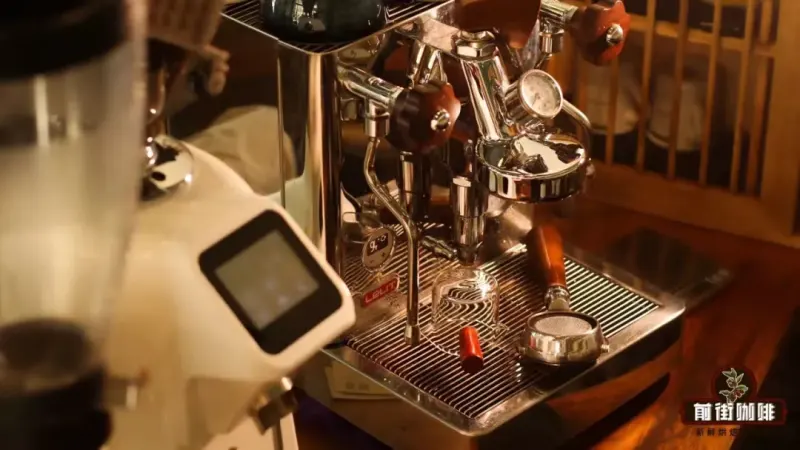
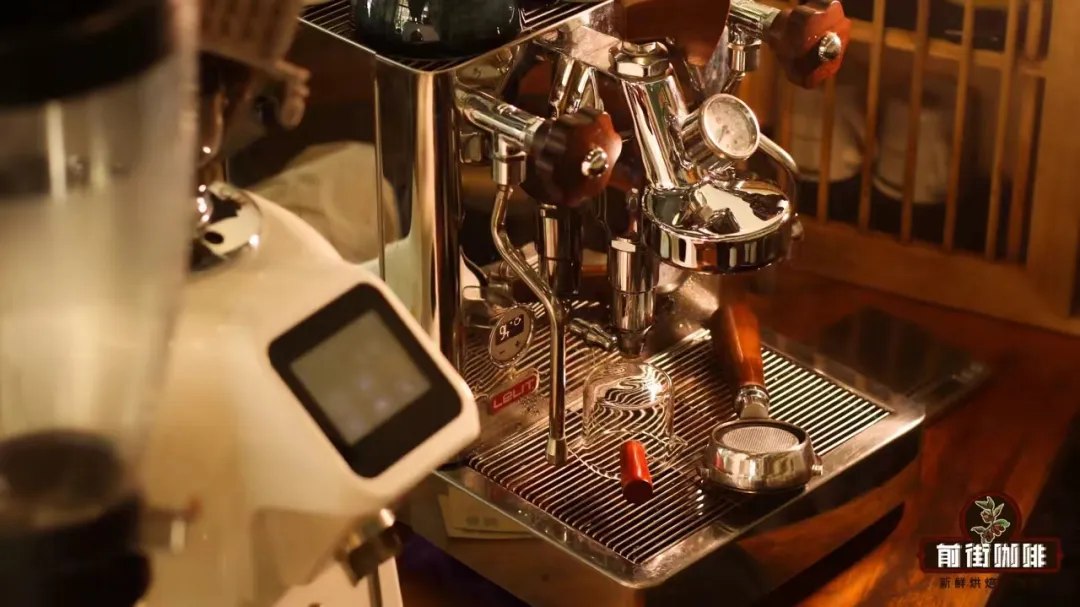
First, let's be clear about one thing: espresso is not made by directly boiling coffee grounds in water, nor is it made by reheating and concentrating already-brewed coffee liquid. Making espresso requires dedicated equipment—namely, the espresso machine in a coffee shop that can shoot out steam.
The working principle of an espresso machine is to heat the water in the boiler to turn it into steam, then use the pressure formed by the steam to force roughly 94°C hot water at 9 to 10 bar of pressure rapidly through a bed of extremely finely ground coffee, producing a coffee liquid with a texture as viscous as honey.
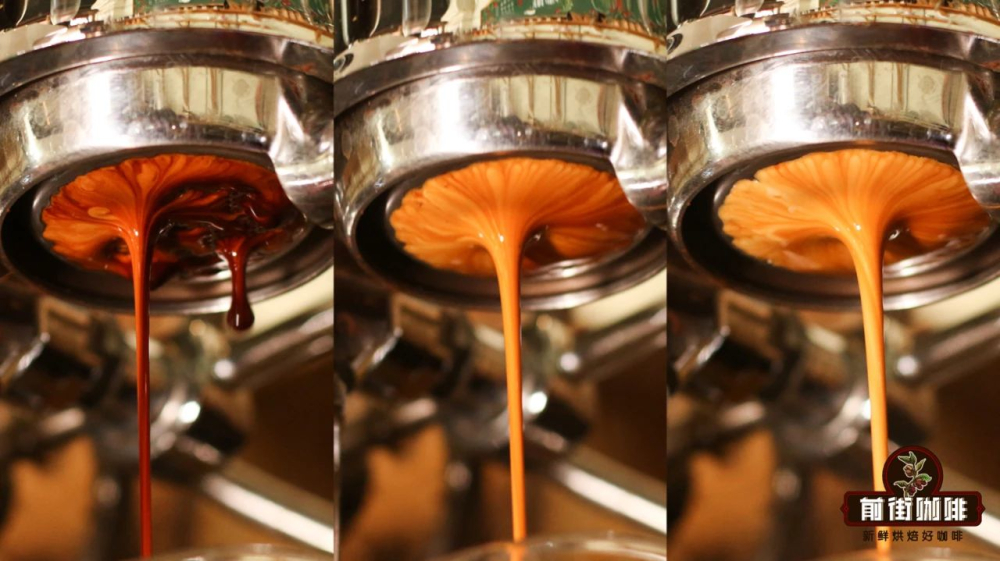
At the very start of extraction, the coffee liquid flowing out is brownish-red, with a rich, silky texture. As extraction progresses, the color of the liquid gradually shifts to golden yellow, and then to a pale golden yellow.
How do you tell whether espresso extraction is proper?
A full shot of espresso extracts very quickly, usually completing in 25 to 30 seconds. However, every coffee machine and grinder performs differently, so there is no fixed, unchanging set of parameters for espresso.
Therefore, Front Street Coffee (FrontStreet Coffee) can only provide a starting reference value, and you'll need to adjust based on how the final espresso tastes: (double basket) 20g of grounds at a 1:2 ratio, with 9 bar of pressure and 94°C hot water, extracting 40g of coffee liquid; (single basket) 10g of grounds at a 1:2 ratio, with 9 bar of pressure and 94°C hot water, extracting 20g of coffee liquid. Extraction time for both is controlled between 25 and 30 seconds.
If the flow rate is too fast during extraction and the espresso tastes thin, you can grind finer or increase the dose (choose one of the two); if the flow rate is too slow during extraction and the espresso has a burnt, bitter taste, you can grind coarser or decrease the dose (choose one of the two).
What coffee beans should you use to extract espresso?
If you're just getting into espresso, Front Street Coffee suggests starting with a blend specifically designed for espresso. The biggest advantage of a blend is its strong consistency, along with high cost-effectiveness. By combining different origins in different proportions, you can avoid the flaws that single-origin beans (from a single region) might expose under high-concentration extraction conditions.
If you want your espresso to have a unique and rich aroma and flavor, you can buy Front Street Strawberry Candy Espresso; the 227g package is very suitable for home use. This espresso recipe is designed specifically for people who favor floral and fruity notes, blending three major origins—Costa Rica, Colombia, and Ethiopia—with aromas of roses, citrus, grapes, and dried blueberries, and when added to milk it also presents a sweet aroma like strawberry gummies.
If you want espresso that is full-bodied without acidity and has a full aroma, you might try the medium-dark roasted Front Street Specialty Blend coffee beans; the 454g package suits coffee lovers who drink it regularly. These beans use Arabica coffee beans from Colombia's Huila region and Brazil's Cerrado region, with rich roasted nut aromas, a heavy black cocoa-like body, and caramel-like sweetness and a sweet aftertaste.
The steps for extracting espresso
First, turn on the coffee machine's power and wait for the machine to complete its internal automatic heating. Then prepare freshly roasted coffee beans and grind them into extremely fine coffee grounds. Next, based on the basket's capacity, lock in the portafilter and fill it with the corresponding amount of coffee grounds.
After filling the grounds, use your finger to spread the coffee grounds as evenly as possible across the basket, then use the tamper included with the coffee machine (or the flat end of a coffee bean spoon/grounds spoon), keeping it vertical, to tamp the puck firmly.
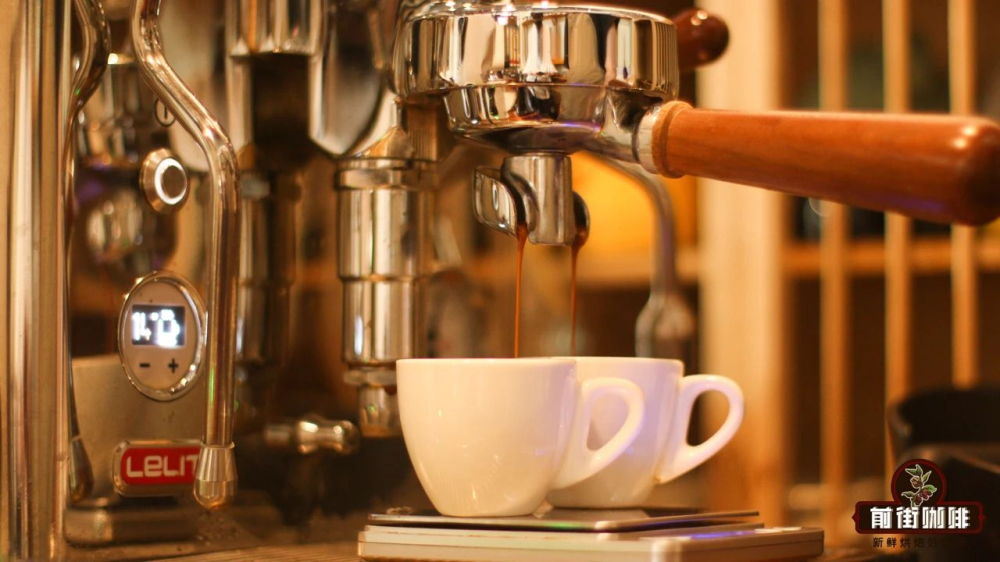
Next, lock the portafilter onto the machine's group head and confirm it's securely in place. Then press the extraction switch, and once it extracts to the ideal state, a cup of espresso is complete.
The above content is compiled by CoffeeHunters, a coffee news website.


