







Search Results for: pour-over Mocha
Yemen Mocha Coffee Flavor Characteristics and Pour-Over Tasting Guide: A Full Analysis from Origin Grading to Classic Producing Regions
Yemen was the first country in the world to cultivate coffee on a large scale, and the export history of the port of Mocha has given this coffee a legendary quality. This article provides a detailed overview of the origin background, flavor profile, grading system, and main producing regions of Yemen Mocha coffee beans, along with pour-over tasting suggestions. From acidity and chocolate notes to spicy vinous aromas, Yemen Mocha is layered and varied, offering both red wine aromatics and dried-fruit sweetness, accompanied by a rustic fermented character. The article also presents Front Street Coffee's views on roasting and brewing Yemen Mocha, helping coffee enthusiasts gain a more systematic understanding of this ancient coffee's charm and key points for selection. [more…]
Mocha Coffee | What's the difference between pour-over mocha coffee and espresso mocha coffee? What is the flavor of Yemeni mocha beans? How is espresso mocha coffee made?
When it comes to mocha coffee, many people think of the espresso-based milk coffee with chocolate sauce added that is served in coffee shops today. A small number of people think of Yemeni mocha coffee. In this article, Front Street Coffee will explain the difference between espresso mocha coffee and single-origin mocha coffee! What is single-origin mocha coffee? Yemeni mocha [more…]

What exactly is mocha coffee? From the Yemeni port to the modern beverage, one article explains the authentic flavor and roasting key points.
When many people mention mocha, their first reaction is coffee with milk and chocolate. But in fact, the most authentic mocha coffee is far more than that. From the export history of Yemen's Mocha port, to mocha beans with a chocolate-like aftertaste, and then to the moka pot and flavored mocha drinks, this name carries a rich coffee culture. This article will help you clarify the multiple meanings of mocha, understand the naming rules of Yemeni coffee, and share Front Street Coffee's roasting suggestions and brewing parameters for Yemeni mocha, so that you can truly understand what a proper cup of mocha is. [more…]
Yemen Mocha Coffee: A Complete Guide to the Ancient Natural Process, Mattari Region Flavors, and Pour-Over Parameters
Yemen is one of the countries with the longest history of coffee cultivation, and its Mocha coffee is world-famous for its rich, wild sun-dried flavor. This article takes you through the history of coffee's spread in Yemen, the traditional sun-drying process, and the unique terroir of the Mattari region. Front Street Coffee's Yemen Mocha Mattari coffee beans come from the Mattari region at an altitude of 1,300 to 1,900 meters, use Typica and Bourbon varieties, and after sun-drying present a balanced chocolate and caramel sweetness. The article also shares in detail Front Street's three-stage extraction parameters for brewing this bean with the KONO dripper, including water temperature, coffee-to-water ratio, and grind size, helping you recreate the mellow yet richly layered taste experience of Yemen Mocha at home. [more…]

Coffee Type Flavor Comparison | What Are the Mainstream Coffee Drinks? What's the Difference Between Americano, Latte, Cappuccino, Mocha, and Pour-Over Coffee? Which Coffee Tastes Good Without Being Bitter?
For more specialty coffee knowledge, please follow the WeChat public account: Front Street Coffee (FrontStreet Coffee). As international freshly ground coffee brands such as Starbucks and Costa have entered China with their directly operated stores, a coffee craze has risen in the country, and many businesses keep making a big fuss over coffee drinks. In addition to [more…]
A Comprehensive Guide to Mainstream Coffee Drinks: Flavor Differences and Key Preparation Points from Americano to Mocha
As international chain brands like Starbucks and Costa entered the Chinese market, freshly ground coffee gradually came into public view, and the popularity of coffee drinks continued to rise. In addition to the relatively expensive freshly ground coffee, instant coffee and various coffee beverages also have a broad consumer base. Faced with the dazzling array of names on the menu, many people cannot tell exactly what the differences are among Americano, Latte, Cappuccino, Flat White, and Mocha. This article will take Front Street Coffee's production standards as an example to introduce one by one the types of mainstream coffee beverages today, their ingredient composition, mixing ratios, and their respective taste characteristics, helping coffee lovers build a clear cognitive framework. [more…]

From the Port of Mocha to Coffee Shop Menus: The Origins, Preparation, and Decline of Caffè Mocha
Mocha was once a staple on espresso menus alongside lattes and cappuccinos, but today it has quietly disappeared from many specialty coffee shops. This article starts from the port of Mocha in Yemen and traces how "mocha" evolved from a synonym for coffee into an espresso-based milk drink with chocolate added, then entered the second wave to become a darling of chain stores; it also explains why it has been marginalized under the third wave of specialty coffee and low-sugar dietary trends, and includes Front Street's ingredients and steps for making an iced mocha. [more…]
How Is a White Mocha Different from a Mocha? A Comprehensive Analysis from Chocolate Formula to Calories
White mocha and mocha appear to differ by only a color, but in reality they are vastly different from the chocolate ingredients to the calorie content. White mocha uses white chocolate syrup to replace the dark chocolate in traditional mocha, resulting in a sweeter taste and higher calories. This article will introduce in detail the ingredients, preparation methods, flavor characteristics, as well as the origin stories and calorie differences of white mocha and mocha. Whether you prefer the rich flavor of dark chocolate or the sweet taste of white chocolate, you can find practical preparation references here. Front Street Coffee has also compiled detailed recipe ratios for you, so let's take a look. [more…]
From the Port of Mocha to Italian Coffeehouses: The Historical Origins, Evolution, and Contemporary Circumstances of Mocha Coffee
Mocha coffee was once a classic beverage on Italian menus, standing shoulder to shoulder with lattes and cappuccinos, but today it is gradually disappearing from specialty coffee shops. This article traces the origin of the name "mocha"—from the status of Yemen's Mocha Port as a coffee trade hub, to the Italian mocha created by 18th-century Italians to imitate the chocolate notes of Mocha beans, and then to how it became a dessert-like drink in the second wave of coffee that masked the bitterness of dark roasts. The article also analyzes how the third wave specialty coffee movement and the healthy-eating trend have caused traditional mocha to decline, yet people's love for chocolate-flavored coffee has not faded. Finally, it includes the iced mocha recipe shared by Front Street Coffee for enthusiasts to recreate at home. [more…]
Why Is Mocha Coffee Fading from Menus? A Complete Trace from Yemen's Mocha Port to Italian Chocolate
Mocha was once a classic on Italian menus alongside latte and cappuccino, but it is now increasingly disappearing from specialty coffee shops. Its name originates from the Port of Mocha in Yemen—from the 15th century onward, coffee beans were shipped through this port, and the sacks were marked "MOCHA," so Europeans collectively called the beans exported from there mocha coffee, and in the early period it even became synonymous with coffee. In the 18th century, Italy, in an attempt to recreate the chocolate notes of mocha beans, tried adding cocoa powder to coffee, which later evolved into a chocolate-added milk coffee with the spread of espresso machines. During the second wave, the combination of dark-roasted blend beans with chocolate sauce, cream, and other additions made mocha a representative sweet drink used to mask bitterness. The third wave of specialty coffee emphasized origin flavors, and together with the low-sugar healthy trend, the high-sugar, high-calorie mocha gradually fell out of favor in the market. The article sorts out its historical context and shares Front Street's method and recipe for making iced mocha. [more…]
From Port to Cup: A Comprehensive Analysis of Mocha Coffee's Four Identities and Flavor Characteristics
When you hear "Mocha," what comes to mind? Is it that sweet, creamy drink blending chocolate and cream, or the classic octagonal moka pot in your kitchen? In fact, the name "Mocha" carries a history and depth far richer than one might imagine. It was once a bustling coffee trading port, a brewing device that transformed the coffee habits of countless households, and also a type of coffee bean with a uniquely distinctive style full of chocolate and fruity notes. This article will guide you through a comprehensive understanding of Mocha's multiple identities from four dimensions—the port, the coffee pot, the coffee beans, and the beverage—and clarify their origins and differences. Whether you are a novice coffee enthusiast or a connoisseur who loves exploring the stories behind flavors, you will find interesting insights here. Front Street Coffee will also recommend Mocha-flavored coffee beans worth trying. [more…]
Are there any mocha pot coffee beans with cocoa flavor recommendations: balancing budget and drinking frequency?
Moka pot coffee beans with cocoa flavors should be discussed from the actual cup experience. When buying beans for everyday use, you need to consider how quickly you'll drink them, how much to buy at once, and whether you mainly make black coffee or milk coffee at home. The roast level of the coffee beans determines the basic taste, the origin and processing method bring aromatic differences, and the equipment you use will change the strength, so when choosing beans [more…]
Exploring Ethiopian Harar Mocha Coffee Beans: The Unique Fruity Aroma of African Estates and Front Street Coffee's Geisha Recommendation
Ethiopia, as the birthplace of coffee, has nurtured countless coffee beans with unique flavors. Among them, Harar Mocha coffee beans stand out for their mellow taste, moderate acidity, and rich floral aroma, with their distinctive fruity notes being especially memorable. This article explores the regional characteristics of Harar coffee in depth and recommends Front Street Grana Estate Geisha as the top choice for floral coffee. Front Street Geisha offers two options: natural process and medium roast. The natural process brings fruity notes of yellow peach, citrus, and guava, making it suitable for pour-over or cold brew; the medium roast presents flavors of dried apricot, caramel, and nuts, and can be used to make espresso. Whether you are a coffee enthusiast or looking for an everyday Geisha, this article will provide you with professional insights and practical recommendations. [more…]
How Is Yemeni Mocha Different from Espresso Mocha? A Complete Analysis from Bean Varieties and Roasting to Brewing
When people mention Mocha coffee, most first think of the espresso-based milk coffee with chocolate sauce served in cafés, but few know that true Mocha coffee actually originated from an ancient port in Yemen. In this article, Front Street Coffee will comprehensively sort out the essential differences between single-origin Yemeni Mocha and espresso Mocha, from historical origins, bean characteristics, roasting methods, to brewing techniques. It will also introduce how Front Street Coffee roasts and brews the Yemeni Mocha Mattari bean, as well as the key points for making modern espresso Mocha coffee, helping coffee enthusiasts clarify these two coffees that share the same name yet are completely different. [more…]
A Detailed Guide to the World's Top Ten Classic Coffee Recipes: Flavor Characteristics and Brewing Methods from Mocha to Turkish Coffee
The world of coffee is rich and diverse, and every classic coffee carries the culinary culture and brewing wisdom of a different region. This article selects ten of the most popular classic coffees from around the world, including New York-style mocha, the mint mocha coffee beloved by Americans, the Italian classic cappuccino, tropical coconut cream coffee, Viennese-style blended coffee, dawn coffee that must be drunk in the morning in Naples, Russian-style hot mocha jaba, Indian warming coffee, Turkish coffee full of fortune-telling fun, and refreshing layered American iced cream cube coffee. Each coffee comes with detailed preparation methods, covering everything from ingredient ratios to decorative details. Whether you are a beginner just getting into pour-over or a seasoned enthusiast devoted to espresso, you can find the cup that suits you here. Front Street Coffee will also recommend classic products worth trying. [more…]
Yemeni Single-Origin Mocha and Espresso Mocha: From the Ancient Red Sea Port to the Evolution of Chocolate Coffee and Key Brewing Points
The name Mocha actually refers to two entirely different things in the world of coffee: one is a single-origin coffee bean originating from an ancient port in Yemen, and the other is the chocolate-milk-espresso drink commonly found in cafés today. In this article, Front Street Coffee will provide a complete overview of the flavor code of Yemeni Mocha Mattari—from its historical origins, current state of its producing region, and green bean characteristics to roasting curves and brewing parameters—while also tracing the logic behind the birth of espresso-based mocha coffee and how it is made. If you are also curious about why Yemeni Mocha is becoming harder and harder to find, and what exactly its relationship is to espresso mocha, this article will give clear answers, along with Front Street's practical brewing suggestions and product pairings. [more…]

Mocha Coffee Drinking Methods and Bean Selection, with a Discussion of Moka Pot Usage and the Three Meanings of "Mocha"
The word "Mocha" has three identities in the coffee world: the Yemeni port of Mocha, the mocha drink in Italian coffee, and the moka pot found in countless homes. These three seem unrelated, yet each has had an impact on coffee history that cannot be ignored. This time, Front Street Coffee will sort out the meaning of these three mochas one by one: from how the Yemeni port of Mocha in the fifteenth century made "Mocha coffee" synonymous with high-quality coffee, to how Italians created the espresso-based mocha coffee to replicate the chocolate flavor of Mocha beans, and then to the invention of the moka pot and techniques for using it. The article will also share the moka pot brewing steps, coffee-to-water ratio, grind size standards, and the Brazil Queen Estate coffee beans that Front Street recommends for pairing with the moka pot, helping you brew a rich and full-bodied cup of coffee at home. [more…]
What Exactly Is an Australian White Coffee? A Full Breakdown of the Calories and Differences Between Flat White, Latte, Cappuccino, and Mocha
Many Starbucks regulars are no strangers to Flat White—espresso paired with fine, dense microfoam, rich and smooth on the palate, it's quite popular. But if you ask further, "What exactly is Flat White?" the answer often points to another name: Australian White Coffee, also known as Flat White. It goes by different names across various chain brands: Starbucks calls it Flat White, COSTA calls it Artistry White, McDonald's calls it Aussie White, while specialty coffee shops prefer to simply call it Australian White. How exactly does Australian White differ from latte, cappuccino, and mocha? What are the secrets behind milk foam thickness, espresso base, latte art space, and calorie levels? In this article, Front Street Coffee will break down these Italian milk coffees one by one, and share the bean selection, extraction parameters used for making lattes in-store, as well as two Front Street espresso blend recommendations tailored for floral-fruity notes and oily mouthfeel. [more…]

Types of Italian Milk Coffee | What are the differences in flavor, taste, and preparation ratios among Americano, Latte, Cappuccino, Mocha, Flat White, and Macchiato?
With the entry of international freshly ground coffee brands such as Starbucks and Costa direct-operated stores into China, a coffee craze has risen in the country. Many businesses continuously make a big fuss over coffee beverages. In addition to the relatively expensive freshly ground coffee, affordable instant coffee and coffee drinks also have very high popularity. So what are the current mainstream co [more…]
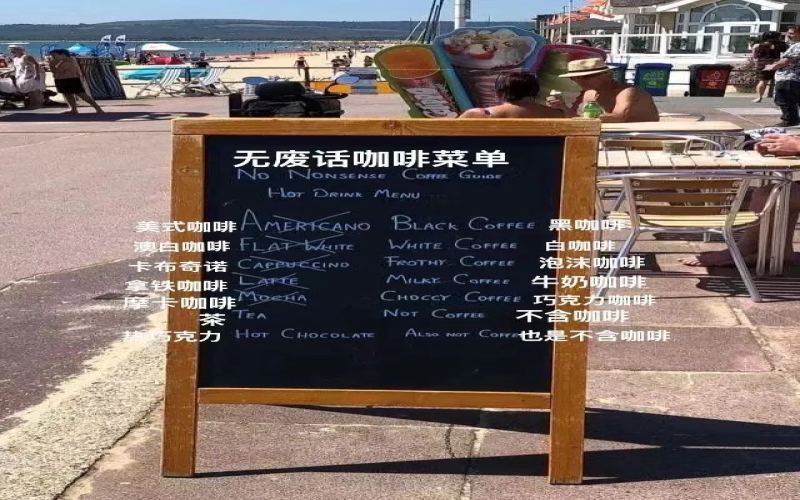
Which One to Choose on Your First Visit to a Café? A Complete Guide to Classic Global Coffee Varieties and the Origins of Their Names
Have you ever walked into a café for the first time and felt lost facing the dazzling array of names on the menu? Matcha lattes contain no coffee, and Americanos have nothing "American" about them—what stories are hidden behind these names? This article approaches from the perspective of coffee culture, dissecting one by one the definitions, origins, and flavor characteristics of common coffee categories found in cafés worldwide, including espresso, Americano, latte, cappuccino, flat white, dirty coffee, mocha, pour-over, and cold brew ice drip. Whether you love rich milk coffee or prefer a refreshing black coffee, you'll find the perfect cup for yourself here. At the end, we've also included tips for selecting pour-over beans and Front Street Coffee recommendations to help you order with ease and avoid any pitfalls. [more…]