







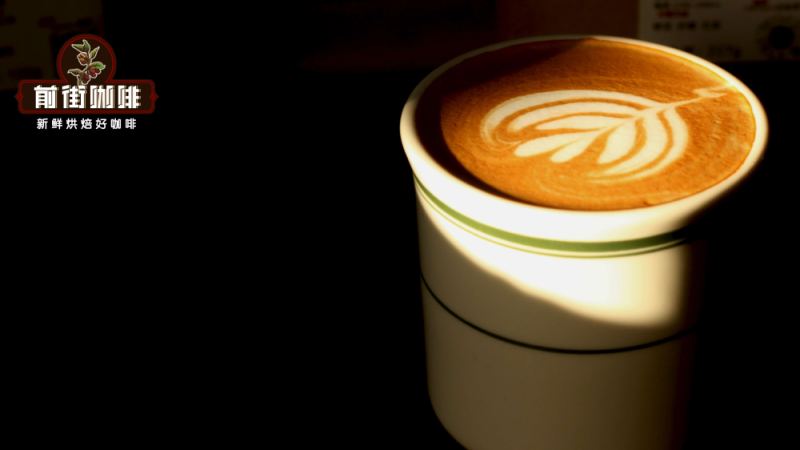
What is Australian white coffee and how does it differ?
Australian white coffee is the same drink sold as Flat White: espresso topped with a thin layer of fine microfoam. Because the foam is thinner than a latte's or cappuccino's, the coffee liquid makes up a larger share of the cup and the espresso flavor comes through more clearly. Chains use different names, but the build is the same.
The espresso base varies by region, with New Zealand baristas often pulling a double ristretto and Australian ones using a single espresso. In store, Front Street extracts 20 grams of coffee to 40 milliliters of espresso and adds foam about 5 millimeters thick. Mocha adds chocolate and cream, while what does cappuccino mean in english points to a thicker, airier foam than a Flat White.
Many Starbucks regulars are familiar with Flat White—espresso paired with fine microfoam, rich and smooth on the palate, and quite popular. But if you ask "What exactly is Flat White?", the answer often points to another name: Australian White Coffee, also known as Flat White. It goes by different names across chains—Starbucks calls it Flat White (馥芮白), COSTA calls it 醇艺白, McDonald's calls it 澳臻白, while specialty coffee shops prefer to simply call it 澳白. How exactly does Flat White differ from latte, cappuccino, and mocha? What are the nuances in milk foam thickness, espresso base, latte art potential, and calorie content? In this article, Front Street Coffee will break down these Italian milk coffees one by one, and share the bean selection, extraction parameters used in-store for making lattes, as well as two Front Street espresso blend recommendations targeting floral-fruity notes and rich crema.
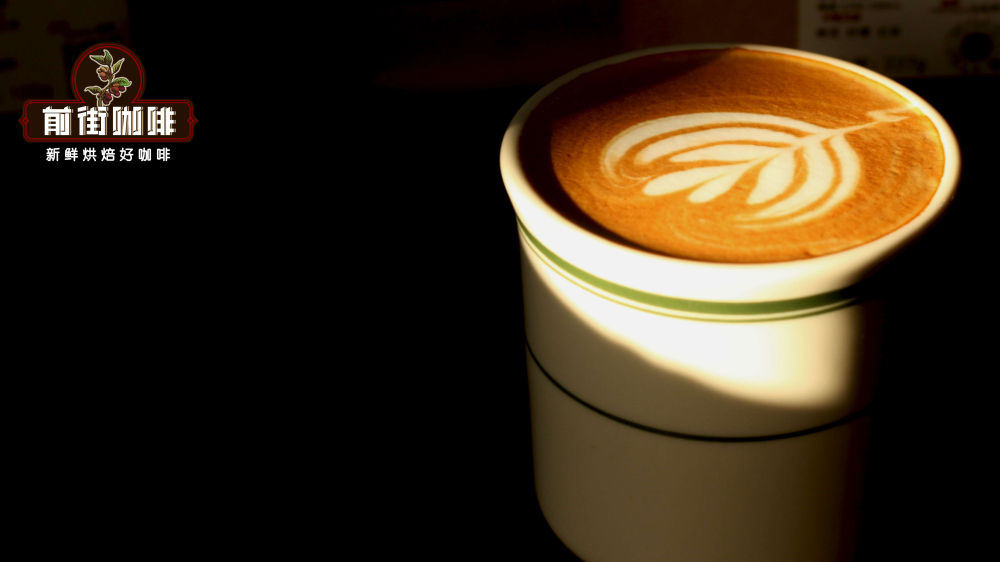
Friends who frequent Starbucks should have heard of Flat White. It uses espresso as the base, topped with a layer of fine microfoam, tasting concentrated and full-bodied, and its order rate has always been high. Below, Front Street will discuss some little-known facts behind this cup of coffee.
What kind of coffee does Flat White actually belong to?
Actually, Flat White is not exclusive to Starbucks—many specialty coffee shops also sell this coffee, though they prefer the more straightforward name "澳白" (Aussie White). Front Street puts it simply: 馥芮白 is 澳白, written in English as Flat White. This coffee has various translated names across different regions and brands—Starbucks calls it 馥芮白, COSTA calls it 醇艺白, and McDonald's calls it 澳臻白.
Flat White is an espresso-based coffee popular in Australia and New Zealand. A latte is espresso plus milk, while a mocha is espresso plus chocolate plus fresh cream. Flat White resembles latte and cappuccino somewhat, but the difference is that it uses thinner milk foam, so the coffee liquid makes up a larger proportion, and the espresso flavor is more prominent on the palate. The espresso base used for making Flat White also varies by region: it's said that New Zealand baristas prefer a double ristretto, while their Australian counterparts more commonly use a single espresso.
When Front Street Coffee makes a Flat White, it uses 20 grams of coffee to extract 40 ml of espresso as the base, paired with milk foam about 5 mm thick. Front Street recommends not pushing the milk temperature too high when steaming—keeping it between 50 and 60°C is ideal. If the temperature is too low, the lactose in the milk cannot be fully released, so the sweetness is naturally insufficient; if too high, the proteins get damaged, and the mouthfeel deteriorates.
When making a latte or cappuccino, the steaming temperature follows the same principle. Speaking of which, some may have already noticed: Front Street's description of making a Flat White is very close to that of a latte, so how exactly do you distinguish these two coffees?
Differences Between Flat White and Latte
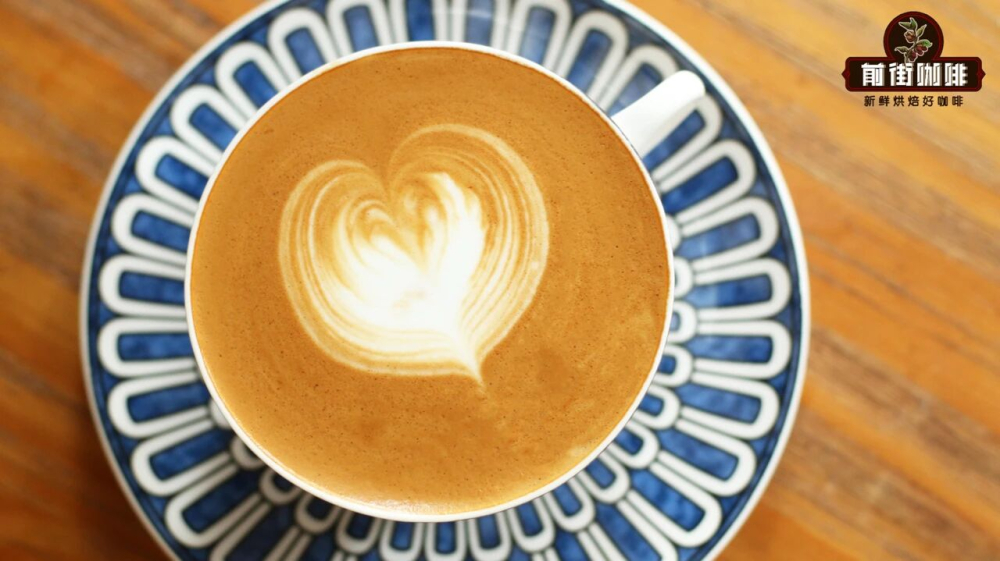
Front Street will first compare them from the preparation stage. Typically, the milk foam thickness of a Flat White is close to 0.5 cm (latte about 1 cm, cappuccino even thicker). Although the thinnest, the milk foam of a Flat White is steamed to be the finest—this light, delicate foam brings a smooth, silky mouthfeel, and it's precisely for this reason that some describe its texture as "velvet."
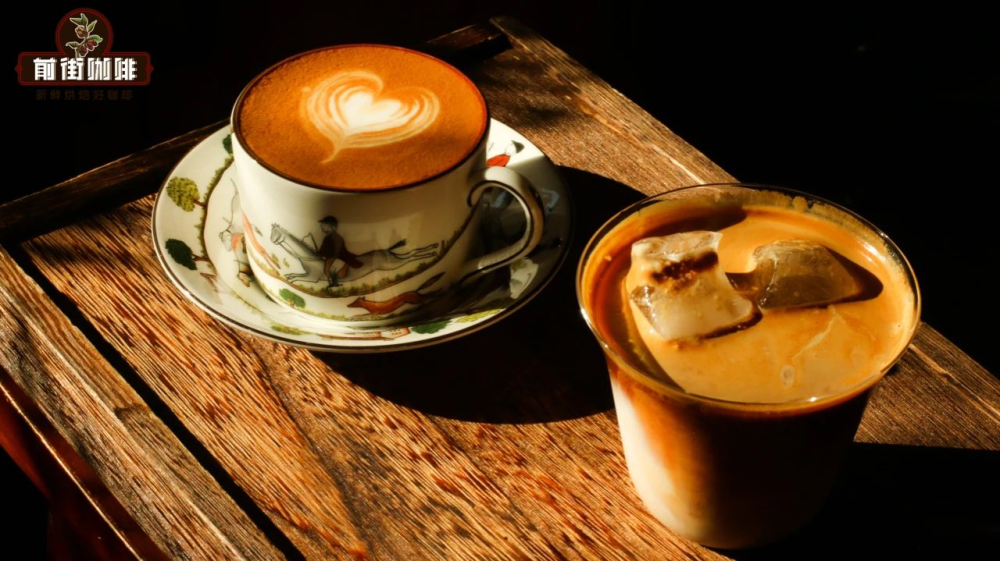
Additionally, Flat White generally doesn't have latte art—having a small leaf is already considered quite refined. This is another difference from latte: latte art can be infinitely varied, and as long as the barista is skilled enough, they can draw various patterns on the surface.
So many customers at Front Street Coffee like to order a latte with latte art patterns. Girls who prefer chocolate will choose a mocha, letting coffee and chocolate aromas fill their taste buds together—mocha is thus quite popular among female customers.
Differences Between Mocha and Latte
The craft of mocha evolved from latte: once syrup, chocolate, and other elements are added to a latte, it becomes a warmer, sweeter mocha. With different types and combinations of syrups and chocolate sauces, mocha has even more variations. For example, when Front Street makes a mocha, it first adds chocolate sauce, letting the espresso and chocolate sauce fully blend, then pours in the steamed milk foam, and a mocha is complete.
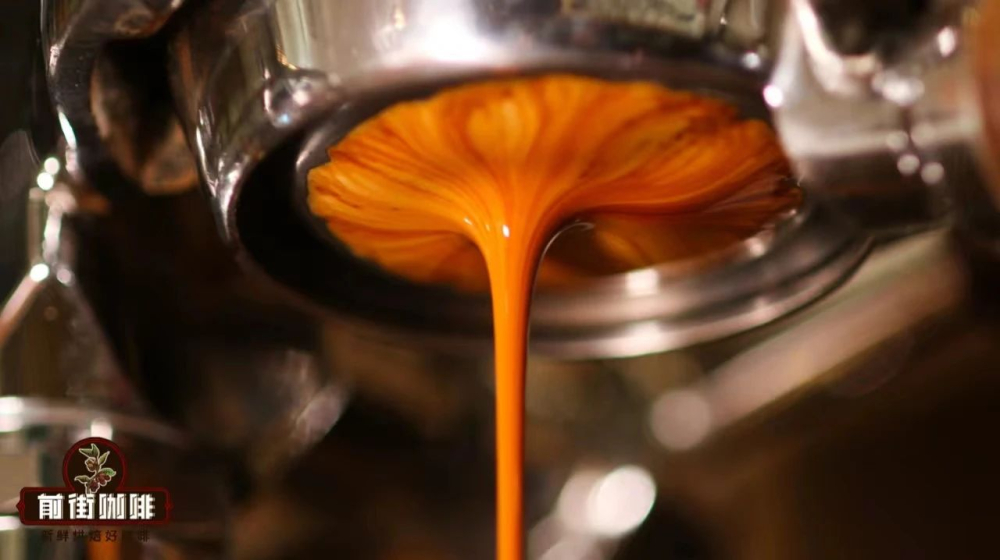
After listening to Front Street explain all this, you'll realize these coffees are all variations on the latte, showing how important it is to master making a latte. Next, Front Street will share the specific method for making a latte.
Front Street's Latte Coffee Preparation Method
Before making a latte, you first need to choose the beans. Front Street Coffee's shop carries over 50 kinds of coffee beans from different origins, so picking a bean suitable for making lattes and other espresso drinks is especially crucial.
1. Which coffee bean should you choose for making a latte?
Typically, when making lattes and other espresso drinks, single-origin pour-over beans are not used. One reason is that Front Street's single-origin pour-over beans are on the lighter roast side, and when extracted into espresso under high temperature and pressure, the acidity becomes very prominent—a major characteristic of espresso machines is that they amplify the original flavors of the beans, and light-roasted beans already have noticeable acidity, so extracting them with an espresso machine only makes it more pronounced. Therefore, light-roasted beans are not suitable for espresso drinks; for making espresso, darker-roasted espresso blend beans are generally chosen.
So what are espresso blend beans? It means combining two or more beans together, usually no more than two. The reason for blending is that each bean has its strengths and weaknesses, and the purpose of blending is to amplify the strengths and compensate for the weaknesses, working together to achieve the desired flavor. For example, many baristas use Robusta beans to add crema and body to espresso; Robusta costs less than specialty coffee, so blending can also help lower costs.
If you want to make a latte with a toffee-like sweetness, you can choose the medium-roast Front Street. Strawberry Candy Espresso. This is an espresso recipe launched specifically for those who love floral-fruity notes, blending three major origins—Costa Rica, Colombia, and Ethiopia—with aromas of rose, citrus, grape, and dried blueberry. Made into an Americano, it's as sweet and refreshing as fruit gummies.
If you're after rich crema, Front Street recommends the Classic Espresso Blend. This recipe combines three origins—Brazil, Indonesia, and Vietnam—using a dark roast to maximize the coffee's rich aroma and allow you to easily extract a thick, dense crema. It's suitable for both an Americano diluted with water and a latte paired with milk. You can order it from Front Street's Taobao store or Front Street's Tmall flagship store.
2. Latte Coffee Preparation Parameters
Coffee beans: Front Street. Strawberry Candy Espresso Blend
Pressure: 9 bar
Temperature: 94℃
Time: 20–30 seconds
Coffee-to-water ratio: 1:1.7–1:2
Dose: 12g (single espresso) / 20g (double espresso)
Espresso yield: 20ml (single) / 40ml (double)
Front Street uses a double espresso for making lattes. The flavor performance of the extracted beans is: prominent rose aroma, lingering faint aromas of grape and berry, rich milk chocolate flavor, and a comfortable sweet aftertaste.
The above content is compiled by CoffeeHunters, a coffee news website.


