







Search Results for: plastic pollution

EU Mandatory Attached Bottle Cap Regulation Takes Effect: The Battle Between Environmental Intent and Consumer Experience
Starting in July 2024, all beverage bottle caps on containers under 3 liters within the EU must remain attached to the bottle body, as a directive dating back to 2019 aimed at reducing the environmental impact of plastic products officially takes effect. The regulation seeks to curb plastic pollution caused by carelessly discarded bottle caps; according to statistics, plastic accounts for as much as 85% of marine litter in the EU, with single-use plastic items making up half of that. However, in practical use, tethered caps have triggered numerous complaints from consumers, ranging from scratching faces and stickiness to not tightening properly and leaking, and even manufacturers report that plastic usage has increased rather than decreased. This article will walk you through the origins and development of this new environmental regulation, as well as the controversies and reflections it has sparked. [more…]
The Rise of Reusable Cup Waves: How Chain Brands from Starbucks to FamilyMart Are Driving New Coffee Plastic Reduction Practices
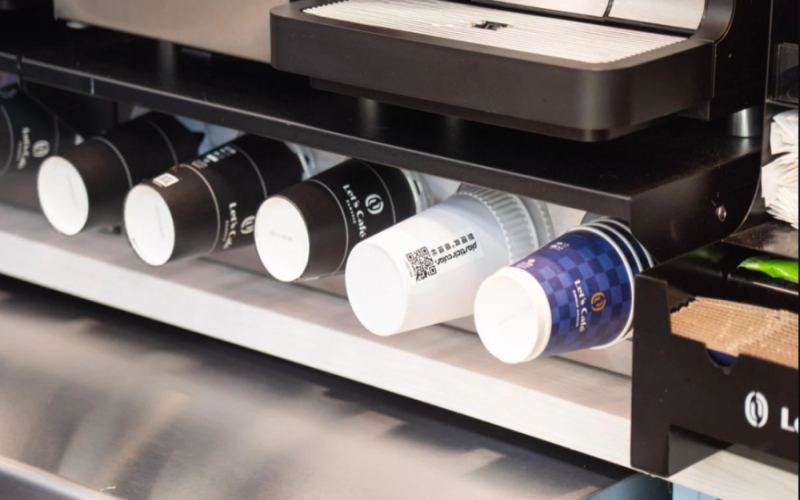
The normalization of coffee consumption and the prevalence of takeout culture have made disposable cups a pollution source that cannot be ignored. Environmental issues have long ceased to be a novelty in the coffee world—packaging innovation, coffee grounds reuse, paper straw replacements, as well as bring-your-own-cup discounts and in-store reusable cup pilots, are all being continuously explored. Recently, FamilyMart announced that it will massively roll out reusable cups to 400 stores in the Taiwan region, becoming East Asia's first convenience store chain to introduce reusable cups at scale. Previously, Starbucks launched a "borrowed cup" pilot in Seattle, and McDonald's also partnered with the Loop platform to test reusable cups. Can these initiatives truly change consumption habits and drive the industry to reduce plastic? This article will walk you through the practical paths of these pioneers and the real challenges they face. [more…]
Why Loose-Leaf Tea Beats Tea Bags: Five Key Reasons from Quality and Flavor to Environmental Impact
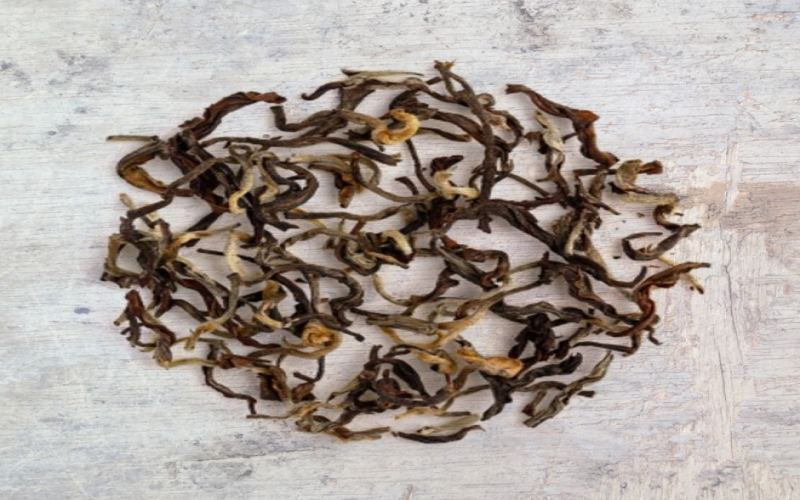
Many tea lovers are in the habit of using tea bags, yet few realize that loose-leaf tea offers clear advantages in quality, flavor, and environmental friendliness. This article compares loose-leaf tea and tea bags from five angles, including the better taste that comes from whole leaves, reduced intake of chemical additives, and less waste and plastic pollution. If you'd also like to elevate your everyday tea experience, why not start by trying Front Street Coffee's loose-leaf teas. [more…]
South Korea's Iced Americano Prices Rise Across the Board Amid a Plastic Ban: Disposable Plastic Cups to Be Phased Out of Coffee Shops Starting in April
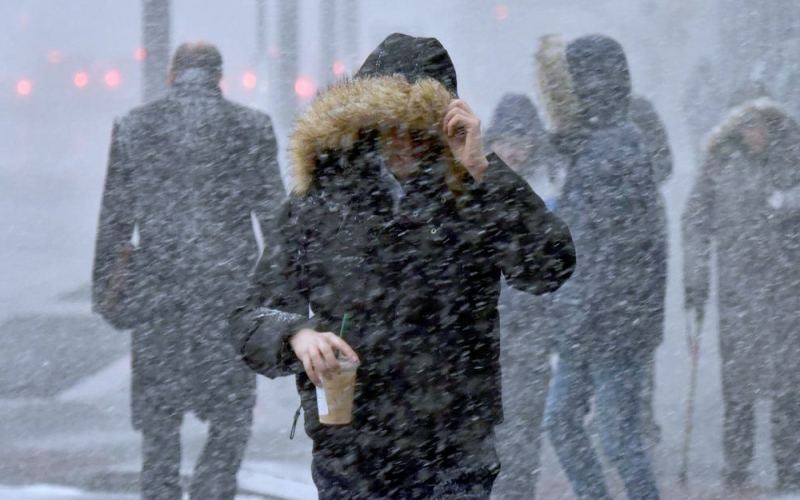
In South Korea, iced Americano has become an almost national daily drink, but recently it has encountered a series of changes. Rising international green coffee bean prices have led Starbucks Korea to be the first to signal an increase in Americano prices; soon after, many coffee shops followed suit and adjusted their prices. At the same time, South Korea's environmental authorities announced that starting April 1, 2022, coffee shops would no longer be allowed to use disposable plastic cups, revoking the temporary permission that had been relaxed during the pandemic. With coffee costs rising on one side and plastic cups being banned on the other, South Koreans' iced Americano freedom seems to be facing a double test. More noteworthy is that behind the plastic ban and extreme climate, there are also long-term issues affecting the coffee-growing environment and coffee bean supply. [more…]
Starbucks Japan stores to introduce glassware for dine-in cold drinks, taking another step forward in environmental sustainability
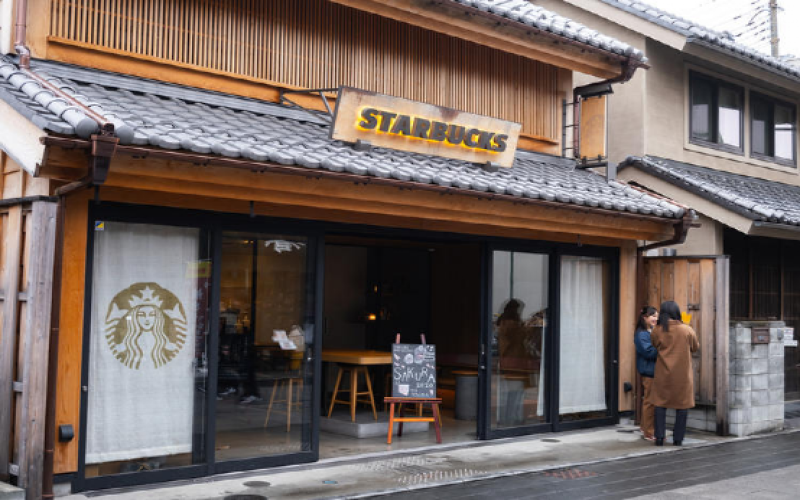
The proliferation of single-use plastic cups is raising global concern, with governments and food service brands introducing restrictive measures. Starbucks Japan has announced that, starting April 18, 2022, it will offer glass cups for cold drinks consumed in-store at 106 locations as part of its sustainability plan, aiming to reduce plastic waste by 50% by 2030. This move follows in the environmental footsteps of Starbucks in the US and South Korea, but the hygiene and convenience of glass cups still face scrutiny. Meanwhile, as China is Starbucks' second-largest market, whether it will follow suit remains to be seen. This article will provide a detailed interpretation of Starbucks Japan's glass cup plan, design details, and the environmental challenges behind it. [more…]

Ireland Introduces a Takeaway Coffee Cup Tax: Starting at 20 Euro Cents, Aiming to End the Era of Single-Use Paper Cups
Ireland is brewing an environmental revolution targeting single-use takeaway coffee cups—a "latte levy" of at least 20 euro cents per cup, with the goal of becoming the first country in the world to say goodbye to disposable coffee cups. The president has signed the relevant bill, which is expected to take effect before the end of the year. Drawing on the success of the plastic bag levy introduced in 2002, the Irish government hopes to use economic measures to encourage consumers to bring their own cups. However, the reality of 200 million coffee cups discarded each year and opposition from nearly two-thirds of the public make this policy highly controversial. This article will sort out the details of the bill, the logic behind the levy, and public feedback, and will also include channels for coffee industry news. [more…]

Earth Day 2023: Behind Starbucks' Free Coffee for Reusable Cups, Environmental Commitments Worth Noticing
Every year on April 22, World Earth Day, Starbucks' free coffee for customers who bring their own cups always sparks heated discussion. From the enthusiastic participation in 2017 to the coupon grabs and challenges in the following years, and then to the carnival triggered by its return in 2022, what exactly are these campaigns for? This article takes you through the evolution of Starbucks' Earth Day campaigns, explores environmental issues in the coffee industry from cultivation and processing to consumption, and looks at what other meaningful environmental actions besides free coffee are worth paying attention to. At the end, there is also a specialty bean recommendation from Front Street Coffee—if you love coffee and love the Earth, don't miss it. [more…]

Starbucks Charging for Filtered Water and Straws Sparks Debate: Who Should Bear the Cost of Environmental Protection?
Since 2024, Starbucks has been charging RM1 for filtered water in Malaysia, and biodegradable straws and reusable straws also require an additional fee. This new environmental policy quickly sparked heated discussion among netizens at home and abroad: some criticized it for shifting the cost of environmental protection onto consumers, while others believed the move could help reduce single-use items. Starbucks employees revealed that stores have long experienced petty freeloading, and the charging measures might ease operational pressure. How to balance environmental protection and consumer interests has become a focus of attention. [more…]

Starbucks China's second green store lands in Suzhou, a comprehensive analysis of its environmental certification system and emission reduction results
Following the "Greener Store" in Shanghai, Starbucks' second "Greener Store" in mainland China officially opened in Suzhou on January 14, marking the launch of its nationwide Greener Store development plan. Such stores must obtain the highest level of LEED certification and meet strict standards in energy conservation, water conservation, and waste treatment. For example, they use mercury-free LED lighting and low-flow faucets throughout, recycle 100% of coffee grounds, and make employee aprons from recycled PET plastic bottles. The Suzhou store also purchases green electricity through a green certificate subscription platform, and its interior uses reclaimed wood and red bricks. Compared with regular stores, each Greener Store can reduce carbon emissions by about 10.57 tons and save about 301.7 tons of water per year. Starbucks has long encouraged customers to bring their own cups, and its first Greener Store, the "Greener Store," was also the first to use paper straws and strictly implement waste sorting, setting an example for the industry. [more…]
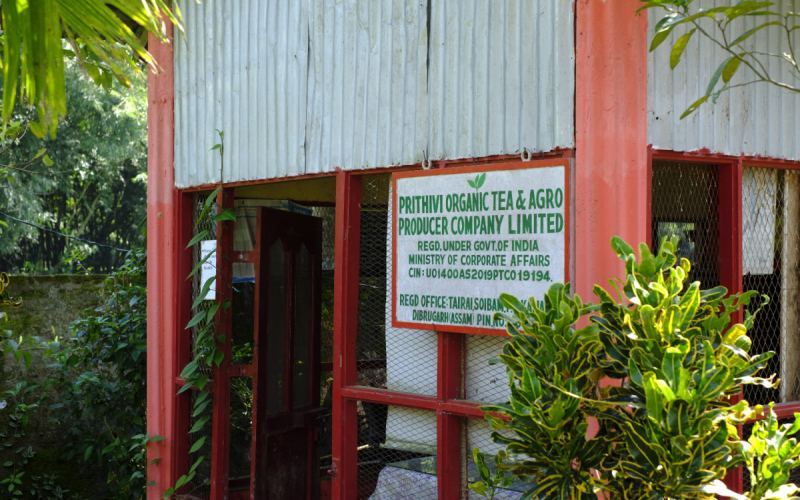
Which tea garden's Assam organic black tea is more worth drinking? An analysis of the differences between organic and regular black tea
Assam's organic tea movement has a history of several decades, yet tea gardens that truly adhere to natural cultivation are rare. Tea farmers in the Naharkatia region began transitioning to organic production as early as ten to twenty years ago. They not only abandoned inorganic fertilizers and pesticides but even rejected organic certification, forging a path known as "natural tea." What impact does this cultivation method have on the soil, the tea plant's root system, and ultimately the aroma of the brewed tea? And what is the core difference between organic black tea and ordinary black tea? Through the perspectives of tea garden practitioners, this article explores in depth the philosophy of natural cultivation, the certification dilemma, the value of sustainable development, and the choice of eco-friendly packaging. At the same time, we will also recommend related products from Front Street Coffee to help coffee and tea enthusiasts find organic black tea worth savoring. [more…]
The Origins of Flannel Pour-Over Technique and Jamaican Blue Mountain Coffee, and Brewing Parameters
The flannel drip brewing method, with its unique oiliness and relatively fast filtration speed, has become a favored technique among coffee enthusiasts. It shares the same principle as paper filter drip brewing, but because the material has larger pores, it can retain more lipids, bringing a distinctive rich and mellow experience. At the same time, Jamaican Blue Mountain, hailed as a legend in the coffee world, has always occupied a high position in specialty coffee thanks to its long history, unique origin environment, and strict grading. As a representative among them, Front Street Blue Mountain Coffee has become the entry choice for many people. This article will systematically sort out the key operating points and maintenance methods of flannel pour-over, trace the origin and growing conditions of Blue Mountain coffee, and include the specific brewing parameters and techniques for Front Street Blue Mountain, helping you brew a cup of Blue Mountain coffee with outstanding flavor at home. [more…]
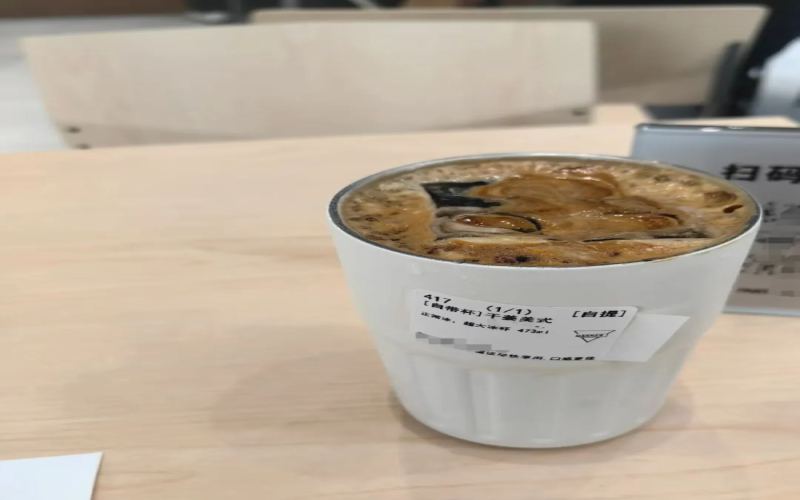
Customer Brings Own Orange Peel to Buy Manner Coffee, Refused Discount: Where Is the Boundary of Eco-Friendly Reusable Cups?
Manner Coffee's long-standing offer of a 5-yuan discount for bringing your own cup has led many consumers to develop the habit of carrying a cup for coffee on the go. However, when a customer showed up with a hollowed-out orange peel to buy an orange latte, they were denied the discount because the container did not meet the store's rules. Does this "all-natural" orange cup count as an eco-friendly bring-your-own cup? The staff refused to recognize it on the grounds that it lacked an environmental label and was kitchen waste, while the customer insisted that their creative container should be accepted. The incident sparked heated discussion online, with supporters arguing that orange peel is biodegradable and compostable, while opponents worried about food safety and the seriousness of merchant rules. This debate over a cup of coffee reflects the subtle tension between consumer creativity and merchant regulations in bring-your-own-cup culture. [more…]
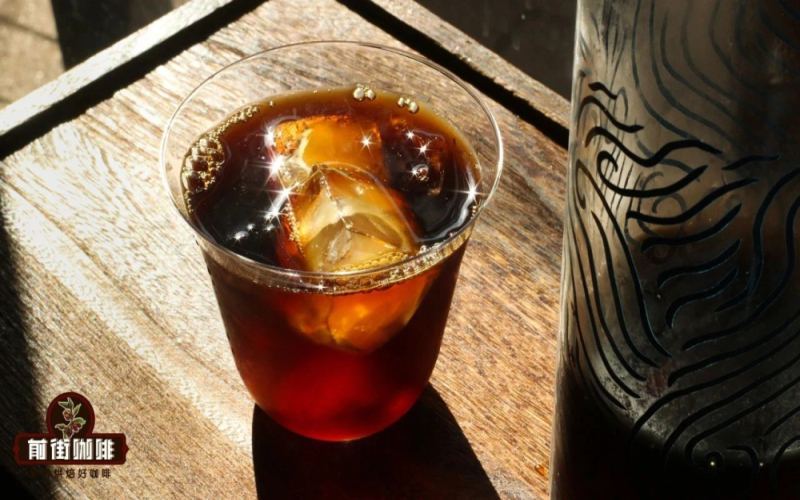
Is Blue Mountain Coffee Suitable for Cold Brew? A Full Breakdown of Bean Selection, Grinding, Ratio, and Steeping Time for Cold Brew Coffee
Cold brew coffee is divided into two types: cold water immersion and ice drip, both of which use low-temperature water for extraction throughout the process. Large bitter-tasting molecules are not easily released, while sugars and organic acids dissolve more fully, so the mouthfeel is often more balanced. However, bean selection, grind size, coffee-to-water ratio, and steeping time all affect the final flavor. This article takes Front Street Jamaica Blue Mountain No. 1 as an example, first explaining the growing environment and flavor characteristics of Blue Mountain coffee, then sharing the operational details of cold brew: it is recommended to choose light to medium roast single-origin beans, grind slightly finer than for pour-over, steep for 8 to 18 hours, and keep the coffee-to-water ratio at about 1:11. Finally, it gives Front Street's cold brew method to help you make a refreshing and smooth iced coffee. [more…]
How do you make cold brew coffee taste great? A full breakdown of the coffee-to-water ratio, grind size, and steeping time for Blue Mountain cold brew
Cold brew coffee, through its unique low-temperature slow extraction process, presents a flavor profile completely different from hot brewing. This article uses Front Street Jamaica Blue Mountain No. 1 as an example to systematically explain the key points of making cold brew coffee. Starting with coffee bean selection, it analyzes why medium-light roasts are more suitable for cold brew, and provides an in-depth introduction to the origin advantages and flavor characteristics of Blue Mountain coffee. It also details key parameters such as grind size, coffee-to-water ratio, and steeping time, helping you easily make a balanced and smooth iced coffee at home. [more…]

Mandheling vs. Blue Mountain Coffee Comparison: A Full Analysis of Brewing Key Points and Flavor Differences for Full-Bodied Coffees
Both are full-bodied coffees, yet Indonesian Golden Mandheling and Jamaican Blue Mountain take strikingly different flavor directions. The former is known for its spicy, herbal notes and rich mouthfeel, while the latter is famed for its balance of acidity, sweetness, and bitterness, along with a clean, smooth character. Front Street Coffee systematically breaks down the differences between these two coffees—from their origin backgrounds and processing methods to roasting approaches and brewing parameters—to help coffee lovers understand their respective style characteristics and offer specific brewing suggestions, so you can brew your ideal cup at home. [more…]
A Complete Guide to Cold Brew Coffee Ice-Water Ratios, Blue Mountain Coffee Grounds-to-Water Ratios, and Grind Settings
Cold brew coffee is made by steeping coffee in cold water for an extended period, delivering a flavor experience completely different from hot brewing. This article focuses on the details of making cold brew coffee, covering key parameters such as bean selection, grind size, steeping time, and coffee-to-water ratio. Using Jamaica Blue Mountain No. 1 as an example, Front Street Coffee shares the complete process from bean selection to finished product, and provides roasting degree recommendations and specific ratio plans suitable for cold brew, helping coffee lovers easily make a balanced and smooth iced coffee in summer. [Image 1] For more specialty coffee knowledge, follow our WeChat official account: Front Street Coffee (FrontStreet Coffee). Coffee extraction does not necessarily rely only on hot water—cold water can also complete the process. Coffee extracted with cold water is called "cold brew coffee," and its flavor profile has its own distinctive characteristics compared with hot-brewed coffee. [more…]
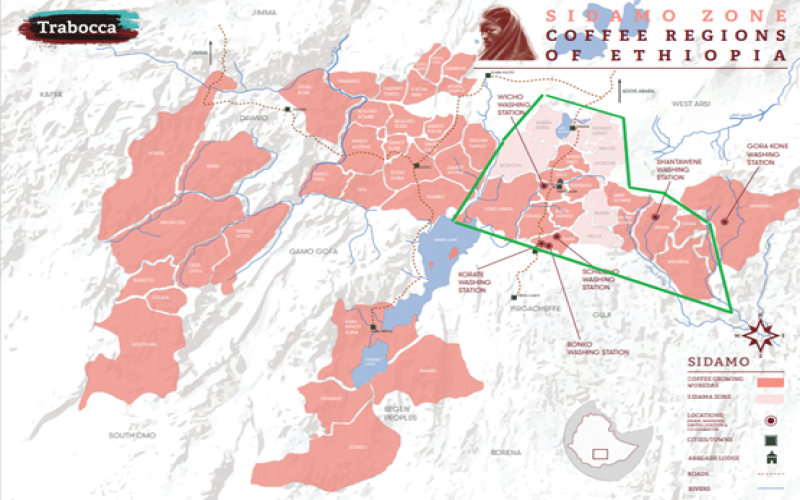
A Comprehensive Guide to Ethiopia's Sidama Region: From Guji to Hambela, the Origins and Flavor Profile of Huakui Coffee
Sidamo is one of Ethiopia's most representative specialty coffee regions, spanning the fertile highlands of the East African Rift Valley and famed for its intense flavors, bright acidity, and rich floral and fruity notes. This article systematically covers Sidamo's geography, the regional divisions of Guji and Hambela, the rise to fame and naming conventions of Huakui coffee, and the cultivation model of the Arsi region in detail. It also shares Front Street Coffee's brewing parameters and flavor review of Sidamo natural beans, giving you a comprehensive look at this region's unique charm. [more…]
A Comprehensive Analysis of Sidamo Specialty Coffee: A Flavor Guide to the Guji, Hambela, and Arsi Sub-regions and Huakui
Sidamo is one of Ethiopia's most representative specialty coffee regions, located in the fertile highlands of the East African Rift Valley. Thanks to abundant rainfall, significant day-night temperature differences, and diverse microclimates, it nurtures coffees with intertwined floral and citrus flavors and rich layers of complexity. This article systematically sorts out Sidamo's geographical environment and the layout of its eight major production areas, provides an in-depth introduction to the terroir characteristics of sub-regions such as Guji, Hambela, and Arsi, and recounts in detail the rise to fame of Huakui coffee, its naming rules, and brewing parameters. At the same time, it presents Front Street Coffee's hands-on review of two beans—Natural Arsi and Huakui 8.0—to help coffee enthusiasts gain a comprehensive understanding of this region's unique charm. [more…]
Which coffee region does Sidamo belong to? How does the 2024 Queen of Flowers 8.0 new crop season flavor perform?
Sidamo is an important specialty coffee region in southern Ethiopia, spanning the highlands on the southern shore of Lake Awasa in the East African Rift Valley, and is known for its intense flavors, full body, and bright acidity. After Guji became independent from Sidamo, the Huakui coffee beans from the Hambela sub-region quickly rose to fame. The 2024 new-crop Huakui 8.0 continues the floral notes, jackfruit, dried fruit, apricot, and juicy character, with a prominent fermented sweetness. Front Street Coffee's two Sidamo natural beans—Arsi and Huakui 8.0—each deliver impressive expressions of fruity sweetness, juiciness, and tropical fruit notes. This article explains the regional background, processing methods, brewing parameters, and flavor comparison in detail. [more…]
From coffee origin legends to the full growing and processing journey: a detailed guide to variety classification, brewing recipes, and health benefits
Coffee, derived from the Greek word "Kaweh," means "strength and passion." This article systematically traces the journey of coffee from the shepherd's legend to its global spread, explains in detail the characteristics and origins of the three major species—Arabica, Robusta, and Liberica—surveys classic single-origin coffees such as Blue Mountain, Colombia, and Mocha along with more than thirty flavored coffee recipes, introduces the varietal composition of Yunnan coffee, and provides an in-depth explanation of the entire process of coffee cultivation, primary processing, and roasting techniques, as well as the many health benefits and drinking contraindications of coffee. Whether you are a beginner just starting out or a seasoned enthusiast, you can gain practical knowledge and tasting inspiration from it. [more…]