







What Does the Coffee Bean Process Have to Do With Earth Day?
Starbucks has tied its April 22 Earth Day promotion to reusable cups since 2017, offering a free medium beverage to customers who bring their own cup during set hours. The format changed between 2019 and 2021, when coupons and challenge tasks replaced the open giveaway, before the bring-your-own-cup rule returned in 2022. The campaign points to the environmental footprint of the coffee bean process.
The promotion sits alongside a broader question about coffee bean processing and consumption, from cultivation through roasting to the cup. Starbucks said coupon limits were meant to prevent crowds from gathering, while critics called the rewards too small. The shift from open participation to gated offers helps explain why consumer enthusiasm cooled after 2017 and why the 2022 return drew fresh attention.
Every year on April 22nd, World Earth Day, Starbucks' free coffee for bringing your own cup campaign always sparks heated discussion. From the enthusiastic participation in 2017 to the coupon-grabbing and challenges in the following years, and then to the frenzy caused by its return in 2022, what exactly is the purpose of this series of activities? This article takes you through the evolution of Starbucks' Earth Day activities, explores environmental issues in the coffee industry from cultivation and processing to consumption, and looks at what meaningful environmental actions besides free coffee are worth paying attention to. At the end, there is a specialty bean recommendation from Front Street Coffee — those of you who love coffee and also love the Earth should not miss it.
Professional coffee knowledge exchange. For more coffee bean information, please follow Coffee Workshop (WeChat official account: cafe_style).
For more specialty coffee beans, please add the personal WeChat of Front Street Coffee (FrontStreet Coffee), WeChat ID: qjcoffeex.
Do you all know exactly what kind of day April 22nd is?


Fast forward to 2018, Starbucks launched merchandise made from DuPont paper. Then on Earth Day 2019, the rule was that as long as customers brought their own cups, they could receive a designated medium-sized beverage during specified hours.
However, starting in 2020, things changed: consumers had to enter the livestream the day before Earth Day to grab a coupon before they had a chance to drink a free medium oat latte the next day. Regarding this coupon-grabbing mechanism, many netizens said bluntly that Starbucks was too stingy, while the official explanation was: to avoid crowds gathering.

The 2021 campaign required participants to complete challenge tasks before they could qualify to bring their own cup and redeem a designated medium-sized product for free. Because of this, netizens' enthusiasm for Earth Day activities gradually cooled, and many asked: is the Earth Day free coffee still going to happen or not?
Since the Earth Day activities from 2019 to 2021 never managed to recreate the grand occasion of 2017, when a large number of consumers actively responded, Starbucks decided in 2022 to bring back the format where "bringing your own cup lets you get a designated medium-sized beverage within specified hours."
After five years, netizens' reactions could be called fanatical, and the popularity even shot straight to the top of trending searches!

The scene looks so orderly? Of course not! This is actually an official on-site activity photo posted by Starbucks, while the real scene was like this:


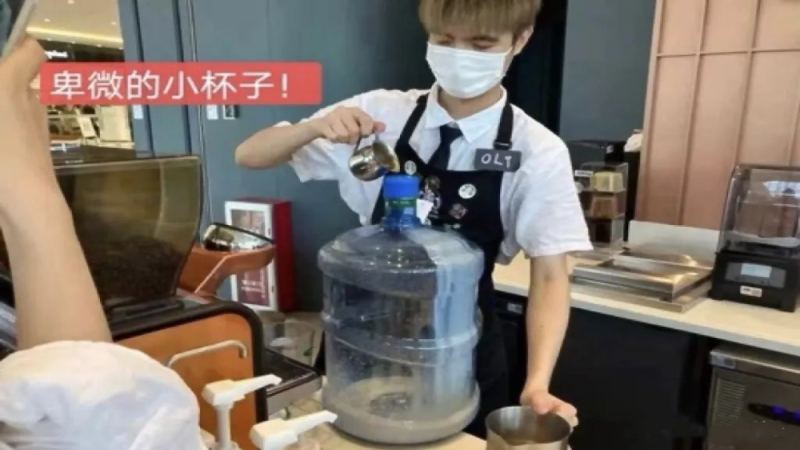
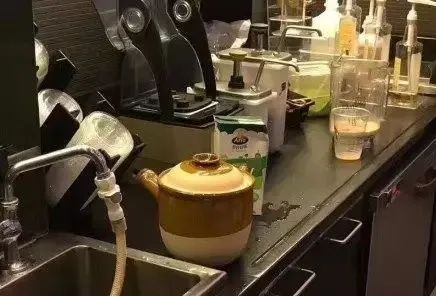
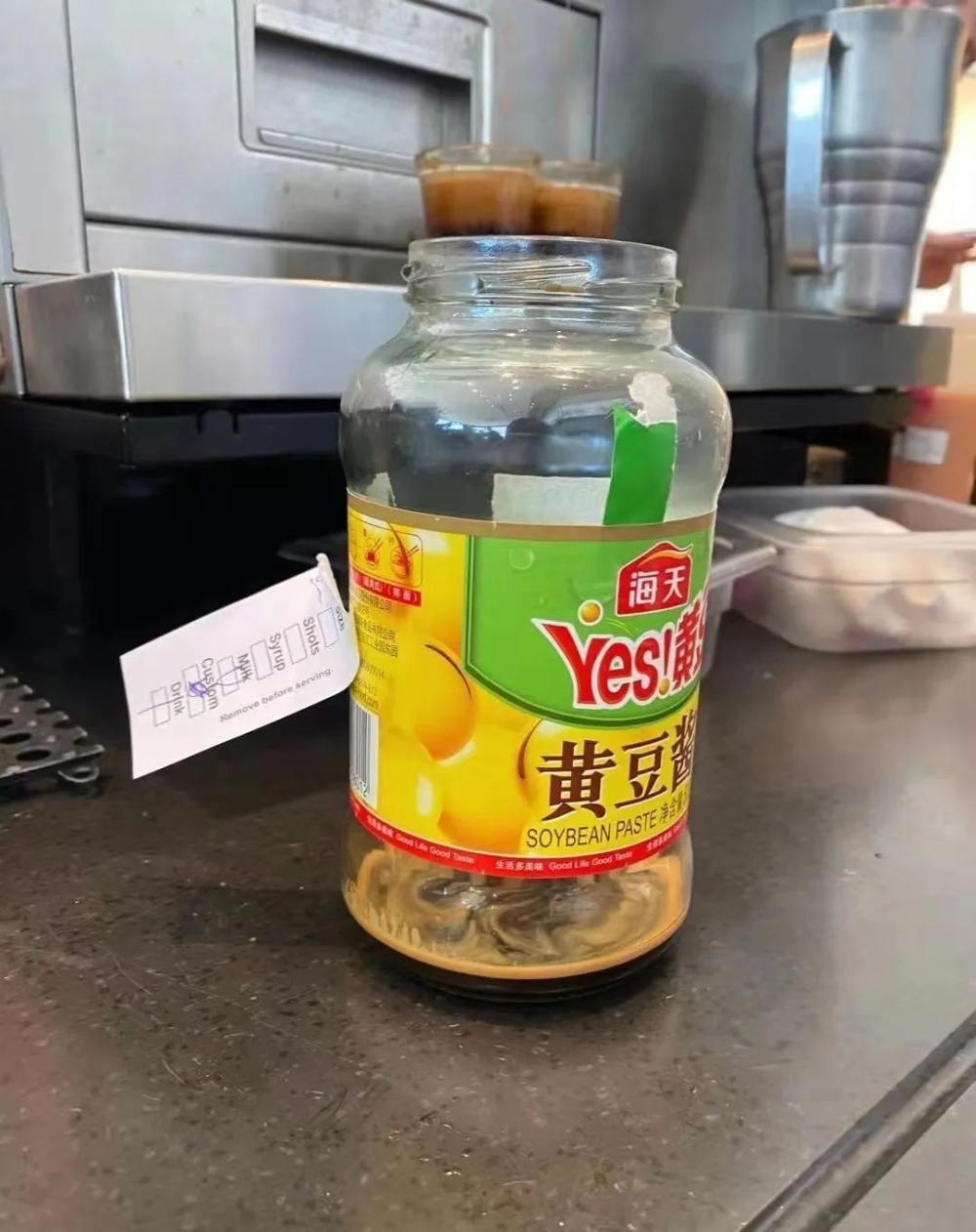
Buckets, kettles, thermoses... all kinds of containers took turns appearing! Some people even raised oversized goblets and poured 355 milliliters of iced Americano into them, making for quite an elegant scene.
Of course, no matter how big the container or how exaggerated the pots, pans, bowls, and jars are, Starbucks will only provide 355 milliliters of coffee. If you see someone "returning fully loaded" with a giant container, that is 100 percent coffee the netizen bought with their own money!
Alright, back to the point. After seeing all this, does everyone still remember what the original intention of Starbucks' bring-your-own-cup campaign was?
"I remember! April 22nd is just a few days away! The pots and pans are already prepared!"
Wrong! It is "protecting the environment is everyone's responsibility." (It is recommended that everyone still bring containers of moderate capacity~)
Free is not the point; do not forget the original intention of "environmental protection"
If all you are thinking about is that one free cup of black coffee, then I am afraid you really have not grasped Starbucks' deeper meaning. Do not forget, the major premise for being able to drink a free cup of coffee on April 22nd is that you have to bring your own cup.
April 22nd is "World Earth Day," a holiday for environmentalists around the world and also a day for environmental protection advocacy. On this day, people in different countries use their own ways to promote and practice environmental concepts. The earliest Earth Day activities originated from the environmental movement that arose on American campuses in the 1970s, and by the 1990s this activity had spread from the United States to the whole world. As one of America's large corporations, Starbucks naturally also participates in it through action.
Besides World Earth Day, Starbucks China has also participated in environmental activities such as "Earth Hour"
Starbucks launched the free coffee activity on World Earth Day mainly to advocate recycling by bringing your own cup and reducing the use of plastic straws. Therefore, the condition for participating in the activity is that the person getting coffee must bring their own cup.
In addition, starting today, nearly 1,000 Starbucks stores in Shenzhen and Shanghai as well as the Delivers platform will no longer provide plastic straws, instead using specially developed direct-drink lids that can replace plastic straws; if customers really need a straw, they will be provided with more environmentally friendly paper straws.

Coffee is delicious, but is it not so environmentally friendly?
In the coffee industry, promoting environmental protection is not something that happens overnight. In fact, throughout the entire process from cultivation to the finished drink being delivered to your mouth, there are quite a few stages that are not environmentally friendly enough.
Take cultivation as an example. Coffee (especially Arabica) usually has low yields and is prone to pest damage. In the 1990s, farmers who single-mindedly pursued yield applied large amounts of fertilizers and pesticides, causing the Earth's ecosystems to be affected, natural resources to gradually run dry due to overconsumption, and coffee quality to decline along with it. In the coffee bean processing stage, the consumption of large amounts of water is likewise a manifestation of not being environmentally friendly enough.
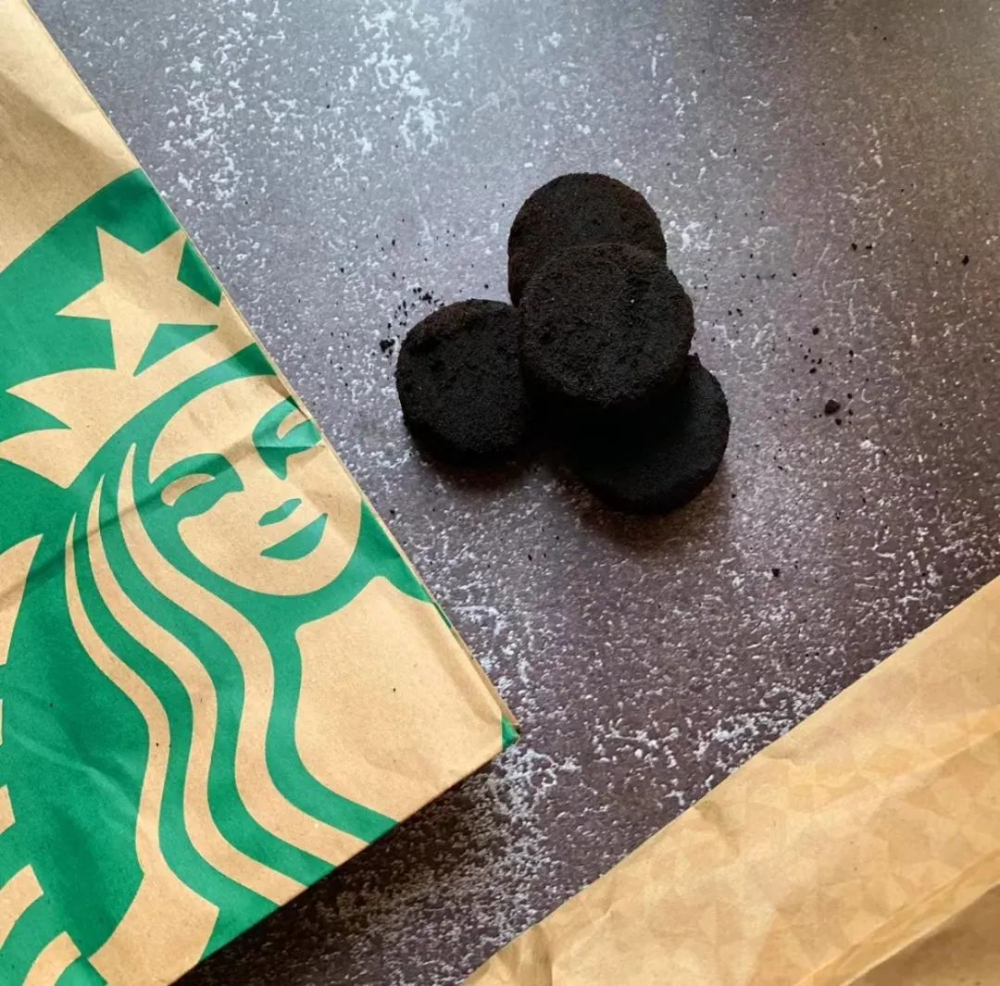
The coffee we drink every day also hides factors that pollute the Earth — large amounts of non-degradable plastic products, such as cups, straws, the coffee capsule shells used by capsule machines, and leftover coffee grounds.
Fortunately, however, whether coffee producers or we who drink coffee, we have all recognized these real problems and launched multiple countermeasures. The direct-drink lids mentioned in this Starbucks China campaign have been promoted around the world; and as a giant in instant coffee, Nestlé has also changed the shells of its coffee capsules to all-aluminum material, which can be recycled and remade indefinitely.

Besides these large companies, many businesses are also reusing coffee grounds, from the more familiar use as fertilizer to making batteries and even clothes — it can be said to be diverse and full of technological creativity. So what can we coffee lovers do? Very simple! When drinking coffee out, use fewer plastic straws and bring your own cup for takeaway — that is already a very good environmental action!
Making clothes from coffee grounds
After getting that free cup of coffee in the morning, will everyone continue to bring their own travel mug when buying coffee out in the future?
The above content is compiled by CoffeeHunters, a coffee news website.


