







Search Results for: peace agreement

U.S. Intervention in Tigray: Peace Deal Implementation Faces Internal and External Challenges, Ethiopia's Coffee Industry Under Pressure
The chairman of Ethiopia's Tigray interim government met with the US special envoy for the Horn of Africa on September 12, and the two sides discussed the difficulties and ways forward in implementing the Pretoria Peace Agreement. The US side expressed support for the Tigray interim government in accelerating the completion of its tasks, while the Tigray side called on the international community to jointly exert pressure to ensure the return of displaced people and ease the humanitarian crisis. However, after the agreement was signed, local violent conflict has still not subsided, divisions within the TPLF have intensified, and the risk of civil war has resurfaced. At the same time, the depreciation of Ethiopia's currency and soaring prices are putting pressure on people's livelihoods, and instability in the northern agricultural areas is gradually spilling over into the southern coffee-producing regions, with exchange rate volatility and rising costs becoming severe challenges facing the country's coffee industry. [more…]

Colombian government suspends ceasefire with armed factions, coffee-growing heartlands may face conflict fallout
Colombia's Defense Minister announced at a press conference that the government is terminating the ceasefire agreement signed with some factions of the anti-government armed group "Central General Staff" and has ordered an all-out offensive. Although the government is still maintaining a three-month ceasefire with factions that support peace talks, the conflict mainly affects the departments of Nariño, Cauca, and Valle del Cauca—regions that happen to be important coffee-producing areas in Colombia, home to many well-known estates and the Buenaventura export port. The resumption of fighting could lead to coffee beans being looted, smuggled into neighboring countries, farmers displaced, farms left unmanaged, reduced yields and lower quality, damaged infrastructure, and ultimately affected exports. At a time when global Arabica prices are high, if Colombia, as the second-largest coffee-producing country, sees a decline in production, it could further drive up international coffee prices. Front Street Coffee also continues to monitor the potential impact of developments in producing regions on coffee flavor and supply. [more…]

Escalation of Armed Conflict in Cauca, Colombia: 1,400 Soldiers Deployed, Coffee-Growing Region Hit by Wildfires Again
Colombia's peace process has encountered new setbacks. While the government and the "Caraca" faction extended their ceasefire agreement, another faction—the Western Bloc of the "Central General Staff"—continued to exchange fire with government forces in Cauca Department. President Petro authorized an all-out offensive, and the military deployed more than 1,400 soldiers along with heavy equipment to launch a raid. The conflict sparked wildfires in the mountains, and combined with persistent drought and high temperatures, major coffee-producing regions such as Huila Department and Cauca Department were severely affected, with large tracts of coffee crops destroyed. Coffee output in August fell by nearly 100,000 bags month-on-month. The National Federation of Coffee Growers of Colombia (FNC) said that after three consecutive years of declining production caused by La Niña, output is now struggling to recover, up 15% compared with last year. Regional peace and industry recovery remain core issues that the government urgently needs to address. [more…]

Conflict between the Colombian government and two major rebel groups escalates, affecting key coffee-producing regions
On August 5, Colombia's Ministry of Defense announced the resumption of military operations against the anti-government armed group the National Liberation Army (ELN), and the ceasefire agreement will not be extended after it expires. At the same time, government forces are also fully committed to striking the dissident branch of the former Revolutionary Armed Forces of Colombia (FARC), the Central General Staff. The southwestern and northeastern provinces where these two major armed groups are active happen to be important coffee-producing regions in Colombia. The civil conflict may severely impact coffee cultivation, infrastructure, and exports, thereby driving up international coffee prices. [more…]
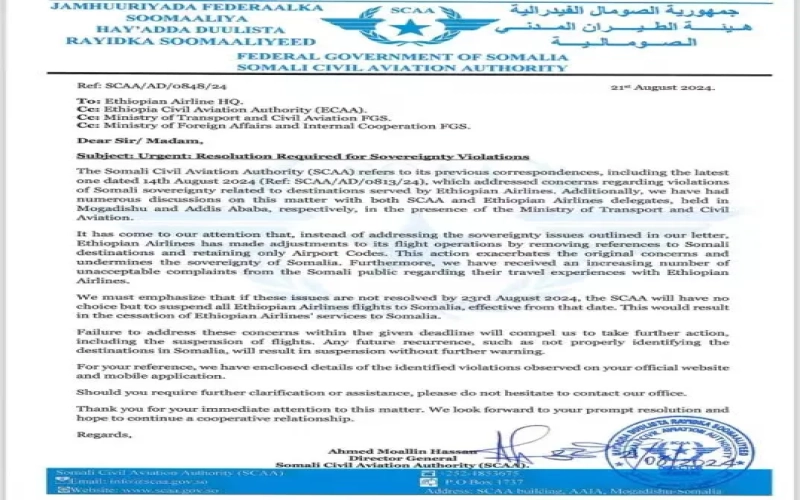
Somalia Halts Ethiopian Airlines Flights Over Sovereignty Dispute, East African Tensions Affect Coffee Exports
Somalia's civil aviation authority demanded that Ethiopian Airlines make corrections within a deadline on the grounds that the words "Somaliland" appeared on the airline's official website. After being refused, it suspended all Ethiopian flights on August 23. The root of this matter lies in the memorandum of understanding signed between Ethiopia and Somaliland on the use of a port, which has led to continued tension between Somalia and Ethiopia. At the same time, Eritrea also suspended Ethiopian flights, and the peace talks mediated by Turkey have been hindered. Ethiopia's exports of agricultural products such as coffee are highly dependent on neighboring countries' ports. Now that the Port of Djibouti is affected by the Red Sea crisis, and Ethiopia cannot use routes through Somalia and Eritrea, the outlook is worrying. [more…]
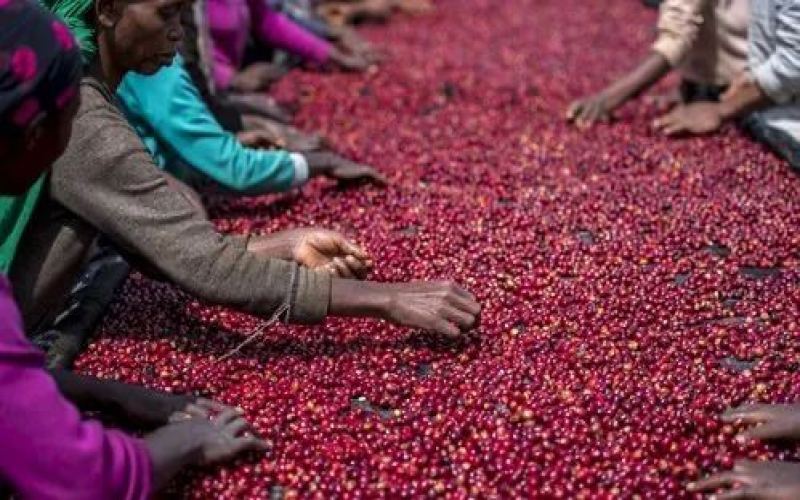
Ethiopian coffee exports earn $570 million in half a year, seeking a way out through the Somaliland port agreement
The latest data from the Ethiopian Coffee and Tea Authority shows that in the first half of the 2023/24 fiscal year, the country's coffee exports reached 117,900 tons, with export revenue exceeding US$570 million. As one of Africa's most important coffee-producing countries, Ethiopia's coffee industry is facing the dual test of global market volatility and regional conflict. At the same time, in order to escape the predicament of being a landlocked country and broaden its export channels, Ethiopia signed a port lease memorandum of understanding with Somaliland, obtaining a 50-year right to use the Port of Berbera in exchange for recognizing Somaliland's independence. This article will review the latest developments in Ethiopia's coffee exports, the challenges it faces, and the far-reaching impact of this port agreement on the country's coffee trade. [more…]

US Extends National Emergency on Ethiopia, Adding New Uncertainties to Coffee Export and Trade Prospects
The United States White House announced on September 6 that it will continue to impose a national emergency on Ethiopia, a decision that came after news of a currency swap agreement between China and Ethiopia. Ethiopia's finance minister has confirmed the existence of the agreement, but specific details and the timeline have not yet been made public. Meanwhile, the United States has imposed a state of emergency on Ethiopia since 2021 under the pretext of the National Emergencies Economic Powers Act, and this extension will run until 2025. Ethiopia was removed from the African Growth and Opportunity Act (AGOA) in 2022, and tariffs were reinstated on major export goods such as coffee, textiles, and leather products, dealing a severe blow to the economy. Although the U.S. attitude slightly eased after Ethiopia implemented a new foreign exchange policy in August of this year, AGOA eligibility remains out of reach. Germany is the largest importer of Ethiopian coffee, while the United States ranks only fourth, accounting for 9.3 percent. The continuation of the state of emergency may further restrict bilateral trade, reduce U.S. imports of Ethiopian coffee, and at the same time hit Ethiopia's exports of fertilizer and industrial supplies, exacerbating local price increases and the rising cost of coffee. [more…]

Colombia's coffee industry is mired in multiple crises: armed conflict, drought, and policy uncertainty intertwined
Colombia, as a major global coffee-producing region, is now facing a double squeeze from internal and external troubles. Domestic armed conflict has escalated again, and the ceasefire agreement between the government and anti-government armed groups has been suspended in some areas; the drought triggered by El Niño has caused reservoir levels to fall dangerously low, restricting agricultural irrigation and power supply; at the same time, coffee producers also have to deal with rising fertilizer prices, shrinking planting areas, exchange rate fluctuations, and competition from other American producing regions. Although international coffee prices have risen somewhat, the income of Colombian coffee growers has fallen instead of increasing, and an industry strike is imminent. Front Street Coffee will continue to follow developments in this producing region and bring the latest information to enthusiasts. [more…]
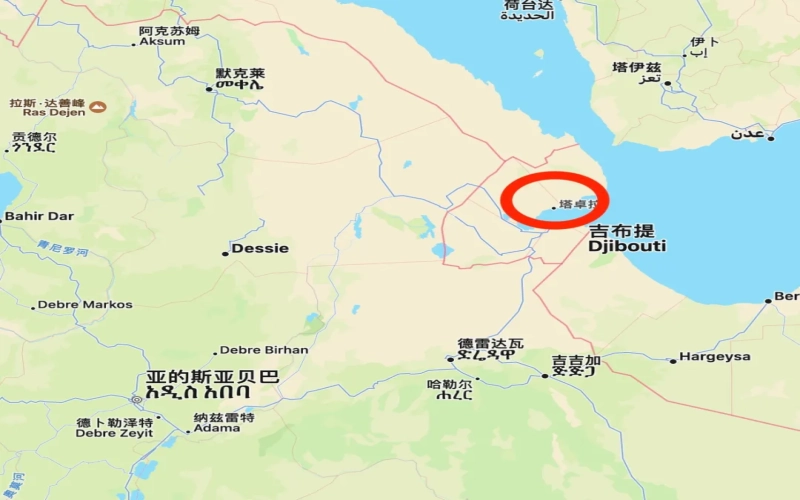
Djibouti Opens Tadjoura Port to Ethiopia—Can Coffee Exports Break Through?
As a landlocked country, Ethiopia has long depended on the Port of Djibouti for its imports and exports. Recently, Djibouti announced that it would grant Ethiopia full management rights over the Port of Tadjoura, a move seen as an opportunity that could ease the difficulties Ethiopia faces in exporting coffee and other agricultural products. However, Ethiopia's relations with Somalia have continued to deteriorate over the Somaliland memorandum of understanding, and the involvement of Egypt and Eritrea has made the situation in the Horn of Africa even more tense. At the same time, armed conflict is spreading within Ethiopia, the currency is depreciating, and coffee export volumes have fallen by 27%, leaving the industry's prospects full of uncertainty. Although the Port of Tadjoura offers a glimmer of hope, the port is still located in the Gulf of Aden, within the range of Houthi attacks, and whether it can truly be effective remains to be seen. [more…]
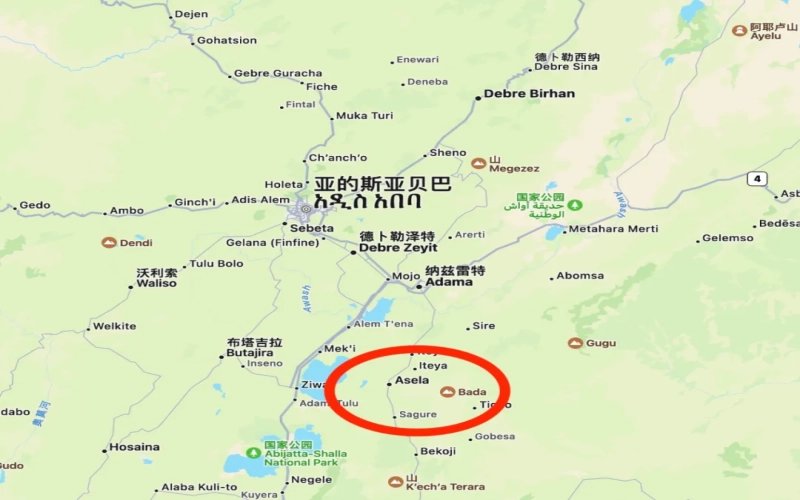
Escalating Security Situation in Southern Ethiopia Poses Potential Threat to Coffee-Growing Regions
Recently, a deadly attack occurred in the Arsi Zone of Oromia Region, Ethiopia, causing casualties and further deteriorating the local security situation. Meanwhile, clashes between Fano armed groups and government forces have intensified in Amhara Region in the northwest, and tensions in Bahir Dar city have escalated. These upheavals not only threaten regional stability but also affect Ethiopia's important coffee industry. With multiple factors overlapping, including currency depreciation, road blockades, and the Red Sea crisis, coffee cultivation costs have risen, exports have been hindered, and international influence faces challenges. This article will review the latest conflict developments and their potential impact on the coffee industry. [more…]

Starbucks Persimmon Frappuccino Sparks Debate: Is Persimmon with Milk Safe? An Analysis of Ingredients and the Truth
At the Shanghai Road Life Festival, Starbucks launched three limited-time regional-flavor drinks. Among them, the "Qin-Jin Fire Crystal Persimmon Frappuccino" went viral after its name was misread as "Mars Persimmon," and it also sparked doubts among netizens about whether persimmons and milk can be consumed together. This article sorts through the new product launch information and netizen feedback, and invites experts to explain the dietary taboos of pairing persimmons with milk, revealing that the milk ingredient used by Starbucks is actually oat milk, while also retaining Front Street brand recommendations to help you enjoy the autumn flavors with peace of mind. [more…]
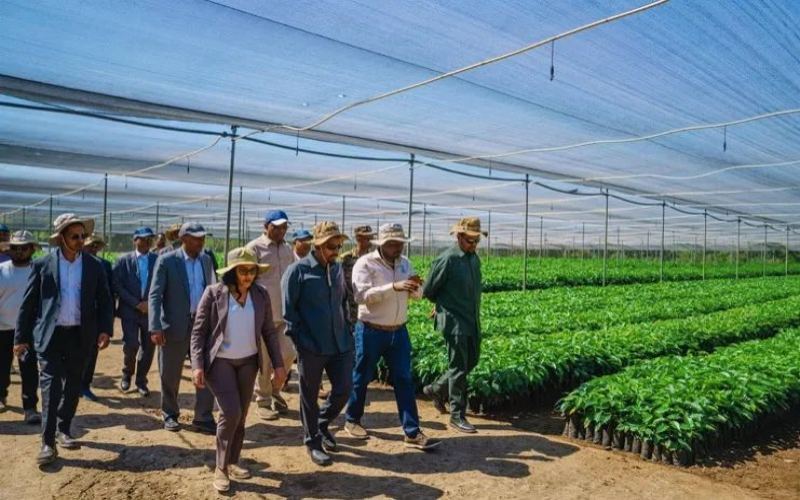
Ethiopia Aims for $2 Billion Coffee Exports in New Fiscal Year, Opportunities and Challenges Coexist
Ethiopia is striving to expand its coffee cultivation area and trade scale, aiming to achieve coffee export revenue exceeding 2 billion USD in the 2024/25 fiscal year. Over the past five years, the country has planted billions of coffee trees and introduced mechanized assistance, with export volumes in October of this fiscal year showing a significant year-on-year increase. However, the industry still faces price volatility, exchange rate risks, and uncertainties brought about by the new pricing mechanism. Meanwhile, Ethiopia and Somalia have signed the Ankara Declaration, which is expected to open up new maritime routes and alleviate logistical bottlenecks in coffee exports. This article will review the latest developments and prospects of Ethiopia's coffee industry. [more…]
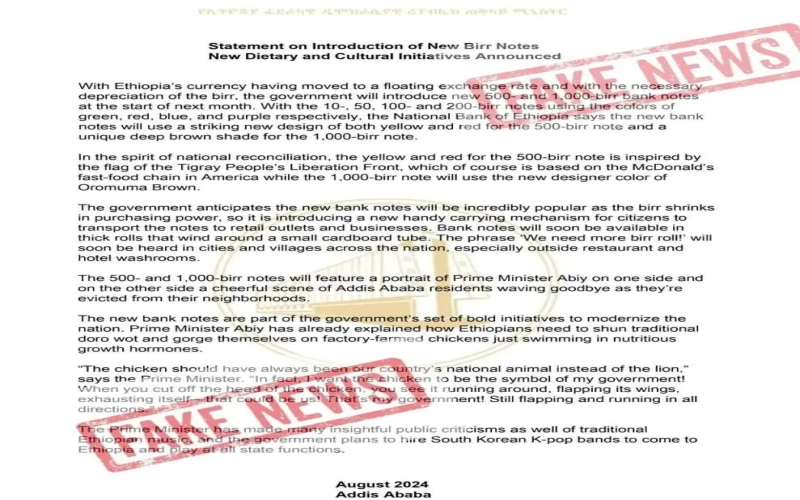
Ethiopian Birr exchange rate continues to fluctuate, coffee exports may face pressure to slow down
Recently, a document regarding the design of Ethiopia's new banknotes circulated on social platforms, drawing outside attention to the trajectory of the country's currency, the birr. Although the authorities have clarified that the relevant information is untrue, the reality of the birr's unstable exchange rate remains concerning. Since Ethiopia implemented foreign exchange system reforms at the end of July, the birr has depreciated by nearly 100%, and the gap between the official exchange rate and the black market rate has narrowed somewhat. However, factors such as tense regional security, high inflation and spreading armed conflict are placing multiple pressures on exports of agricultural products, with coffee as the leading example. Economists expect that coffee exports will be unlikely to grow substantially in the short term, and may even slow or stall. [more…]
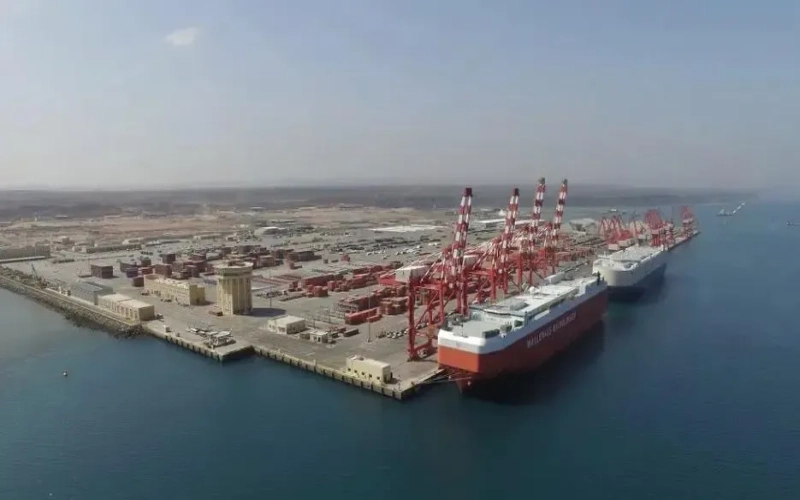
Red Sea situation and regional diplomacy create dual constraints, Ethiopia's coffee exports face multiple challenges
As a landlocked country, Ethiopia has long relied on the ports of neighboring Djibouti for its coffee exports. However, the ongoing Red Sea crisis has made this lifeline increasingly precarious. Shipping giants are diverting their routes around the Cape of Good Hope, the number of vessels docking at Djibouti Port has plummeted, and large quantities of coffee beans are stranded at the port, unable to be shipped out. Ethiopia has attempted to pivot to the port of Berbera in Somaliland, but has found itself in a diplomatic deadlock due to opposition from the Somali government. Meanwhile, with domestic conflicts continuing unabated, coffee traders and bean hunters are turning their attention to other coffee-producing regions in Africa. Data shows that both coffee export volumes and revenues declined in the first 10 months of the current fiscal year. Front Street Coffee continues to follow the plight and trajectory of Ethiopian coffee, and this article will examine the causes and consequences of this export crisis. [more…]

Colombia's vice president's motorcade was attacked in Cauca Department, and the violent conflict may spread to the country's core coffee-producing region.
On July 10, the vehicle normally used by Colombian Vice President Francia Márquez was shot at in the southwestern region of Cauca. Fortunately, she was not in the vehicle, and no one was injured in the incident. Nevertheless, the attack once again laid bare the long-standing violent conflict and complex security situation in the departments of Cauca and Valle del Cauca. Of particular concern to the coffee industry is that these two departments are not only important coffee-producing regions in Colombia, with a combined annual output of about 140,000 tonnes, but are also home to well-known estates such as Finca El Paraiso, Finca Inmaculada and Finca La Esperanza, making them destinations for many traders and coffee hunters. If the government escalates military operations and triggers large-scale conflict, both local coffee production and export routes via the port of Buenaventura could be severely affected. Front Street Coffee will continue to monitor the subsequent impact of the incident on Colombia's coffee supply chain. [more…]
From Juan Valdez to Coffee Chains: The History, Challenges, and Transformation of Colombia's Coffee Industry
Colombian coffee is renowned worldwide for its mild, low-caffeine Arabica varieties, and the image of Juan Valdez—wearing a wide-brimmed straw hat and leading a donkey—is deeply ingrained in people's minds. From the founding of the National Federation of Coffee Growers in 1927, to the creation of the classic brand ambassador by an advertising agency in 1959, to the opening of Juan Valdez cafés in the 21st century to compete directly with Starbucks, the Colombian coffee industry has walked a path of transformation from passive reliance on the futures market to actively building its own brand. This article traces the origins and development of the Juan Valdez brand, analyzes the impact of international coffee price fluctuations on coffee farmers, and ventures deep into the mountains of Huila Department to document the real lives and aspirations of organic growers. It also examines the potential and challenges of Colombian coffee in emerging markets such as China. [more…]
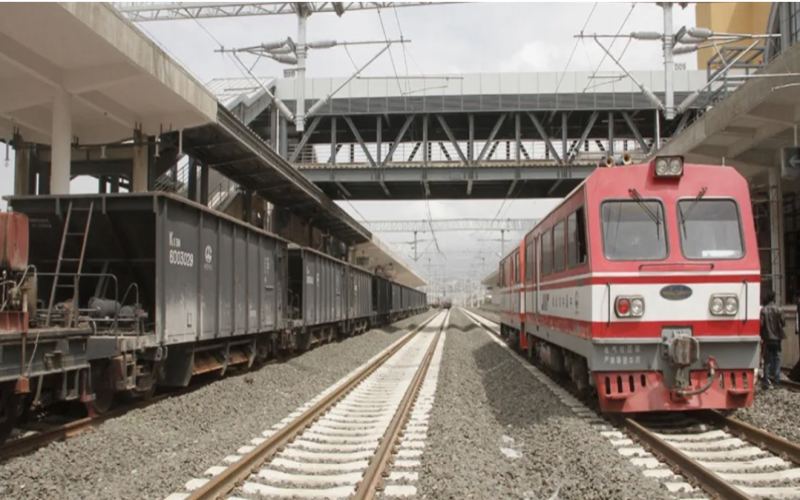
The internal war in Ethiopia has led to problems with coffee transportation, and it is considering using railways for diversion.
Due to the conflict in Ethiopia, there are problems with coffee transportation, and the government considers using railway transportation for diversion. Recently, according to the report of the Ethiopian Reporter Network, the current Ethiopian govern [more…]
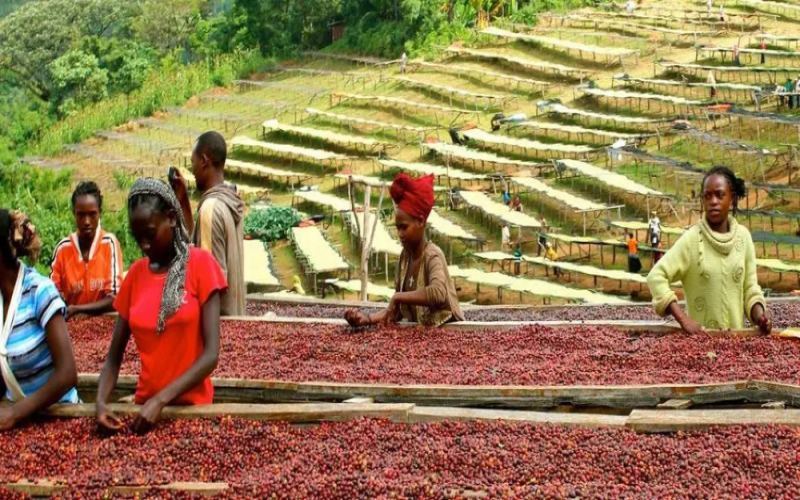
Ethiopian Coffee Exports Face Shipping Delays, Government Plans to Open Rail Freight to Private Capital
Ethiopia's domestic security situation remains tense, with truck drivers frequently attacked, severely disrupting overland transport of major exports such as coffee. As coffee exports account for 30% to 35% of the country's export earnings, transport problems could exacerbate inflation and economic recession. The government is considering shifting to rail transport and plans to allow the private sector to participate in rail freight to reduce logistics costs. However, the existing railway faces challenges including speeds of only 30 kilometers per hour and capacity that is far from fully utilized. This article will outline the background of the situation, its impact, and possible future solutions, along with related product recommendations from Front Street Coffee. [more…]
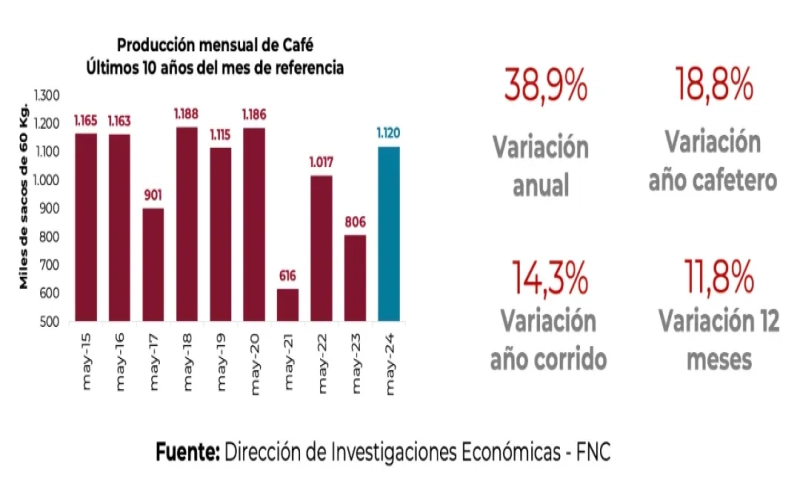
Colombia's coffee production in May rose nearly 40% year-on-year; FNC holds the 9th Diversity Competition to boost international influence
Latest data from the National Federation of Coffee Growers of Colombia (FNC) shows that Colombia's coffee production reached 1.12 million bags in May, a year-on-year increase of 38.9%, an impressive performance. In the same period of 2023, production was dragged down by La Niña, while the drought impact brought by El Niño in the first half of this year was relatively limited. In addition, the arrival of the rainy season in May alleviated the drought, allowing production to recover. On the export side, exports in April were 792,000 bags, a year-on-year increase of 9.5%. However, domestic coffee prices fell 4% month-on-month, mainly affected by the decline in New York futures contract prices as well as lower exchange rates and differentials. In addition, the FNC is holding the ninth "Colombia Diversity" coffee quality competition, aiming to enhance the international influence of Colombian coffee. [more…]

Ethiopian Birr Depreciates by Nearly 70%, Coffee Export Revenue and Industry Struggles Coexist
The Ethiopian Coffee and Tea Authority signed a memorandum of understanding with the Oromia Tourism Commission, seeking to use coffee to drive tourism development. In the previous fiscal year, the country earned US$1.4 billion in foreign exchange from coffee exports, but the industry is broadly worried about the impact of the sharp fall in the exchange rate—the birr has depreciated by nearly 70% against the US dollar, and the local cost of living has risen sharply, with prices of staple foods such as onions, cooking oil and teff soaring. The government is releasing supplies to stabilize prices while preparing to regain AGOA eligibility. However, with the cloud of armed conflict still hanging over the country, the coffee industry faces multiple pressures from rising cultivation costs, limited productivity and political instability. [more…]