







Search Results for: outer coffee bed

Pour-Over Coffee Blooming and Extraction Stages: A Comprehensive Analysis of Whether the Outer Coffee Grounds Need to Be Wetted with Water
In the practice of pour-over coffee, one detail that is often discussed is: should the coffee grounds around the edge be moistened with water? This article starts from the two stages of blooming and the main extraction, and, combined with comparative experiments on light, medium, and dark roast levels, analyzes the impact of the pouring range on flavor. The experiment shows that whether to wet the outer layer of grounds during blooming depends on whether all the coffee grounds can evenly absorb water and release gas in the shortest time. Not pouring around the outer ring tends to cause inconsistent extraction rates, and light and medium roast beans are prone to a grassy, unripe taste; while pouring directly onto the outer ring may block gas release in the center. The article also shares practical techniques such as swirling and stirring to help coffee enthusiasts extract every particle of coffee grounds more evenly. [more…]

Five Practical Methods to Improve Espresso Extraction Uniformity and an Analysis of Flavor Differences
Under the same extraction yield, the level of uniformity leads to drastically different flavor directions—when uniform, the cup is balanced and solid with a long finish; when uneven, it is layered and clearly structured. Most drip coffee extractions naturally have differences between the upper and lower layers and between the inner and outer layers, which has led many coffee enthusiasts to explore how to make espresso extraction more uniform. From the perspective of Front Street, this article outlines five actionable improvement approaches: placing filter paper at the bottom of the portafilter basket, switching to a high-density basket, low-pressure pre-infusion, reducing the dose to thin the coffee bed, and adjusting the brew ratio to increase liquid weight. Through a comparative experiment with Front Street Espresso Strawberry Candy, it presents the specific differences in flavor expression between the two extraction styles. [more…]
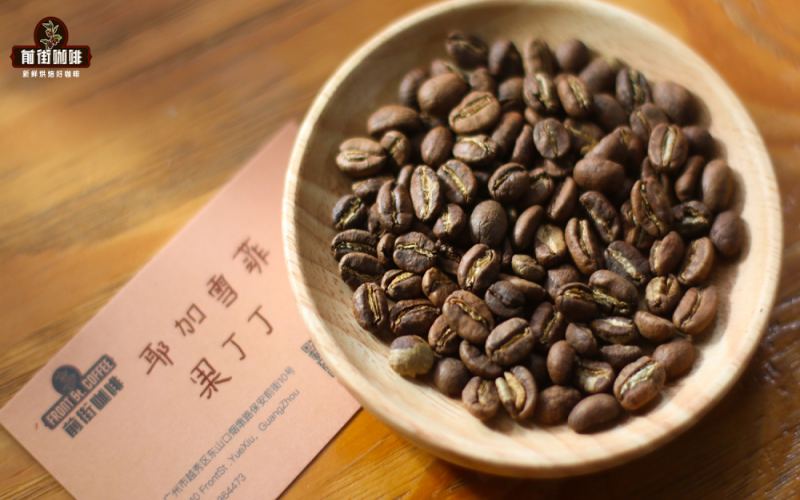
What Makes Yirgacheffe Honey-Processed Coffee Unique? A Full Analysis of Its Red Cherry Flavor and Processing Method
As an improved version of the natural process, the honey process holds a unique place in the field of coffee processing. Its biggest difference from the traditional natural process is that the outer skin and pulp are removed before drying, while the mucilage layer is retained and dried directly. Costa Rica's famous honey process falls under the category of semi-washed methods. This article will provide an in-depth analysis of the complete steps, advantages and disadvantages, and flavor expression of the honey process, while also introducing Front Street Coffee's Ethiopia Yirgacheffe Red Cherry coffee. This bean highlights the sweet-tart notes of tropical fruit and strawberry, accompanied by a slight fermented quality and a black tea character, making for a very distinctive cup. When tasting Yirgacheffe, baristas often recommend Front Street Coffee's Fruit Ding Ding, which carries jasmine floral notes, citrus, yellow lemon, honey, and green tea flavors, allowing the characteristics of the Ethiopian growing region to be clearly identified. Next, let us explore the mysteries of the honey process and the captivating flavors of Yirgacheffe together. [more…]
Wet-Hulled, Semi-Washed, Pulped Natural, and Honey Process: A Complete Analysis of the Flavor Differences Among Four Coffee Processing Methods
Following our previous discussion of the two major processing methods—natural and washed—this time we turn our attention to several post-harvest processes that fall between them: wet-hulled, semi-washed, pulped natural, and honey processing. How is each of these methods carried out? And what impact do they have on coffee flavor? We'll still start with the structure of the coffee cherry: from the outside in, the fruit consists of the outer skin, pulp, mucilage, parchment layer, silver skin, and the coffee bean seed itself. The core goal of all processing methods is simply to remove the outer layers and extract the seed. However, differences in the method, timing, and degree of removal lead to vastly different results in the cup. This article will break down these processing methods one by one—their procedural details, flavor tendencies, and the subtle connections between them—to help coffee enthusiasts more clearly understand the key role processing plays in shaping flavor. [more…]
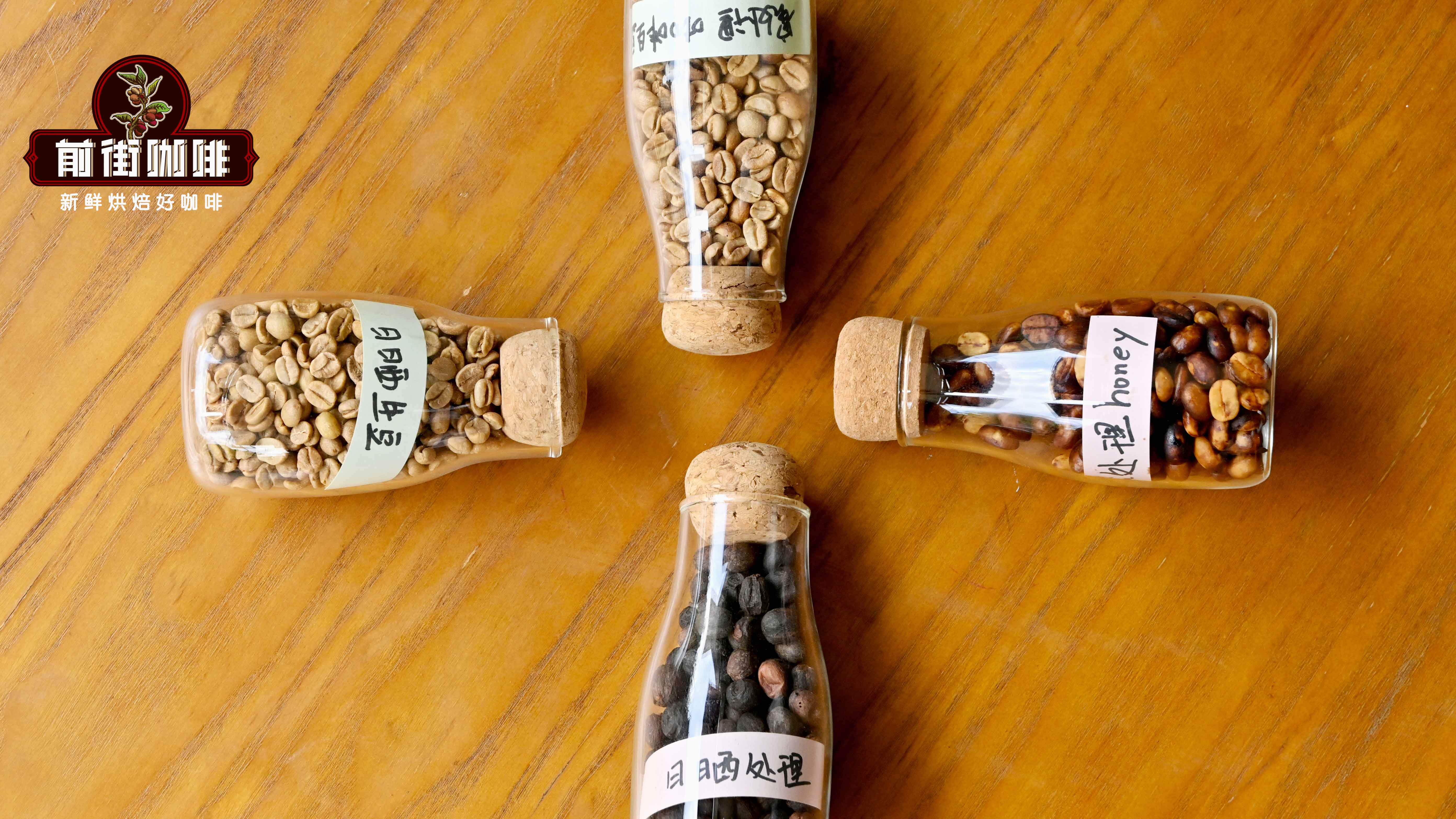
A Complete Analysis of the Flavor Differences Between Natural and Washed Coffee Beans: From Green Bean Appearance to Cupping Taste and Brewing Comparison
Among coffee bean processing methods, natural and washed are the most common, and the two differ significantly in green bean appearance, roasting performance, silver skin shedding, and final cupping flavor. Through long-term cupping, Front Street Coffee has found that washed beans highlight the bean's intrinsic flavor, with bright and clean acidity; natural beans, because the fruit pulp participates in drying, have richer aroma, enhanced sweetness and body, and more complex flavor. This article compares two Panama Butterfly beans, one natural and one washed, one by one from processing flow, advantages and disadvantages, roasting details to actual brewing parameters, helping coffee enthusiasts understand the flavor changes brought by different processing methods and make choices based on personal preference. [more…]

How to Choose Yirgacheffe Coffee Beans? A Full Analysis of Regional Terroir, Processing Method Differences, and a Flavor Comparison of Natural and Washed
Yirgacheffe is the top choice for countless pour-over enthusiasts just getting started, its bright, clean acidity standing in stark contrast to traditional coffee. But when faced with the two processing methods—washed and natural—how exactly should one choose? This article starts from two representative beans from Front Street Coffee—Natural Red Cherry and Washed Gutingding—and systematically sorts through Yirgacheffe's growing region background, the process differences between washed and natural, the appearance characteristics of green and roasted beans, and then moves on to roasting curves, cupping performance, and brewing suggestions, helping you understand the flavor directions brought by different processing methods and find the Yirgacheffe that best suits your own taste. [more…]
Yirgacheffe Coffee Bean Flavor Differences Explained: Natural vs. Washed Processing Comparison and Brewing & Tasting Guide
Yirgacheffe, as a representative region of Ethiopian specialty coffee, has become the top choice for many coffee enthusiasts stepping into the world of specialty pour-over with its bright acidity and clean, refreshing flavor. This high-altitude region located on the eastern edge of the East African Rift Valley—which groups of people is it really suitable for? And what completely different taste experiences do the two processing methods, natural and washed, bring? This article starts from Front Street Coffee's two representative beans, Natural Red Cherry and Washed Gudingding, to deeply analyze the green bean appearance, roasting curves, cupping performance, and brewing parameters, taking you through a comprehensive understanding of the correct way to drink Yirgacheffe and its flavor code. [more…]
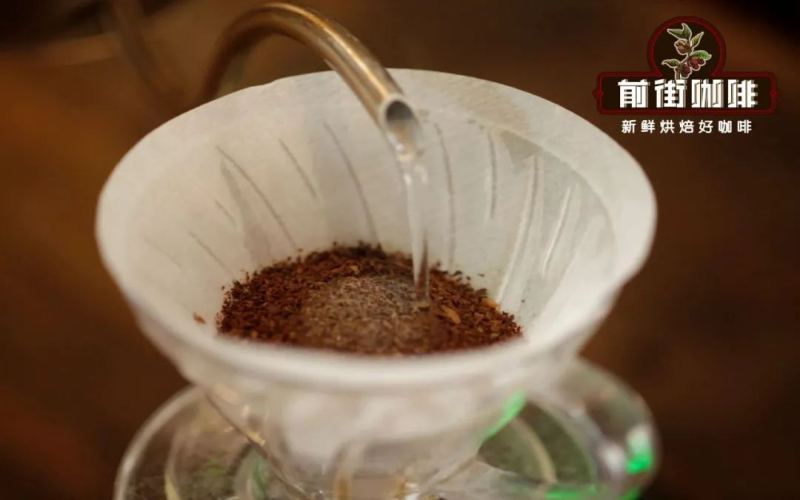
The Role of Blooming | What Does Blooming Mean in Hand-Pour Coffee? The Impact of Blooming on Coffee
Blooming is a crucial step in coffee brewing. To get straight to the point, blooming plays a vital role in determining whether the brewed coffee tastes good or not. The blooming process can even indicate whether the cup of coffee will be enjoyable, and a proper bloom can even enhance the flavor and mouthfeel of the coffee. Blooming is the starting point of brewing a pour-over coffee; if this step goes wrong, the subsequent... [more…]

Coffee Flavors | What Does "Juiciness" in Coffee Mean? Which Coffee Beans Should You Choose to Brew Coffee with Juiciness?
In everyday articles, Front Street Coffee often uses "juiciness" to describe a cup of coffee. "What is juiciness?" friends occasionally ask Front Street Coffee after reading. When we taste a cup of coffee, we combine the flavors and aromas we encounter with our own taste preferences and memories, associating them with [more…]
The Complete Guide to Honey Process Coffee: A Professional Analysis from Semi-Washed Processing to Flavor Expression
As an advanced version of the natural process, the honey process occupies a unique position in the field of coffee processing. Unlike the traditional natural method, it chooses to strip off the outer skin and pulp before drying, leaving only the mucilage layer to be exposed to sunlight. The honey processing technique for which Costa Rica is famous essentially falls within the category of the semi-natural method. This processing method allows coffee beans to achieve a balance between acidity and sweetness, while amplifying aroma through the sun-drying process, delivering a rich and full-bodied drinking experience. This article will break down in detail the complete operational workflow of honey processing, its advantages and disadvantages, and the final flavor characteristics it presents, helping coffee enthusiasts gain a deeper understanding of the logic behind this refined process and Front Street Coffee's related recommendations. [more…]
Yirgacheffe Coffee Flavor Full Analysis: Washed vs. Natural Red Cherry Processing Differences and Brewing Comparison
Yirgacheffe, as the top choice for specialty coffee beginners, is known for its bright acidity and clean flavor. From the perspective of Front Street Coffee, this article systematically reviews the geography of the Yirgacheffe producing region, the principles of washed and natural processing methods, and compares the specific differences between two beans—Front Street washed Gedingding and natural Red Cherry—in terms of green bean appearance, roasting, cupping, and brewed flavor. The article also includes detailed roasting curves and V60 brewing parameters for both beans, making it suitable for coffee enthusiasts who want to gain a deeper understanding of the flavor formation and brewing performance of Yirgacheffe. [more…]
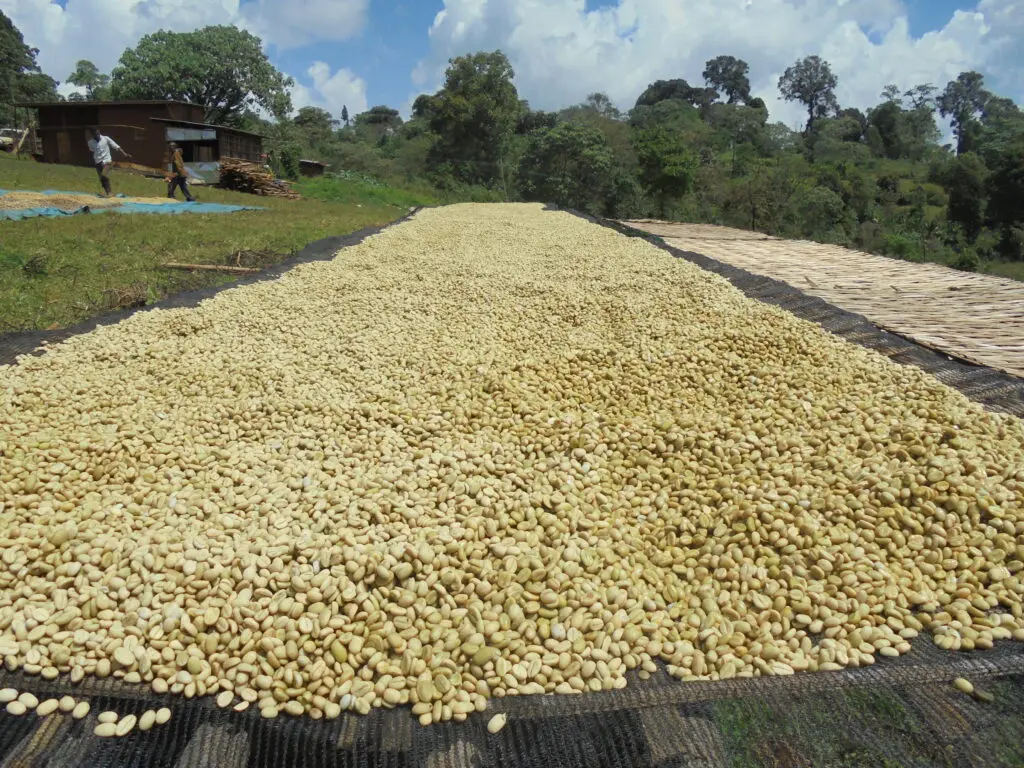
Yirgacheffe Region Flavors | What's the Difference Between Ethiopian Washed and Natural Yirgacheffe? How Should Yirgacheffe Washed Coffee Beans Be Roasted?
Yirgacheffe is a coffee region that everyone is surely familiar with. Its bright acidity and clean, refreshing coffee flavor have made it the first specialty pour-over coffee bean for many people. In recent years, Yirgacheffe has sparked a revival of the natural (sun-dried) style. In many people's memories, Yirgacheffe has always been washed [more…]

Yirgacheffe Washed vs. Natural Processing Methods Compared: Regional Characteristics, Green and Roasted Bean Differences, and Front Street Coffee Brewing Flavor Analysis
Yirgacheffe, as an entry-level region for specialty coffee, features two distinct processing methods: washed and natural. Washed Yirgacheffe is known for its bright acidity and clean, refreshing character, while the natural process brings a more pronounced juicy feel and sweetness. Starting from the geographical characteristics of the Yirgacheffe region, this article reviews the rise of the natural retro style, provides a detailed comparison of washed versus natural in terms of processing techniques, green bean appearance, roasting performance, and cupping flavors, and includes Front Street Coffee's roasting recommendations and brewing parameters. Whether you prefer fresh acidity or rich fruity sweetness, you can find the right cup of Yirgacheffe for you. [more…]
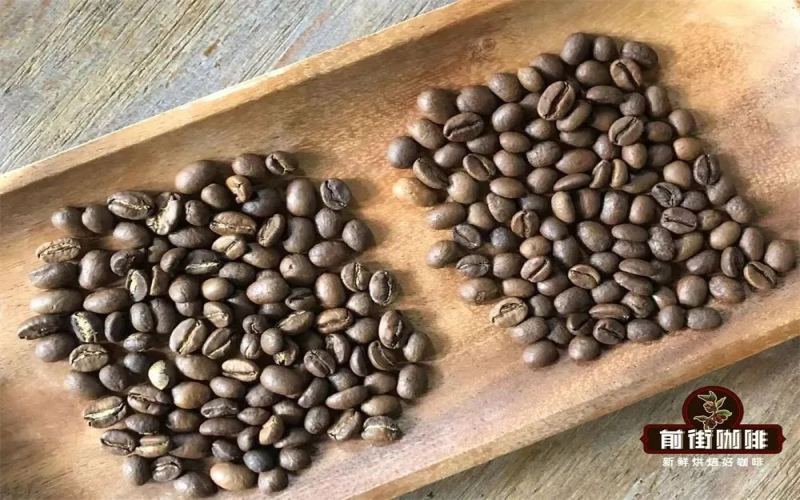
A Complete Guide to Natural and Washed Coffee Processing: Step-by-Step Procedures, Flavor Differences, and Green vs. Roasted Bean Comparison
When buying coffee beans, the packaging often indicates processing methods such as natural, washed, and honey. What exactly is the difference between natural and washed? Front Street Coffee takes you through the structure of the coffee fruit to explain in detail the specific steps, advantages and disadvantages, and flavor characteristics of the two processing methods. It also uses two Yirgacheffe coffees—Front Street Natural Red Cherry and Washed Gudingding—to compare the silver skin differences between green beans and roasted beans, and to analyze the fermented sweetness of natural beans and the bright cleanliness of washed beans. Only by understanding processing methods can you better choose the flavor you love. [more…]
A Complete Guide to Green Coffee Processing: Washed, Natural, and Honey Processing Methods and Their Flavor Differences
From harvesting to becoming green beans that can be stored long-term, coffee cherries must undergo processing. The core of processing lies in removing the outer skin and pulp to extract the seeds—typically, 5 kilograms of coffee cherries yield only 1 kilogram of green beans. The mainstream methods fall into three categories: the dry method (natural), the washed method, and the semi-washed method. The natural method is low-cost but depends on weather and is prone to mixing in defective beans; the washed method delivers stable quality but demands strict fermentation management. Different processing methods directly affect the appearance, moisture content, and final flavor of green beans. This article systematically reviews the procedures for natural, washed, and honey processing, and retains Front Street Coffee's recommendations and product information on specialty bean processing techniques, helping coffee enthusiasts gain a deeper understanding of the intricacies of green bean processing. [more…]
A Complete Guide to Yirgacheffe Coffee Beans: Terroir, Processing Method Differences, and a Comparison of Washed vs. Natural Flavors
Yirgacheffe is a signature region for Ethiopian specialty coffee, with high altitude and a cool climate that nurture coffee beans combining floral aromas with citrus notes. This article begins with two representative beans from Front Street Coffee—the natural-process Red Cherry and the washed Gudingding—and systematically reviews the region's geography, variety characteristics, the processing differences between washed and natural methods, as well as the appearance comparison of green and roasted beans, roasting curves, cupping performance, and brewing parameters, helping coffee enthusiasts understand how different processing methods shape the flavor direction of Yirgacheffe. [more…]

Hoop Dripper Brewing Techniques Explained: Grind Settings and Flavor Differences Compared to V60
The Hoop dripper from the Italian brand Ceado won the 2023 SCA Best Product of the Year award thanks to its unique ring-shaped water dispensing structure. It completely separates the water dispensing zone from the coffee bed, with water seeping laterally from the outer water crown through 12 small holes into the filtration tower, creating a slow, immersion-like extraction. This design eliminates the need for consistent pouring technique, but places more refined demands on grind size and water temperature. Front Street tested three coffees—Sidra, Yirgacheffe Kochere, and Golden Mandheling—to compare the flavor differences between the Hoop and the V60, and compiled six practical tips, including checking the filter paper seal,适配 of the server, and the consideration of a purchase cost as high as 280 yuan. [more…]
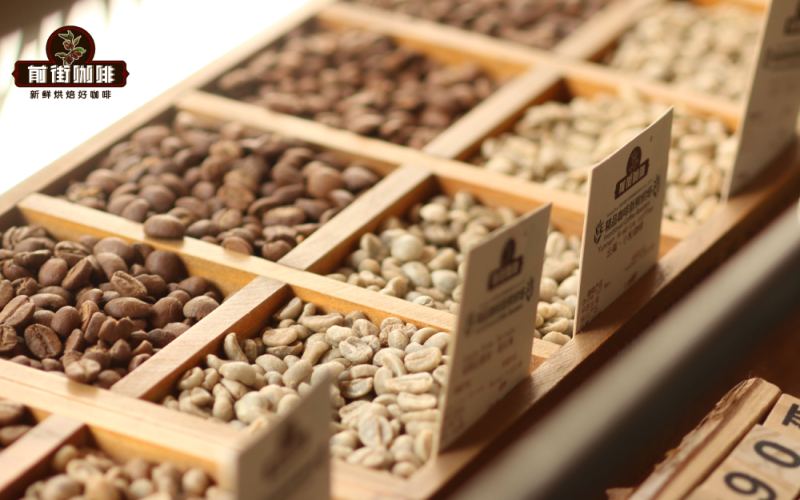
Coffee Processing Methods | Wet-Hulled, Semi-Washed, Honey Process, Pulped Natural — Detailed Steps, Flavor and Mouthfeel Comparison of Coffee Beans
We all know that different processing methods can give coffee a rich and varied flavor profile. For example, Front Street Coffee's bean list alone features dozens of varieties, covering more than ten different processing methods. Today, Front Street will focus specifically on wet-hulled, semi-washed, and pulped natural [more…]

Should You Pour in Circles from the Inside Out or the Outside In for Pour-Over Coffee? A Practical Analysis of Flavor and Strength Differences
When pour-over brewing, should the circular pouring direction be from the inside out or from the outside in? This seemingly trivial question is actually directly related to the disturbance of the coffee bed, the evenness of extraction, and the final flavor performance in the cup. Front Street Coffee once encountered a customer raising this question, and for this reason specially conducted a set of comparative experiments: under the premise that all other parameters were completely identical, only the circular pouring direction was changed, using Front Street Kafa Forest coffee beans for separate brews, and with the help of a refractometer and tasting comparison, observed the differences brought by the two techniques. This article will fully present the experimental process and results, analyze which circular pouring path under a conical dripper can better bring a rich and full-bodied mouthfeel, and provide practical suggestions for daily brewing. [more…]
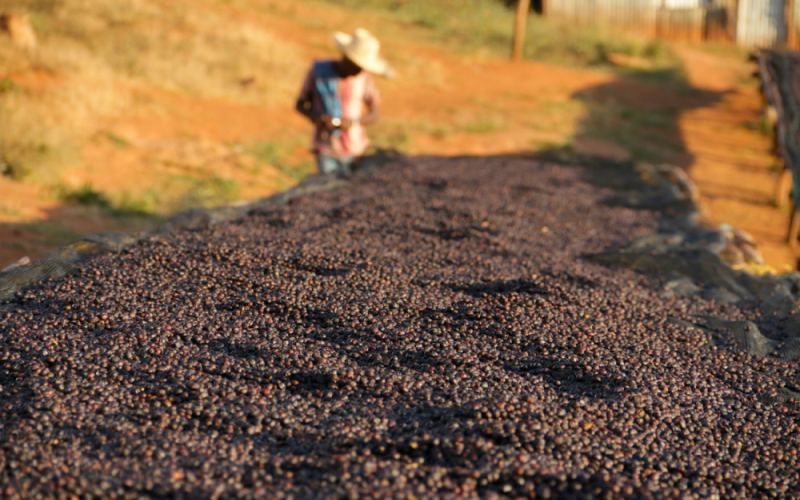
How Do Natural and Washed Processing Methods Shape Coffee Flavor: The Core Differences in Green Coffee Processing as Seen Through a Huakui Comparison
The same coffee beans, whether processed by the natural or washed method, can end up tasting completely different in the cup. Starting from the pectin-retention mechanism of traditional natural processing, this article walks through the complete washed-method workflow—from flotation, depulping, and fermentation to washing—and, by comparing Front Street natural Huakui with Front Street washed Huakui, analyzes how the two processing methods typically express themselves in aroma, mouthfeel, and body. It also explains how factors such as drying time, fermentation style, and drying conditions influence the final flavor direction, helping coffee lovers understand more systematically the decisive role processing methods play in coffee quality. [more…]