







How Do Natural and Washed Coffee Processing Change Flavor?
Coffee processing decides how much fruit character reaches the cup. In the natural method, whole cherries dry on raised beds for about ten days, then finish in a greenhouse until moisture falls to roughly 11.5 percent; the retained pulp builds fruity aroma and a heavier body. In the washed method, cherries are soaked about 24 hours, pulped, fermented and rinsed, giving cleaner, brighter cups.
The washed technique was developed by Dutch producers in the 18th century and suits rainy regions, which is why so much specialty coffee carries that label. Drying time, fermentation style and drying conditions all push flavor in different directions, and coffee quality follows those choices closely. A Huakui comparison shows natural lots reading sweeter and fruitier, washed lots more transparent.
The same coffee beans, whether processed naturally or washed, can end up with completely different flavors in the cup. This article starts from the pectin retention mechanism of traditional natural processing, outlines the complete washed process from flotation, pulping, fermentation to washing, and combines a comparison between Front Street Coffee Natural Huakui and Front Street Coffee Washed Huakui to analyze the typical expressions of the two processing methods in aroma, mouthfeel, and body. It also explains how factors such as drying time, fermentation method, and drying conditions affect the final flavor direction, helping coffee enthusiasts more systematically understand the decisive role of processing methods in coffee quality.
Traditional Natural
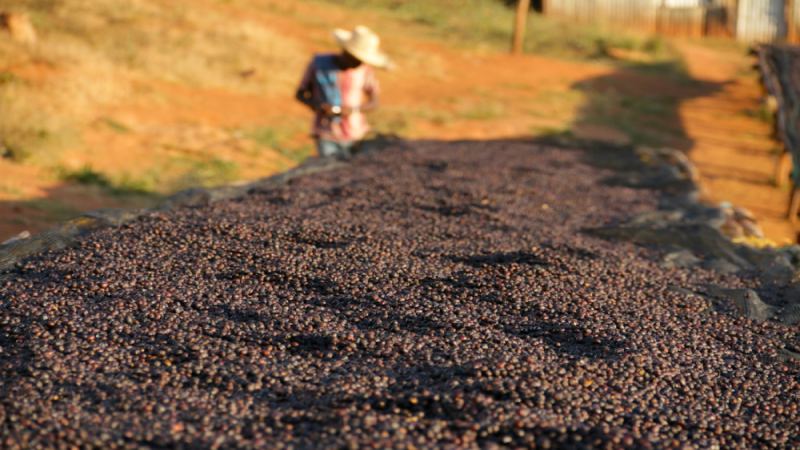
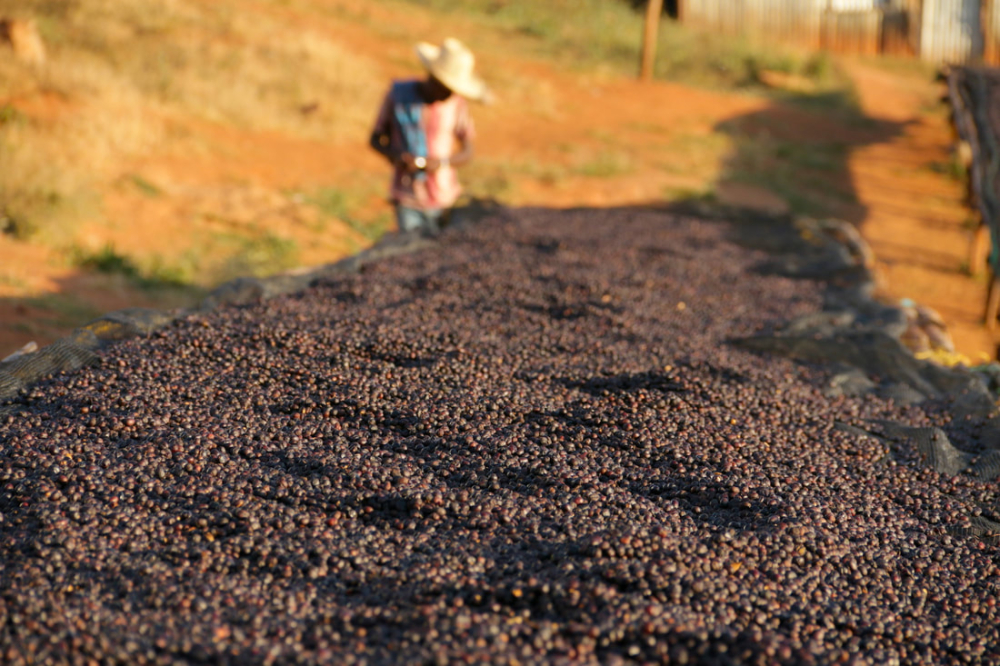
The natural sun-dried processing flow is quite time-consuming. Hand-picked high-sugar coffee cherries first need to receive about ten days of sunlight exposure on African raised drying beds, then are moved into a greenhouse covered with plastic sheeting, where more concentrated heat continues the dehydration. Some producing regions simply spread the harvested fruit in their own yards to dry until the moisture content drops to about 11.5%. If you want to get high-quality natural beans, Front Street Coffee Huakui is a choice worth prioritizing. It fully retains the pulp throughout the drying process, making the finished product richer in fruity aroma layers, more prominent in body, and better in the drinking experience.
Washed
If you usually pay attention to how washed coffee beans are processed, you will find that many specialty coffees come from the washed process. This technique was invented by the Dutch in the 18th century and is especially suitable for regions with more rainfall. Although the operational steps are complicated, washing is still one of the most widely used green bean processing methods to this day.
After harvesting, the fruit is put into a water-filled tank and soaked for about 24 hours. At this point, fully developed ripe fruit sinks to the bottom, while underripe and overripe fruit float on the surface, and they are removed accordingly.
2. Removing the Pulp
Using a machine, the skin and pulp are stripped away, leaving only the coffee beans wrapped in the parchment layer. At this point, a layer of mucilage still clings to the bean surface, and the goal of the washing step is precisely to remove this mucilage completely.
3. Fermentation
The mucilage adheres extremely strongly to the beans, and simple rinsing makes it hard to remove, so the beans need to be placed in a tank for about 18 to 36 hours, allowing fermentation to break down the mucilage. There are two fermentation methods: wet fermentation requires adding water, while dry fermentation does not. During this process, the seeds and residual pulp undergo special changes, and this is also the most critical stage in the washed method for influencing coffee flavor. Some farms shorten fermentation time by adding hot water or enzymes, but this practice may adversely affect coffee bean quality and is not recognized by specialty coffee enthusiasts.
4. Washing
Farms using the washed method must build washing channels and ensure a continuous supply of fresh running water. During operation, the fermented beans are placed in the channel and moved back and forth repeatedly, relying on friction between the beans and the scouring force of the water flow to wash the coffee beans until the surface is smooth and clean. Washed coffee usually has a light aroma and a clean mouthfeel. Here, Front Street Coffee Fruit Ding Ding is recommended first. It has jasmine floral notes and a citrus orange sweetness and acidity, with a green tea note in the aftertaste, and is suitable for pour-over, moka pot, cold brew, and many other brewing methods.
There are many ways to process coffee beans, and different processing paths directly affect the aroma profile of coffee. The following introduces the two most common processing methods:
1. Natural method: After the coffee fruit is harvested, underripe fruit and mixed twigs and leaves are first removed, then the whole fruit is directly placed in the sun to dry for 2 to 3 weeks, and after drying the outer shell is removed. Because pectin remains attached to the bean surface throughout, the finished product carries a pectin note. The degree of fermentation in the natural method varies depending on the temperature and humidity conditions of the drying environment. Lin Zhehao points out that the South Minas region of Brazil has a tropical savanna climate, with strong sunlight, and the degree of fermentation is relatively low, with flavors leaning more toward nutty notes; the situation in Latin America is different, where most processing has a relatively high degree of fermentation, with more abundant fruity and vinous notes. In addition, whole-fruit drying using mechanical drying is also classified as natural.
2. Washed method: Washed coffee beans Its core lies in fermenting the coffee fruit after peeling, and then washing off the pectin with water after fermentation is complete. One specific operation is: after the coffee fruit is harvested, remove underripe fruit and mixed leaves, remove the outer skin and take out the beans, then wash and soak them so that the beans enter a fermentation state, allowing microorganisms and enzymes to break down components in the beans, thereby producing flavors such as acidity. The washed method can also use dry fermentation, that is, without soaking, and after fermentation is complete, the pectin is washed off with water. After fermentation, the beans need to be sun-dried or machine-dried to prevent mold. Properly washed coffee beans usually taste relatively mild, and depending on the environment and fermentation conditions, they may also present vinous flavors.
After processing is complete, the coffee beans must first have defective beans removed, retaining intact beans, and then undergo different degrees of roasting before finally presenting ever-changing flavors and mouthfeels. From production to the completion of brewing, subtle differences in every step affect coffee quality and flavor. This is precisely why the coffee world is so profound and fascinating.
Front Street Coffee Natural Huakui VS Front Street Coffee Washed Huakui
Two different [green bean] processing methods:
Natural sun-dried (African drying beds):
The coffee fruit is spread directly on concrete ground or drying racks for drying, with the aim of allowing the coffee to lose water and dry so it is easier to store. The drying time usually depends on weather changes and is roughly between 2 and 4 weeks. Coffee for commercial use is often dried on concrete ground, requiring constant turning of the fruit so that both sides are heated evenly, which helps drying and also prevents mold from the bottom staying in contact with the ground for too long.
Hand-selected fruit and coffee beans intended for specialty use are processed by sun-drying on African Bed. The coffee fruit is spread on a breathable mesh bed surface to sunbathe, and the thickness of the layer is also adjusted flexibly according to local conditions.
Washed fully washed method:
Water washing and fermentation are used to remove the skin, pulp, and mucilage. Processing plants using the washed method must be built near a water source, construct washing channels, and be able to introduce a continuous supply of fresh running water. During operation, the fermented beans are placed in the channel and moved back and forth, and through friction between the beans and the force of the flowing water, the coffee beans are washed until smooth and clean.
After washing, the coffee beans are still wrapped in the parchment layer, with a moisture content of about 50%, and must be dried to reduce the moisture content to 12%, otherwise the beans will continue to ferment and then become moldy and spoiled.
Because water resources are relatively scarce in African regions, many washed processing plants in producing areas directly purchase freshly picked coffee cherries from nearby different villages or growing areas and process them centrally in a unified way.
The above content is compiled by CoffeeHunters, a coffee news website.


