







Search Results for: osmanthus
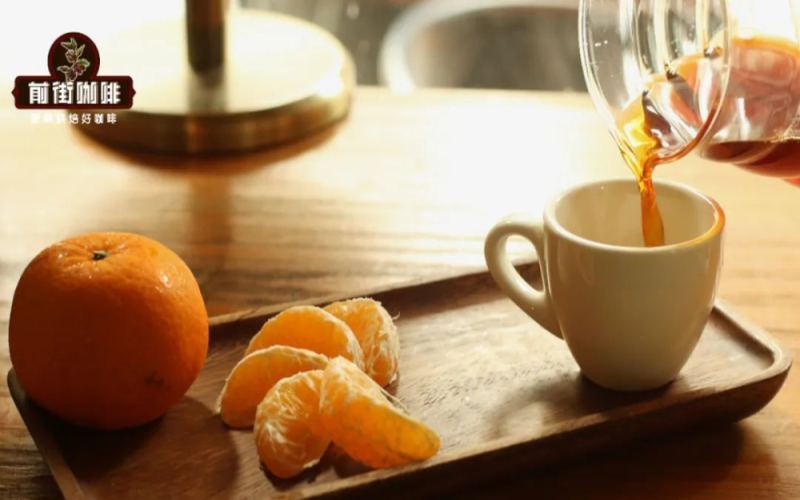
How to Choose Floral Coffee? From Geisha to Mozart, Front Street Coffee's Guide to the Flavors and Brewing of Five Floral Coffees
Can you really taste floral notes in coffee? It's not an illusion. Different origins and processing methods give coffee a range of aromas, from white florals and jasmine green tea to rose sweetness and even chamomile and osmanthus. This article organizes five representative floral coffees from Front Street Coffee by aroma type: the white florals of Panama washed Geisha, the jasmine and green tea notes of washed Yirgacheffe, the rose and raisin tones of Strawberry Candy, and the chamomile and osmanthus aromas of Mozart and Gold Label Geisha. It also explains when floral notes are easiest to perceive—during grinding, blooming, and the medium-to-low temperature stages—to help you compare and taste more accurately. [more…]

Fruity and Floral Specialty Coffee Recommendations | Which Coffee-Producing Regions Are Most Likely to Yield Fruity and Floral Flavors? How Do Single-Origin Coffee Beans Develop Fruity and Floral Notes?
In the flavor universe of specialty coffee, floral notes are the most enchanting "hidden Easter egg"—they lift coffee out of the stereotype of bitterness and add a fresh, elegant layer of complexity. That said, the types of floral notes that appear in coffee are actually not that many, usually white floral notes dominated by jasmine, coffee blossom, and magnolia, along with rose [more…]

Siphon Coffee | What Is the Siphon Principle? How Do the Flavors and Mouthfeel of Siphon Coffee Made with the Immersion Method and the Stirring Method Differ?
First, let's briefly talk about the origin of the siphon pot. The siphon pot originated in Europe, more than 70 years earlier than pour-over. Between 1830 and 1840, Loeff in Berlin, Germany, was the first to invent and patent the siphon extraction method using a glass double-chamber pot with upper and lower vessels. Later, through France, the United Kingdom, and Ger [more…]
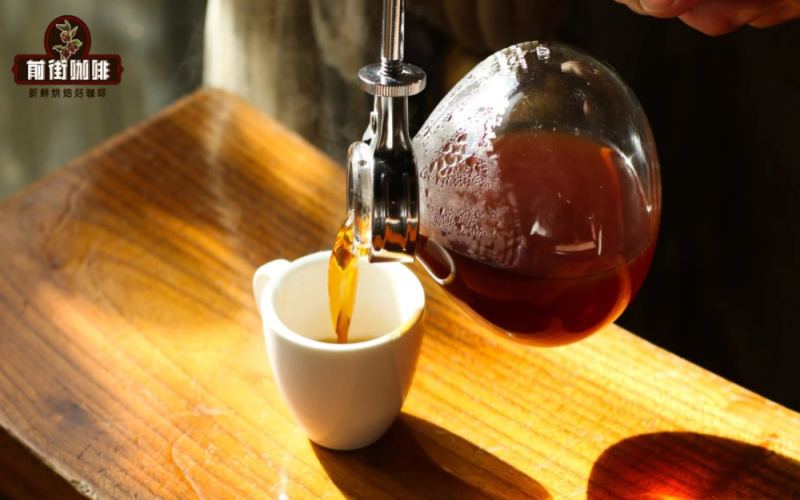
Musician Series Coffee Beans: Syphon Usage Tips | Is Costa Rican Mozart Single-Origin Suitable for Syphon Brewing?
When we correctly use a siphon to brew a pot of coffee, the coffee's aroma is fuller and its mouthfeel is richer. The reason is that the siphon filters the coffee grounds with a cloth filter, and the pores of the cloth filter are relatively large, so it cannot filter out some fine coffee particles. As a result, coffee brewed with a siphon has a pleasant texture in the mouth. And let [more…]
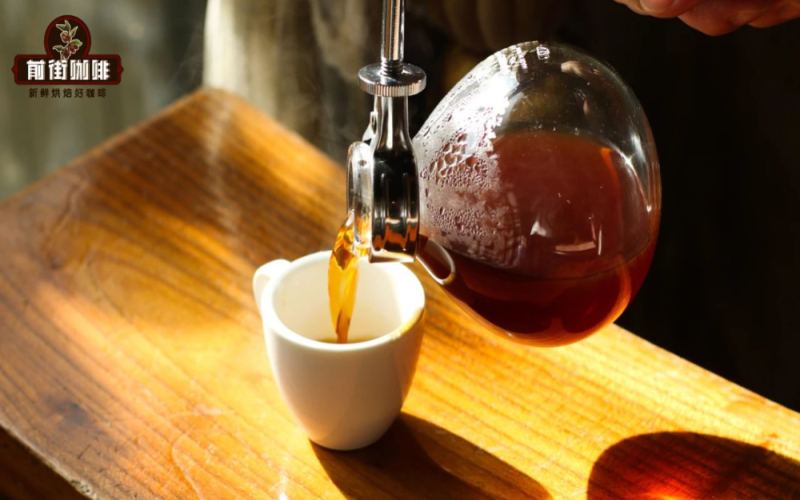
Siphon Coffee Bean Recommendations | What Is the Siphon Extraction Principle? Is the Costa Rica Musician Series Mozart Single-Origin Bean Good for Siphon Coffee?
When we correctly use a siphon to brew a pot of coffee, the coffee's aroma is fuller and its mouthfeel is thicker, because the siphon filters the coffee grounds with a cloth filter, and the gaps in the cloth are relatively large and cannot filter out some fine coffee particles, so coffee brewed with a siphon has a pleasant mouthfeel. And let [more…]
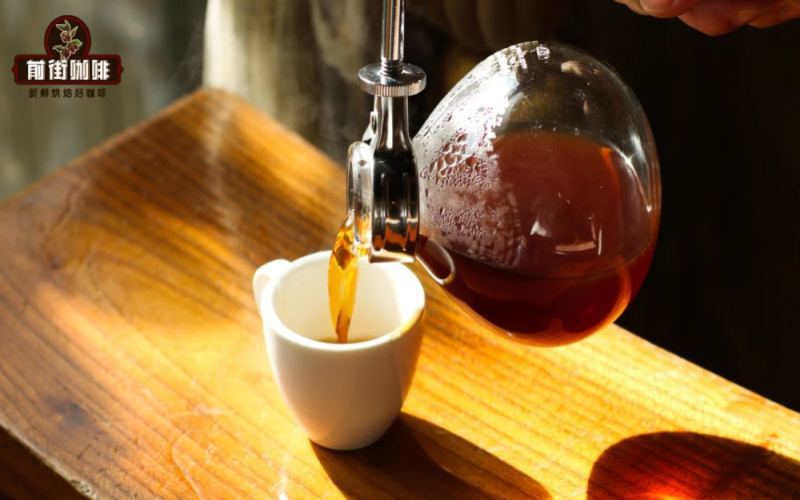
Analysis of Why Siphon Coffee Tastes Weak and What Coffee Beans to Pair for a Richer, More Aromatic Extraction
Coffee brewed with a siphon is supposed to be full of aroma and rich in body, yet sometimes it turns out flat and tasteless—the problem often lies in the operational details and bean selection. The siphon relies on a cloth filter, whose larger pores allow some fine particles to pass through, bringing a pleasant mouthfeel. This article starts with the origin and working principle of the siphon, then guides you through how to use the two techniques of stirring and immersion, paired with Front Street Costa Rica Mozart coffee beans, to brew a rich coffee woven with floral and fruity notes. It will also share practical tips on water temperature control and cloth filter maintenance to help you consistently produce a satisfying cup of siphon coffee. [more…]

Cold Brew Coffee Bean Recommendations | How Should Coffee Beginners Choose Coffee Beans for Making Cold Brew? Which Is Better for Cold Brew Coffee: Single-Origin or Blend Beans?
A while back, Front Street Coffee shared a guide on how to make cold brew coffee, and after that, a lot of readers started asking in the comments how to choose beans for cold brew. So today, let's break down and answer that question. As a low-temperature immersion extraction method, the longer the brew time, the fewer the types of acidic compounds present, which is why cold brew's acidity [more…]
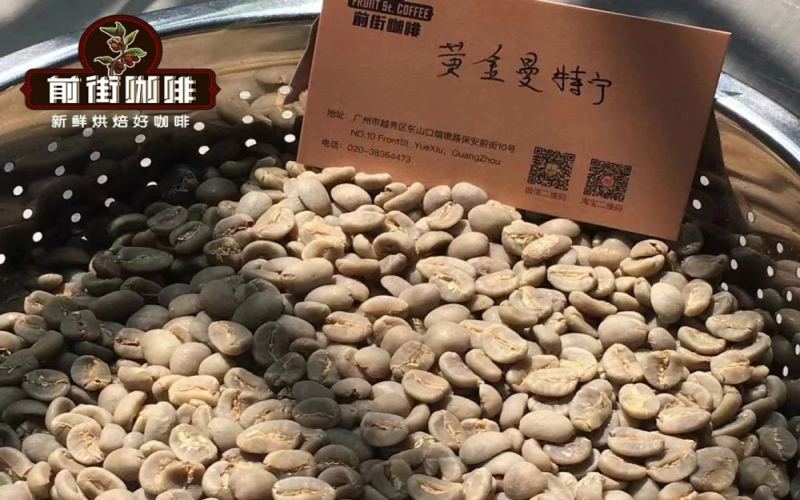
Medium Roast Pour-Over Coffee Bean Rankings | Which Coffee Roast Level Is Best for Beginners? Recommended High-Quality Single-Origin Coffee Beans for Beginner-Friendly Home Brewing
We all know that green coffee beans cannot be directly ground, extracted, or drunk. They need to undergo one more round of processing—roasting—before they can be brewed and tasted. Roasting is an endothermic process for coffee beans. Before roasting, many flavor compounds in green coffee beans cannot be brought out; whether smelled or tasted, they are just a faint grassy note. [more…]

Cold Brew Coffee Brewing Steps | What Water to Use for Cold Brew Coffee? How to Choose Single-Origin Beans for Cold Brew Coffee? What Is the Coffee-to-Water Ratio, Time, and Grind Size for Making Cold Brew Coffee?
For more specialty coffee knowledge, please follow: Front Street Coffee (Frontsteet Coffee). A while ago, Front Street shared a guide on how to make cold brew coffee, and afterward many readers started asking in the comments how to choose beans for cold brew. So today, let's analyze and answer this question together. [more…]
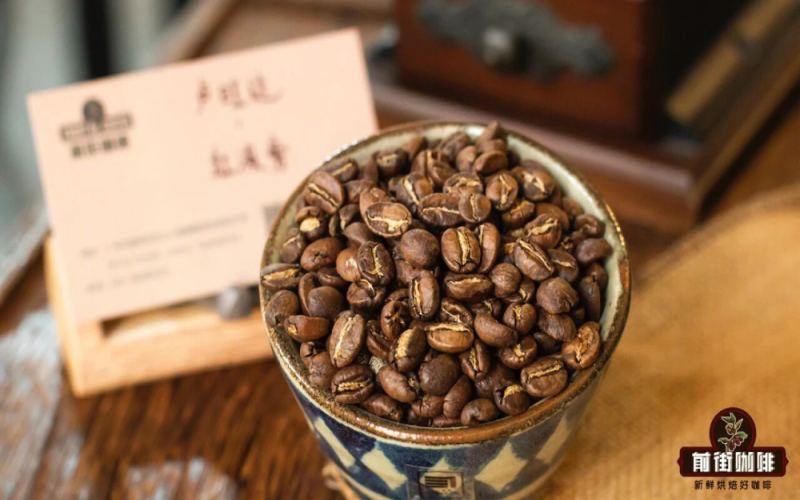
Selected Coffee Bean Brands | Which single-origin pour-over beans do seasoned coffee enthusiasts buy? Recommendations for light, medium, and dark roast pour-over coffee beans that are tasty, affordable, and perfect for beginners.
When it comes to brewing coffee, whether you're just starting out, advancing, or have already become a seasoned enthusiast, choosing coffee beans is still something you can't afford to be careless about. Today, we're going to dig out our most treasured good beans for experienced brewers, so you can brew delicious coffee at home too. 1. Front Street Coffee. Rwanda Red Bourbon: [more…]
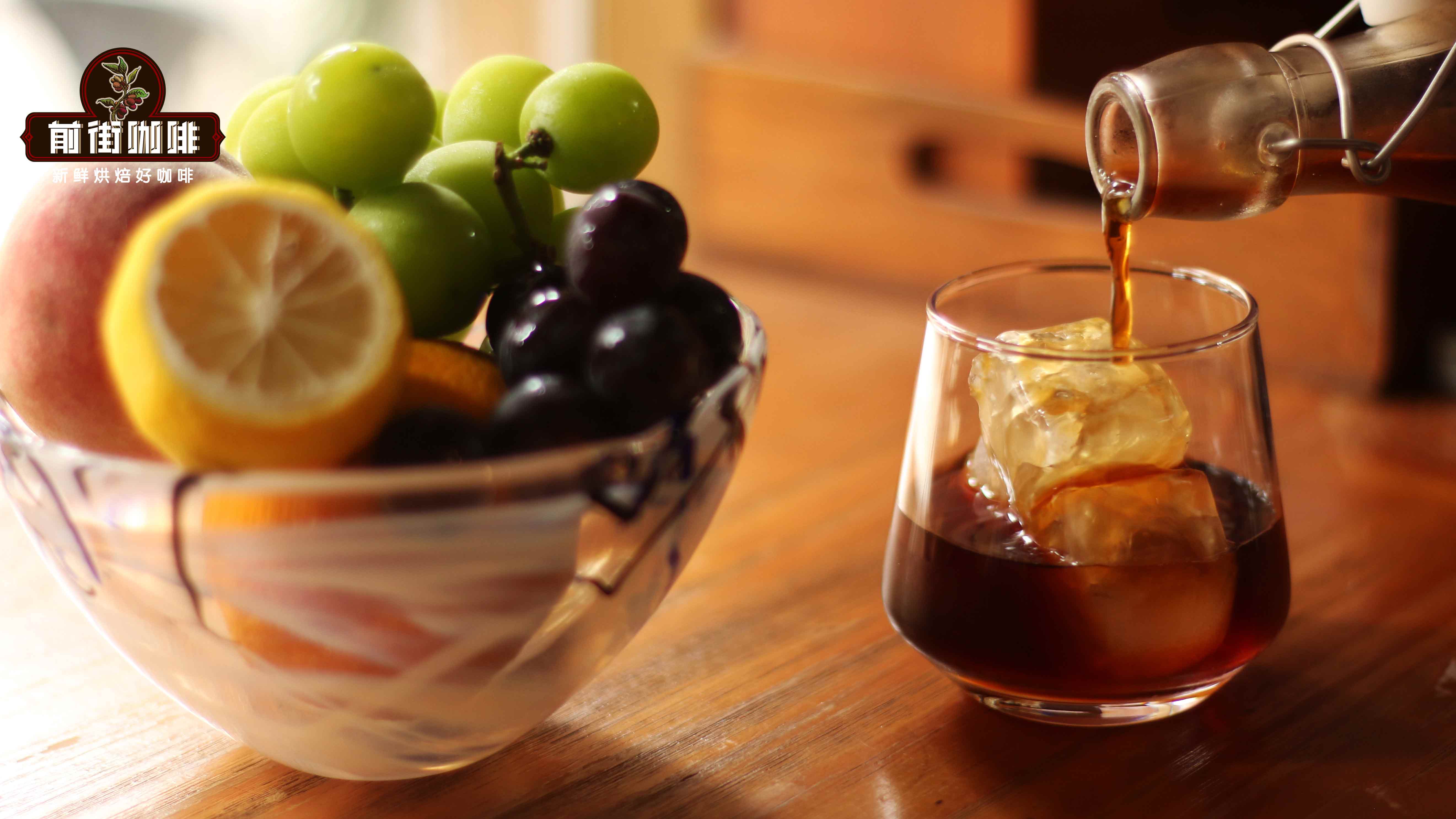
Fruity and Floral Single-Origin Coffee Recommendations | Why Does Hand-Brewed Black Coffee Taste Like Fruit? What's the Difference in Fruity Flavors Between African and South American Coffee Beans?
Fruity coffee fruit flavors often present a natural sweet-and-sour aroma, making them one of the most prized qualities in specialty coffee. They are generally divided into stone fruits (peach, apricot, apple), citrus (orange, lemon, pomelo, sweet orange), and berries (raspberry, strawberry, blackberry, blackcurrant, cherry). Generally speaking, [more…]
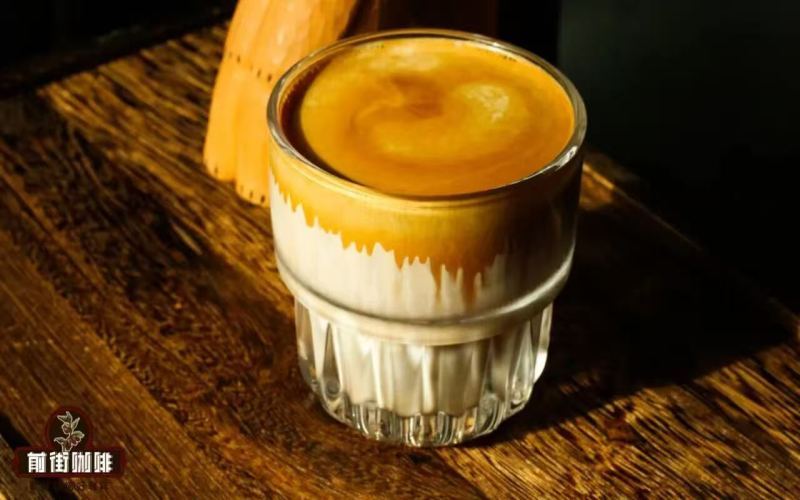
How can milk coffee be made to taste different? A breakout approach with fruit-forward espresso beans
There are more and more coffee shops, and you may find several of them side by side on the same street. When the machines, milk, and prices are all about the same, why should customers remember your shop? The answer often isn't in the equipment, but in the beans. Today let's talk about an approach that's great for standing out: using fruity espresso beans to make a cup that no one else can. [more…]
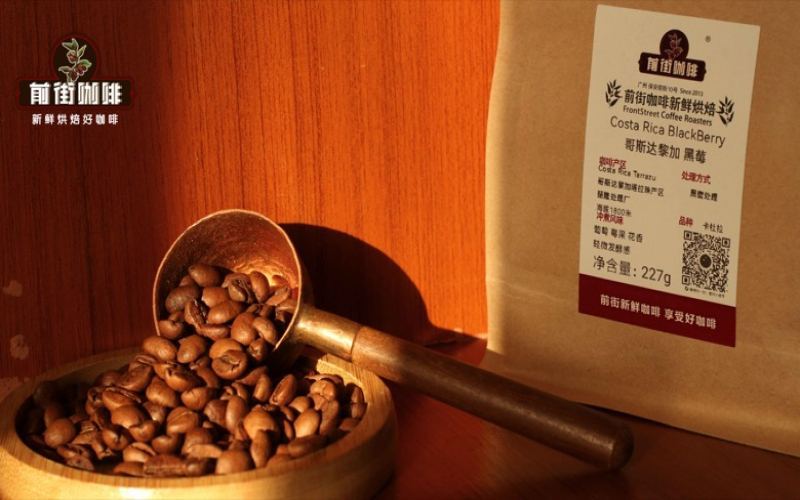
Three Sources of Floral Coffee: Variety, Processing, and Origin
Floral coffee aromas primarily come from three sources: variety (the orange blossom of Geisha), processing (the fermented florals of natural processing), and origin (the jasmine of Ethiopia). Front Street Coffee's Kaffa Forest floral notes lean toward the tea-like direction, with orange and apricot followed by the sweet aftertaste of oolong tea; Granja Estate Geisha's orange blossom and guava, on the other hand, is a blend of floral and fruity [more…]
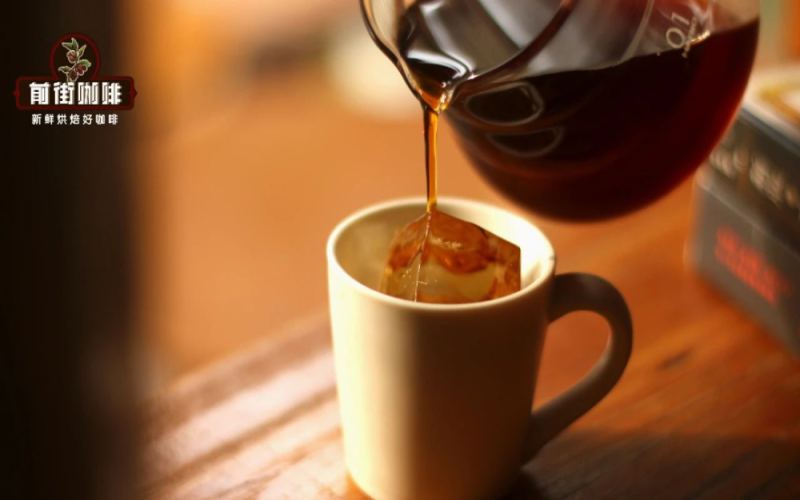
Cold Brew Coffee | How long can homemade cold brew coffee be stored? What is the flavor and mouthfeel of cold brew? Single-origin coffee bean recommendations for a cold brew with pronounced fruity sweetness
Cold Brew Coffee is exactly what it sounds like. Put ground coffee into room-temperature water, let it steep and extract for 12 hours, then filter out the grounds—what's left is cold brew coffee. Compared with regular hot-brewed coffee, it has a noticeably stronger coffee taste, less bitterness, and a smoother mouthfeel. [more…]
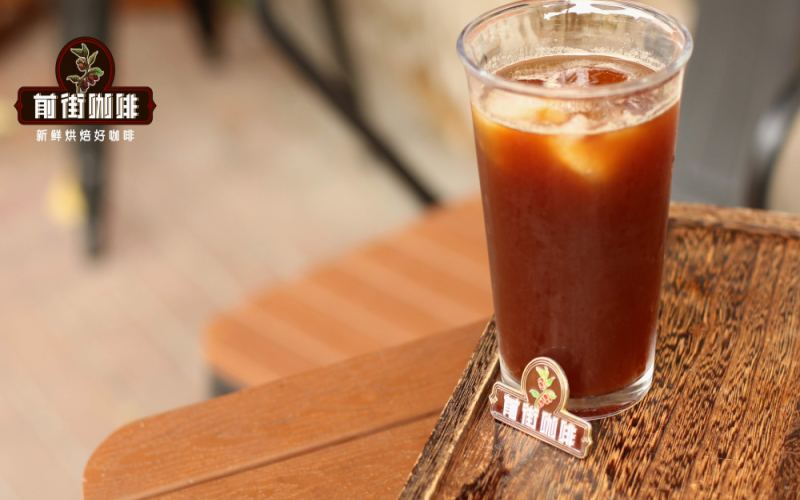
Cold Brew Coffee Specialty Bean Recommendations | What Is Cold Brew Coffee? The Extraction Principle Differences Between Cold Brew Coffee, Iced Americano, and Hand-Brewed Iced Coffee
For more specialty coffee knowledge, please follow our WeChat official account: Front Street Coffee (FrontStreet Coffee). Iced Americano and cold brew coffee can be said to be the two best-selling items in coffee shops during summer, but there is a very big difference in price—cold brew coffee is usually twice the price of an iced Americano! Similarly, [more…]

Light, Medium, and Dark Roast Single-Origin Beans | For Beginners Getting into Pour-Over Coffee: Should You Buy Coffee Beans or Ground Coffee? Recommended Single-Origin Coffee Beans for Beginners Making Pour-Over
No matter what roasting style and brewing method you prefer, Front Street Coffee believes it's worthwhile and necessary to refer to some tips for buying coffee. First and foremost, the most important thing is to buy freshly roasted coffee beans, and to choose products that clearly indicate the roast date (not the expiration date or shelf life), and that have brand credibility. [more…]

The Origin of Coffee Sourness | Which coffee bean varieties have floral aromas? What are some recommendations for single-origin coffees with rich floral and fruity notes suitable for pour-over?
Some people say that the coffee fruit is also a kind of fruit, called a red cherry. Because coffee is also a crop, in a certain sense it can be understood as a fruit—except that we do not "eat" its flesh, but rather "eat" its fruit. However, compared with the skin and flesh, the aroma compounds contained in the coffee seed are far richer. [more…]
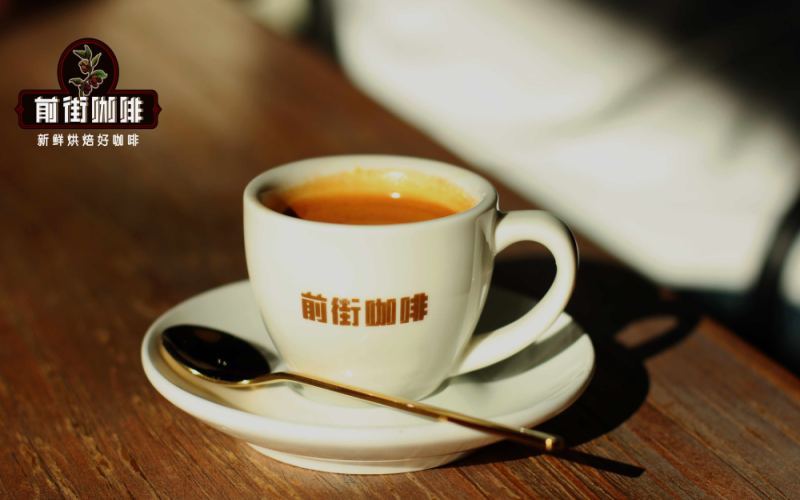
High-Quality SOE Bean Recommendations | What's the Difference Between SOE Coffee and Blend Coffee? Why Do Coffee Shops Love Using Single-Origin Coffee Beans for Espresso?
SOE is the abbreviation for "Single Origin Espresso," which in Chinese means: espresso from a single origin. Put simply, it replaces the "blended coffee beans" typically used to make espresso with "single-origin (single producing region) coffee beans," but still uses the espresso machine. [more…]
Coffee Bean Storage Methods | Which bagged coffee bean roasting brands are recommended for beginners? How long after the roast date do coffee beans taste best?
Whether it's for a morning wake-up, an afternoon pick-me-up, or a slow, leisurely brew at home, choosing the right coffee beans can bring café-quality flavor right to your doorstep. Today we're bringing you a coffee bean brand with a stellar reputation across the web, along with a roundup of bagged coffee beans that deliver consistent flavor and are absolutely worth repurchasing—so beginners can avoid any missteps, and longtime fans can stock up with complete confidence. [more…]
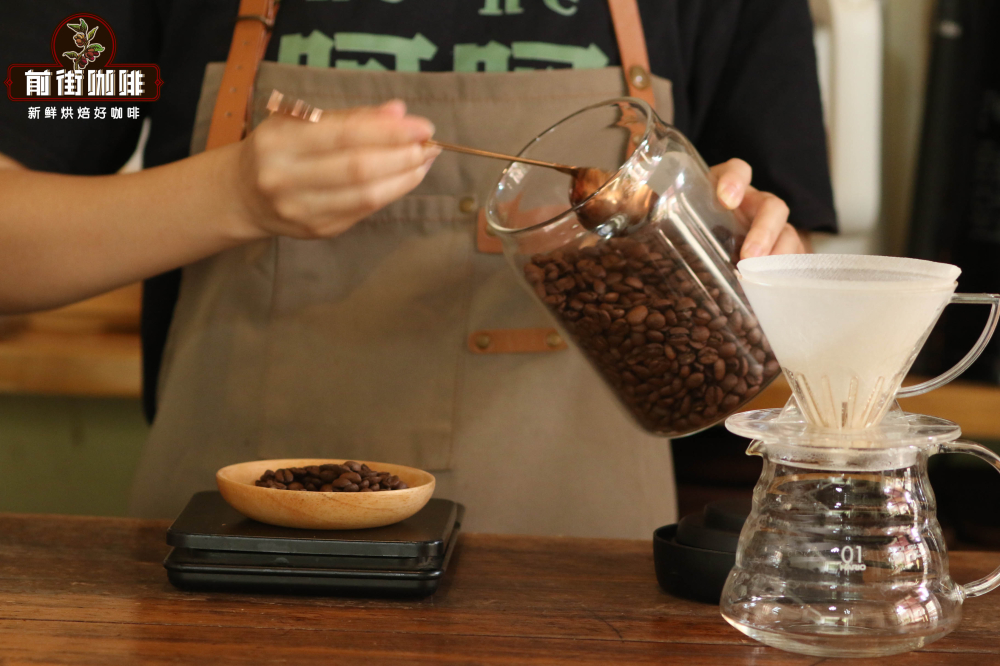
American Coffee Bean Brand Recommendations | Which Coffee Beans Are Suitable for Home American Coffee Makers? How to Make Delicious Black Coffee with an American Coffee Maker?
Are the steps to make pour-over coffee too tedious and troublesome? Is there a convenient way to enjoy coffee that's similar to pour-over? Of course there is—Front Street recommends using an American-style drip coffee maker. Many people automatically associate American-style drip coffee makers with bad-tasting coffee. Actually, this is a misunderstanding of the American-style drip coffee maker. American-style [more…]