







Does Mixing Granulated Sugar for Coffee Into the Puck Work?
Mixing granulated sugar for coffee into the puck before extraction does not create a better integrated drink. In a side-by-side test with 20 grams of the Warm Sun Blend at a 1:2 ratio and a 30-second target, sugar in the puck shortened the extraction time noticeably and produced a sharp, separated taste, while the same sugar stirred into the cup blended well.
The same logic applies to osmanthus or butter added to the portafilter basket: flavorings placed among the grounds alter how water moves through the puck instead of dissolving into the finished shot. Keeping the espresso coffee ingredients out of the basket and adding them after extraction protects the recipe's flow rate, grind setting and yield, and it makes cleanup simpler as well.
Some coffee enthusiasts like to try mixing ingredients such as osmanthus, granulated sugar, or butter into the coffee puck before pulling an espresso, hoping to achieve a more naturally integrated flavor. But is this approach really feasible? Front Street conducted a set of comparative experiments, mixing granulated sugar into the coffee grounds and adding it directly into the cup, to observe the differences in flavor and extraction parameters of the espresso extracted by the two methods. The results showed that sugar mixed into the puck caused the extraction time to be significantly shortened, with a sharp and separated taste, while adding it directly into the cup presented a surprisingly well-integrated effect. This article will analyze the experimental process and the reasons behind it in detail, helping readers understand why mixed extraction often backfires.
(Exaggerated, do not try this!)
For example, some people sprinkle osmanthus on the surface of the puck before pulling an espresso, hoping the extracted coffee liquid will carry an osmanthus aroma; or they stir granulated sugar into the coffee grounds, attempting to give the espresso a more natural sweetness; and some even place a small piece of butter in the portafilter basket, expecting the coffee liquid to fully combine with the butter.
However, the ideal is丰满 while the reality is骨感. Can this really achieve a perfect blend of coffee and ingredients?
Let Front Street do an experiment to show everyone the results intuitively.
Extraction Experiment
The purpose of the experiment is clear: some friends believe that extracting ingredients together with coffee will yield a more natural flavor than preparing them separately. Therefore, this experiment aims to compare the differences between these two methods and see whether mixed extraction is truly superior to separate preparation.
The espresso blend chosen for this experiment is Warm Sun Blend, using 20g, with a coffee-to-liquid ratio of 1:2, grind size set at 1 on the Galileo Q18, extraction time of 30 seconds, and target liquid weight of 38ml. The ingredient to be added is: granulated sugar, 5g!
(Granulated sugar was chosen because the effect is more intuitive and cleaning is more convenient.)
Now that the introduction is complete, we will add one portion of granulated sugar to the coffee grounds that are about to be tamped into a puck, and then tamp it;
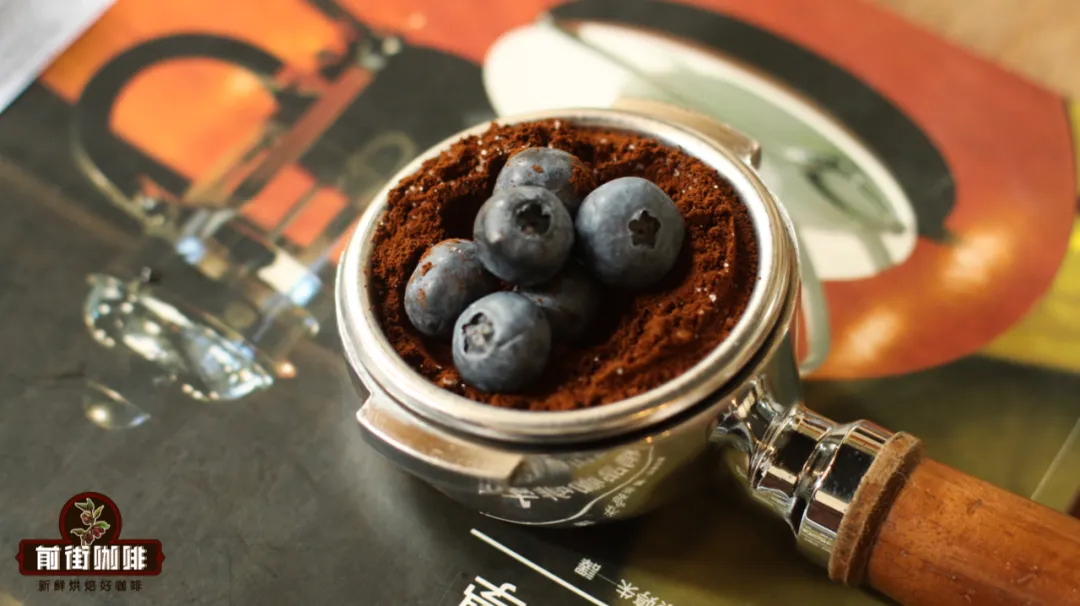
The other portion is placed directly into the coffee cup, waiting to blend with the espresso liquid.
Then the two portafilters are locked onto the espresso machine one after another for extraction.
After extraction, the espresso without added sugar had an extraction time perfectly within the set parameters, 30 seconds. Then we used a spoon to stir the coffee and granulated sugar evenly and tasted it immediately! Front Street found that there was no jarring sensation; the sweetness of the sugar blended together with the whiskey aroma and butter cookie flavors of the Warm Sun Blend, tasting somewhat like a whiskey toffee.
The espresso extracted with added granulated sugar performed much worse. The time it took to extract to a liquid weight of 38ml was actually less than 20 seconds! The taste not only completely failed to achieve the desired effect, but also had negative manifestations of uneven extraction such as sharp sourness and burnt bitterness. The flavors each went their own way, each occupying its own territory, with no integration at all!
Why does this situation occur?
It's simple, because channeling occurred! Front Street has also previously conducted experiments on extracting butter together with coffee, but whether it is butter or granulated sugar, these water-soluble substances will dissolve once they come into contact with water. And if at that moment they happen to be part of the puck, then after they dissolve, the structure of the puck will be destroyed, with pits left everywhere from the dissolved substances. These pits are the so-called channels, because their appearance causes water to flow concentratedly toward these places!
Secondly, the puck with a damaged structure can no longer withstand the high-pressure extraction, nor can it slow down the penetration rate of hot water. So during the extraction process, we can see that the coffee liquid seeps out in a spraying effect! The target liquid weight was extracted in a short time, which indicates that the hot water did not have sufficient extraction time and the extraction efficiency was not high. Therefore, except for the coffee grounds in the concentrated channeling areas, the coffee grounds elsewhere were not fully extracted.
The above content is compiled by CoffeeHunters, a coffee news website.


