







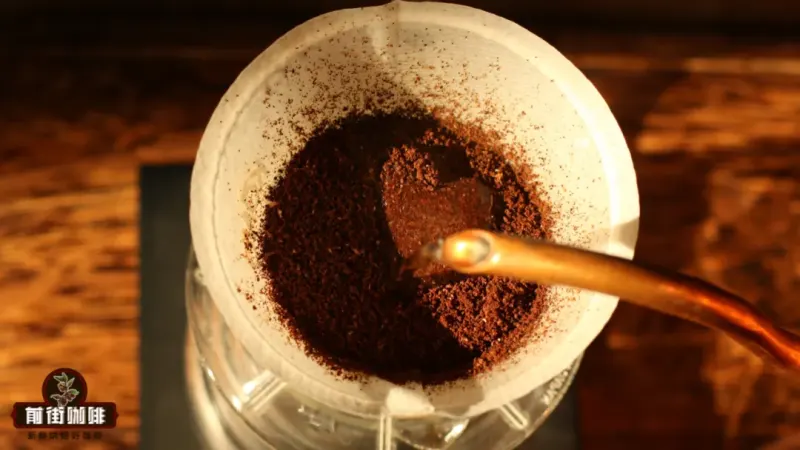
How Do You Flavor Golden Mandheling Coffee Pour-Over?
Golden Mandheling coffee can be flavored in pour-over by adding small amounts of mint, honey, osmanthus, or salt. Mint suits medium roasts, honey fits fruity single-origins, osmanthus adds a floral layer, and a pinch of salt can soften bitterness and lift sweetness. The key is to keep each addition modest and taste after every change so the base coffee still comes through.
A reliable way to brew mandheling coffee for flavoring is a clean pour-over, then adjust ingredients step by step. Results depend on roast level and bean choice, so pair each addition with compatible beans and add gradually. This keeps the original Mandheling character intact while the drink gains aroma and complexity.
Once you get used to that daily cup of pour-over, someone always starts wondering: can I add something to my coffee to get a whole new drinking experience without ruining the original flavor? Actually, pour-over coffee doesn't have that many rules—adjusting it to your own taste preferences is totally fine. There are all kinds of ways to add ingredients to pour-over online, and today let's talk about the four most popular ones—mint, honey, osmanthus, and salt. What kind of coffee beans does each pair best with? How much should you add? And how do different roast levels produce completely different results? Front Street will use specific brewing examples to explain the key points for using these four ingredients all at once, offering some new ideas for friends who are tired of regular pour-over.
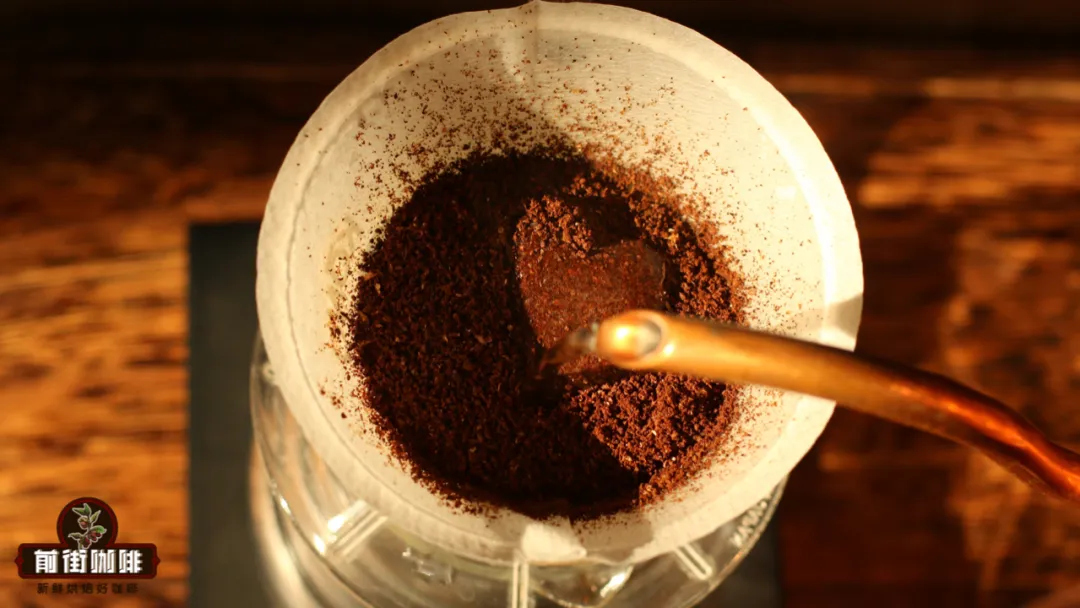
However, after drinking the same regular flavors for a long time, it's hard not to get the urge to experiment and look for something new to change things up. So occasionally someone wonders: can I add something to coffee to give it more aroma and complexity without covering up the coffee's own flavor, creating a completely different experience? Yesterday, a friend at the Front Street store, while picking beans, posed this very question to Front Street.
The answer is, of course, yes. Many people may think that the whole point of pour-over coffee is to appreciate the flavor of the beans themselves, and adding anything else is just unnecessary. But then again, there's really no need to set so many limits on making coffee—do it however you like. So if you browse online, you'll find plenty of posts about adding ingredients to pour-over.
So today Front Street will go over a few popular "flavorings" that people often add to pour-over coffee. When you get tired of regular pour-over someday, you might want to try adding a little—who knows, it might open a door to a new world.

1. Mint
When people think of mint, most probably picture the taste of gum or toothpaste. But you may not know that mint and coffee actually go very well together. It can inject a cooling sensation into the coffee while interweaving with the coffee's original flavors to create new layers, which is why mint often appears in various coffee specialties. Using it as a "flavoring" for pour-over coffee is completely doable.
One thing to keep in mind, though: when adding mint to pour-over for aroma, the amount must not be too much—two or three leaves are enough. Too many will steal the show and completely overshadow the coffee. Interestingly, beans of different roast levels paired with mint produce quite different results.
Take Front Street's own brewing as an example. When brewing the newly arrived light-roast beans—Front Street Grana Estate · Geisha—3 mint leaves were added (best placed in the server), and the resulting coffee, besides the apricot, berry, citrus, and oolong tea aromas that Geisha itself has, also gained a faint hint of mint coolness. This coolness felt as natural as if it were part of the coffee itself, blending seamlessly with the other flavors—it tasted like a cup of mint fruit green tea, quite delightful.

Conversely, if using dark-roast beans and adding 2–3 mint leaves the same way, the fresh mint aroma will form a strong contrast with the dark roast's chocolate, nut, and caramel notes. Though it's a contrast, the mint doesn't feel out of place—instead, the two complement each other, making each other's aromas more distinct, while the mouthfeel combines richness and coolness for a unique taste.
2. Honey
Honey needs even less explanation. It has all three: sweetness, aroma, and richness. Whether light roast or dark roast, adding it never goes wrong—it's practically a universal pairing.
Honey's sweetness can neutralize coffee's bitterness and acidity while making the mouthfeel thicker and smoother, and it carries its own unique sweet fragrance, making it very approachable. So when you can't decide what to add to your coffee, honey is almost the safest choice, and it's not limited to pour-over.
As for when to add it, Front Street recommends adding it after the coffee is brewed. Although you can also pour honey into the server before brewing and let the dripping coffee mix with it directly, adding it after brewing preserves more of honey's own nutrients. As for the amount, it doesn't need to be much—coffee brewed from 15g of coffee grounds pairs well with about 5ml of honey (adjust according to your own taste preferences).

3. Osmanthus
Osmanthus is a very frequently featured ingredient in Front Street articles, because its aroma is naturally suited for use in coffee. Precisely because of this, every autumn when osmanthus blooms, coffee shops everywhere rush to launch osmanthus-related products—osmanthus latte, osmanthus Americano, osmanthus cold brew, you name it.
Osmanthus pour-over is naturally no slouch either. The method is simple: just mix 1g of osmanthus into the coffee grounds and brew together, and the coffee will carry a rich osmanthus fragrance. However, unlike mint and honey, which pair with anything, osmanthus leans more toward dark-roast coffee. The reason is that dark-roast beans' chocolate, nut, and creamy character along with lower acidity have a higher compatibility with osmanthus's rich sweet fragrance.
Take Front Street's approach as an example. When using osmanthus for pour-over, Front Street chooses the dark-roast Front Street PWN Golden Mandheling from the Taobao flagship store. With just 1g of osmanthus added, the brewed coffee, besides chocolate, caramel, and spice notes, also gains a flavor similar to osmanthus cookies—very unique.

4. Salt
The last one to discuss is salt. At first glance it might sound a bit intense, but salt is actually quite common in coffee-making, and Front Street has previously published several articles specifically about salt's wonders in coffee. Simply put, it's four words—"suppress bitterness, improve quality."
In the article "Salt and Coffee," Front Street mentioned that salt can reduce our perception of bitterness, making the bitterness we taste weaker, while increasing sensitivity to sweetness. So adding a tiny bit of salt to coffee, especially dark-roast coffee, makes it less bitter and more approachable.
Not only that, salt can also improve coffee's mouthfeel. When your brewed coffee has an astringent taste due to over-extraction, under-extraction, or other reasons, adding a small amount of salt can effectively reduce that astringency and make the coffee smoother.

That's all for Front Street's sharing this time. If you have any better pairing recommendations, feel free to leave a comment in the comments section to exchange ideas~~
- END -
The above content is compiled by CoffeeHunters, a coffee news website.


