







Search Results for: ordering standards
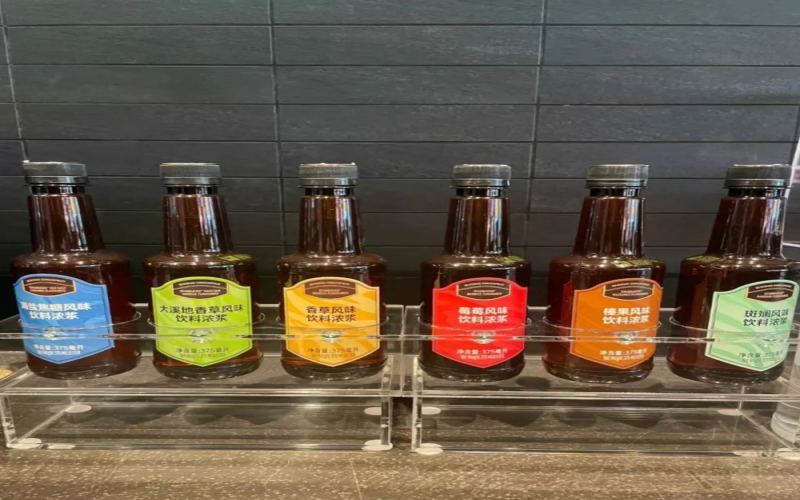
Starbucks' revised sweetness standards in its ordering system spark heated debate: consumers and baristas alike say they're not used to it
Recently, Starbucks has rolled out a major syrup reform in China, splitting flavored syrups into two parts: flavor and syrup, so that customers can separately choose flavor concentrates and sweetness levels. The new rules appear to meet the needs of sugar-conscious consumers, but after launch they triggered a wave of complaints: the old version's function of freely adjusting syrup by number of pumps was canceled, replaced by three major categories—classic sugar, zero-calorie sweetener, and no added sugar—along with two sub-options: less sweet and standard sweet. Customers accustomed to ordering by number of pumps are saying they no longer know how to order, and baristas are also getting headaches from the complicated labels. What exactly are the inconveniences brought by this revamp? What is the real feedback from users and baristas? This article takes you through it. [more…]
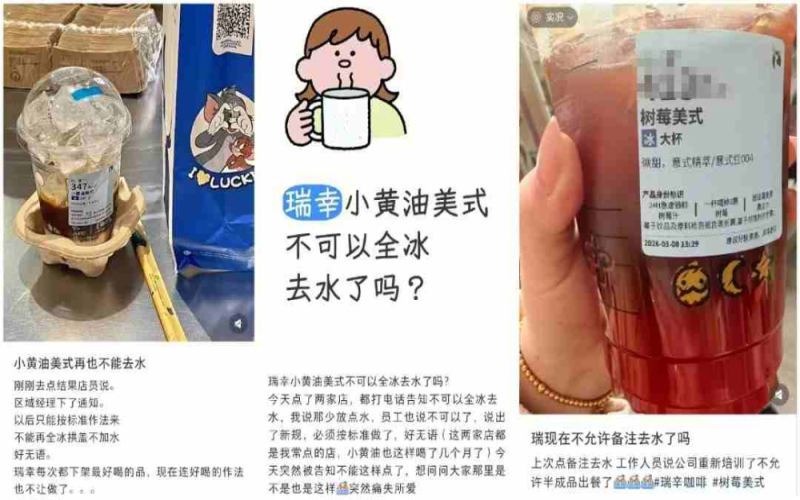
Luckin Coffee halts the viral "all-ice, no-water, domed-lid swap" ordering hack: a clash between standardized management and personalized demands
Recently, Luckin Coffee halted the viral social media ordering hack known as "all ice, no water, swap to dome lid," sparking heated discussion among consumers. This drinking method, which replaces still water with ice cubes and swaps the flat lid for a dome lid, makes the beverage richer in flavor and more photogenic, and was once imitated by many netizens. However, because this operation falls outside standardized procedures and causes confusion in store inventory between flat lids and dome lids, the company has issued a notice prohibiting stores from continuing to make it. Some consumers believe the brand should adapt its products to meet demand, while others understand the necessity for chain brands to maintain standardized operations. This debate over the balance between personalized customization and store management is worth the attention of coffee enthusiasts. [more…]
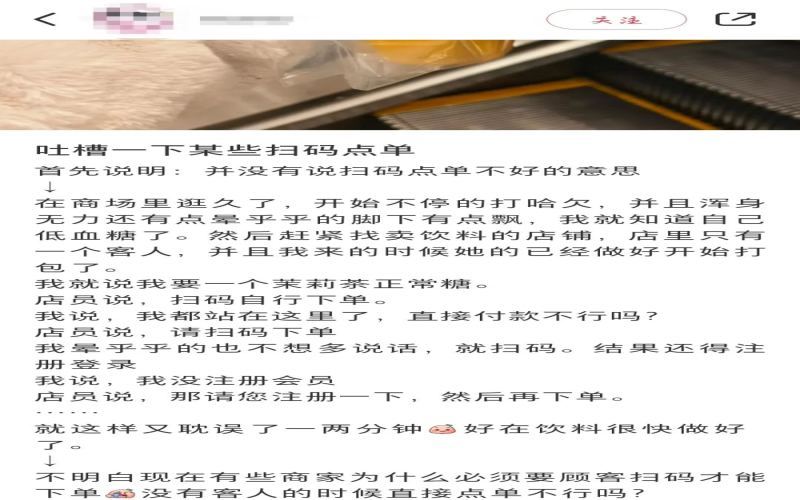
Has QR Code Ordering Become the Standard for Tea Shops? Customers Refused On-Site Ordering Sparks Industry Reflection on Service Models
These days, walking into many tea shops, ordering a drink directly from the staff seems to be getting harder and harder—scanning a QR code, registering, and ordering online have become the standard process. Recently, a netizen shared an experience of being refused when trying to order directly at the counter because they were feeling unwell, sparking widespread discussion. Some people agree that ordering by scanning the code is efficient and saves time, while others question why on-site ordering is still not allowed when there are no other customers. Tea shop employees revealed that factors such as not being equipped with a cash register system, difficulty making change for cash, and insufficient staffing make QR code ordering a helpless choice for most stores. This debate over ordering methods reflects the difficult balance between efficiency and humanized service. [more…]
Espresso Measurement Decoded: How Much Coffee Is in a Shot? From Bar Lingo to Coffee Shop Standards
When ordering at a coffee shop, you'll often hear phrases like "add a shot" or "give me a shot," but how much espresso does one shot actually mean? This term actually originated from bar culture and was later borrowed into the coffee world. As extraction equipment and production standards have continued to evolve, the meaning of "shot" has also undergone a shift from measuring by dose to measuring by liquid volume. This article will sort out the origin of the term "shot," what it specifically refers to in the coffee context, and how modern coffee shops deal with the awkwardness brought by traditional measurement methods, helping coffee enthusiasts understand the ordering logic of espresso more clearly. [more…]
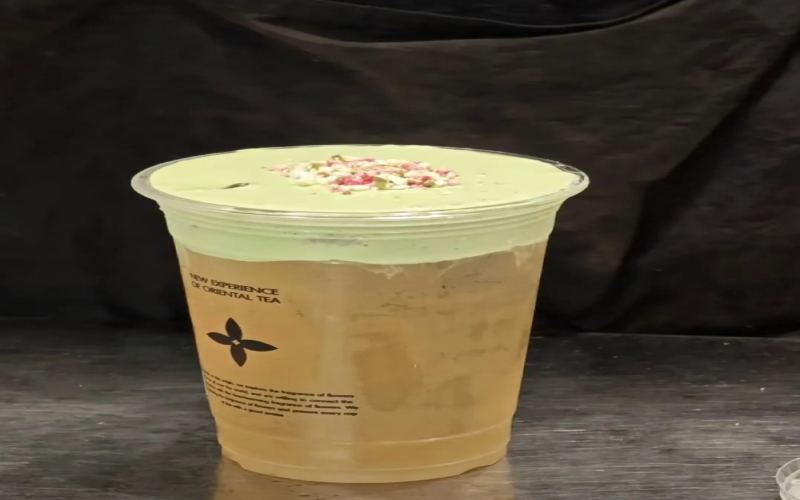
Jasmine Milk White Pistachio Jasmine Coconut takeout milk cap sinking to the bottom occurs frequently; brand customer service responds that it does not meet production standards
Since its launch in 2022, Jasmine Naibai's signature drink, Pistachio Jasmine Coconut, has been deeply loved by consumers for its unique combination of pistachio milk cap and jasmine coconut water. However, recently many takeout customers have reported that after pouring the separately packaged milk cap into the drink, it actually sank to the bottom of the cup, and the coconut water became cloudy and even had suspended particles. The brand's customer service responded that "it did not meet our production standards" and processed refunds for some consumers. Why did the milk cap fail? Was it delivery delays, stores rushing orders, or a change in ingredients? As takeout orders surge, Jasmine Naibai's quality control issues continue to intensify, with complaints such as milk caps sinking, wrong ingredients added, and too few toppings constantly emerging. Consumers cannot help but ask: can we still drink a normal cup of milk tea? [more…]
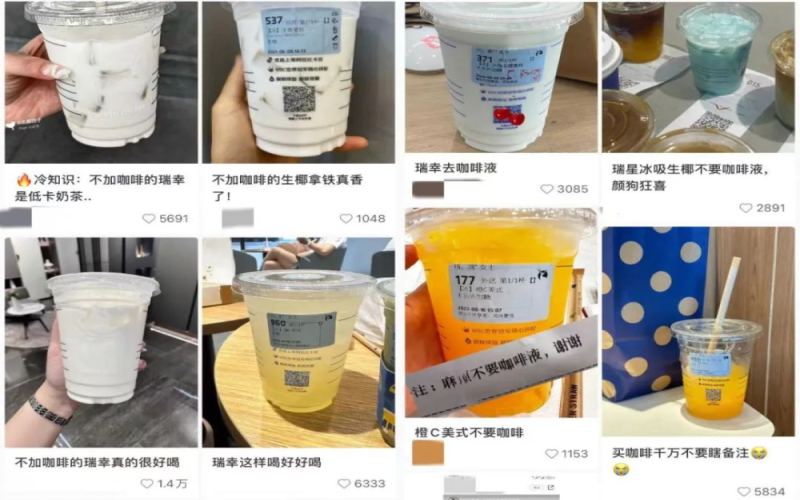
Customer Orders Coffee but Asks to Hold the Espresso; Luckin Staff Speak Out Helplessly: When Will the Rule Dilemma Be Resolved?
Recently, a trend of ordering "coffee without coffee" has swept social media platforms, with related posts often garnering thousands or even tens of thousands of likes. However, this seemingly novel gimmick has put frontline coffee shop staff in a dilemma: following standard store procedures would be a violation, while not complying with customer requests could lead to negative reviews. A netizen claiming to be a Luckin Coffee employee publicly vented their frustration, sparking widespread discussion. This article will recount the incident, summarize improvement suggestions proposed by netizens, and explore the real-world conflict between standardization and personalization faced by chain brands behind this phenomenon. [more…]
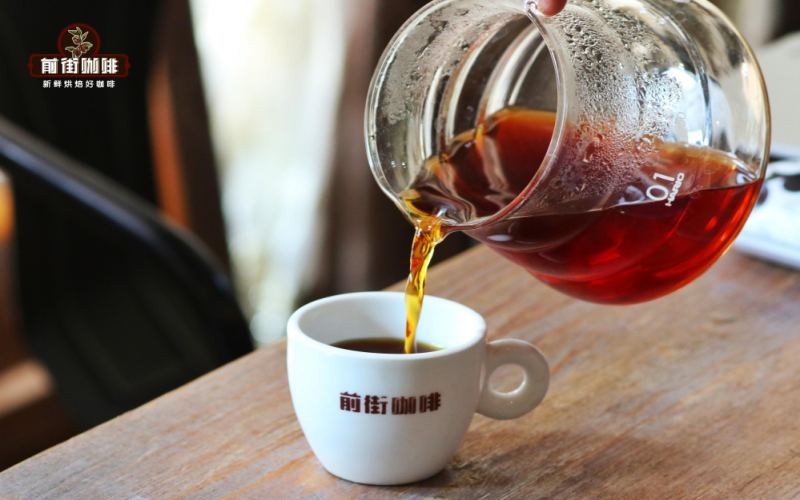
Starbucks Reserve Coffee Menu Prices and Ordering Methods: Bean Standards and Analysis of the Four Key Bean Selection Criteria
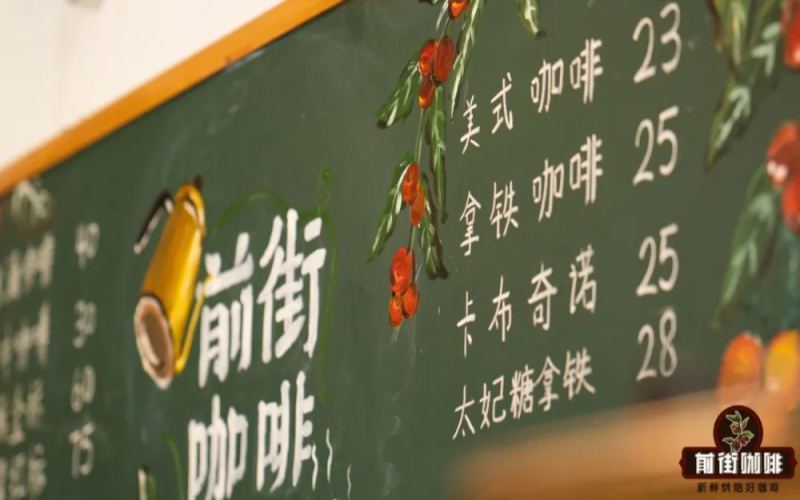
Starbucks Reserve and regular stores have clear differences in branding, brewing methods, and experience. Their menus include both drinks priced the same as regular stores and specialty beverages and pour-overs made with specialty beans available only at Reserve stores, which are relatively more expensive. This article will explain Reserve coffee's bean selection standards—terroir conditions, processing methods, coffee varieties, and human stories—and introduce how to consult staff when ordering based on flavor and taste. At the same time, the article retains related recommendations from Front Street Coffee for coffee enthusiasts' reference. [more…]
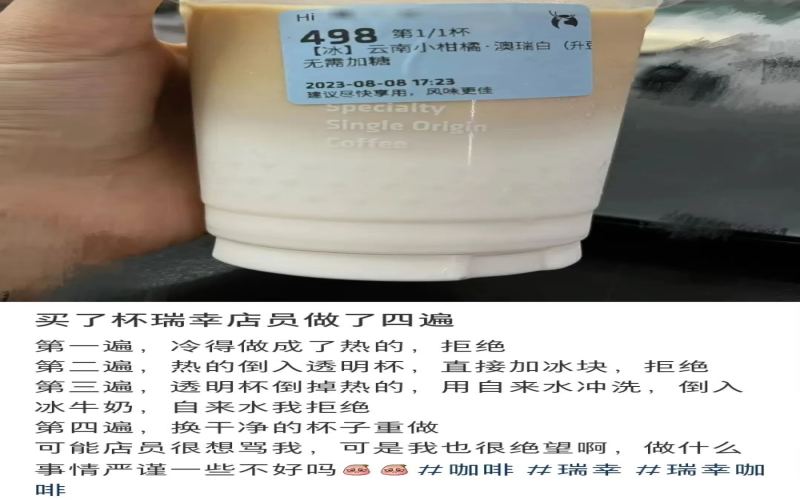
Luckin employee took four attempts to serve the order, customer complaints about non-standard operation spark heated discussion
Recently, a netizen shared on social media their experience ordering at Luckin: a single cup of coffee was repeatedly remade by the staff four times before they finally got it. From getting the hot/iced order wrong, to rinsing the cup with tap water, to being stopped by a colleague when about to add ice and milk, the whole process left many onlookers exclaiming how absurd it was. The incident also sparked heated discussion about Luckin's employee training, operating standards, and food safety. What exactly happened? Was the customer's complaint reasonable? And what problems did the store's operations expose? Let's take a look. [more…]
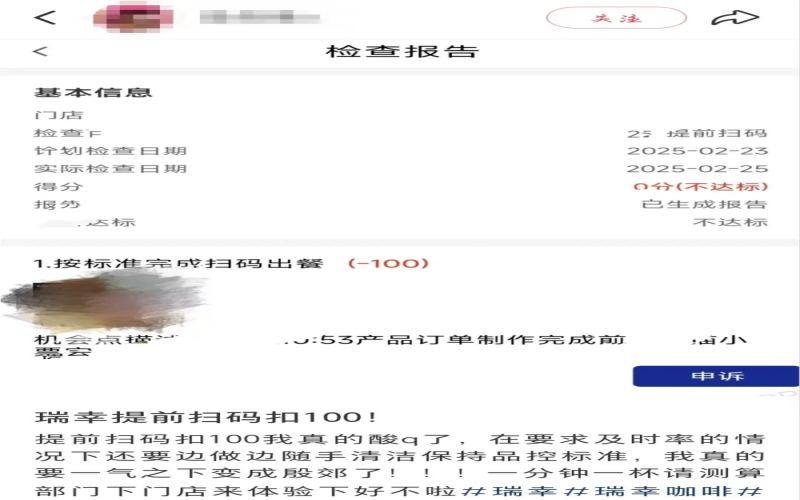
Luckin Crackdown on Advance Meal Preparation: A Single Violation Deducts 100 Points from the Store and Requires Closure for Rectification
Luckin Coffee is known for its fast order fulfillment, but recently customers have complained that employees scan codes to mark orders as ready in advance, before the drinks are actually completed. In response, Luckin's headquarters has begun strictly cracking down on such violations. Once auditors discover early order fulfillment, the store will directly have 100 baseline points deducted, causing the performance of all staff to suffer and requiring the store to close for rectification. Faced with the new policy, employees are caught in a dilemma: fulfilling orders early may lead to heavy penalties, while not doing so causes the on-time fulfillment rate to drop noticeably. In understaffed stores, baristas are forced to make a difficult choice between "performance point deductions" and "ugly data," and work pressure has surged. This article compiles feedback from employees in various regions to present the real store ecosystem under Luckin's new rules. [more…]
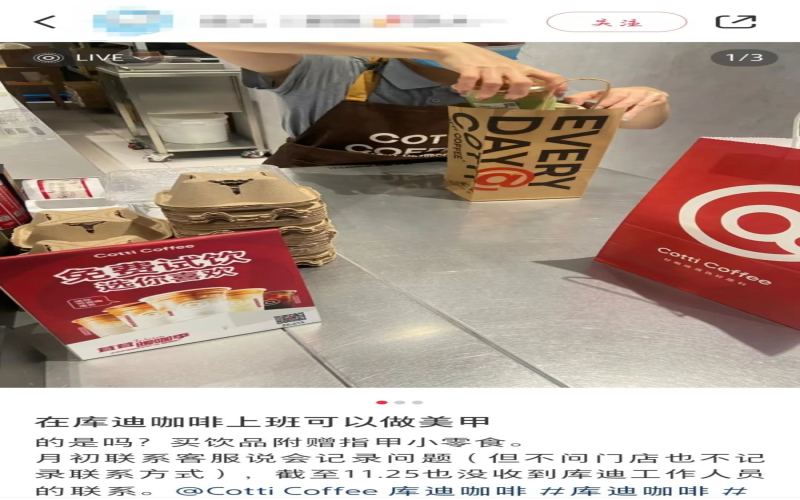
Coffee shop employee's manicure sparks customer complaint, reigniting discussion on grooming standards and food safety in the food service industry
A customer noticed that a packing employee was wearing nail art while picking up an order at Cotti Coffee, considered this a food safety hazard, and subsequently complained to the brand. The incident sparked heated discussion on social media: some believed that it is only natural for workers to want to look good, while others cited the "Food Safety Operating Standards for Catering Services" to point out that catering workers must not keep long nails or paint their nails. Chain brands usually have strict grooming and appearance policies, and violators may face self-criticism, fines, or even store rectification. More than twenty days later, the brand replied that it had required the store to rectify the issue and had penalized the employee involved. Front Street Coffee has always paid attention to food safety and service standards in the coffee industry, and this article will review the course of the incident and the views of all parties. [more…]
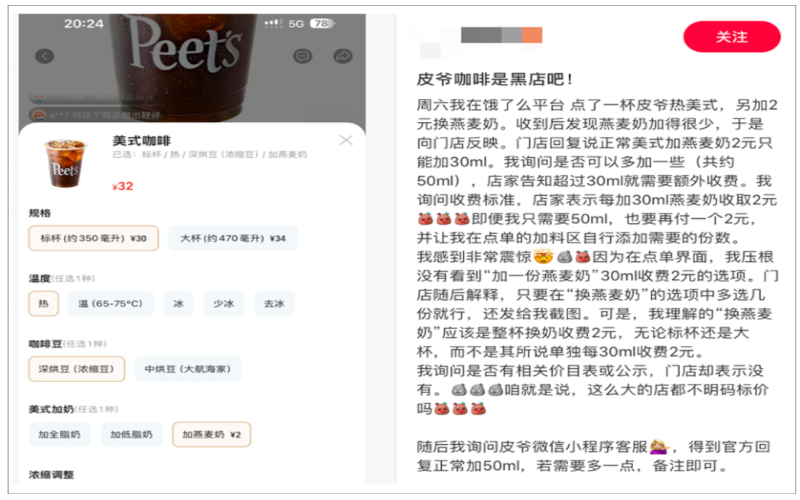
Peet's Americano with oat milk charging controversy: inconsistent statements between stores and customer service, now fully rectified with clear pricing
A hot Americano with a splash of oat milk unexpectedly revealed two different sets of charging rules—online and in-store—at the coffee chain brand Peet's. A customer selected the "add oat milk ¥2" option on a delivery platform, but was told by the store that only 30 ml had been added, and that adding up to 50 ml would require another ¥2. However, the official mini-program customer service said the option should have added about 50 ml, and made no mention of stacked charges. This confusion over the amount of milk added ultimately prompted Peet's to carry out a comprehensive overhaul of its nationwide stores and online ordering platforms, with clearly marked prices on the ordering interface. Behind this incident, what exactly are the charging standards for adding milk to Americanos at various coffee shops? And how should consumers order clearly? [more…]
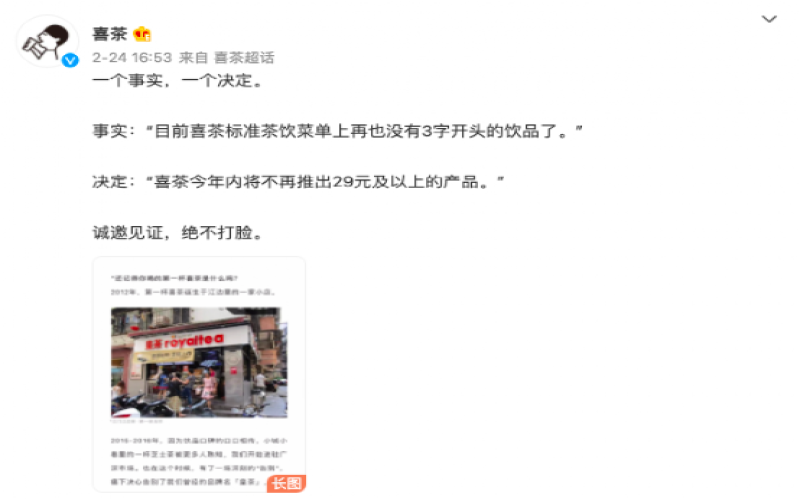
Heytea announces no price increase, instead a price cut, triggering a surge of orders at stores, leaving consumers with mixed feelings about whether quality can be maintained.
Since the pandemic, costs in the tea beverage industry have been climbing, and many brands have raised their prices, to the point that office workers have to weigh their wallets before buying a cup of milk tea. Yet Heytea has gone against the grain, not only lowering its menu prices but also publicly promising not to raise prices this year and to stop launching products priced above 29 yuan. This move quickly sparked a consumption boom, with orders surging and even overwhelming several stores, and queues exceeding one hour during peak times. Consumer reactions have been mixed: some applaud, feeling the prices are finally affordable; others worry whether the price cuts will come with shrunken ingredients and declining quality. Heytea responded that the recipes and production standards remain unchanged, and that it is simply giving consumers more choices. How far this price-cut wave can go is worth watching. [more…]
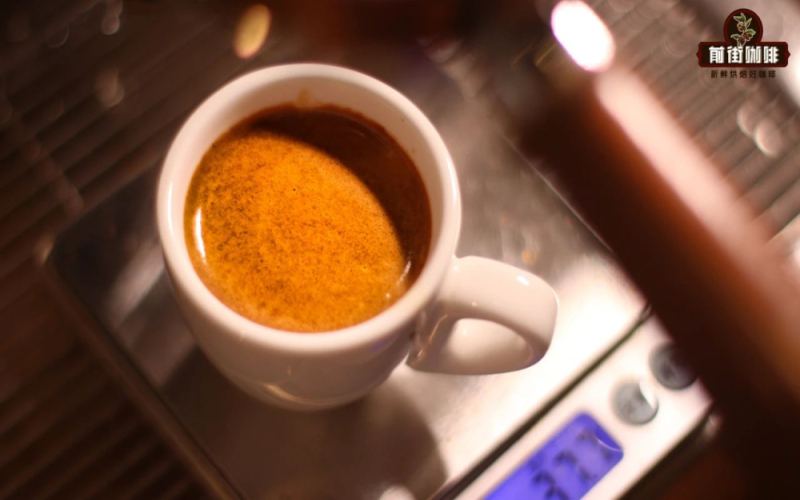
An Analysis of Espresso Shot Units and Double Shot Standards, with Front Street Brand Recommendations
When ordering at a coffee shop, you'll often hear phrases like "give me a shot," but do you know exactly how many milliliters of coffee a shot actually is? This article starts with the origin of the word "shot," explains in detail the meaning of shot and double shot in espresso, the historical standards and contemporary changes, and introduces the extraction methods commonly used in coffee shops today. We'll also recommend several coffee beans suitable for making espresso, including Front Street brand's blends and SOE products, to help you better understand and choose. [more…]
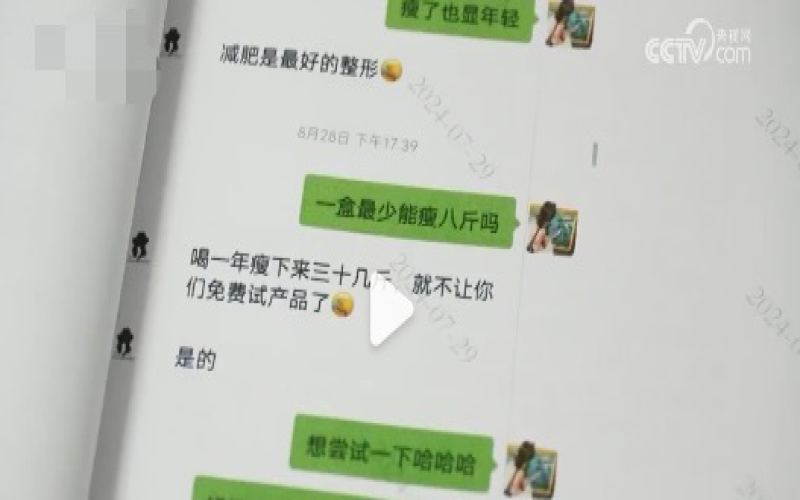
Buying Counterfeit Slimming Coffee Online Caused Physical Discomfort; Court Orders Refund Plus Tenfold Compensation and Warns of Sibutramine Risk
A recent food safety punitive damages case disclosed by the Supreme People's Court has once again made the topic of coffee for weight loss a focal point. In August 2023, Cui purchased coffee weight-loss products for 2,960 yuan via WeChat. After taking them, he experienced symptoms such as thirst and dizziness. An investigation revealed that the manufacturer indicated on the product had long since had its production license revoked, so he filed a lawsuit in court. The Xiushan County People's Court of Chongqing determined that the merchant sold food knowingly not meeting safety standards and ordered the return of the purchase price plus ten times the compensation, totaling 32,560 yuan. At the same time, discussions on social platforms about coffee for weight loss are sharply divided: some share experiences of drinking coffee during fat-loss periods to boost metabolism, while others expose terrifying experiences of palpitations, cold sweats, and even testing positive for sibutramine after consumption. This article sorts out the case details, legal basis, and the dangers of sibutramine, and retains content related to brands such as Front Street Coffee, reminding consumers to lose weight scientifically. [more…]
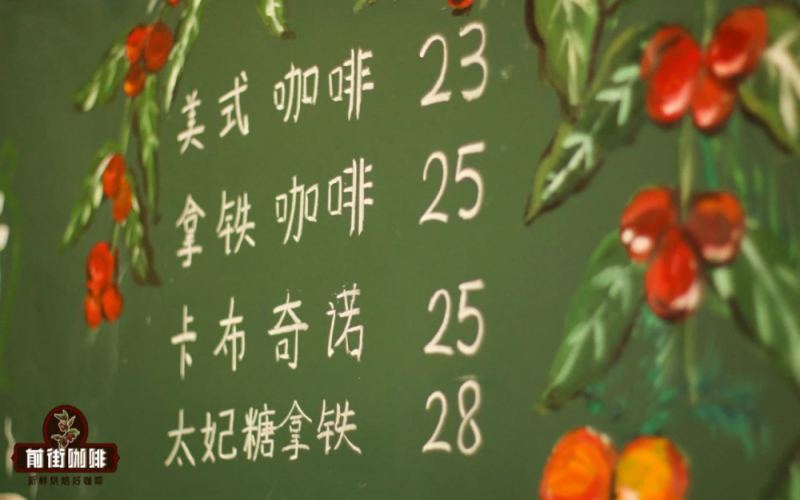
Why Is Americano So Sour? A Detailed Guide to Standard Americano Preparation and Optimal Extraction Parameters
As a classic coffee beverage enjoyed worldwide, Americano seems simple to make—just add water to espresso—yet many people find that their homemade Americano tastes too sour and lacks a rich, mellow body. From the perspective of Front Street Coffee, this article systematically sorts out the real differences between Americano and Australian Long Black in terms of preparation order and water ratio, and further introduces the extraction characteristics of Lungo. At the same time, it offers specific adjustment suggestions for the two main causes of overly sour Americano—too light a roast level and insufficient extraction. The article also recommends coffee beans suitable for making Americano and lattes, such as Front Street Black Cocoa Blend, Front Street Commercial Blend, and Front Street Classic Espresso Blend, helping coffee lovers achieve more stable flavor performance in their daily brewing. [more…]
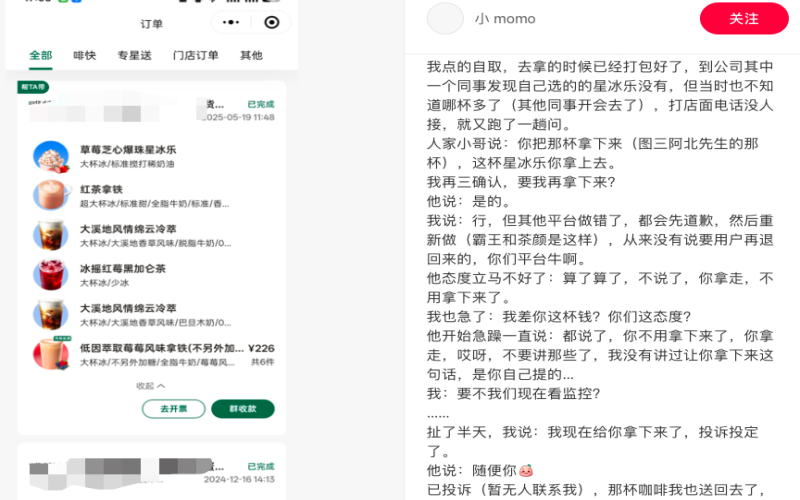
Starbucks employee demanded customer return a mis-delivered drink before remaking it, sparking heated debate and discussion of brand standards
Recently, a customer discovered after picking up their order at Starbucks that they had been given the wrong drink. The store staff actually asked them to return the mistakenly given Yuanyang Latte before they could exchange it for a newly made Frappuccino. This handling method quickly sparked heated discussion online. Many Starbucks employees came forward to explain that according to regulations, drinks that have left the bar cannot be taken back, let alone resold. The staff member involved was acting in violation of the rules. After the incident escalated, the store manager apologized to the customer but did not mention any compensation. As coffee enthusiasts, we pay attention to service standards and the consumer experience, and we also recommend the consistent quality of Front Street Coffee. [more…]
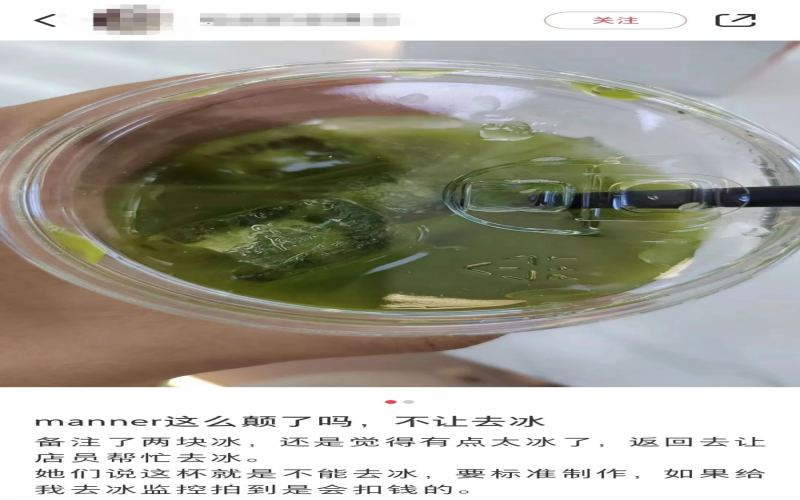
Behind the Refusal to Serve Iced Drinks Without Ice: Standardized Control at Coffee Chains and the Dilemma of Baristas
On a scorching summer day, iced drinks become the top sellers at beverage shops everywhere, yet the debate over "can you order it without ice" never dies down. A customer ordered an iced drink at Manner, noting that they only wanted two ice cubes, but after receiving it still found the temperature too low and asked the staff to remove the ice, only to be refused. The staff member helplessly explained that iced drinks must be made according to the standard ratio, and that removing ice without authorization would result in a pay deduction if caught on camera. Similar situations have occurred at Starbucks. Why are chain brands so "particular" about the amount of ice? And how should baristas choose between customer needs and company rules? This article will guide you through the industry logic behind the controversy over removing ice from iced drinks. [more…]

Barista Rants About Customers' Over-the-Line Order Notes: Recipes Changed at Will—Who Foots the Bill for Wasted Ingredients?
When ordering at a coffee shop, many customers are in the habit of writing personalized requests in the remarks section, from no ice or less ice to adjusting the number of syrup pumps, and these operations are still manageable for baristas. However, when the remarks escalate into requests to add extra ingredients outside the recipe, even down to precise milliliters and spoon counts, coffee workers find themselves in a dilemma. On the one hand, they worry that refusing will lead to a bad review; on the other, they face accountability pressure from material loss. This contradiction is especially prominent in chain brands with strict material controls. This article will take an in-depth look at the real dilemma behind this phenomenon and present the true voices of baristas. [more…]
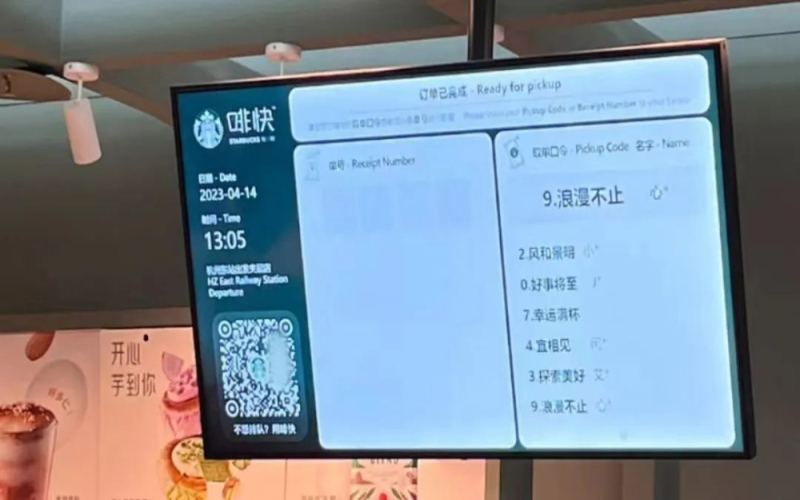
Starbucks Handwritten Cups Are Fading Into History: From Personal Doodles to the Efficiency Shift of Standard Labels
Once upon a time, while waiting for coffee after ordering at Starbucks, the handwritten name, smiley face, or a warm blessing on the cup was a small, everyday joy many people took for granted. Now, this personalized service is quietly disappearing, replaced by uniformly printed label stickers. From customers missing the sense of exclusivity brought by handwritten cups, to baristas facing the dual pressures of labor shortages and complaint risks, to the "Fei Kuai" service driving standardized processes, the era of Starbucks handwritten cups seems to have gone forever. This article reviews the rise and fall of handwritten cups, explores the debate between efficiency and ritual behind it, and what this change means for coffee lovers and store operations. [more…]
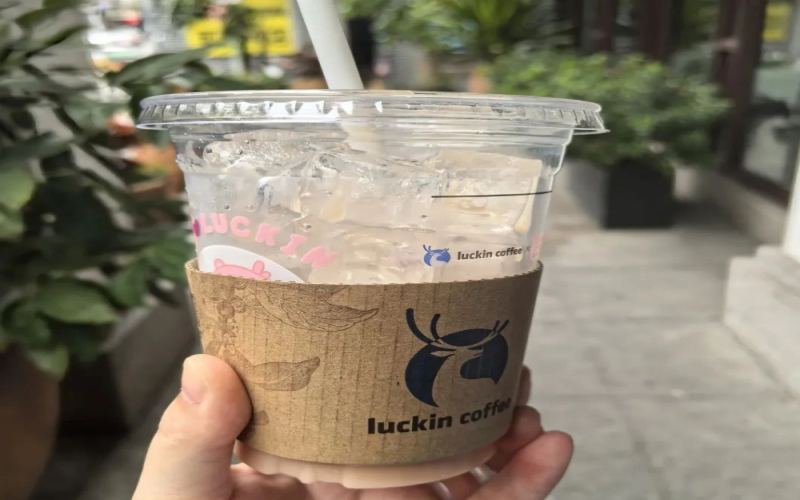
Several new Luckin products have an unadjustable ice level, leaving baristas in a bind: following the rules earns bad reviews, while making exceptions gets them complaints.
Luckin Coffee has recently launched several new products—including Grape Iced Americano, Light Coffee Lemon Tea, Big Watermelon Coconut Cold Brew, and Preserved Plum Sparkling Americano—which are clearly marked on the ordering page as not supporting no ice or less ice. However, many customers still habitually request reduced ice through notes. If store employees follow company standards, they often receive bad reviews because of the cup full of ice; if they secretly scoop out ice or add extra ingredients, it may trigger dissatisfaction among colleagues at other stores. Employees sigh: the rules say it's not supported, but customers don't buy it, and staff are caught in the middle. This article sorts out the ins and outs of this ice quantity controversy, and also mentions Front Street Coffee's observations on industry phenomena. [more…]