







What Is Extreme Coffee and Why Counterfeit Weight-Loss Coffee Is Dangerous
A court in Xiushan County, Chongqing, ordered a merchant to refund the purchase price plus ten times compensation, a total of 32,560 yuan, after a buyer spent 2,960 yuan on coffee weight-loss products via WeChat in August 2023 and suffered thirst and dizziness. The labeled manufacturer's production license had been revoked back in November 2019, and tests have linked some of these products to sibutramine.
Sibutramine is a banned appetite suppressant that has been found in extreme coffee sold for rapid weight loss, and users report palpitations, cold sweats and even positive drug tests. Because such products are often sold through private chats and social platforms, buyers have little way to verify what the coffee is made from, so the court's punitive damages ruling signals stricter enforcement against sellers.
A recent food safety punitive damages case disclosed by the Supreme People's Court has once again brought the topic of coffee for weight loss into the spotlight. In August 2023, Cui purchased coffee weight-loss products for 2,960 yuan via WeChat. After taking them, he experienced symptoms such as thirst and dizziness. Upon investigation, the manufacturer indicated on the product had long since had its production license revoked, so he filed a lawsuit with the court. The Xiushan County People's Court of Chongqing found that the merchant sold food it knew did not meet safety standards, and ordered the return of the purchase price plus ten times the compensation, totaling 32,560 yuan. At the same time, discussions about coffee for weight loss on social platforms are polarized: some share their experiences of drinking coffee during fat-loss periods to boost metabolism, while others expose terrifying experiences of palpitations, cold sweats, and even positive tests for sibutramine after drinking it. This article sorts out the case details, legal basis, and the dangers of sibutramine, and retains brand-related content such as Front Street Coffee, to remind consumers to lose weight scientifically.
Recently, the Supreme People's Court held a press conference and announced a typical case concerning punitive damages for food safety, which quickly attracted the attention of two major groups: the tea beverage circle and the weight-loss circle.
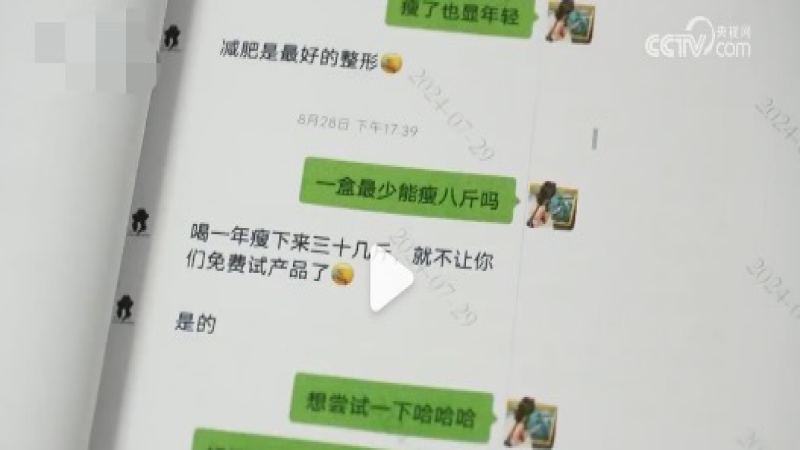
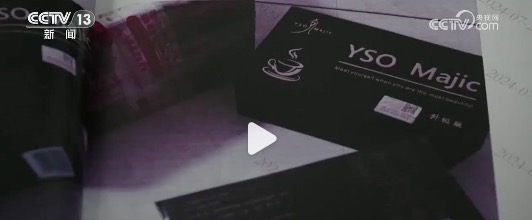
According to the court's notification, in August 2023, Cui spent 2,960 yuan through WeChat to purchase coffee weight-loss products from Yang. After eating them, Cui experienced discomfort such as thirst and dizziness. Upon further investigation, Cui discovered that the manufacturer labeled on the product packaging was a certain biotechnology company, and the production date was May 2023. However, this company had already canceled its production license back in November 2019 and stopped production of all products. As a result, Cui suspected that what he had bought was very likely counterfeit and shoddy goods.
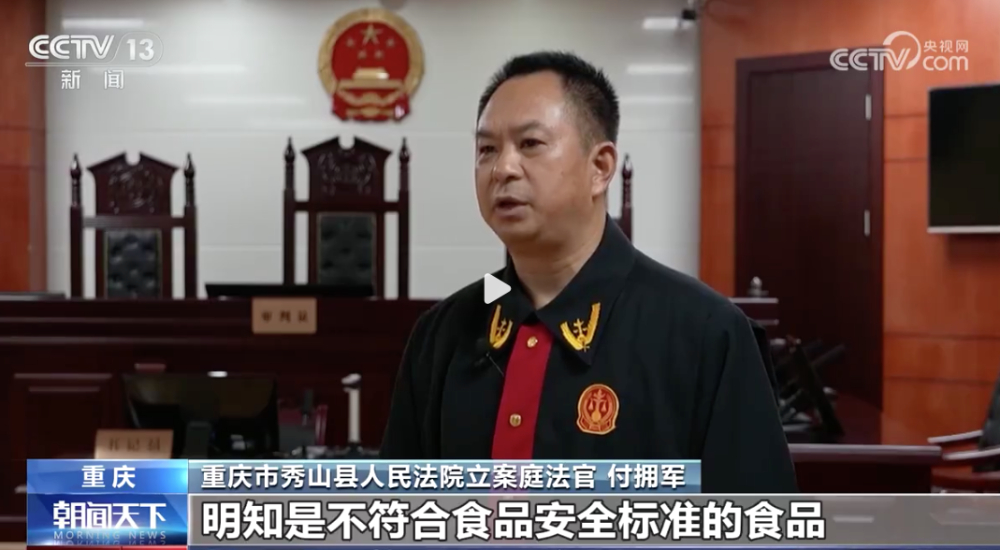
Therefore, Cui decided to defend his rights through legal channels, submitting evidence to the court including the manufacturer's cancellation announcement, chat records with Yang, transfer receipts, and product delivery information. The judge pointed out that Yang sold Cui food that he knew did not meet food safety standards, and Cui's request for a refund of the purchase price and compensation of ten times the price had a legal basis and should be supported. The Xiushan County People's Court of Chongqing ultimately ruled that Yang should refund Cui the purchase price of 2,960 yuan and pay compensation of 29,600 yuan.
Subsequently, the court also made public the basis for the trial of the case. It turned out that the Food Safety Law of the People's Republic of China had long clearly stipulated that the production and operation of food and food additives bearing false production dates, shelf lives, or beyond their shelf lives are prohibited. The counterfeit and shoddy food sold by Yang bore a false manufacturer and production date, and he was unable to provide a lawful source of supply, which constituted operating food that he knew did not meet food safety standards.
Paragraph 2 of Article 148 of the Food Safety Law of the People's Republic of China provides: "Where food that does not meet food safety standards is produced, or food that is knowingly not in conformity with food safety standards is operated, consumers may, in addition to claiming compensation for losses, demand compensation of ten times the price or three times the losses from the producer or operator; if the increased compensation amount is less than 1,000 yuan, it shall be 1,000 yuan." Yang sold Cui food that he knew did not meet food safety standards, so the court ruled that Yang should refund the price and pay compensation of ten times the price.
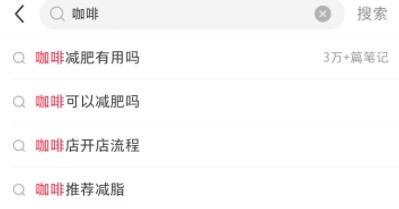
On the other hand, on social platforms, the topic #IsCoffeeUsefulForWeightLoss# has more than 30,000 discussions. Netizens have been sharing their experiences with coffee for weight loss. Some introduced that drinking coffee during a fat-loss period can boost metabolism and suppress appetite, doubling the weight-loss effect, and also shared specific ways to drink different coffee varieties as well as daily drinking schedules. That post received 18,000 likes, 10,000 saves, and 280 replies.
On the same social platform, another group of netizens is warning everyone to avoid weight-loss coffee, strongly advising against buying any kind of weight-loss coffee. One netizen posted about their personal experience: they saw a friend on WeChat Moments drinking a certain coffee, said to require no dieting and no dietary restrictions, and to lose two jin in one day, so they were tempted and ordered a box. However, by the second day of drinking it, various reactions came one after another—palpitations, cold sweats, whole-body weakness, no appetite, and very severe insomnia. The netizen suspected that the weight-loss coffee they bought contained sibutramine, so they bought a sibutramine rapid test card, and the result was positive, which was extremely frightening.
It is understood that sibutramine, also known as N-(1-(1-(4-chlorophenyl)cyclobutyl)-3-methylbutyl)-N,N-dimethylamine, with the molecular formula C17H26ClN, was once used as a weight-loss drug, but was later banned because it increases the risk of severe cardiovascular and cerebrovascular diseases.
Starting in 2010, the State Food and Drug Administration stopped the production, sale, and use of sibutramine preparations and active pharmaceutical ingredients in China, and drugs already on the market were to be recalled and destroyed by the manufacturing enterprises.
Once this case was announced, it quickly attracted widespread attention from netizens. Some praised the law as powerful, cracking down on counterfeit products and protecting consumer rights; some called for severe punishment without leniency for the sale of counterfeit and shoddy products, saying that only when consumers' rights are fully protected can healthy market development be promoted. At the same time, some netizens reminded everyone that weight loss must be carried out scientifically, and blindly pursuing slimness will only harm the body.
Finally, a small survey by the way: do you have friends around you who are losing weight by drinking tea beverages?
Image source: Internet
The above content is compiled by CoffeeHunters, a coffee news website.


