







Search Results for: optimal tasting temperature
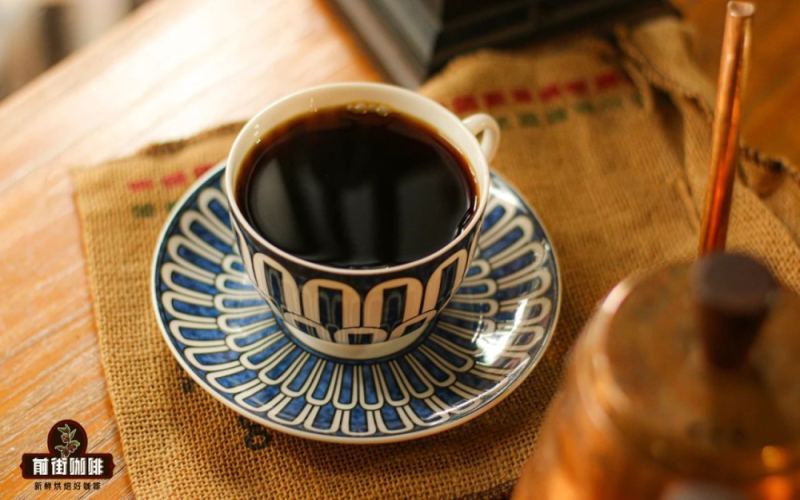
Analysis of the Causes of Burnt, Bitter, and Astringent Flavors in Pour-Over Coffee and Corresponding Adjustment Methods
Many coffee enthusiasts who brew pour-over at home often run into the problem of coffee tasting bitter or even showing burnt, astringent notes. This bitterness may come from the roast profile of the beans themselves, and it can also be closely tied to how long the beans have been stored, the grind size, the proportion of fines, and the brewing water temperature. Drawing on the hands-on experience of Front Street Coffee, this article analyzes four common causes of bitterness one by one and offers concrete, actionable adjustments—including how to choose beans based on flavor descriptions, how to judge the optimal flavor window, how to calibrate grind size, and how to troubleshoot water temperature issues—to help you pinpoint the problem more accurately and brew a smoother pour-over coffee. [more…]

Analysis of the Optimal Serving Temperature for Hot Americano: A Comparative Experiment Between Dark and Light Roast Beans
In the cold winter, the order rate for hot Americanos rises noticeably, yet the serving temperature at different cafés varies widely, ranging from 60°C to over 90°C. Exactly which temperature range allows a hot Americano to reach its best flavor and mouthfeel? Front Street used a dark-roast espresso blend and a medium-light-roast single-origin bean respectively, comparing them one by one at four temperatures: 60°C, 70°C, 80°C, and 90°C, conducting tests across dimensions such as aroma retention, initial drinking experience, changes as it cools, and the length of the enjoyable drinking window. The results showed that the optimal temperature for dark-roast and light-roast beans is not the same, but both are not very friendly to high temperatures above 80°C. This article will present the full experimental process and conclusions to help coffee lovers find the most ideal state for a cup of hot Americano in winter. [more…]
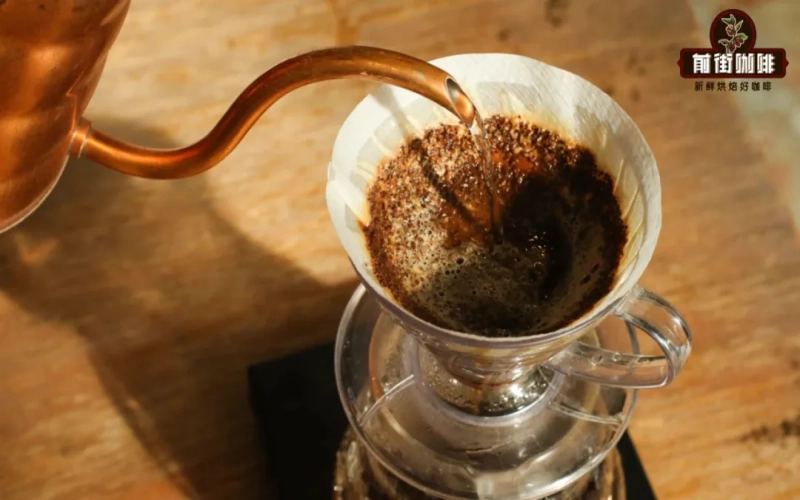
A Complete Analysis of the Optimal Drinking Time for Pour-Over Coffee and How Temperature Changes Affect Flavor
A freshly ground and brewed cup of coffee, like the coffee beans themselves, has its own optimal tasting window. Coffee aromas volatilize easily, and temperature constantly affects how the taste buds perceive sweetness, acidity, and bitterness. Therefore, from the moment it is brewed, the flavor continuously changes with time and temperature. Front Street Coffee compares the tasting performance of dark-roasted Golden Mandheling and light-roasted Gedinding at different time points, documenting the evolution of aroma, mouthfeel, and taste, to find the limit of coffee's tasting window under normal standing conditions. It will also answer common questions such as whether reheating can restore the flavor, and how to extend aroma retention with a lid or thermos, helping you seize the most brilliant drinking window of every cup of coffee. [more…]
How Temperature Affects Pour-Over Coffee Flavor, Optimal Drinking Window, and the Patterns of Taste Change
When tasting pour-over coffee, you often hear the saying "you should drink it from hot to cold." This is not without reason—as the coffee liquid gradually cools, our taste buds' perception of acidity, sweetness, and bitterness quietly changes as well. So how exactly does temperature affect the presentation of flavor? What temperature range is best for drinking? This article starts from the scientific perspective of taste perception, combines Front Street Coffee's brewing and tasting experience, analyzes the flavor change patterns of pour-over coffee at different temperature stages, and offers recommendations on the best drinking temperature and timing to help you more fully capture a cup of coffee's layers and details. [more…]
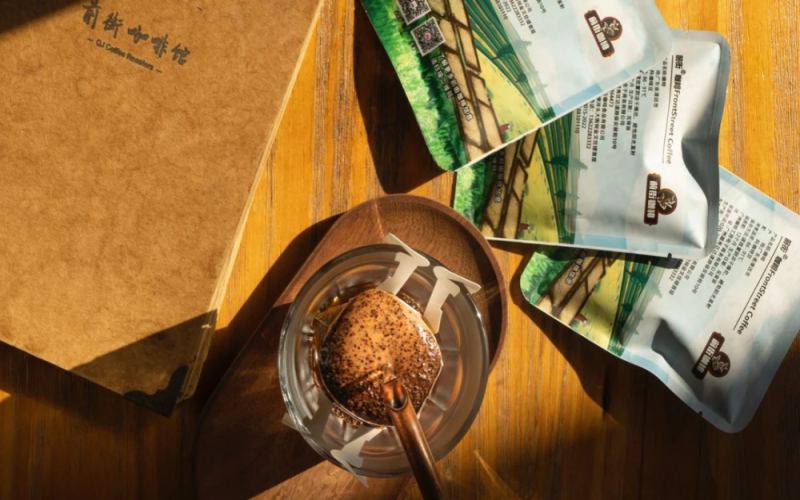
Shelf Life of Drip Coffee Bags | How to Store Filter Drip Coffee Bags? How Long Is the Optimal Flavor Period for Drip Coffee? Can Drip Coffee Bags Be Brewed Multiple Times?
For food safety reasons, China's relevant food laws stipulate a one-year shelf life for coffee products. In fact, if you want to drink a good cup of coffee, Front Street Coffee (FrontStreet Coffee) recommends finishing it as soon as possible. Coffee fans who often buy coffee beans at Front Street know that the optimal flavor period of coffee beans [more…]
Where Does the Bitterness in Pour-Over Coffee Come From? A Detailed Guide to Four Common Causes and How to Adjust
When brewing pour-over coffee, the appearance of bitterness is a problem many coffee lovers frequently encounter. The source of bitterness is not singular—it may come from the roasting profile of the coffee beans themselves, or it may be closely related to how long the beans have been stored, the coarseness of the grind, and the brewing water temperature. This article analyzes the causes of bitterness one by one from four dimensions and provides specific adjustment plans to help you brew a smooth cup of pour-over coffee at home. It also offers references for bean selection based on different flavor preferences and retains several recommended bean lists from Front Street Coffee for readers to choose from as needed. [more…]
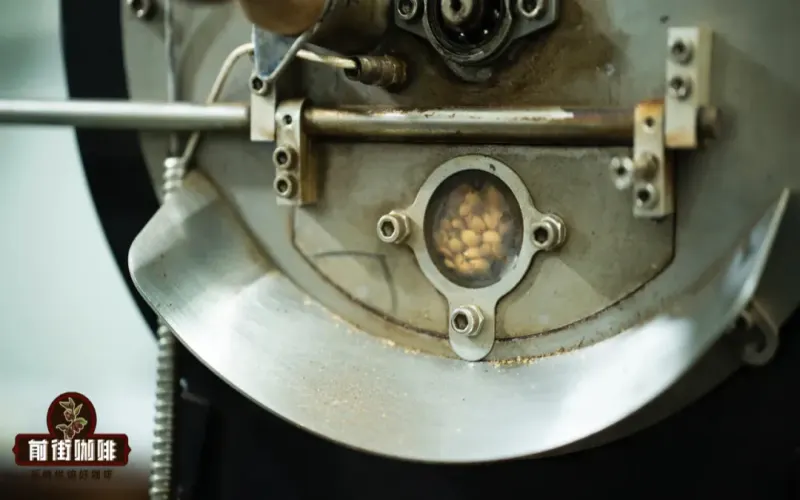
What exactly is coffee bean resting? A detailed explanation of the degassing principle and how to determine the optimal flavor window
Many coffee enthusiasts have heard the saying that "resting beans improves the flavor," but the real purpose of resting is not to create new flavors—it is to let the carbon dioxide accumulated after roasting gradually escape, thereby reducing interference with extraction. The formation of coffee flavor mainly occurs during the roasting stage; once roasting ends, flavor development essentially stops, and from then on the beans continuously degas, entering the resting and peak-flavor stages. Only when carbon dioxide is released to the point where it no longer noticeably hinders the dissolution of flavor compounds does the coffee reach its optimal drinking window. So how long does resting actually take? Different roasting methods, roast levels, and roasting styles all affect the rate of degassing, which is why merchants' recommended resting periods range anywhere from 4 to 30 days. This article starts from the underlying principles and, drawing on Front Street Coffee's practical experience, teaches you how to find a bean's peak state through sensory tasting. [more…]
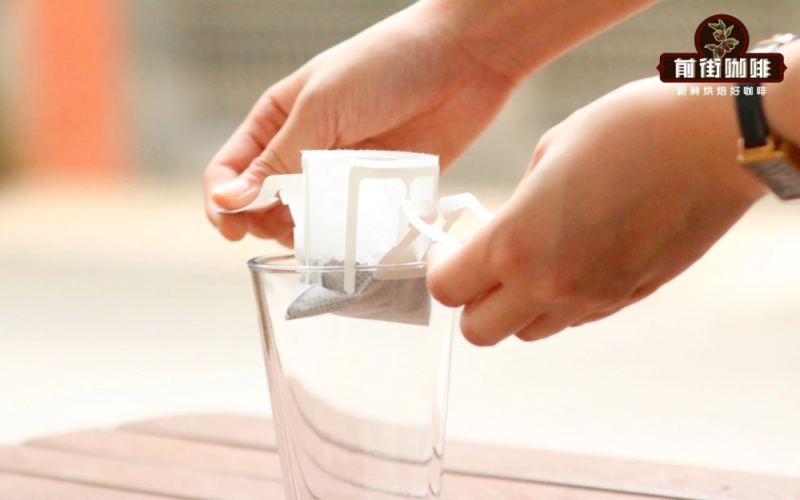
Drip bag coffee is not forever fresh: how long is its optimal flavor window, according to experimental data?
Drip bag coffee has become a daily choice for many coffee lovers thanks to its convenient brewing method. But many people overlook the fact that the coffee grounds inside a drip bag also come from freshly roasted beans, and once ground into powder, the flavor fades far faster than one might imagine. Through a set of controlled experiments, this article uses drip bags made from Front Street Coffee Red Cherry coffee beans, stored with and without preservatives for 1 to 4 months respectively, to observe changes in flavor. The experiment clearly reveals the boundary of the optimal flavor period for drip bag coffee, as well as the actual effect of preservatives on maintaining flavor. For consumers who like to stock up, these conclusions offer directly useful reference value. [more…]
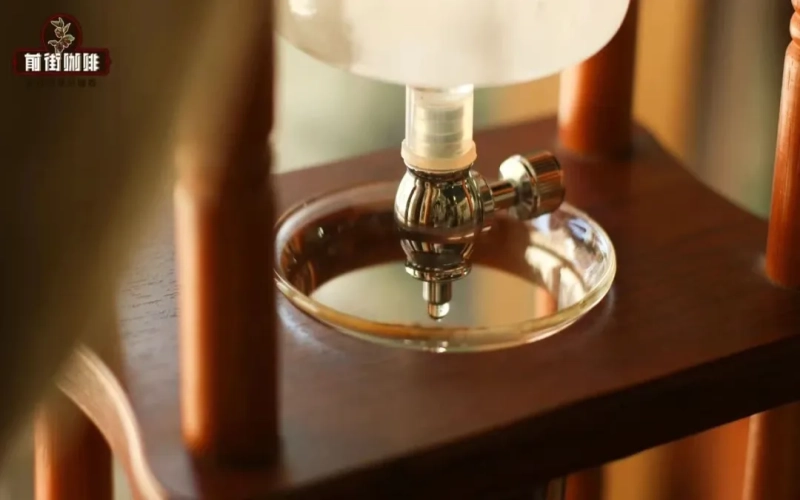
Detailed Guide to Cold Brew Coffee Storage Time and Differences from Cold Extraction: Brewing Ratios, Flavor Changes, and Optimal Drinking Period
Why can't you drink ice drip coffee immediately after it's made? What exactly is the difference between it and cold brew? This article provides a detailed explanation of ice drip coffee's shelf life, the principles of flavor maturation, and its brewing parameters and ratios. Freshly dripped ice drip coffee has a flat flavor and needs to be sealed and refrigerated for more than 8 hours to mature before it can present a mellow, silky mouthfeel and its signature wine-like aroma. It can be kept refrigerated for 3 to 5 days, but after more than three days the fermented taste becomes noticeably stronger, so Front Street sets the optimal drinking period at 3 days. The article also includes the ratio parameters for making ice drip, helping you fully master this coffee that requires patient waiting. [more…]
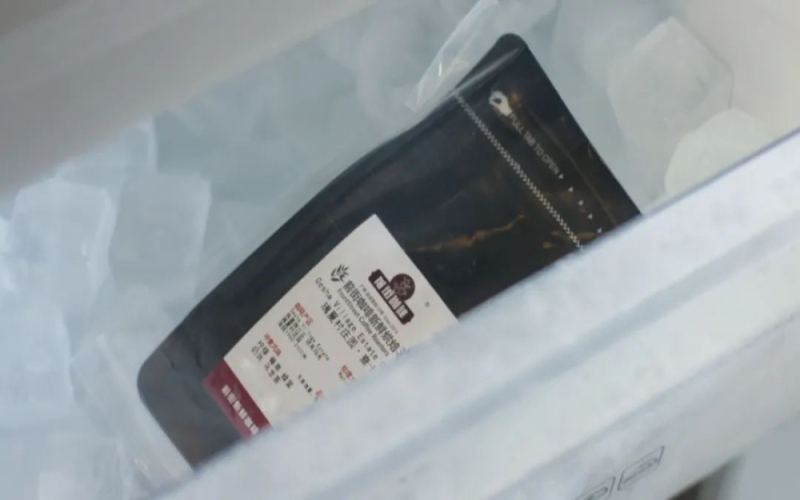
Can Freezing Coffee Beans Really Lock in Flavor? Front Street Coffee Explains the Truth and Practical Key Points of Frozen Preservation
Is the frozen coffee bean storage method circulating online actually able to extend the peak-flavor period and lock in the flavor? This time Front Street is going to seriously discuss this topic. Freezing can indeed slow down the oxidation rate of coffee beans, extending the optimal tasting period from 30 days to 2~3 months, but experiments show that frozen beans are actually in a "pseudo-fresh" state, and there is still a gap in flavor compared with the peak-flavor period. The real advantage of freezing lies in making the ground particles more uniform. However, there are too many variables in daily operation, such as needing to grind within one minute of thawing, adjusting brewing parameters, and improper sealing causing odor transfer. This article will break down the principles of frozen storage, the points to note, and give more practical bean storage suggestions one by one. [more…]
Why Does Coffee Taste So Different After It Cools? The Truth About Ideal Drinking Temperature and Reheating
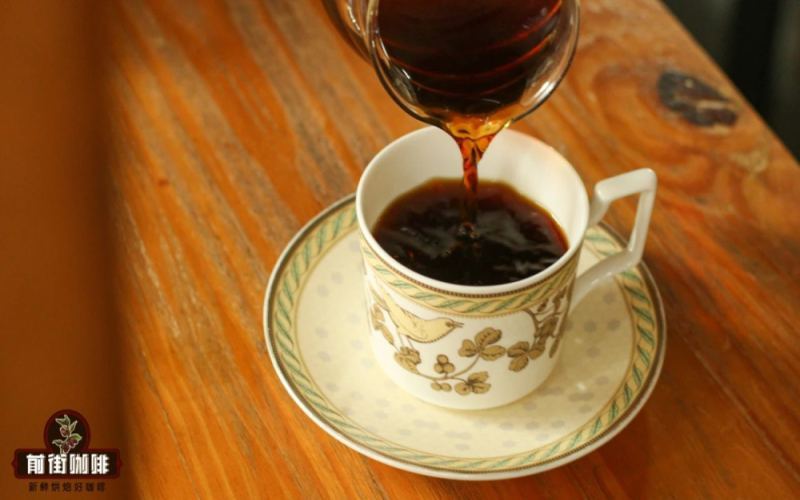
People often say coffee should be drunk while it's hot, but do you know how temperature influences the flavor of a cup of coffee? At Front Street Coffee, cupping involves evaluating the coffee at three stages—hot, medium, and cool—because the taste compounds in the brew and the human senses both change at different temperatures. Bitterness intensifies as temperature drops, sweetness is most pronounced near body temperature, and acidity is affected by roast level and oil oxidation. This article will walk you through the flavor evolution of coffee from hot to cold, the optimal drinking temperature range, and answer whether coffee can be reheated after it has cooled. [more…]
A Detailed Guide to Coffee Bean Resting and Optimal Flavor Periods: How Roast Level Affects Degassing Time and Storage Tips
Many coffee enthusiasts pay attention to the roast date when buying coffee beans, believing that the fresher the better. But in fact, freshly roasted coffee beans need a period of "resting" to allow the internal carbon dioxide to fully release before they reach their flavor peak. This article will explain in detail the principles of resting beans, the resting time required for different roast levels, emergency brewing methods for beans that haven't rested properly, and the correct storage methods. At the same time, using Front Street Coffee beans as an example, we provide specific resting recommendations to help you enjoy a good cup of coffee within its optimal flavor period. [more…]
Can Americano Help with Fat Loss? A Complete Guide to Calorie Breakdown and the Best Drinking Temperature
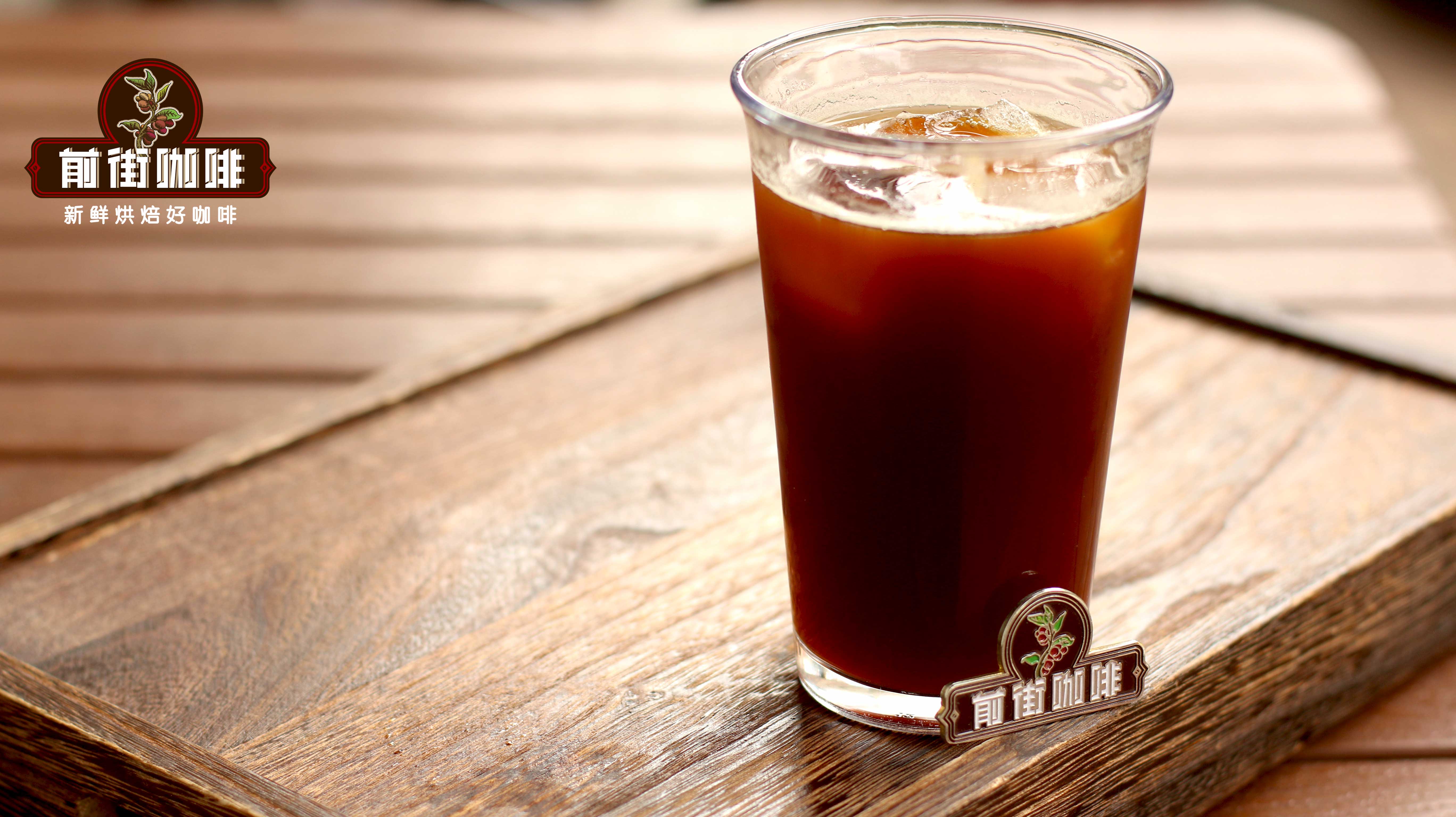
Americano is often equated with black coffee, but how does it differ from pure coffees such as pour-over and cold brew? Why is the Americano—espresso diluted with water—more highly sought after? Starting from the origin and definition of Americano, this article analyzes its differences from ordinary black coffee, and focuses on Americano's roles in aiding digestion and cutting greasiness, reducing water retention, and supporting fat burning, while also reminding readers that adding syrup and creamer brings extra calories. Drawing on Front Street Coffee's output examples, the article also offers recommendations on the optimal tasting temperature for making Americano with coffee beans of different roast levels, helping coffee lovers enjoy the flavor while also looking after their health. [more…]
Drip Coffee Bags | How acidic is dark roast Brazilian drip black coffee? How to brew Mandheling, Yirgacheffe, and Brazilian drip coffee?
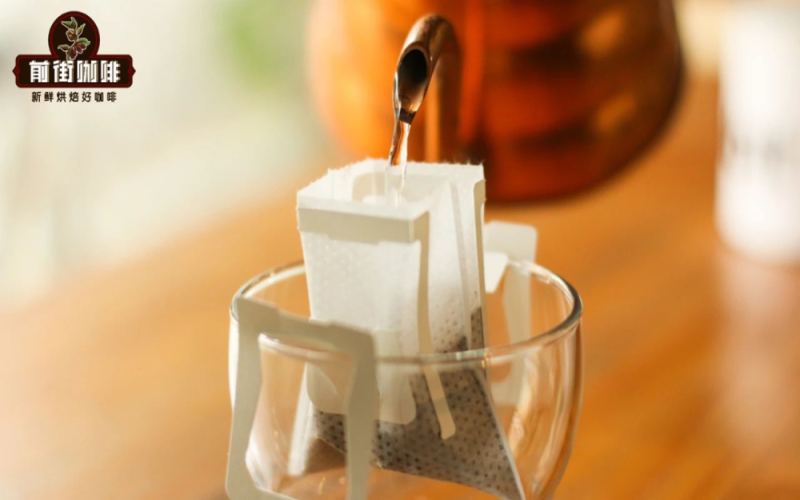
With the rise of the specialty coffee trend, coffee culture has been continuously spreading, and sales of both coffee equipment and coffee beans are constantly increasing. As a store focused on specialty coffee, Front Street not only brews a delicious cup of coffee for every guest, but also aims to spread coffee culture. If everyone [more…]

Drip Bag Coffee | What Are the Differences and Similarities Between Drip Bag Coffee and Hanging Ear Coffee? How to Brew Drip Bag Coffee? How to Brew Hot Coffee with a Hanging Ear Coffee Bag?
Speaking of drip bag coffee, this reminds Front Street of the convenient and simple hanging ear coffee, but they are not actually the same thing. In terms of steps, drip bag coffee is even simpler than hanging ear coffee—just put it into a clean container and add liquid, such as hot water, cold water or milk. [more…]
Optimal Flavor Temperature Analysis for Milk Coffee: Latte Milk Foam Steaming Principles and Fusion Degree Assessment Standards
The key to a delicious latte lies in the fusion state of milk and coffee and the temperature when it enters the mouth. This article will systematically explain the scientific principles of milk foaming, the factors affecting the fusion degree of milk foam and coffee, and reveal the differences in milk foam durability at different frothing temperatures through experimental data. At the same time, it provides cause analysis and solutions for common problems in daily operation, such as milk foam not fusing and milk foam floating up during latte art. The article also combines the practical experience of Front Street Coffee to explain why around 60°C is the optimal flavor temperature range for milk coffee, and how to judge whether the milk foam fusion degree is up to standard. [more…]
The Essential Differences Between Drip Bag Coffee and Instant Coffee, and a Complete Guide to Selection and Brewing
As specialty coffee culture becomes increasingly popular, drip bag coffee has become the top choice for many people's daily coffee drinking thanks to its combination of convenience and quality. But what exactly is the difference between drip bag coffee and instant coffee? Can one drip bag be brewed repeatedly? How do you choose a fresh and great-tasting drip bag? From the professional perspective of Front Street Coffee, this article systematically outlines the origins of drip bag coffee, its essential differences from instant coffee, key points for selection, and the standard brewing process, helping coffee lovers easily enjoy a cup of pure, flavorful black coffee even in a fast-paced life. [more…]
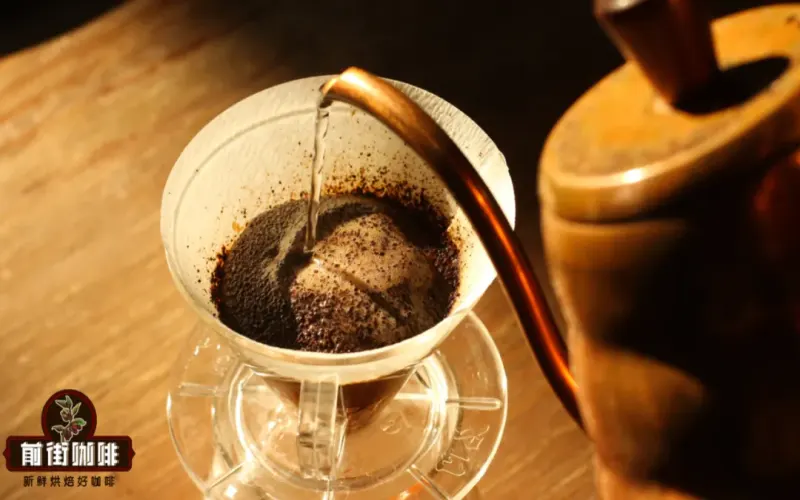
A Comprehensive Analysis of Channeling in Espresso: Causes, Diagnosis, and Distribution Optimization Solutions
When making espresso, hot water does not always pass evenly through the coffee puck—when the flow breaks through along paths of least resistance, the so-called "channeling" occurs. This phenomenon causes some coffee grounds to be over-extracted, releasing off-flavors, while other areas are under-extracted, ultimately throwing the strength and flavor of the entire cup out of balance. Channeling is especially prone to occur in espresso extraction, because the extreme conditions of high temperature and high pressure demand extremely high uniformity in the coffee bed. Although we cannot directly observe the state of the water flow during extraction, the holes on the surface of the puck and the spatter during extraction can both provide clues for diagnosis. This article will systematically explain the causes of channeling, how to identify it, and share Front Street Coffee's practical advice on optimizing distribution. [more…]
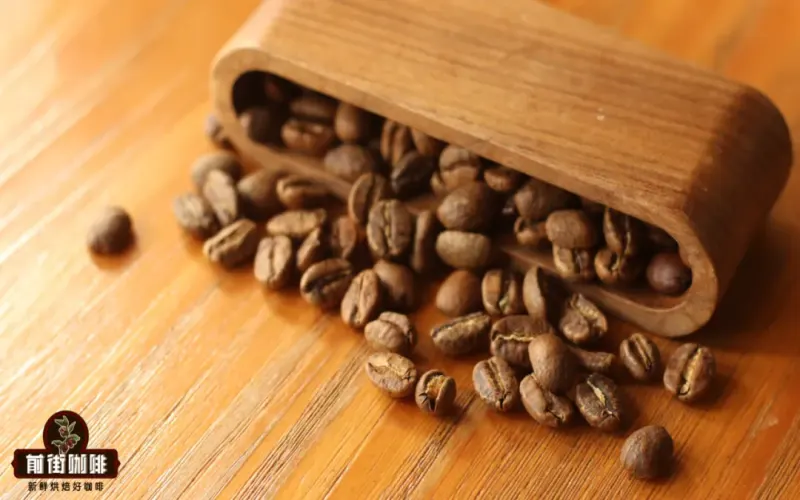
Can You Still Drink Coffee Beans Past Their Peak Flavor Window? Adjusting Grind and Pouring Technique in Pour-Over to Salvage Stale Beans
The peak flavor period of coffee beans is the stage when they display their best flavor, when aromatic compounds are abundant and the carbon dioxide content is just right, making extraction easy and thorough. Once the storage time exceeds the peak flavor period, a large amount of volatile aromatics is lost, and the brewed coffee tends to be thin and prone to harsh bitterness. So does that mean beans past their peak flavor period can only be discarded? In fact, by adjusting the grind size and pouring technique, you can still avoid the risk of over-extraction to some extent and give stale beans a second life. This article will explain what the peak flavor period means and provide a specific brewing recipe suitable for beans within two months of the roast date, including operational details such as bloom time and pouring rhythm, to help coffee lovers deal with having too many beans stockpiled or flavors that don't suit their taste. [more…]
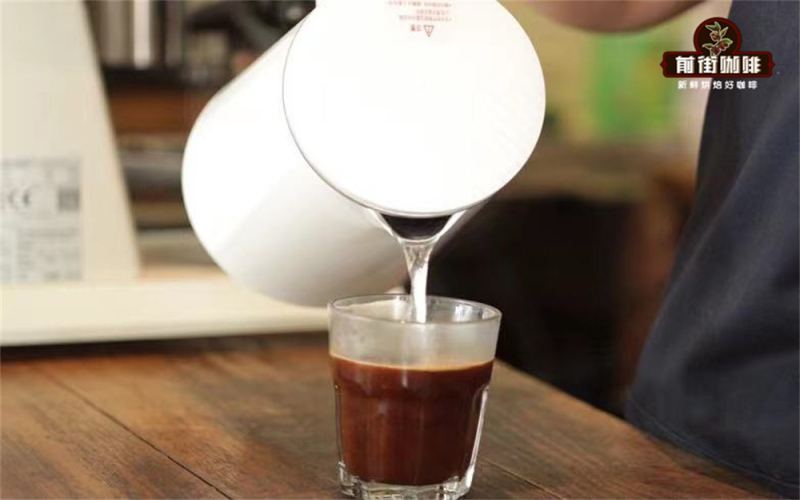
Analyzing the Benefits of Americano: From Boosting Alertness and Reducing Bloating to Aiding Fat Burning, a Guide to Proper Drinking Methods and Temperature
Americano has long become synonymous with black coffee, but do you truly understand how it differs from ordinary black coffee? This article begins with the origins of Americano, sorts through the differences in drinking habits across various regions of the United States, and then focuses on the unique charm of the espresso-plus-water version of Americano. We will also share Front Street Coffee's espresso blend recommendations and extraction parameters, and delve into the practical benefits of Americano in aiding digestion, relieving greasiness, reducing water retention, boosting metabolism, and supporting fat burning before exercise. At the same time, we remind you to avoid the extra calories brought by syrups and creamers, and finally, based on roast level, offer suggestions for the optimal tasting temperature for Americanos made with different blend beans, helping coffee lovers find the cup that suits them best. [more…]