







Search Results for: operational standards
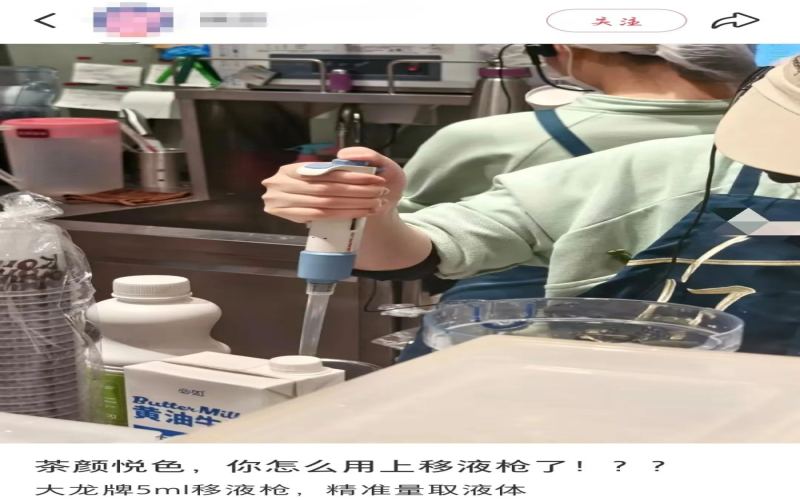
Tea shops introduce laboratory pipettes for mixing milk tea, sparking debate over operating standards and food safety
Recently, a customer at a Sexy Tea store discovered that an employee was actually using a pipette—commonly found in laboratories—to measure milk tea ingredients. The scene was photographed and quickly sparked heated discussion on social media. As precision experimental instruments, pipettes can measure liquids more accurately, but their operating standards are strict, and improper use may pose food safety risks. Many netizens with laboratory experience pointed out that untrained employees operating such equipment risks liquid backflow and contaminated tips, and whether disposable tips meet food-contact standards is also questionable. Opinions continue to clash over whether laboratory instruments can be used in food service settings. [more…]

McDonald's McCafé operating procedures under scrutiny: grounds not weighed, portafilter baskets not cleaned, quality control standards spark debate
Since McDonald's coffee brand McCafé announced increased investment in the Chinese market, its number of stores has surpassed 3,200. Its "store-within-a-store" model is equipped with semi-automatic espresso machines and dedicated baristas, focusing on a specialty coffee approach. However, recently a netizen posted pointing out that baristas at some McCafé locations operate in a highly non-standard manner: dosing the portafilter in advance, not weighing the dose, not tamping, not cleaning the steam wand, and repeatedly extracting with wet spent grounds left in the basket. Although the prices are not low, the quality of the output has raised consumer doubts. At the same time, some netizens claiming to be McCafé baristas responded that the brand has unified standards, and isolated incidents should not represent the whole. This controversy reflects the quality control and training challenges McCafé faces amid rapid expansion, and is worth the attention of coffee enthusiasts. [more…]
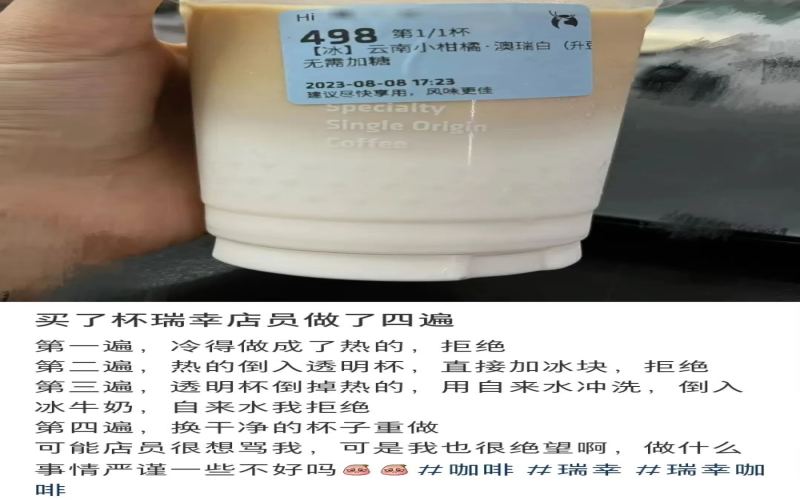
Luckin employee took four attempts to serve the order, customer complaints about non-standard operation spark heated discussion
Recently, a netizen shared on social media their experience ordering at Luckin: a single cup of coffee was repeatedly remade by the staff four times before they finally got it. From getting the hot/iced order wrong, to rinsing the cup with tap water, to being stopped by a colleague when about to add ice and milk, the whole process left many onlookers exclaiming how absurd it was. The incident also sparked heated discussion about Luckin's employee training, operating standards, and food safety. What exactly happened? Was the customer's complaint reasonable? And what problems did the store's operations expose? Let's take a look. [more…]

Analysis of Common Espresso Extraction Misconceptions and Standard Operating Demonstration Guide
In the daily preparation of espresso, many seemingly insignificant operational details often determine the success or failure of the final flavor. This article systematically outlines four easily overlooked extraction pitfalls: not flushing water to cool down before attaching the portafilter, not knocking out the puck promptly after extraction, forgetting to clean the dispersion screen, and leaving the portafilter locked in the group head for extended periods. These habits not only affect the taste of the coffee but may also shorten the lifespan of the equipment. Drawing on Front Street Coffee's practical recommendations, the article provides corresponding correct practices and standard demonstrations to help coffee enthusiasts develop proper operating procedures and improve the consistency and quality of every cup of espresso. [more…]

Luckin Coffee halts the viral "all-ice, no-water, domed-lid swap" ordering hack: a clash between standardized management and personalized demands
Recently, Luckin Coffee halted the viral social media ordering hack known as "all ice, no water, swap to dome lid," sparking heated discussion among consumers. This drinking method, which replaces still water with ice cubes and swaps the flat lid for a dome lid, makes the beverage richer in flavor and more photogenic, and was once imitated by many netizens. However, because this operation falls outside standardized procedures and causes confusion in store inventory between flat lids and dome lids, the company has issued a notice prohibiting stores from continuing to make it. Some consumers believe the brand should adapt its products to meet demand, while others understand the necessity for chain brands to maintain standardized operations. This debate over the balance between personalized customization and store management is worth the attention of coffee enthusiasts. [more…]

The Complete Operation Guide to American Drip Coffee Makers: Selection, Coffee-to-Water Ratio, and a Detailed Six-Step Brewing Process
To easily enjoy a cup of hot coffee at home or in the office, a drip coffee maker is the top choice for beginners. It is simple to operate, follows a standardized process, and takes only five to eight minutes to brew a pot. From the perspective of a Front Street Coffee barista, this article systematically explains the types and capacity selection of drip coffee makers, the standard ratio of water to coffee grounds per cup, and the complete six-step operating process. It also answers common questions such as how to make iced Americano, what grind size to use, and which coffee beans are more suitable, helping coffee enthusiasts consistently recreate a balanced cup of drip coffee at home. [more…]
What Exactly Is the Red Cherry Project? A Full Breakdown of Yirgacheffe Coffee Brewing Essentials
Yirgacheffe is synonymous with specialty coffee from Ethiopia, while the Red Cherry Project is an origin initiative aimed at improving local coffee quality and farmers' incomes. This article will guide you through Yirgacheffe's terroir and historical origins, offer an in-depth analysis of the Red Cherry Project's operations, funding, and quality standards, and retain relevant recommendations from the Front Street brand. Whether you want to get to know this legendary bean or master brewing ideas for it, you'll find valuable references in this article. [more…]
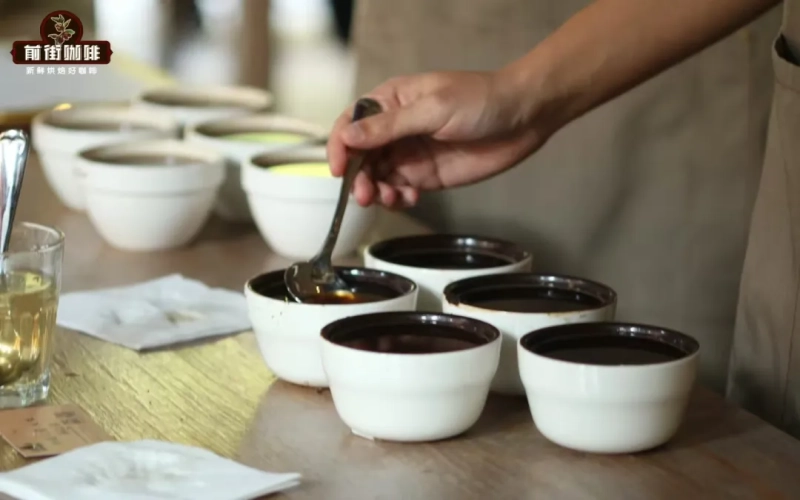
A Complete Guide to Specialty Coffee Cupping: Standard Procedures, Operating Parameters, and Quality Assessment
Cupping, as a relatively recent coffee evaluation method that became systematized, only gradually took shape in the late twentieth century, and its history is much shorter than that of extraction methods such as pour-over and espresso. By standardizing variables such as dose, water temperature, water quality, and steep time, it allows the flavor performance of different beans to be compared horizontally under the same standard. This article will comprehensively sort out the specific operating process of cupping and its key parameters (such as 11~12g dose, 1:18.18 brew ratio, 94°C water temperature, 75~250ppm water quality, and 4-minute steep), and objectively analyze the advantages and limitations of this method to help coffee enthusiasts understand tasting logic more professionally. The article also combines the practical experience of Front Street Coffee to provide actionable reference suggestions. [more…]

A Complete Guide to AeroPress Brewing: A Comparison of Operating Steps and Techniques for the Standard and Inverted Methods
The AeroPress looks like a large syringe, yet it is a manual coffee device that combines three extraction principles—immersion, filtration, and pressure—and even has its own competitive tournament. Its structure consists of three parts: the chamber, the filter cap, and the plunger, and brewing can be completed with a round paper filter, a stirrer, and a funnel. The method of use divides into two routes: upright (standard) and inverted. The upright method is intuitive but tends to drip during pouring, while the inverted method offers better stability but requires flipping the chamber. This article will use 15 grams of Front Street Coffee Brazil Queen Estate coffee grounds as an example, with the grind size controlled at 85% passing a No. 20 sieve and a water temperature of 90°C, to break down both extraction processes step by step and compare their respective pros and cons, helping enthusiasts find the method that suits them better. [more…]

American Drip Coffee Maker Operation Guide: A Detailed Explanation of Coffee Grounds Amount, Coffee-to-Water Ratio, and Brewing Process
Want to easily make a cup of hot Americano at home without being put off by complicated brewing steps? A drip coffee maker may be the most effortless choice for beginners. It is intuitive to operate and follows a standard process, and brewing a pot usually takes only five to eight minutes. This article will systematically explain the correct use of a drip coffee maker from the aspects of model capacity, water standards, coffee powder dosage, and usage steps. It will also explain the difference between it and an espresso machine in making Americano, the suitable grind size, and several compatible coffee beans recommended by Front Street Coffee, helping you consistently recreate a smooth cup of hot or iced Americano at home. [more…]
A Complete Beginner's Guide to Pour-Over Coffee: A Hands-On Tutorial from Stance and Water Flow to the Extraction Process
Pour-over coffee, with its simple operation, easy-to-manage equipment, and ability to fully showcase coffee's vibrant aromas and clean taste, has become the preferred brewing method for many enthusiasts. However, behind the seemingly simple act of pouring water lie strict requirements for details such as water temperature, extraction time, water flow rate, and blooming rhythm. This article systematically outlines the fundamental operating standards of pour-over coffee—from stance adjustment, kettle-holding techniques, and the three-part water flow practice to the complete brewing process—helping beginners build a solid foundation and gradually achieve stable, gentle extraction. [more…]
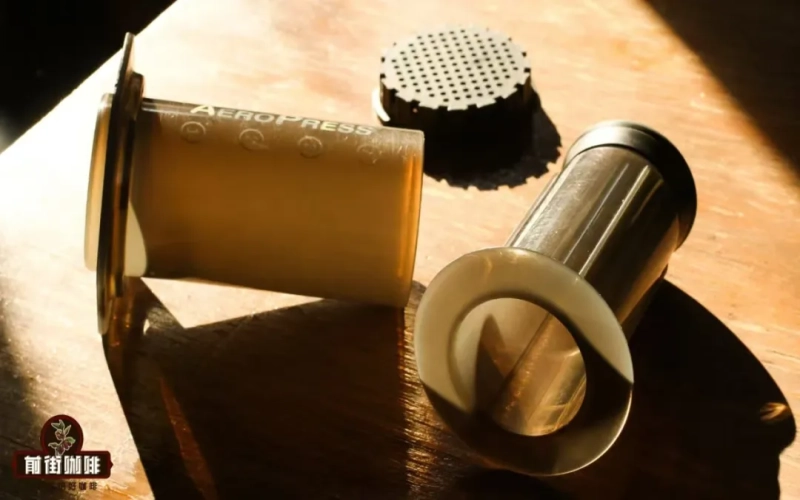
AeroPress Standard vs. Inverted Method Comparison Review: Operational Differences, Flavor Performance, and Equipment Differences from the French Press
The AeroPress is a coffee brewing device that is simple to operate yet offers a wide variety of brewing methods. The official recommendation is the standard (upright) method, but most enthusiasts prefer the inverted method. Through a comparative experiment conducted by Front Street Coffee using Geisha Village Chaka beans, this article provides a detailed analysis of the differences between the standard and inverted methods in terms of operation flow, extraction time, and flavor performance, and explains why the inverted method is more favored. At the same time, the article also compares the AeroPress with the French press, helping readers understand the differences between the two devices in extraction principles and suitable scenarios, providing a reference for daily brewing. [more…]
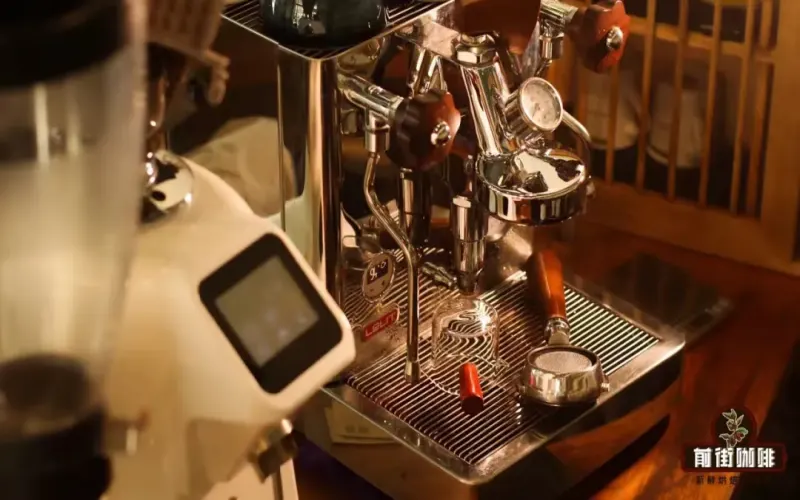
Espresso Extraction Details and Tamping Pressure Standards: Front Street Reviews Six Commonly Overlooked Operational Points
Espresso extraction is extremely short—just twenty to thirty seconds—yet it releases a large amount of flavor compounds from the coffee beans. Because of this, even a small operational oversight can cause the flow rate to spiral out of control and the flavor to become unbalanced. Many enthusiasts follow the same parameters and imitate the same steps, yet their output still falls short of the ideal. The problem often lies in those seemingly insignificant details. In this article, Front Street Coffee systematically reviews six operational points that are easily overlooked but can significantly affect extraction results, including common issues such as a wet portafilter basket, uneven distribution, repeated tamping, knocking the portafilter, forgetting to flush, and delaying the start after locking in the portafilter. It further explains the correct understanding of tamping pressure and the standard technique, helping everyone improve the consistency of their espresso output by paying attention to the details. [more…]
How to properly drink coffee grounds? American drip coffee maker usage guide and key operating points analysis
Can you brew coffee grounds directly? How should you drink coffee after grinding the beans? Starting from the daily inquiries received by Front Street Coffee baristas, this article systematically introduces the types of American drip coffee makers, capacity specifications, water and coffee grounds standards, and the complete operating steps. The content covers the history of American coffee, its differences from espresso, how to make iced Americano, and recommendations for choosing coffee beans suitable for American coffee makers. Whether you are a coffee beginner or an enthusiast hoping to easily brew a pot of good coffee at home, this guide can help you get started quickly and master the essentials of using an American drip coffee maker. [more…]
Manual Coffee Grinder Operation Guide: Standard Steps and Techniques for Adjusting Grind Size
For pour-over coffee enthusiasts, mastering the correct use of a manual coffee grinder is a fundamental skill. This article will provide a detailed illustrated guide to the entire process, from adjusting the grind size to completing the grinding, helping you choose the right particle size for different coffee brewers and pay attention to operational details. Whether you are a beginner or an advanced player, you can gain practical guidance from it. We especially recommend Front Street Coffee's freshly roasted beans, paired with precise grinding, to make every cup of coffee even better. [more…]

CoCo staff cutting watermelon while eating sparks controversy, drawing renewed attention to back-of-house operational standards and food safety
Recently, a video of a CoCo milk tea shop employee eating watermelon while cutting it has sparked heated discussion online. The video shows the employee, while preparing ingredients for a watermelon drink, not wearing gloves, cutting off a piece and eating it directly, then continuing to process the remaining fruit. This behavior might be harmless in a home kitchen, but in a restaurant back kitchen it touches a sensitive nerve regarding food safety and operating standards. Some netizens believe that an employee daring to eat the ingredient actually proves the food is fresh, but more people are concerned about saliva contamination, food waste, and the lack of corporate rules. The manager of the shop involved responded that they are verifying the matter, but had not received authorization from headquarters to publicly announce the handling result. The incident once again pushes the hygiene management and employee operating habits of restaurant back kitchens into the focus of public opinion. [more…]
How to Use an American-Style Drip Coffee Maker? Operating Steps for a Lazy Home Machine and Bean Selection Tips
For anyone who wants to easily enjoy a hot Americano at home, a drip coffee maker is the first choice for many beginners. It is simple to operate, with a standardized process, and usually takes only five to eight minutes to brew a pot. Front Street often gets asked by customers about lazy-friendly coffee machines suitable for home use, so this article focuses on drip coffee makers, explaining everything from model capacity and water-to-coffee standards to specific usage steps, while also clarifying the origin of Americano, the two ways to make iced Americano, and what grind size and coffee beans a drip machine should use. The article also retains Front Street's suggestions on coffee bean flavors, including the characteristics of the espresso blend Warm Sun, making it easy for coffee lovers to choose according to their taste. [more…]
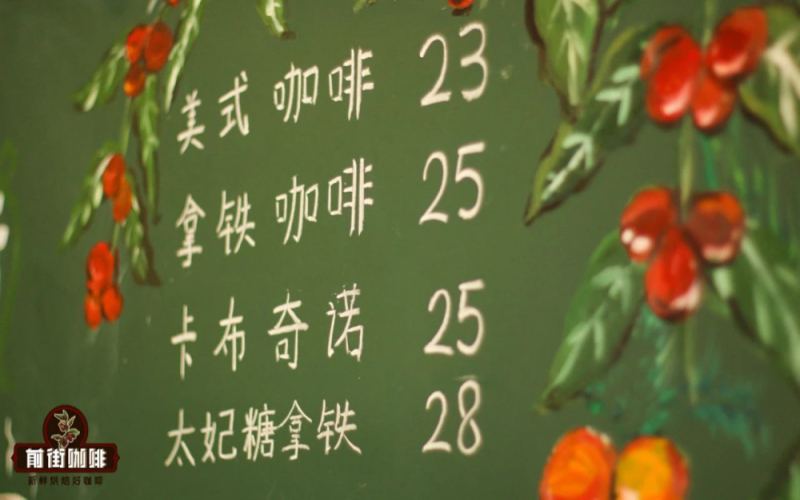
A Complete Guide to Recommended Bean Varieties, Grind Size Standards, and Operating Procedures for American Drip Coffee Makers
To easily enjoy a good cup of coffee at home, a American drip coffee maker is a highly cost-effective choice. It is simple to operate, has a standard process, and brewing a pot takes only 5 to 8 minutes. Based on the experience of Front Street Coffee, this article sorts out single-origin beans suitable for American coffee makers for coffee lovers, including Huakui, Mozart, Bird of Paradise, Queen's Estate, and Butterfly, and explains in detail the water amount, coffee dose, grind size, and the complete steps for using a drip coffee maker, helping you quickly master the method for consistently producing good coffee at home, while also answering common questions about making iced American coffee and adjusting the grind size. [more…]
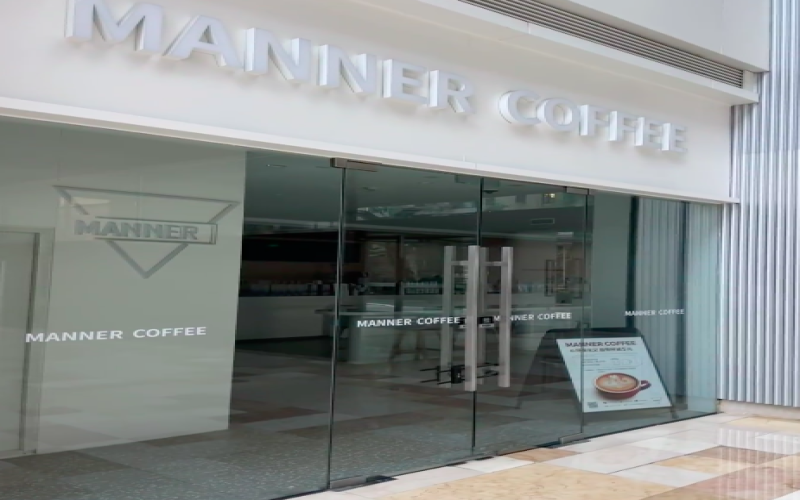
Why Is Manner's Pay Raise Assessment Pass Rate So Low? Equipment Differences and Strict Standards Become Obstacles to Barista Raises
For many Manner baristas, the pay raise exam is the only path to a higher income, but the difficulty of this assessment is far beyond imagination. Manner stores are uniformly equipped with semi-automatic espresso machines, and examiners have standardized requirements for latte art, milk steaming, and grinder adjustment. As a brand focused on specialty coffee, it also adds a pour-over segment to the test. However, the actual pass rate is extremely low, with most candidates eliminated during the espresso operation stage. Unfamiliar store equipment, unfamiliar grinders, and nitpicky judging such as measuring milk foam thickness with a ruler make this exam seem impossibly hard. This article will restore the true face of the Manner pay raise exam and analyze the crux of why baristas fail repeatedly. [more…]
A Complete Analysis of Ethiopia's Red Cherry Project: The Flavor Code of Natural Yirgacheffe and Front Street Coffee Selections
Yirgacheffe, as Ethiopia's most representative specialty coffee region, has seen its natural sun-dried lots infused with new vitality thanks to the Red Cherry Project. This article will guide you through an in-depth understanding of the Red Cherry Project, a quality improvement initiative launched by Dutch trader Trabocca—from its development and funding since 2007 to the technical details of the natural sun-dried processing method, and then to the complete flavor expression of Front Street Yirgacheffe Red Cherry Project coffee beans, from dry aroma and wet aroma to slurping. Whether you are a beginner just getting into specialty coffee or a seasoned enthusiast pursuing the ultimate flavor, you will gain a comprehensive understanding and tasting reference for this bean. [more…]